There's a certain weight that settles in when you realize you're watching not just a story, but an excavation. Ingmar Bergman, that titan of existential dread and unflinching human insight, turned his formidable gaze inward, or rather, backward, to the very origins of his own turbulent existence. The Best Intentions (1992, original Swedish title: Den goda viljan), directed by the masterful Bille August, isn't merely a period drama; it feels like handling fragile, fiercely personal artifacts – the courtship and early marriage of Bergman's own parents, Erik and Karin. How does one even begin to process a film born from such profoundly intimate territory?
A Foundation of Contrasts
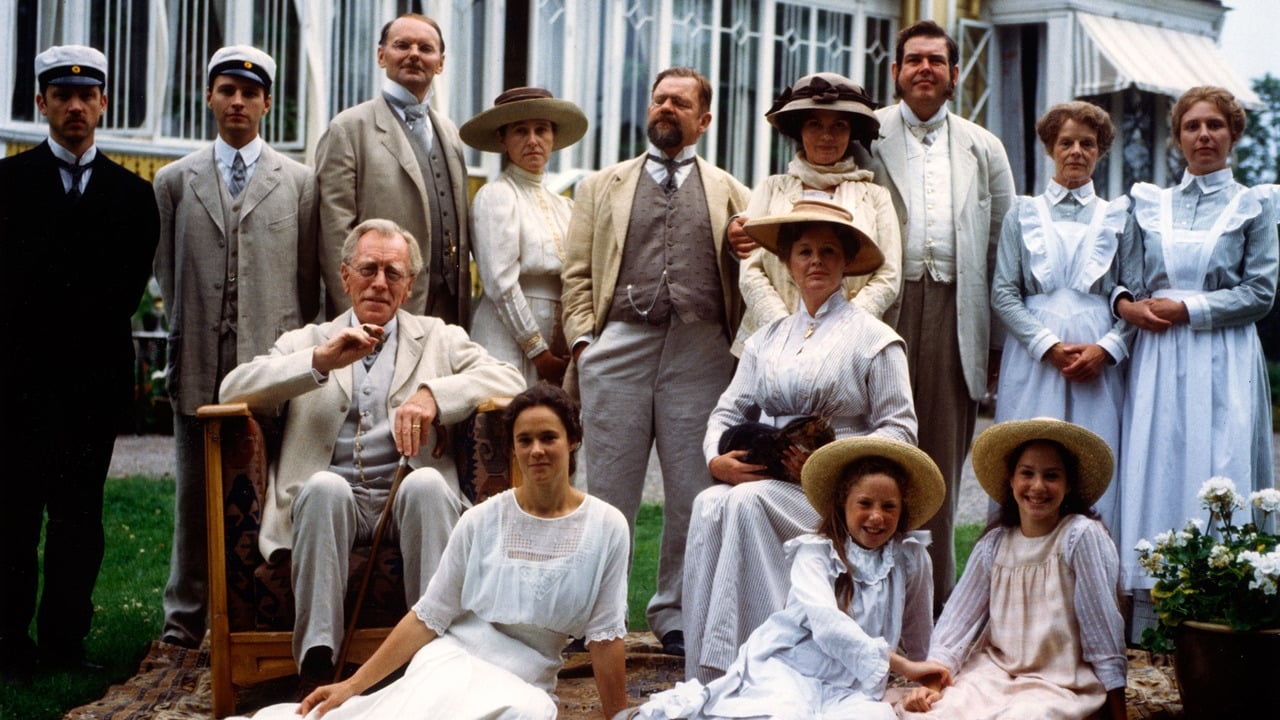
Set in the early 20th century, the film introduces us to Henrik Bergman (Samuel Fröler), a poor, intensely devout theology student, and Anna Åkerblom (Pernilla August, in a performance that resonates long after the credits), the vibrant daughter of a comfortably bourgeois family. Their initial attraction is undeniable, a spark of life in the often austere Swedish landscape. Yet, almost immediately, the fissures appear. Henrik’s rigid piety clashes with Anna’s more worldly upbringing; his deep-seated insecurities born of poverty rankle against her family's casual privilege. Their love story unfolds not as a fairy tale, but as a constant, often exhausting negotiation between two fundamentally different worlds, bound by a passion that is both their salvation and, at times, their undoing.
Bergman's Ghost in the Machine
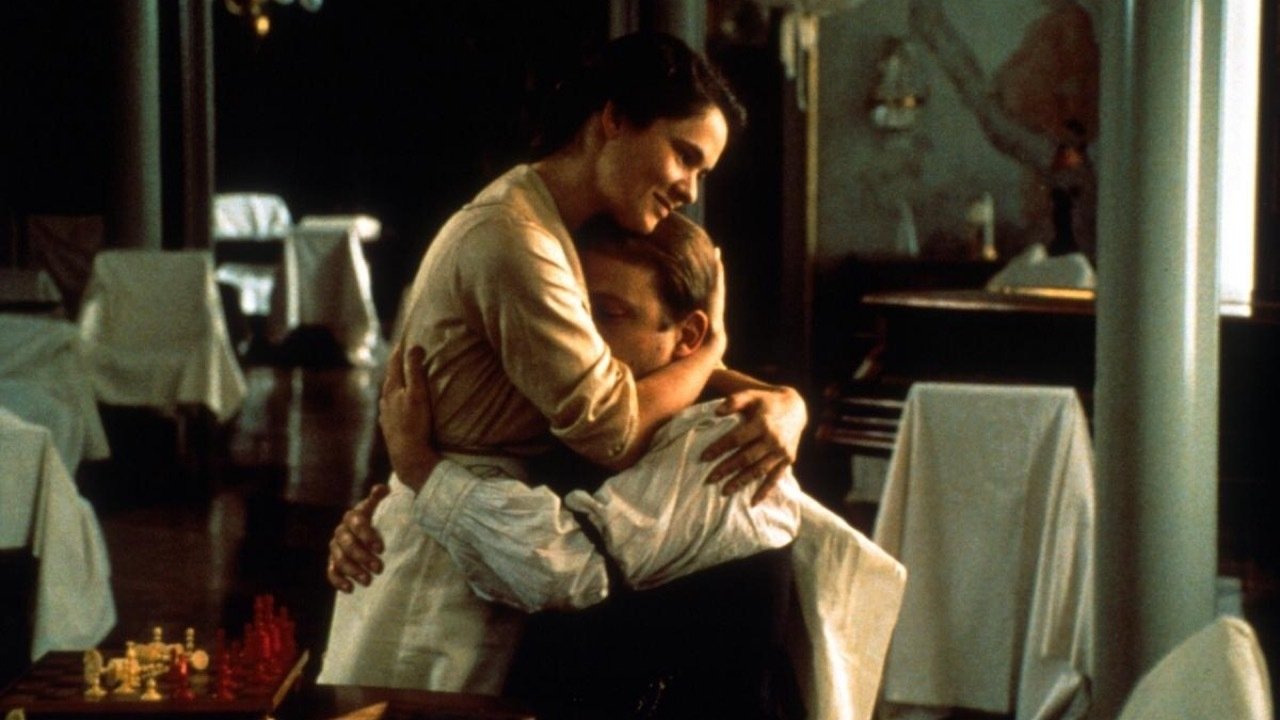
Knowing Bergman penned this screenplay adds an almost voyeuristic intensity to the viewing. It's starkly unsentimental, refusing easy answers or romanticized notions. You feel Bergman dissecting the very traits – the pride, the stubbornness, the simmering resentments, the moments of inexplicable tenderness – that likely shaped his own psyche. It’s a brave, almost painful act of self-analysis performed through the lens of his progenitors.
Interestingly, Retro Fun Fact time: Bergman felt too close to the material to direct it himself. He specifically sought out Danish director Bille August, then riding high from the international success of Pelle the Conqueror (1987), entrusting him with this deeply personal narrative. August proved an inspired choice, bringing a measured, observant eye that honors the script's gravity without succumbing to melodrama. There’s a palpable sense of respect for the emotional weight being carried.
Performances Forged in Truth
The film rests heavily on the shoulders of its leads, and they are extraordinary. Samuel Fröler embodies Henrik's complex blend of spiritual conviction, social awkwardness, and volcanic pride. You see the internal battles raging behind his often stern facade. But it's Pernilla August who delivers a truly unforgettable performance as Anna (later Karin Bergman, Ingmar's mother). She navigates Anna's journey from spirited young woman to weary wife and mother with astonishing nuance. Her vitality is infectious, her frustrations palpable, her endurance heartbreaking. The chemistry between Fröler and August is electric, capturing both the magnetic pull and the painful friction of their bond.
Adding another layer of poignant connection, Pernilla August won the Best Actress award at the 1992 Cannes Film Festival for this role – where the film also won the Palme d'Or for Best Film. It’s a remarkable double accolade. And for another fascinating Retro Fun Fact: Pernilla and Bille August were actually married at the time of filming (from 1991-1997), adding an almost meta-textual layer of intensity to their director-actor collaboration on such intimate material. Look also for the legendary Max von Sydow, one of Bergman's most iconic actors (The Seventh Seal, Wild Strawberries), lending his immense gravitas as Anna's concerned father, a figure representing the established world Henrik struggles against. His presence feels like a benediction from Bergman's own cinematic past.
The Craft of Quiet Observation
Bille August’s direction is characterized by its patience and restraint. He allows scenes to breathe, trusting his actors and the power of Bergman's words. Jörgen Persson’s cinematography is crucial, capturing the stark beauty and oppressive gloom of the Swedish settings – from the sun-dappled moments of courtship to the cramped, shadowed interiors of Henrik’s later clerical postings. The visuals often mirror the characters’ internal landscapes: moments of open possibility contrasted with confining circumstances. The score, used sparingly, underscores the emotional currents without ever overwhelming them. It's filmmaking that respects the intelligence and emotional capacity of its audience.
Enduring Questions, Lingering Shadows
What makes The Best Intentions still feel so vital? It delves into timeless struggles: the corrosive effects of class difference, the chasm between rigid faith and lived experience, the immense difficulty of truly understanding another person, even one you love fiercely. How much compromise is too much? Can unwavering principles become destructive? The film doesn't offer easy answers, instead laying bare the complexities and contradictions inherent in building a life together. Its honesty about the less glamorous, more painful aspects of commitment feels bracingly real.
It’s also worth noting another Retro Fun Fact: The Best Intentions was originally conceived and broadcast in Sweden as a television miniseries running close to six hours. The theatrical version, while standing powerfully on its own at three hours, is necessarily a condensation. Knowing the larger scope exists perhaps explains the feeling of density, the sense that every scene carries layers of unspoken history and future consequence.
***
VHS Heaven Rating: 9/10
Justification: The Best Intentions earns a high rating for its sheer artistic integrity, powerhouse performances (especially from Pernilla August), and the profound emotional depth of Ingmar Bergman's semi-autobiographical script. Bille August's sensitive direction and the impeccable craft create a deeply immersive and moving experience. It tackles complex themes with unflinching honesty and avoids sentimentality. The slightly demanding length and its somber, reflective nature might not appeal to all viewers seeking lighter fare, preventing a perfect score, but for those willing to engage with its challenging portrayal of love and conflict, it's an exceptional piece of cinema.
Final Thought: This isn't just a film; it's a haunting meditation on origins, legacy, and the often-painful truth that even the most profound love can be challenged by the intractable realities of personality and circumstance. It leaves you contemplating the invisible threads that connect generations, woven from both devotion and discord.