Here we go, sliding another tape into the VCR of our minds. This time, it’s 1995’s Restoration, a film that might have slipped past some radars amidst the decade's louder offerings, but one that rewards a revisit with its visual splendour and surprisingly poignant heart. What strikes you first, perhaps even before Robert Downey Jr.'s face fills the screen, is the sheer texture of the world director Michael Hoffman creates – a decadent, shimmering, yet ultimately fragile Restoration-era England.

A Physician's Progress... and Peril
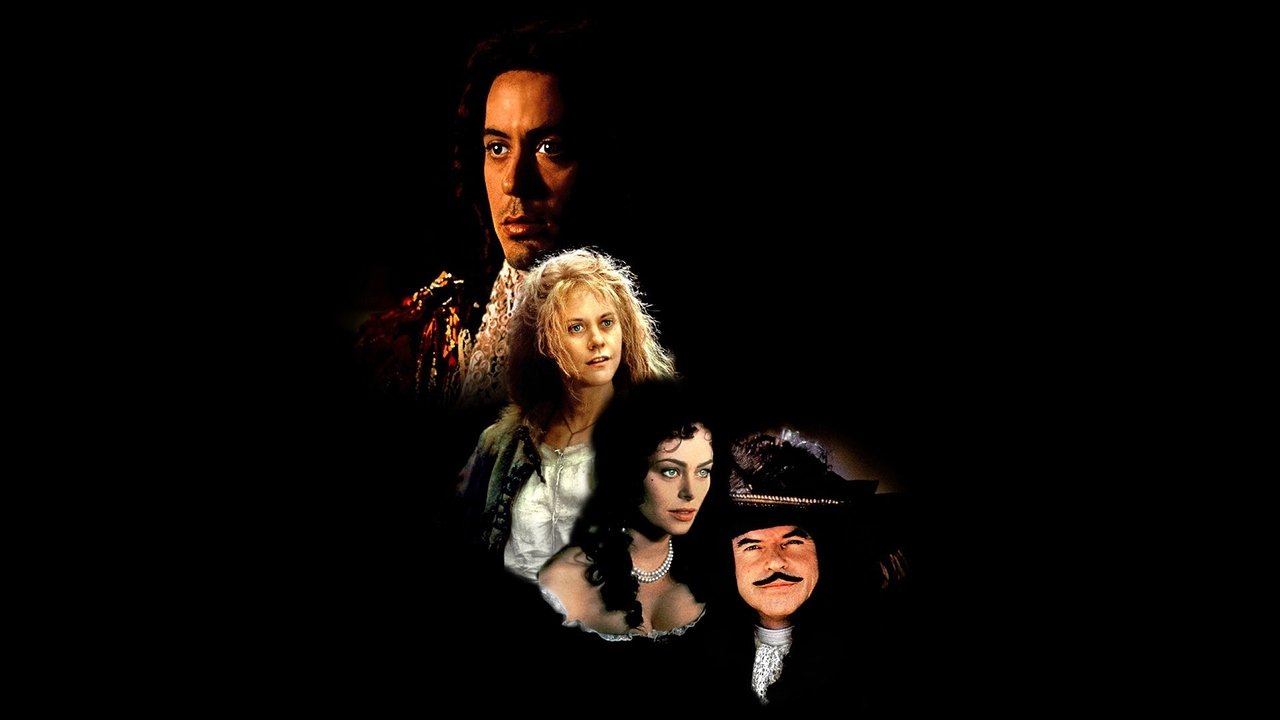
We meet Robert Merivel (Robert Downey Jr.), a promising young physician more interested in the pleasures of the flesh and the allure of high society than the dedicated practice of medicine. His quick wit and charm catch the eye of King Charles II (Sam Neill, in a performance layered with weariness and authority), who offers Merivel a place at court, wealth, and status – on one condition. He must marry the King's mistress, Celia Clemence (Polly Walker), purely for appearances, and crucially, not fall in love with her. It’s a Faustian bargain wrapped in silks and powdered wigs, and you just know, watching Merivel's initial wide-eyed delight, that this gilded cage is bound to rust.
It’s fascinating to watch Downey Jr. in this role, especially viewed through the lens of 1995. This wasn't the quippy action hero we know today, nor strictly the acclaimed dramatic actor of his earlier years. Here, he navigates a complex arc from hedonistic opportunist to a man humbled by loss and responsibility. His initial portrayal of Merivel is all swagger and appetite, but it's in the film's latter half, after his inevitable fall from grace, that the performance finds its soul. The script, adapted by Rupert Walters from Rose Tremain's novel, gives him ample material to work with as Merivel is stripped of his finery and forced to confront the harsher realities of life outside the court's bubble.
Beyond the Royal Court
The film truly deepens when Merivel is banished and finds himself working alongside his old medical school friend, John Pearce (David Thewlis), at a Quaker sanitarium. The contrast is stark: the vibrant, artificial chaos of the court gives way to muted tones, quiet devotion, and the grim reality of illness and death. Thewlis, always a compelling screen presence, provides a grounded counterpoint to Merivel's flamboyant nature. Their shared scenes explore themes of duty, faith, and the true meaning of healing, far removed from the superficial cures Merivel initially sought. It's here, amidst the suffering, that Merivel begins his genuine 'restoration,' rediscovering his purpose not through royal favour, but through service and human connection.
This section also introduces Katharine (Meg Ryan), a troubled patient with whom Merivel forms a complex bond. It was a departure for Ryan from her usual romantic comedy roles, and while her performance has drawn varied reactions over the years, she brings a raw, fragile intensity to the part that underscores the film’s exploration of mental anguish and societal constraints on women.
A Feast for the Eyes, A Question for the Soul
Let's talk about the look of this film. Restoration rightfully snagged Academy Awards for Best Art Direction (Eugenio Zanetti) and Best Costume Design (James Acheson, who also dressed films like Dangerous Liaisons (1988)), and it shows in every frame. The opulent sets, the intricate costumes – they aren’t just window dressing; they immerse you completely in the period, highlighting the extravagance Merivel initially craves and the starkness he later encounters. For a reported budget of around $19 million, the visual scale is impressive, even if its quiet narrative didn't quite set the box office alight back in '95 (grossing just over $4 million domestically), making it a prime candidate for rediscovery on home video back in the day. I remember renting this one, perhaps expecting something lighter given Downey Jr. and Ryan's presence, and being drawn into its richer, more somber tapestry.
Supporting players like Ian McKellen as Merivel's loyal manservant, Will Gates, and Hugh Grant in a brief but memorable turn as a foppish portrait painter add further layers to the ensemble. Sam Neill's Charles II is particularly noteworthy – not a caricature, but a man burdened by his crown, capable of both immense generosity and chilling cruelty.
The Weight of Redemption
Restoration isn't a fast-paced film; it takes its time, allowing Merivel's transformation to unfold gradually. It asks us to consider what true wealth is – the fleeting favour of kings, or the enduring value of empathy and purpose? Does Merivel truly earn his redemption, or is he merely swept along by circumstance? The film doesn't offer easy answers, leaving space for reflection long after the credits roll. It’s a character study wrapped in historical drama, more interested in the internal journey than in grand historical events (though the Great Plague of London does cast a long shadow over the later acts).
Rating: 8/10
This score reflects the film's stunning visual achievements, the strength of Robert Downey Jr.'s central performance navigating a demanding character arc, and the compelling supporting cast, particularly Sam Neill and David Thewlis. Its deliberate pacing and thematic depth make it a rewarding watch, even if it demands a bit more patience than your average 90s flick. The sometimes-uneven tone, particularly concerning Meg Ryan's subplot, holds it back slightly from perfection, but the craft and ambition are undeniable.
Restoration remains a thoughtful, beautifully rendered piece of cinema. It’s a reminder of a time when major studios still occasionally produced intricate adult dramas, and a showcase for Robert Downey Jr.'s considerable range long before he donned the Iron Man suit. It lingers not just for its visual beauty, but for its quiet insistence that true restoration comes not from reclaiming lost fortunes, but from finding one's soul.