There's a particular kind of quiet unease that settles over you when Danny Glover first appears on screen in Charles Burnett's 1990 masterpiece, To Sleep with Anger. He arrives as Harry Mention, an old friend from the South visiting a middle-class Black family in South Central Los Angeles. His smile is wide, his charm immediate, disarming even. Yet, beneath the easy laughter and shared memories, something feels… off. It’s a feeling that burrows under your skin as the film unfolds, a slow-burn tension masterfully orchestrated by Burnett, a director whose work always invites deeper contemplation.
A Visitor Stirs the Pot
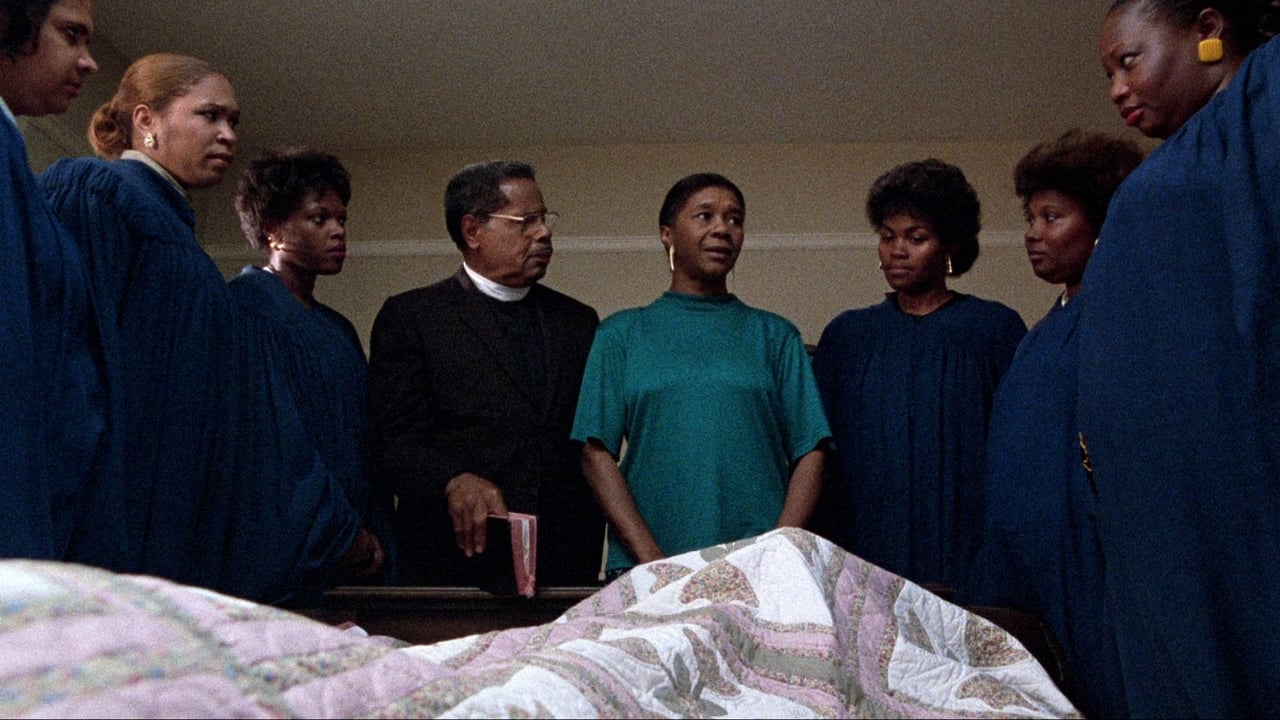
The family, headed by the quietly devout Gideon (Paul Butler) and the pragmatic Suzie (Mary Alice), lives a life balanced between Southern traditions and modern LA realities. Their sons represent this divide: Junior (Carl Lumbly) embraces a more assimilated, middle-class path, while Babe Brother (Richard Brooks) clings fiercely to his roots, particularly the blues music that Harry also embodies. Initially, Harry is a welcome guest, a font of old stories and folk wisdom. Watching him reminisce with Gideon and Suzie feels warm, authentic – the kind of comfortable familiarity many of us recognize in our own families.
But Harry overstays his welcome. His presence subtly exacerbates existing family tensions. Minor disagreements fester, resentments bubble to the surface, and a series of small misfortunes begin to plague the household. Burnett uses Harry not just as a character, but as a catalyst, forcing the family (and the audience) to confront uncomfortable truths about themselves, their beliefs, and the fragile nature of harmony. Is Harry merely a charismatic troublemaker, a relic of a past best left behind? Or is he something more folkloric, more spiritually disruptive? The film never explicitly answers, leaving a delicious ambiguity that lingers long after the credits roll.
Glover's Tour-de-Force
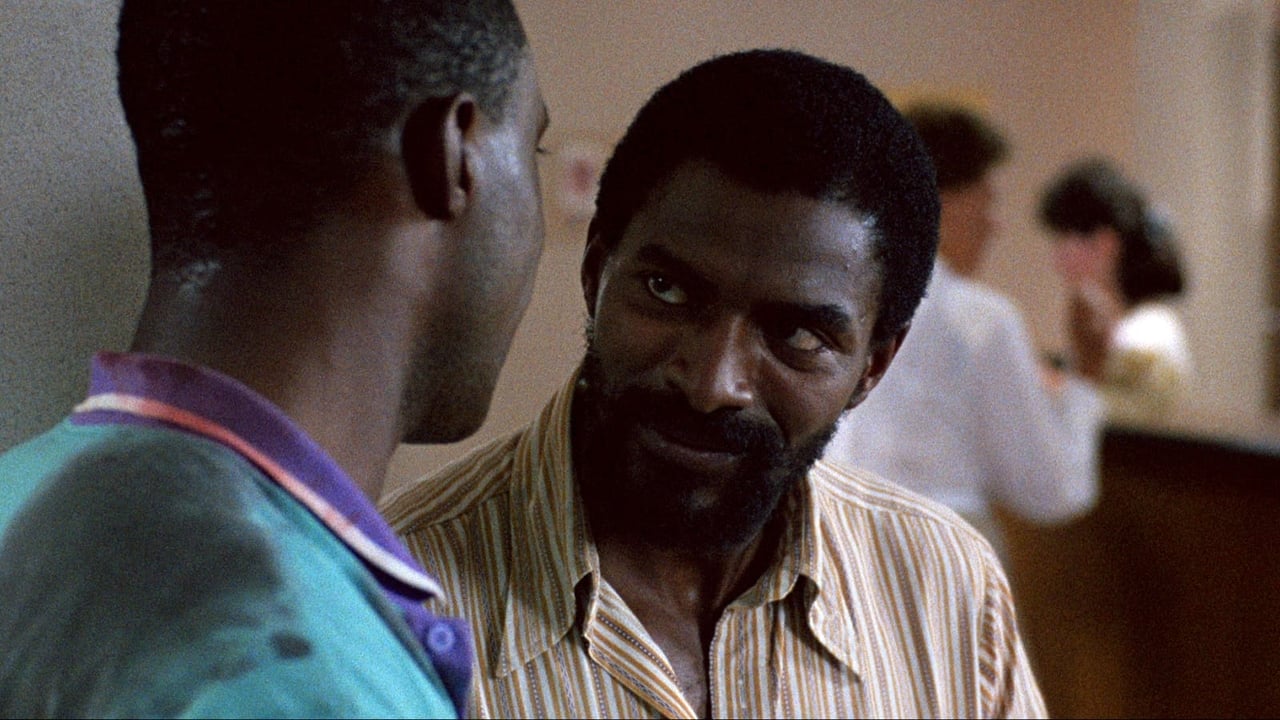
Let's talk about Danny Glover. Known to many from the blockbuster Lethal Weapon series around this time, his performance here is a revelation, arguably the finest of his career. He imbues Harry with an unsettling duality. One moment, he’s the life of the party, spinning yarns and flashing that infectious grin; the next, a shadow passes over his face, revealing a hint of menace or profound weariness. It's a performance built on nuance – a glance held too long, a story told with just the wrong emphasis. Glover understood the assignment perfectly, using his star power not for heroics, but to embody this complex, potentially malevolent force who operates through charm and suggestion. It’s easy to see why Glover himself championed the film, using his clout to help secure funding for Charles Burnett, a vital voice in independent cinema who often struggled to get his deeply personal projects made.
Burnett's Patient Hand
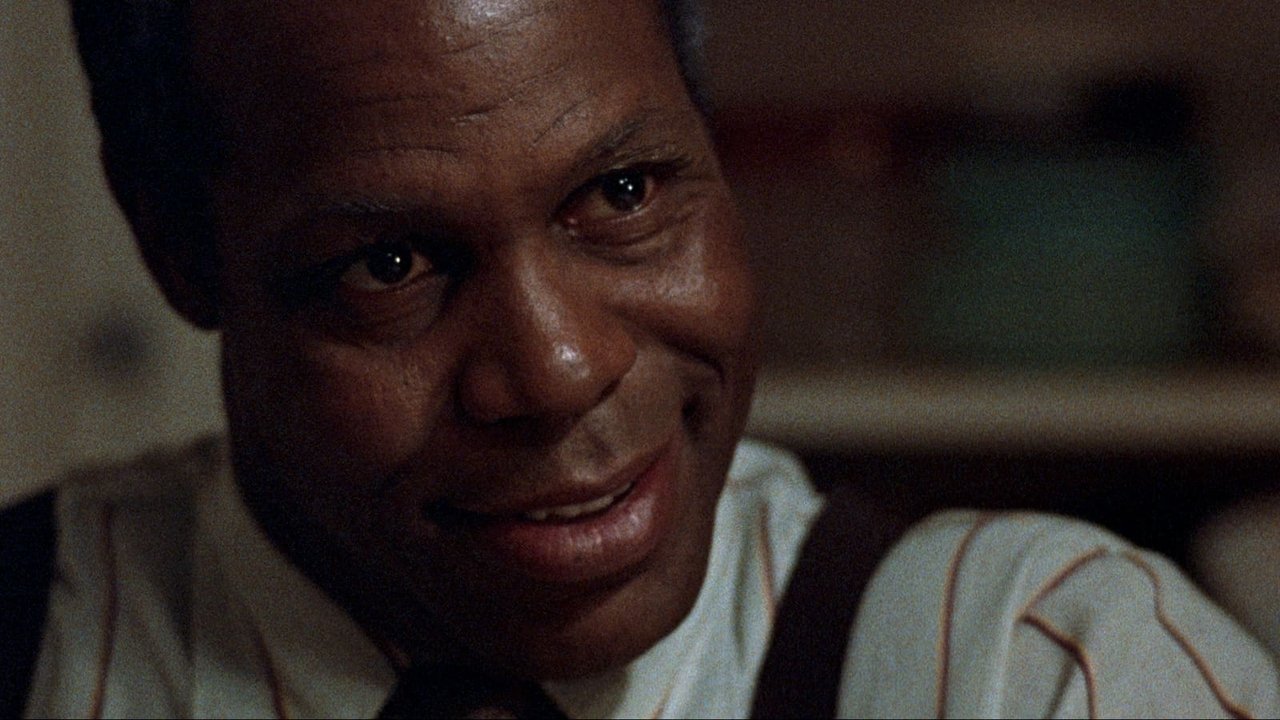

Charles Burnett, director of the seminal Killer of Sheep (1978), brings his signature observational style to To Sleep with Anger. There’s no rush here. He allows scenes to breathe, letting the dynamics between characters unfold naturally. The camera often lingers, capturing the textures of the family home, the heat of LA summer days, the subtle shifts in expression that betray inner turmoil. This deliberate pacing draws you into the family's world, making the eventual eruption of conflict feel earned and deeply resonant. The film itself feels like a piece of folklore, weaving together realism, spirituality, blues music (with a fantastic score by Stephen James Taylor), and an undercurrent of the supernatural.
Retro Fun Facts: A Gem Unearthed
- Finding gems like To Sleep with Anger on VHS felt like uncovering buried treasure. Despite critical acclaim, including a Special Jury Prize at Sundance in 1990 and glowing reviews (Roger Ebert was a major champion), the film struggled commercially, making back only about $1.2 million of its modest $1.4 million budget. Its true audience often found it later, through rentals or cable airings, recognizing its unique power outside the mainstream.
- Burnett drew heavily on Southern Black folklore and superstition, elements often dismissed or ignored in mainstream cinema. Harry's character carries echoes of trickster figures and even the devil, arriving to test the family's faith and cohesion. The "toby" charm becomes a significant symbol within this context.
- The authenticity of the family interactions wasn't accidental. Burnett spent years developing the script, wanting to portray a grounded, nuanced Black middle-class experience rarely seen on screen at the time. The performances by Paul Butler and the luminous Mary Alice (who won an Independent Spirit Award for Best Female Lead) are pitch-perfect in their grounded realism.
- Its importance has only grown over time. In 2017, To Sleep with Anger was selected for preservation in the United States National Film Registry by the Library of Congress as being "culturally, historically, or aesthetically significant"—a fitting tribute to its artistry and unique vision.
What Lingers After the Storm?
To Sleep with Anger doesn't offer easy answers. It asks us to consider the weight of the past, the strength of belief, and the subtle ways conflict can arise even within loving families. How do we navigate the tension between tradition and progress? What forces, internal or external, threaten our peace? Watching it again now, decades after its release, its themes feel perhaps even more relevant. It’s a film that rewards patience, inviting reflection on the complexities of human connection and the spirits, literal or metaphorical, that shape our lives. It’s a quiet film, but its impact is profound.
Rating: 9/10
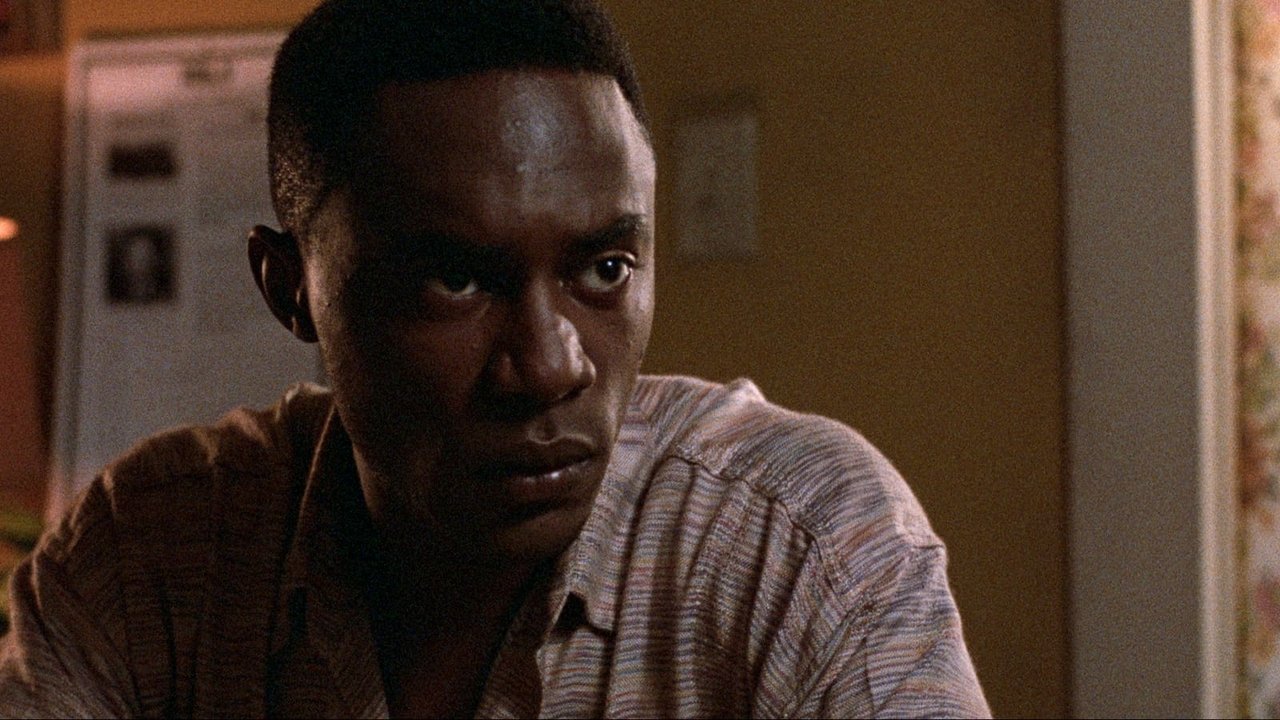
This score reflects the film's exceptional depth, Danny Glover's career-defining performance, Charles Burnett's masterful direction, and its rich exploration of culture and family dynamics. While its deliberate pace might test some viewers accustomed to faster narratives, the payoff is immense. It’s a near-perfect execution of a unique vision, hampered commercially perhaps only by its refusal to fit neatly into genre boxes.
To Sleep with Anger is more than just a movie; it’s an experience that settles in your bones, a haunting and deeply human story that stays with you, much like Harry Mention himself. A true treasure from the era, waiting to be rediscovered.