### A Ghost That Refused to Stay Buried
Some images from film lodge themselves deep in your mind, resurfacing years later with undiminished power. For me, one such image comes from Tengiz Abuladze's staggering 1987 film, Repentance (Georgian: Monanieba): the corpse of the town's seemingly revered late mayor, Varlam Aravidze, repeatedly dug up and propped against his son's house. It’s a grotesque, darkly absurd visual, yet it perfectly encapsulates the film's haunting central theme – the stubborn refusal of a buried, monstrous past to remain silent. This wasn't your typical Friday night rental, sandwiched between action blockbusters and teen comedies, but encountering it on VHS back then felt like uncovering a forbidden text, a whispered truth from a world away.
An Allegory Etched in Grief
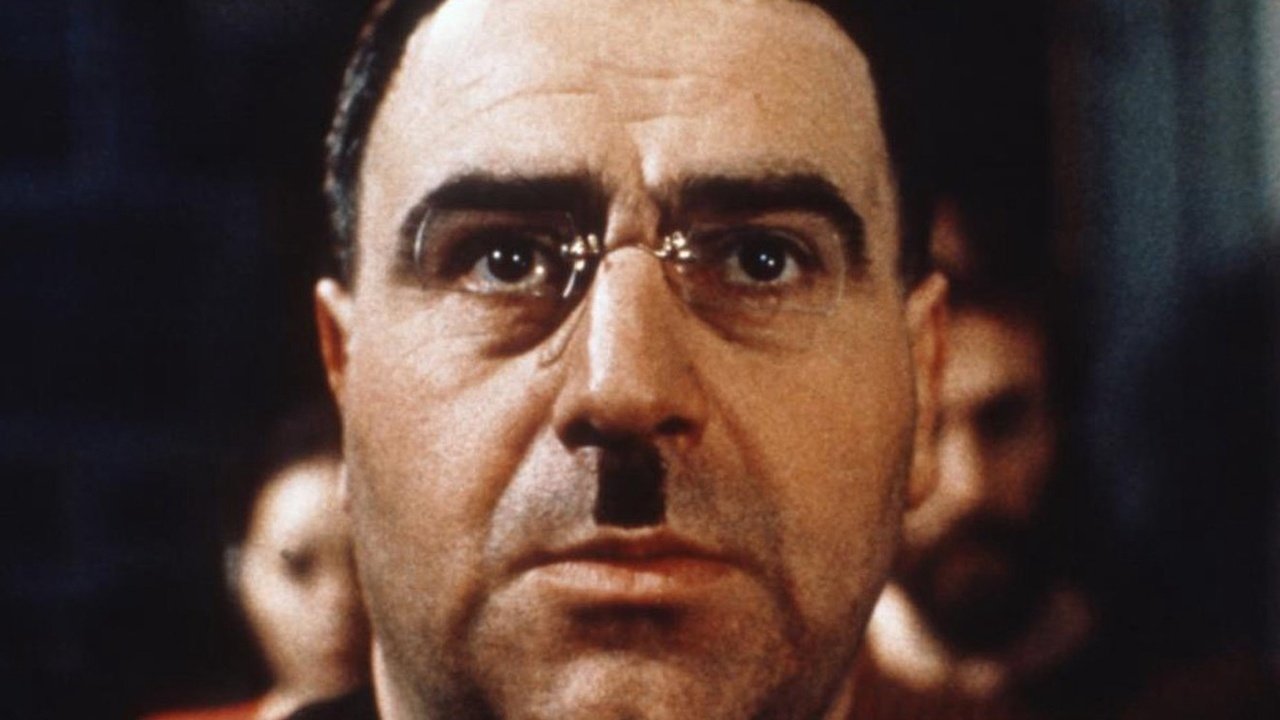
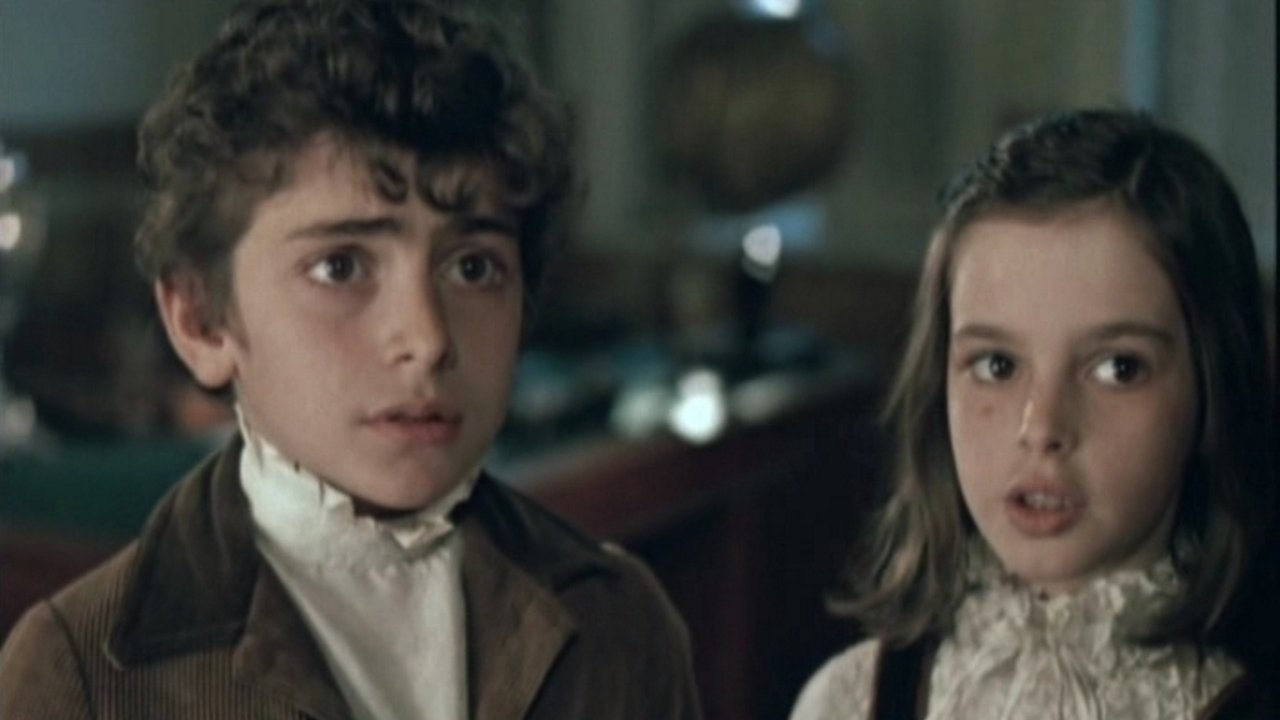
Set in a timeless, slightly surreal Georgian town, Repentance unfolds after the death of Varlam Aravidze (Avtandil Makharadze), a man publicly celebrated but privately despised for his tyrannical reign, clearly evocative of Stalinist terror (though blending features of other dictators like Mussolini and Beria). When his body is repeatedly exhumed by the determined Ketevan Barateli (Zeinab Botsvadze), whose family Varlam destroyed, the ensuing trial forces the town – and Varlam's descendants, particularly his conflicted son Abel (also Makharadze) and grandson Tornike (Merab Ninidze, later seen in films like Bridge of Spies) – to confront the horrors Varlam perpetrated. The film doesn't just recount history; it stages a profound, often dreamlike reckoning with its lingering trauma.

Beyond Simple Narrative
What makes Repentance so potent is Abuladze's masterful direction. He avoids straightforward realism, instead opting for a style that blends historical gravity with moments of biting satire and unsettling surrealism. Characters break into opera, scenes shift abruptly between past and present, and the production design feels deliberately anachronistic. This isn't confusion; it's a sophisticated cinematic language suggesting that the legacy of such profound trauma warps reality itself, bleeding across generations and defying easy categorization. It forces us, the viewers, to question how societies process – or fail to process – collective guilt and memory. Doesn't the past always find ways to intrude upon the present if left unaddressed?
The Face of Tyranny, The Burden of Legacy

Central to the film's power is the astonishing dual performance by Avtandil Makharadze. As Varlam, he embodies charismatic evil – charming one moment, monstrous the next, a chilling portrait of absolute power corrupting absolutely. His physical resemblance to Beria, Stalin's notorious secret police chief, was surely not lost on Soviet audiences. Yet, as Varlam’s son Abel, Makharadze conveys the suffocating weight of denial, the desperate attempt to reconcile the public image of his father with the monstrous truth Ketevan forces him to see. It’s a tour-de-force, capturing both the perpetrator's chilling confidence and the inheritor's anguished conflict. Zeinab Botsvadze as Ketevan is equally compelling, her quiet dignity and unwavering resolve providing the film's moral anchor. Her performance isn’t one of histrionics, but of profound, bone-deep grief transformed into righteous action. You feel the immense personal cost of her protest in every frame.
A Thaw in the Freeze (Retro Fun Facts)
Understanding Repentance's impact requires knowing its context. Filmed in Georgia in 1984, it was shelved by Soviet censors, deemed far too dangerous in its critique of totalitarianism. It only saw release in 1987, becoming a key cultural event of Mikhail Gorbachev's Glasnost era. Suddenly, a film that spoke allegorically but powerfully about the Stalinist purges – a subject long suppressed – was playing to packed houses across the Soviet Union. Imagine the queues, the hushed discussions afterwards! This wasn't just a movie; it was a societal catharsis, a sign that buried truths were finally being unearthed. Its bravery was recognized internationally, too, winning the Grand Prix at the 1987 Cannes Film Festival. Director Tengiz Abuladze, who had previously made acclaimed films like The Plea (1967) and The Wishing Tree (1976), cemented his legacy with this courageous act of cinematic defiance. The fact that it used allegory, framing Varlam as a composite figure rather than explicitly Stalin, was likely a key factor in it eventually navigating the complex censorship landscape.
Encountering Darkness on Magnetic Tape
I distinctly remember the feel of the Repentance VHS tape – often found in the 'World Cinema' or 'Art House' section of the better video stores, a stark contrast to the colourful boxes promising explosions or laughs. Watching it on a fuzzy CRT screen felt almost illicit, like peering through a crack in the wall at a hidden, vital conversation. It was the kind of film that reminded you of the sheer power of the medium, its ability to transport you not just to other places, but into complex moral and historical landscapes far removed from everyday life in the West. It demanded attention, provoked thought, and lingered long after the VCR clicked off.
Rating: 9/10
Repentance is a demanding but profoundly rewarding film. Its allegorical depth, powerful performances (especially Makharadze's stunning dual role), and courageous confrontation with historical trauma make it a landmark of Soviet cinema and a timeless statement against tyranny. The 9 rating reflects its artistic brilliance, historical significance, and enduring emotional impact, docked only slightly perhaps for a pacing that occasionally feels deliberate to the point of challenging modern attention spans, though this arguably serves its meditative purpose.
It leaves you pondering a question posed within the film itself, when a woman asks if a particular street leads to the church: "This is Varlam Street," comes the reply. "This road does not lead to a church." What happens, the film asks, when a society builds its foundations on streets named after tyrants, refusing the path towards true atonement? A question as relevant today as it was in 1987.