Sometimes, a film arrives with such quiet grace that its emotional resonance sneaks up on you, lingering long after the VCR whirred to a stop and the tape ejected. Kolya (1996) was precisely that kind of experience for many of us browsing the 'Foreign Films' shelf at the local video store, perhaps drawn in by the buzz of its unexpected Oscar win. It wasn't explosive or action-packed; instead, it offered something far rarer – a deeply felt story about connection found in the most unlikely of circumstances, set against the poignant backdrop of a fading political era.
An Arrangement, An Arrival
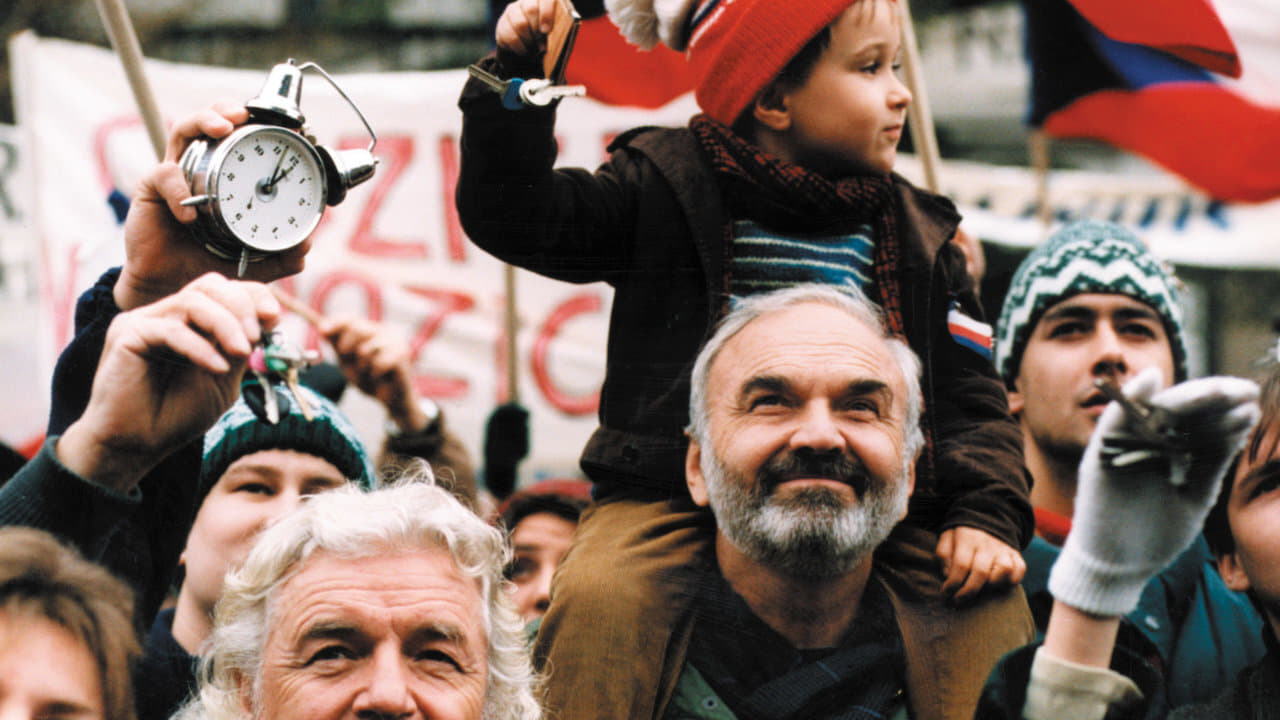
The film introduces us to František Louka, played with magnificent world-weariness by Zdeněk Svěrák (who also penned the screenplay, based on a story by Pavel Taussig). Louka is a talented cellist in late 1980s Prague, professionally sidelined by the Communist authorities, making ends meet playing at funerals and restoring headstones. He's a confirmed bachelor, enjoying his carefully curated solitude and romantic dalliances. To solve his financial woes, he agrees to a sham marriage with a young Russian woman seeking Czech citizenship. It seems a simple transaction until she emigrates to West Germany, leaving behind her five-year-old son, Kolya (Andrey Khalimon), who speaks no Czech. Suddenly, Louka, the perennial loner, finds himself the reluctant guardian of a bewildered Russian child, just as Czechoslovakia itself teeters on the brink of monumental change.
The Heart of the Matter
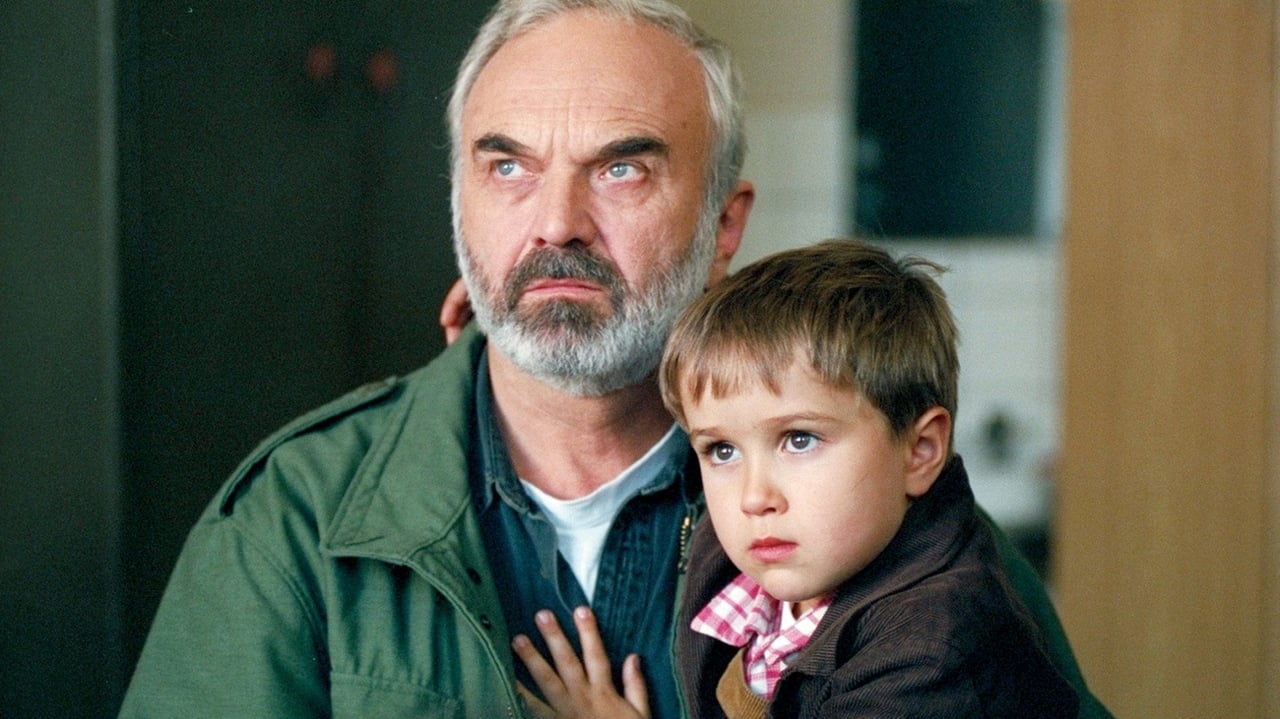
What unfolds is pure cinematic alchemy. The heart of Kolya beats within the evolving relationship between Louka and the titular boy. Zdeněk Svěrák delivers a masterclass in understated performance. His Louka isn't instantly transformed into a doting father figure; the transition is gradual, earned, fraught with frustration, miscommunication, and moments of profound, unexpected tenderness. We see his carefully constructed life disrupted, his patience tested, and ultimately, his hardened heart soften. It’s a performance built on subtle gestures, exasperated sighs that melt into protective glances, and the slow dawning of responsibility and affection.
Equally remarkable is young Andrey Khalimon as Kolya. Child performances can be tricky, but Khalimon is utterly natural, conveying confusion, fear, burgeoning trust, and childlike resilience often without needing dialogue we (or Louka) can understand. Director Jan Svěrák (Zdeněk's son, making this a true family affair) guides these central performances with incredible sensitivity. A fascinating piece of behind-the-scenes reality is that Khalimon, a Russian speaker, initially knew no Czech. Much of the early communication on set between the young actor and his director mirrored the film's narrative – relying on gestures, tone, and simple commands, adding another layer of authenticity to the boy's portrayal of displacement and gradual adaptation.
Prague Spring, Autumn Chill
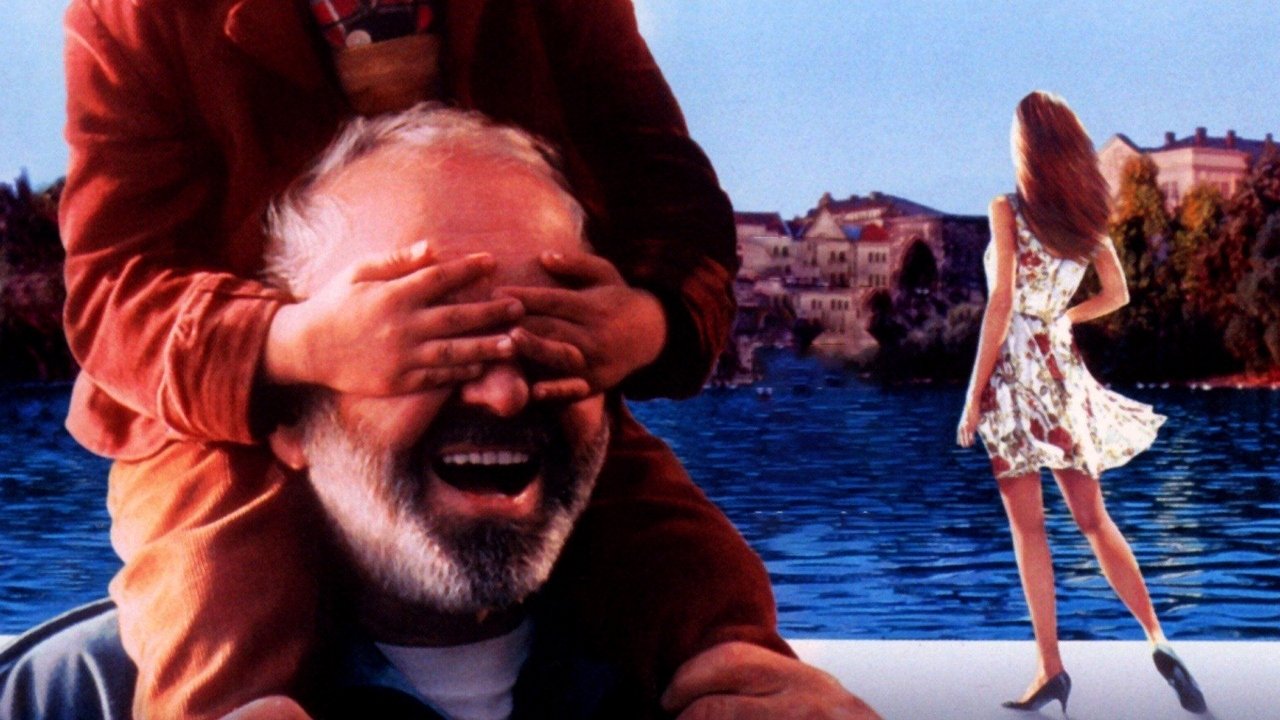

The film is beautifully shot, capturing Prague not just as a picturesque backdrop, but as a city holding its breath. We feel the grey chill of the late Communist era, the hushed conversations, the undercurrent of surveillance and political tension. Yet, Jan Svěrák also finds warmth and beauty – in the music Louka plays, in the cozy interiors, and in the stunning cityscapes that seem to foreshadow the coming freedom of the Velvet Revolution, which gently unfurls in the film's latter stages. The score by Ondřej Soukup is perfectly attuned to the film's emotional landscape, moving from melancholic strings to moments of tentative hope.
Supporting characters enrich the tapestry, notably the luminous Libuše Šafránková (forever beloved from the fairytale classic Tři oříšky pro Popelku / Three Wishes for Cinderella) as Klára, a married singer with whom Louka shares a complex relationship. Her presence highlights Louka's pre-Kolya life and the emotional complexities he navigates even as his world is turned upside down.
A Quiet Triumph
Kolya wasn't made with blockbuster ambitions. Reportedly produced on a modest budget (around $1.2 million USD), its journey was remarkable. It charmed audiences worldwide, culminating in that Best Foreign Language Film Oscar win at the 69th Academy Awards. It was a significant moment, showcasing the resurgent power of Czech cinema after decades of political constraints. Its global box office exceeded $20 million, a testament to its universal themes resonating far beyond its specific setting. For many viewers discovering it on VHS, Kolya felt like a precious find – proof that powerful stories didn't always need spectacle, just honesty and heart. It subtly asks us, doesn't it, how responsibility can reshape a life, and how connection can bloom even across barriers of language, age, and politics?
The film doesn't shy away from the difficulties – the language barrier is a constant source of both frustration and gentle humor, the political realities cast long shadows, and Louka’s personal sacrifices are palpable. Yet, its prevailing spirit is one of optimism and humanism. It suggests that even in cynical times, bridges can be built, and love can manifest in the most unexpected forms.
Rating: 9/10
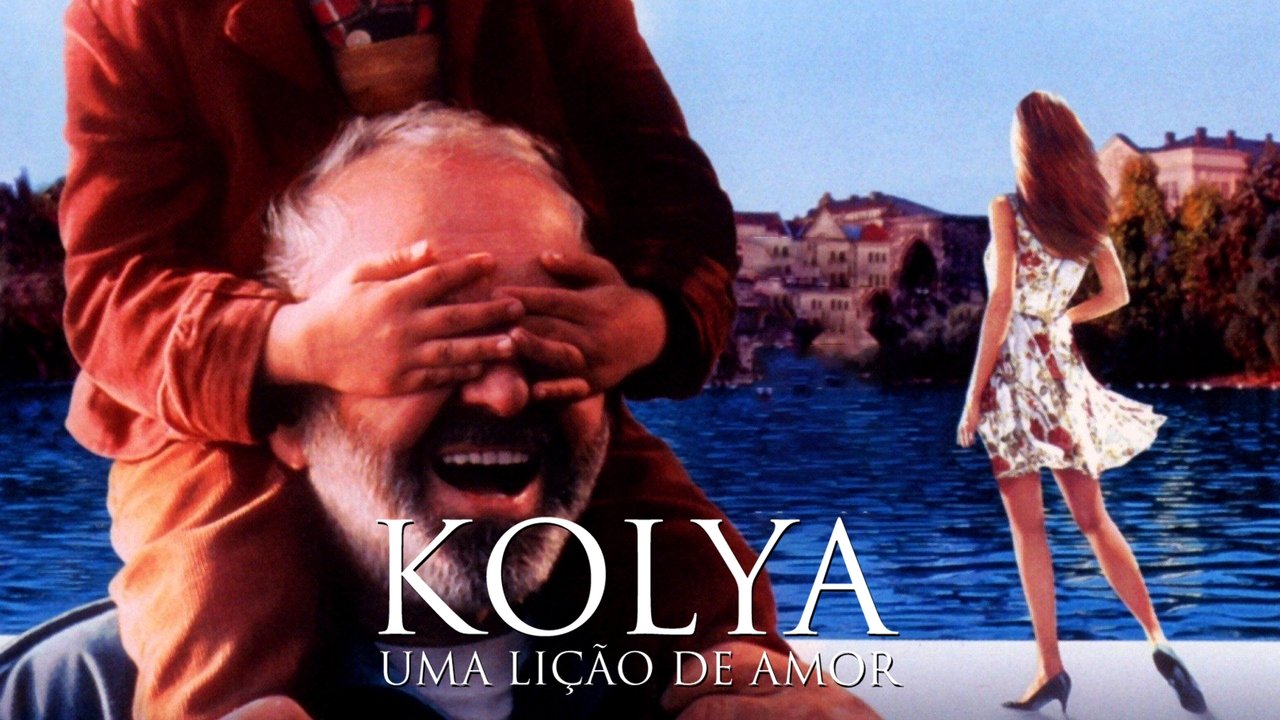
This score reflects the film's masterful blend of poignant drama and gentle humor, anchored by superb performances, especially from the central duo. Zdeněk Svěrák's script and performance are perfectly complemented by his son Jan Svěrák's sensitive direction. The film captures a specific historical moment with grace while telling a timeless story of human connection. Its success, both critical and commercial, felt entirely earned, solidifying its place as a standout foreign language film of the 90s, often discovered and cherished via the magic of the VHS tape.
Kolya remains a deeply moving and quietly profound film, a reminder that sometimes the greatest upheavals in our lives arrive not with a bang, but with the quiet, insistent presence of a small child needing care. What lingers most is the enduring warmth of its central relationship, a small beacon of humanity against the vast canvas of history.