Okay, let's dim the lights, maybe pour something strong, because the tape we're sliding into the VCR today isn't your usual comfort viewing. It’s a film that arrived like a jolt at the tail end of the 90s, challenging pretty much everything we thought we knew about cinematic politeness. I’m talking about Lars von Trier's 1998 provocation, The Idiots (Idioterne). Remember the stir around the Dogme 95 movement? That manifesto demanding stripped-down filmmaking – handheld cameras, natural light, no props brought to set? The Idiots was Dogme #2, and it didn't just follow the rules; it weaponized them.

A Commune of Chaos
The premise itself is designed to unsettle. A group of educated, middle-class adults forms a commune of sorts in a large house outside Copenhagen. Their central activity? "Spassing" – deliberately acting in public as if they have severe developmental disabilities, seeking their "inner idiot" as a form of rebellion against bourgeois conformity. Led by the charismatic but vaguely menacing Stoffer (Jens Albinus), they invade restaurants, factories, and family gatherings, pushing boundaries and observing the awkward, often pitying reactions of those around them. It’s a concept that immediately forces uncomfortable questions: Is this a valid form of social critique, a childish prank, or something deeply exploitative?
Through Karen's Eyes
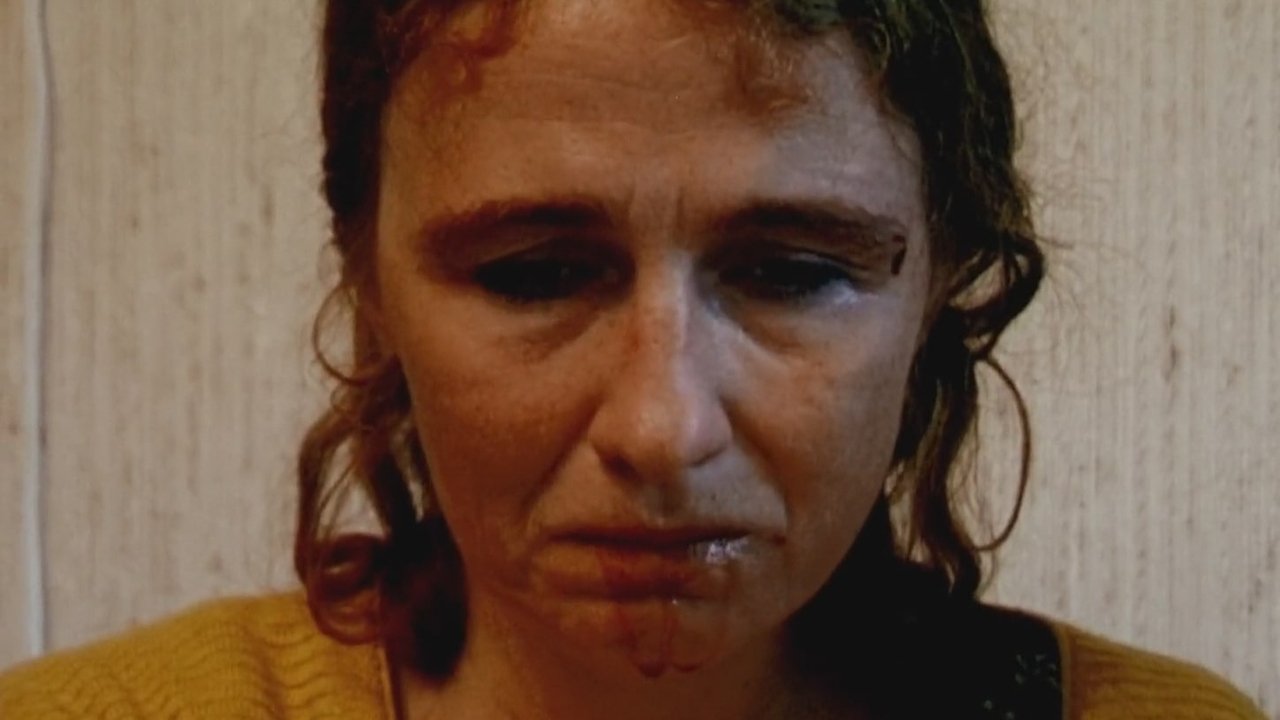
We experience much of this through Karen (Bodil Jørgensen), a quiet, lonely woman who stumbles upon the group by chance and gets drawn into their world. Her initial shock gradually morphs into a complex mix of curiosity and tentative participation. Jørgensen’s performance is the film's fragile, beating heart. Her face registers every flicker of doubt, empathy, and dawning realization. It’s through her journey that von Trier allows us a potential way into understanding – or at least questioning – the group's extreme methods. What void are they trying to fill? And what does Karen's eventual willingness to test the group's philosophy back in her own 'normal' life reveal about the pressures she faces? Her vulnerability provides a crucial counterpoint to the often abrasive antics of the core group.
Dogme 95: Raw and Unfiltered
The Dogme 95 aesthetic isn't just a stylistic choice here; it's integral to the film's impact. Shot on handheld digital video (specifically, the Sony DCR-VX1000, a prosumer camera that helped define the Dogme look), the film feels intensely immediate, almost like found footage. There’s no score, only diegetic sound. The lighting is often harsh, the framing unsteady. This rawness mirrors the group's own rejection of societal polish. It denies us the usual comforts of cinematic distance, forcing us right into the middle of their confrontational experiments. You can almost feel the awkwardness radiating off the screen during their public "spassing" excursions. Von Trier, who also served as cinematographer (though uncredited per Dogme rules), deliberately keeps things rough, ensuring we can't easily dismiss what we're seeing.
Controversy and Commitment
Of course, you can't discuss The Idiots without acknowledging its most controversial element: a scene involving unsimulated sex. It caused uproar at its Cannes Film Festival premiere in 1998, leading to censorship in several countries and versions with black bars or blurred sections appearing on some home video releases. Von Trier argued it was essential to the film's exploration of boundaries and the group's commitment to breaking taboos. Whether one agrees or not, the scene undeniably cemented the film's reputation as confrontational art. It speaks volumes about the commitment of the actors, including Jens Albinus, Anne Louise Hassing, and Troels Lyby, who threw themselves into physically and emotionally demanding roles with a lack of vanity that feels inseparable from the Dogme ethos. Their willingness to embrace the ugliness and the discomfort is palpable.
Retro Fun Facts & Lasting Questions
Digging into the production reveals the intensity behind the scenes. Von Trier reportedly fostered a similarly communal, sometimes volatile atmosphere amongst the cast and crew to mirror the film's dynamic. The actors lived together during the shoot, blurring the lines between performance and reality in a way that resonates with the film's themes. While the Dogme 95 movement itself eventually dissolved, its influence on low-budget, reality-based filmmaking lingered. The Idiots remains one of its most potent, divisive examples. Did it succeed as a critique of societal hypocrisy, or did it merely trade one form of bad faith for another? Watching it again now, decades later, the questions feel just as urgent, perhaps even more so in our hyper-performative modern age. What does genuine authenticity look like, and how far is too far in the pursuit of it?
---
Rating: 7/10
The Idiots is by no means an easy watch. It's designed to provoke, to make you squirm, to question your own reactions. The Dogme 95 style, while revolutionary for its time, can feel grating, and the subject matter remains deeply uncomfortable. However, the raw power of the performances, particularly Bodil Jørgensen's, and the film's unflinching commitment to its challenging premise make it a significant, unforgettable piece of late-90s cinema. It earns a 7 not necessarily for enjoyment in the conventional sense, but for its audacity, its lasting impact, and the vital, uncomfortable questions it refuses to let us ignore.
It’s one of those tapes you might not pull off the shelf often, but its echoes linger long after the screen goes dark, forcing a reflection few other films dare to demand.