It begins not with a destination, but with a dissonance. Two brothers, separated by years, circumstance, and vastly different ways of experiencing the world, thrust together by the fine print of a will. That's the simple premise of Rain Man, but the journey it sparks across the American landscape—and deep within the human heart—is anything but simple. Watching it again, decades after its initial release crowded video store shelves, the film retains a quiet power, a testament to performances that transcend mimicry and a story that asks profound questions about connection itself.
An Unexpected Inheritance
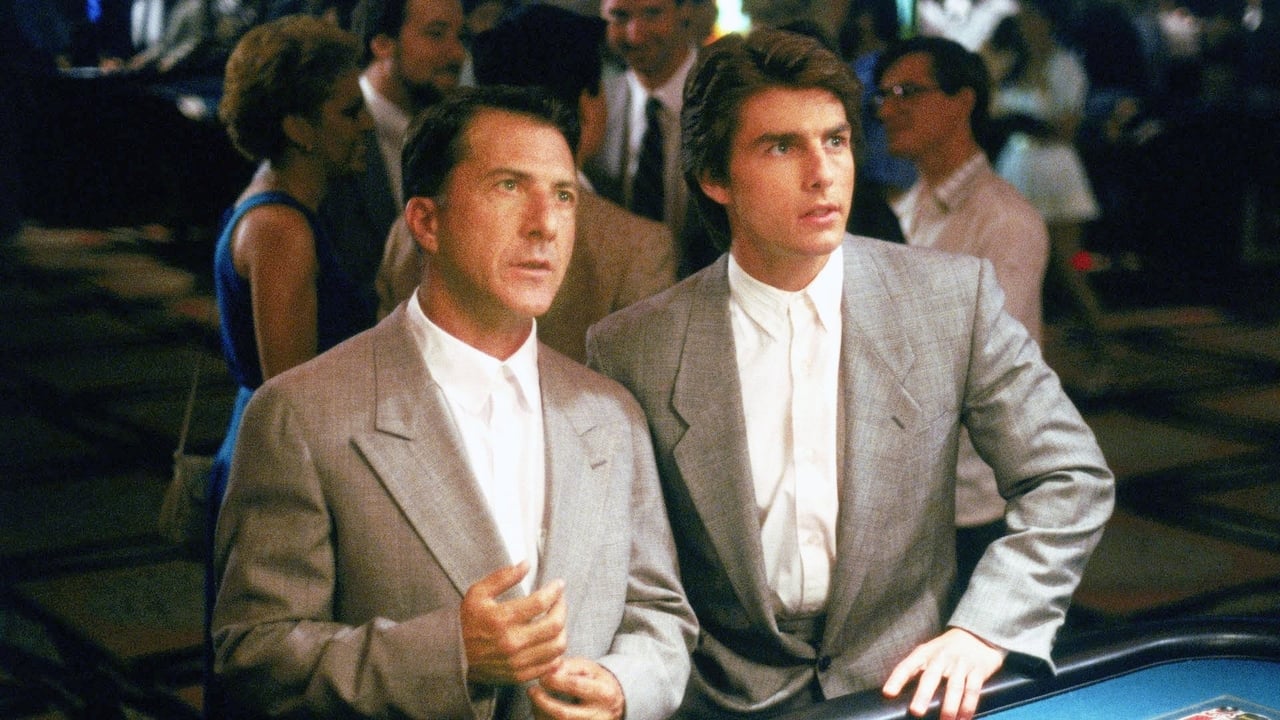
We meet Charlie Babbitt (Tom Cruise, then radiating the cocky energy honed in films like Top Gun (1986)) as a fast-talking, self-absorbed Los Angeles hustler on the brink of financial ruin. News of his estranged father's death sends him back to Cincinnati, not for mourning, but for the expected inheritance. What he finds instead is the bulk of the $3 million estate left in trust to Raymond (Dustin Hoffman), the autistic savant brother Charlie never knew existed, institutionalized for most of his life. Charlie's initial reaction is pure opportunism: kidnap Raymond, take him back to L.A., and leverage custody for half the fortune. What unfolds is an impromptu cross-country road trip, necessitated by Raymond's debilitating fear of flying, forcing these two disparate souls into the claustrophobic intimacy of a 1949 Buick Roadmaster convertible.
Beyond Mannerisms: A Study in Being
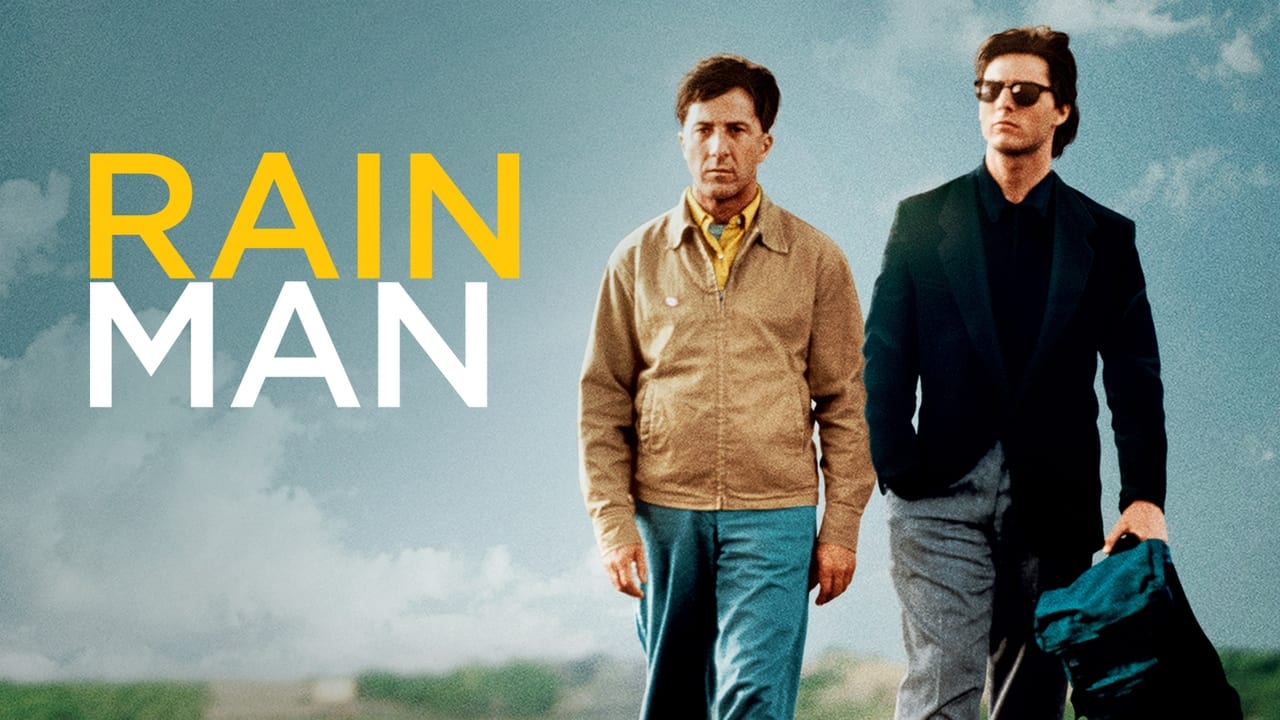
So much ink was spilled, deservedly so, over Dustin Hoffman's portrayal of Raymond. It's a performance that swept the awards circuit, including a Best Actor Oscar, and became instantly iconic. But revisiting it now, what's striking isn't just the meticulous adoption of autistic traits – the averted gaze, the rigid adherence to routine (" Wapner at 4," "definite toothpicks"), the anxiety triggered by change, the stunning flashes of numerical genius. It's the profound humanity Hoffman finds within those parameters. He spent extensive time researching, notably observing Kim Peek, the remarkable savant who partly inspired the character, along with others like Peter Guthrie. This wasn't just imitation; Hoffman seems to inhabit Raymond's distinct reality, conveying his internal world not through exposition, but through subtle reactions, vocal cadences, and moments of unfiltered emotion – frustration, contentment, fear. It’s a performance that demanded immense focus, with reports suggesting Hoffman often remained largely in character between takes to maintain Raymond's specific headspace. Does it perfectly represent the entire spectrum of autism? No single portrayal could. But as a depiction of this specific character, it feels breathtakingly authentic and deeply empathetic.
The Slow Thaw of Charlie Babbitt
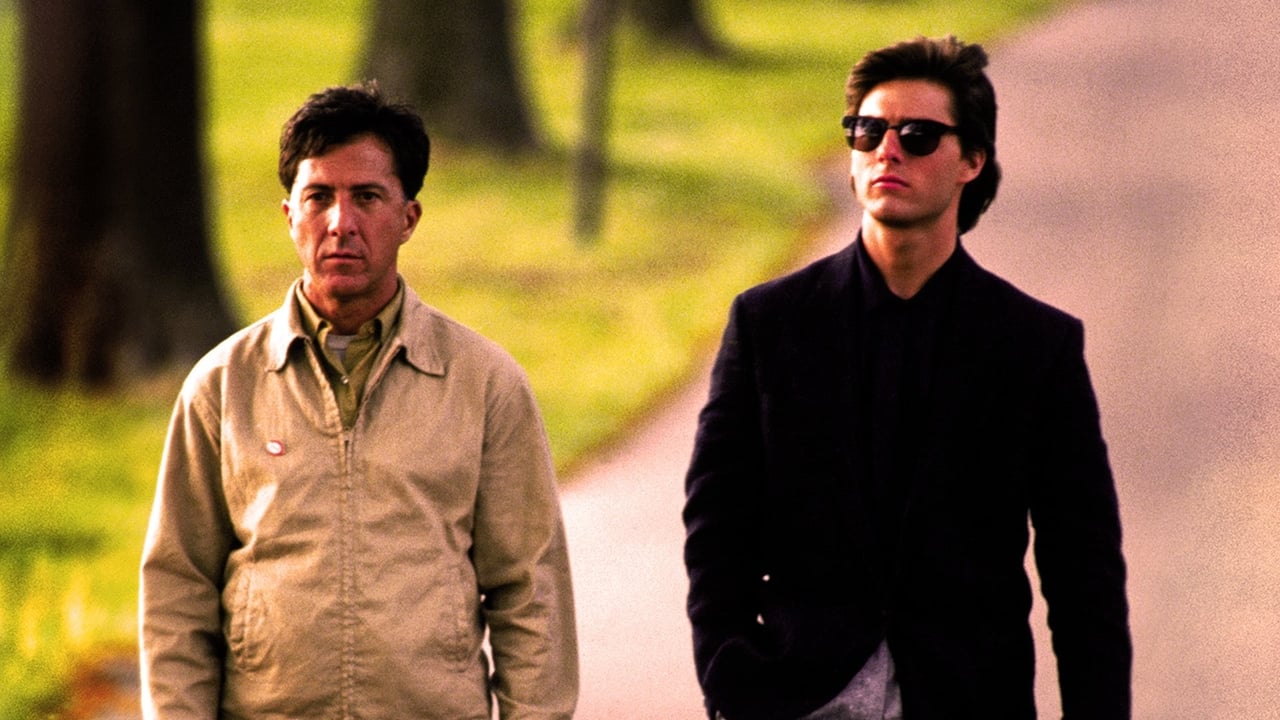
Equally crucial, though perhaps less overtly dazzling, is Tom Cruise's work as Charlie. He starts as almost aggressively unlikeable, a character whose selfishness feels utterly genuine. The brilliance lies in the gradual, almost imperceptible thawing. It’s not a sudden epiphany, but a slow burn fueled by proximity, frustration, shared moments (the casino scene remains a standout), and the dawning realization that Raymond, in his own unique way, possesses a history intertwined with Charlie's own painful past (the "Rain Man" reveal is beautifully understated). Cruise charts this evolution convincingly, moving from exasperation and manipulation towards a grudging, then growing, protective tenderness. His journey is the audience's journey. We start seeing Raymond through Charlie's initially cynical eyes, and slowly, alongside him, begin to understand and appreciate the man behind the routines. Valeria Golino as Charlie's girlfriend, Susanna, provides the essential conscience and warmth, often acting as the bridge between the brothers and voicing the ethical questions Charlie initially ignores.

Crafting Connection on the Road
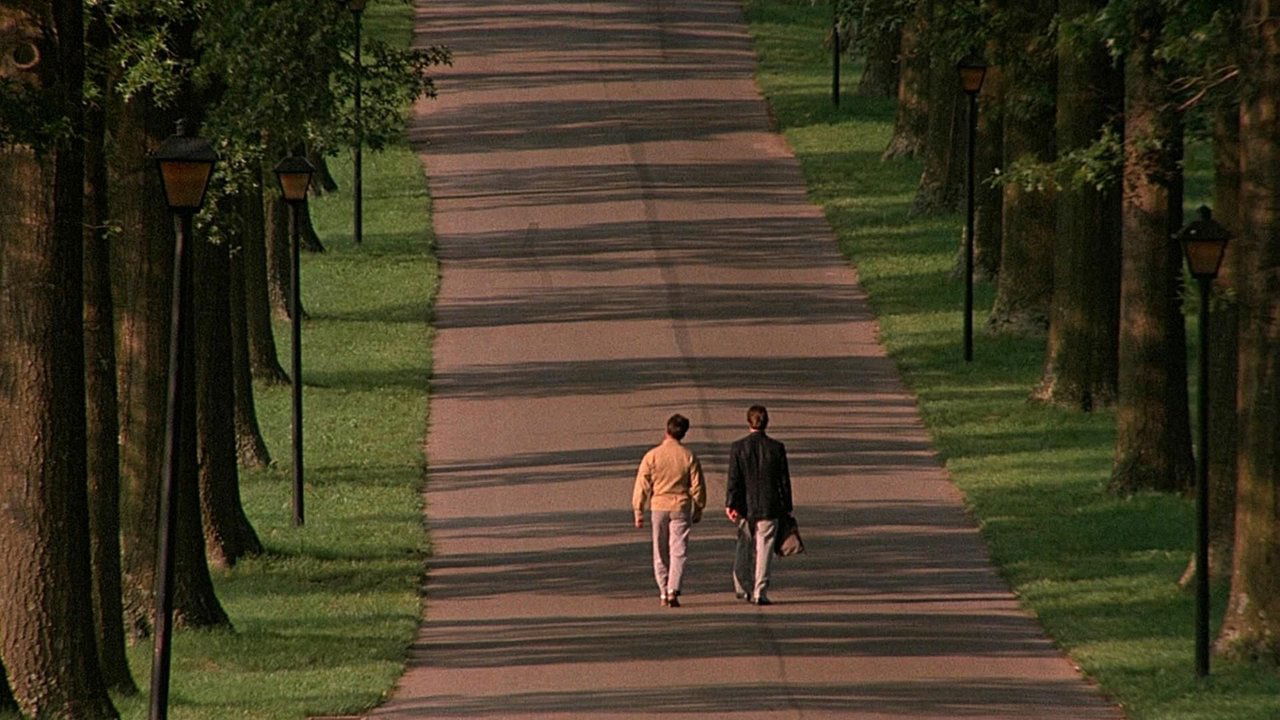
Director Barry Levinson, who stepped in after a revolving door of potential directors (including Spielberg and Pollack), brings a steady, unobtrusive hand to the material. He wisely keeps the focus squarely on the characters. The film avoids flashy directorial flourishes, instead allowing the performances and the evolving dynamic between the brothers to drive the narrative. The cinematography captures the vastness and sometimes the lonely beauty of the American landscape, mirroring the emotional distance the brothers must traverse. And who can forget Hans Zimmer's score? One of his earlier major Hollywood works, its distinctive, rhythmic synth-pop sound might feel distinctly '80s now, but it perfectly underscores the film's mood – the blend of Raymond's structured world, the momentum of the journey, and the underlying emotional currents. It’s a score that became almost as recognizable as the film itself. It's fascinating to think this character-driven drama, penned by Barry Morrow (inspired by his friend Kim Peek) and polished by Ronald Bass, became the highest-grossing film of 1988 ($354.8 million worldwide against a $25 million budget) and swept the major Oscars (Picture, Director, Actor, Original Screenplay). It clearly struck a deep chord.
Legacy and Questions
Rain Man wasn't just a movie; it was a cultural event. It brought autism, particularly the savant aspect, into the mainstream consciousness in an unprecedented way. While this raised awareness, it also sometimes led to simplified or stereotyped understandings of a complex condition. Yet, the film's core message transcends any clinical specifics. It's about the hard work of empathy, the challenge of loving someone fundamentally different from yourself, and the unexpected places we find connection. I remember renting this on VHS, the weight of its Oscar prestige palpable even on the small CRT screen. It felt important then, and its central questions still resonate. What responsibilities do we have to family, even family we don't understand? How do we measure the value of a life that doesn't conform to conventional standards?
***
Rating: 9/10
This score reflects the film's undeniable power, anchored by Dustin Hoffman's legendary, deeply researched performance and Tom Cruise's perfectly pitched character arc. Barry Levinson's sensitive direction, the resonant script, and its lasting cultural impact solidify its place as a landmark film of the 80s. While discussions around autism have evolved, the film's core exploration of empathy, patience, and the unexpected pathways to human connection remains profoundly moving and skillfully executed.
It leaves you pondering not just the miles traveled in that classic Buick, but the immeasurable journey required to truly see and accept another person, complexities and all.