There are certain performances that arrive like a thunderclap, announcing not just a new talent, but a force of nature demanding attention. Watching Wish You Were Here again, after pulling that familiar rectangular shape from its worn sleeve, brings it all flooding back. It wasn't just a film; it was the arrival of Emily Lloyd, burning brighter than a seaside pier light against the often-grey backdrop of late 80s British cinema.
### A Postcard from the Edge of Rebellion
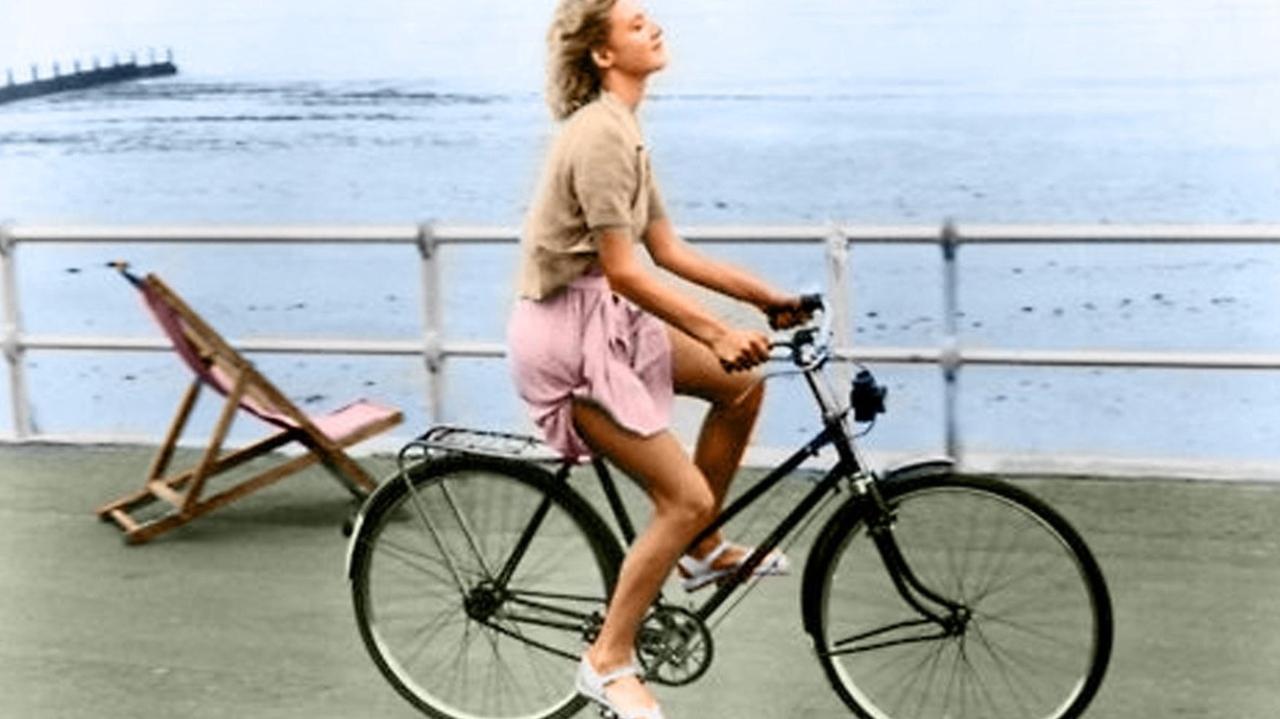
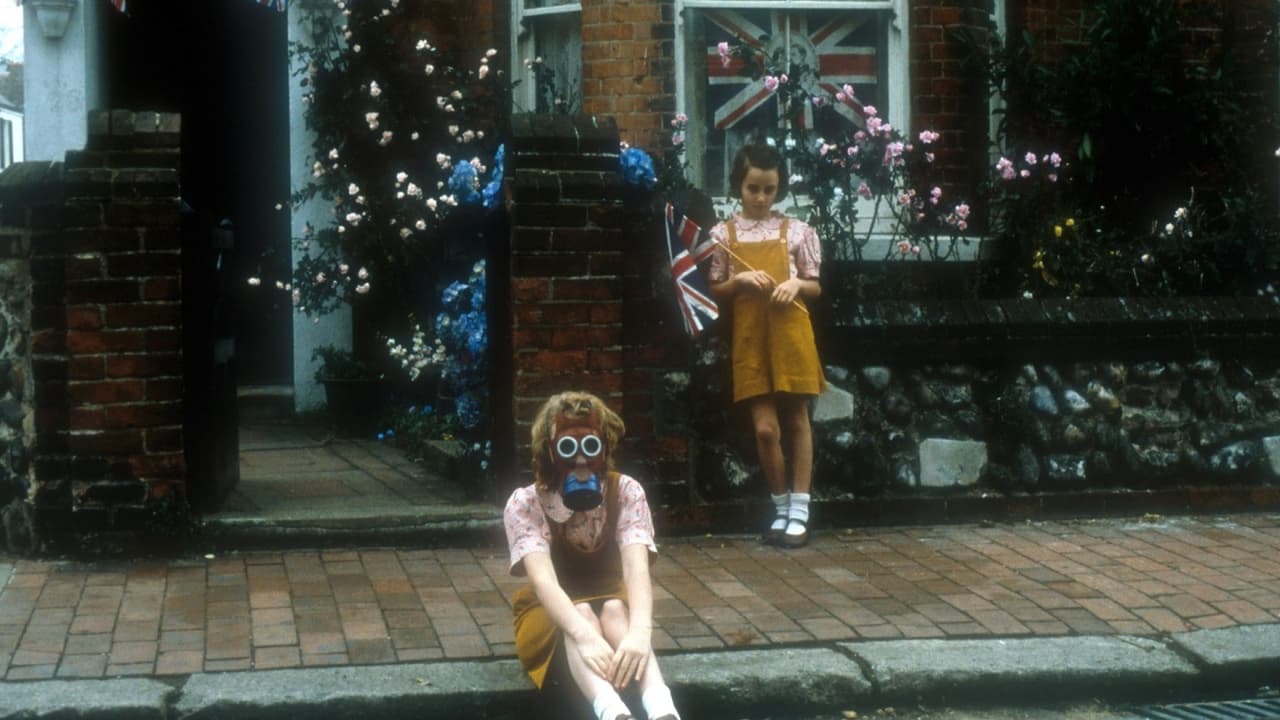
The film, David Leland's directorial debut (though many knew his sharp writing from the brilliant Mona Lisa the year before), transports us to a buttoned-up English coastal town in 1951. But this isn't a cosy nostalgia trip. Through the eyes of 16-year-old Lynda Mansell, Leland paints a portrait of simmering frustration and defiant adolescence that feels remarkably raw, even today. Lynda, loosely inspired by the early life of the infamous madam Cynthia Payne (whose later life Leland also chronicled in Personal Services, released the same year!), is a whirlwind of burgeoning sexuality, unfiltered language, and a refusal to conform to the suffocating expectations of post-war propriety. Remember that cheeky promotional tagline? "Before Madonna... Before Pee-wee Herman... there was Lynda." It perfectly captured her provocative spirit.
### The Unforgettable Arrival of Emily Lloyd
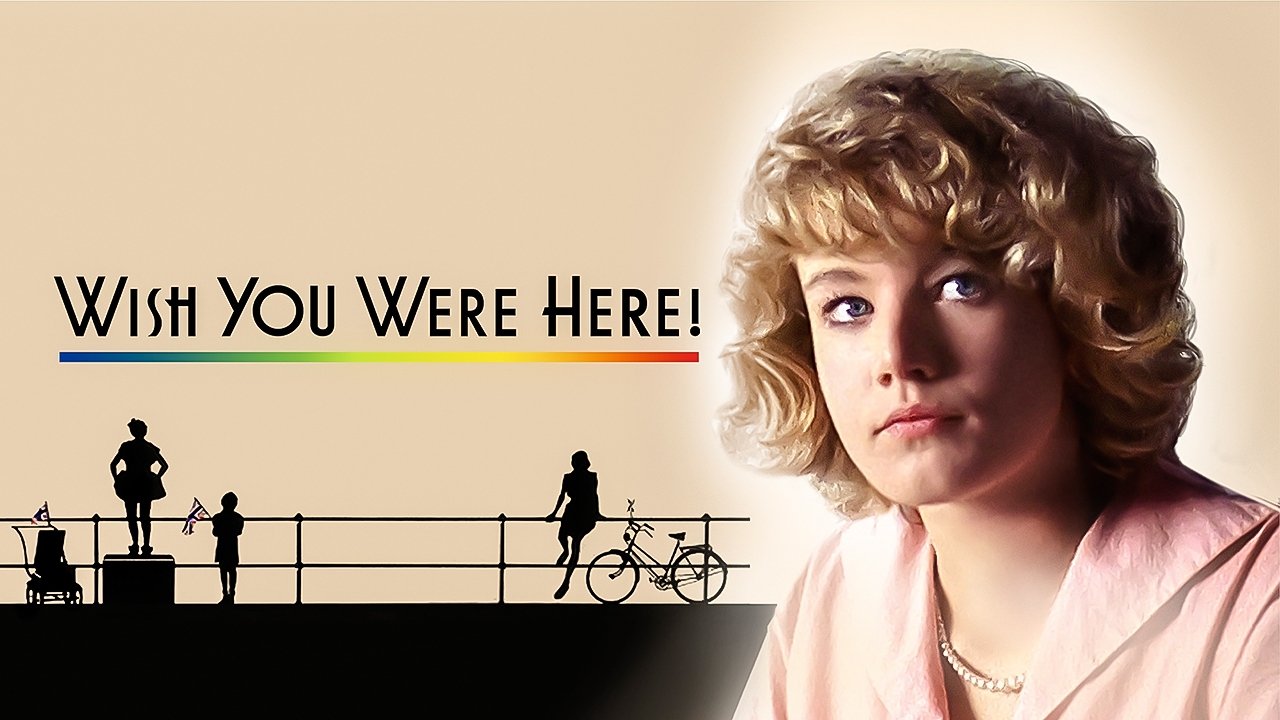
Let's be clear: Wish You Were Here is Emily Lloyd. Only 16 herself during filming, having reportedly beaten hundreds of other hopefuls for the role, her performance isn't just acting; it's an incandescent explosion of charisma, vulnerability, and sheer nerve. Lynda swears, she flashes, she asks deeply uncomfortable questions, she rides her bicycle with reckless abandon – often literally and metaphorically flipping the bird at the stifling world around her. What makes it so compelling isn't just the shock value (though there's plenty of that, often delivered with deadpan humour), but the aching loneliness beneath the bravado. Lloyd captures Lynda's confusion and hurt as keenly as her defiance. We see a young woman testing boundaries, desperate for connection and understanding in a world that mostly offers judgement or leering interest. It’s a performance brimming with authenticity, earning Lloyd a BAFTA nomination and Best Actress awards from the National Society of Film Critics and the Evening Standard British Film Awards – a remarkable feat for a debut.
### Capturing an Era, Questioning Its Morals
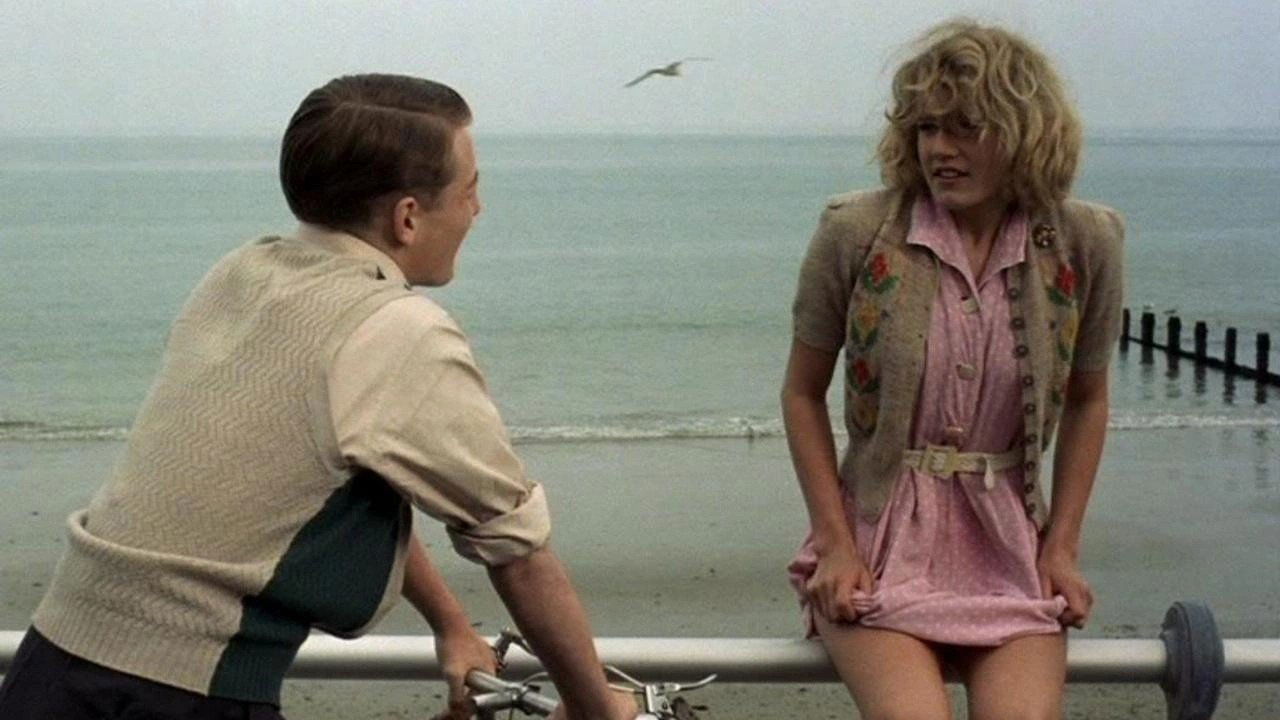
David Leland directs with a straightforward, unfussy style that lets the performances breathe and the period details subtly emerge. He doesn't shy away from the ugliness – the casual misogyny, the hypocrisy, the suffocating atmosphere Lynda rails against. Filmed on location in Worthing and Bognor Regis on the Sussex coast, the film effectively contrasts the dreary, buttoned-down environment with Lynda’s vibrant, rebellious energy. There's a palpable sense of place, the salt-laced air almost mingling with the scent of disapproval that follows Lynda everywhere. Tom Bell, as Lynda’s emotionally scarred and bewildered father, provides a poignant counterpoint – a man damaged by war, unable to comprehend or connect with his daughter's turbulent inner life. Their scenes together are often heartbreaking, underscoring the generational gulf and the unspoken pain lingering beneath the surface of polite society.
### More Than Just Shock Value
While the film certainly garnered attention, and perhaps a few tuts, for its frankness back in '87, reducing it to mere provocation misses the point. It asks uncomfortable questions about female agency, societal constraints, and the often-hypocritical ways sexuality was (and perhaps still is) viewed. What happens when a young woman openly embraces desires society tells her she shouldn't have? Lynda’s journey is often clumsy, sometimes painful, but always defiantly hers. Leland, drawing from Payne’s real-life youthful experiences, crafts a narrative that feels both specific to its time and strangely timeless in its exploration of adolescent rebellion against conformity. It’s a character study wrapped in social commentary, delivered with a surprisingly light touch at times, finding humour in the absurdity of Lynda’s predicaments without ever mocking her spirit.
### The Echoes on the Shelf
Finding Wish You Were Here nestled between the action blockbusters and glossy comedies on the video store shelf felt like discovering a hidden gem back in the day. It was different – sharper, sadder, funnier, and undeniably British in a way that felt both exotic and familiar. It wasn't always an easy watch, but it stuck with you, largely thanks to that firecracker performance at its heart. Seeing Emily Lloyd explode onto the scene felt significant, even if her subsequent Hollywood career didn't quite maintain that initial trajectory. The film itself remains a potent snapshot of a particular time and place, but more importantly, a testament to the enduring power of a character who simply refuses to be ignored. Doesn't that defiant spirit still resonate, challenging us even now?
Rating: 8/10
Justification: While perhaps feeling a touch episodic in structure at times, the film is anchored by one of the truly great debut performances of the 1980s. Emily Lloyd is sensational, capturing Lynda's complex blend of bravado and vulnerability with astonishing honesty. David Leland's direction is assured, balancing the period detail, social commentary, and character study effectively. Its frankness remains impactful, and its central themes of rebellion and societal hypocrisy endure. It’s a vital piece of 80s British cinema that deserves its cult classic status.
Final Thought: Decades later, Lynda Mansell’s defiant shout against the grey conformity of her world still echoes, a reminder that sometimes the most necessary act is simply refusing to be quiet.