Ah, Clash of the Titans. Just hearing the name conjures images – the terrifying slither of Medusa, the majestic flight of Pegasus, and yes, even the slightly goofy whirring of a certain mechanical owl. For many of us growing up in the 80s, this 1981 fantasy epic wasn't just a movie; it was a portal. A portal to a world brimming with vengeful gods, grotesque monsters, and daring heroes, all brought to life by the legendary wizard of stop-motion animation, Ray Harryhausen, in what would sadly be his final feature film. It felt like discovering ancient myths whispered directly into our VCRs.
Gods, Mortals, and Movie Magic
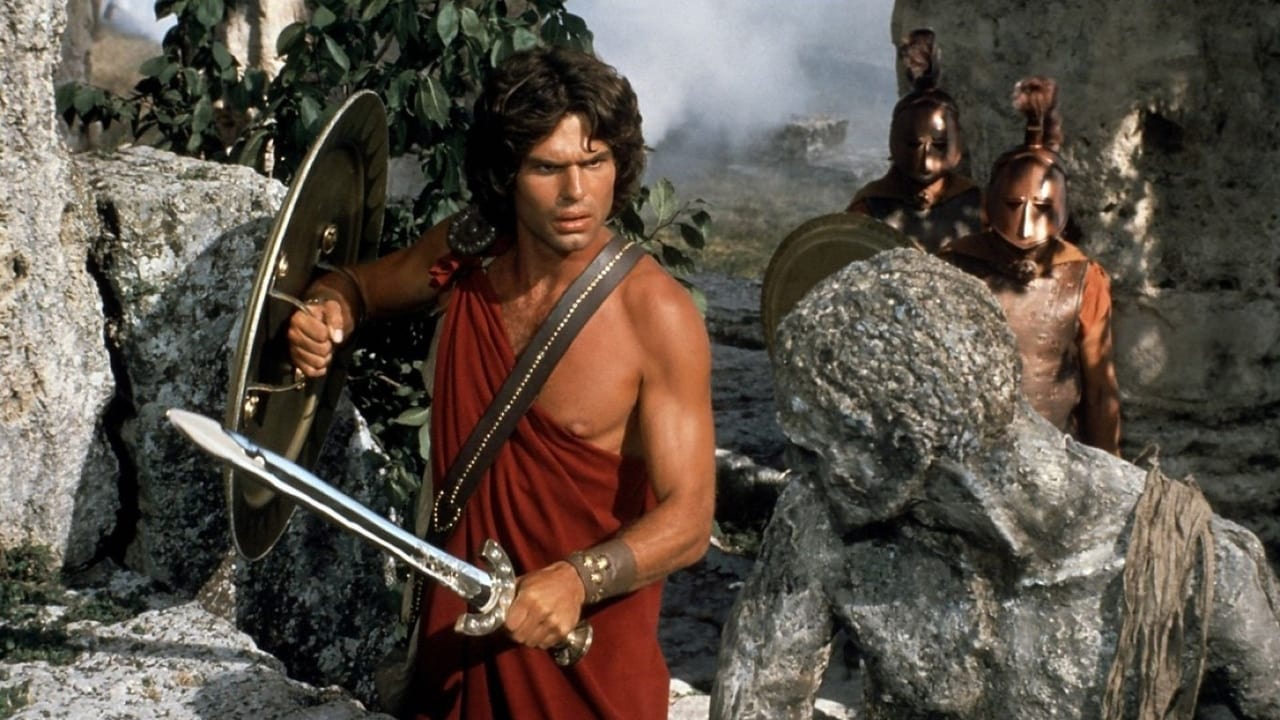
Directed by Desmond Davis, with a script penned by Beverley Cross (who also wrote the screenplay for another Harryhausen classic, Jason and the Argonauts (1963)), Clash of the Titans plunges us headfirst into the turbulent world of Greek mythology, albeit with a healthy dose of Hollywood spectacle. The story follows Perseus (Harry Hamlin), the mortal son of Zeus, King of the Gods (played with booming authority by none other than Sir Laurence Olivier himself). Cast adrift as an infant, Perseus grows up unaware of his divine heritage until destiny – and the manipulations of the gods on Mount Olympus – thrust him into a perilous quest to save the princess Andromeda (Judi Bowker) from the wrath of the sea goddess Thetis (Maggie Smith) and her monstrous offspring, the Kraken.
It's a classic hero's journey, complete with trials, tribulations, and a whole pantheon of meddling deities played by an astonishingly high-caliber cast. Seeing theatrical titans like Olivier, Smith, Claire Bloom (Hera), and Ursula Andress (Aphrodite) decked out in shimmering robes, debating the fate of mortals from their celestial stage, added a layer of gravitas – and perhaps unintentional camp – that is utterly unique to this film. Getting Olivier on board was apparently key; his agreement helped attract the other distinguished actors to the divine ensemble.
A Hero and His Quest
Harry Hamlin, with his earnest gaze and impressive physique (often showcased, as was the style of the era!), makes for a likable, if sometimes slightly stoic, Perseus. He certainly looked the part of the demigod hero. Opposite him, Judi Bowker embodies the innocent fragility of Andromeda, the quintessential damsel in distress awaiting rescue. And who could forget the ever-reliable Burgess Meredith (fresh off his iconic Rocky role as Mickey) lending his gravelly voice and wisdom as Ammon, the playwright and poet who guides Perseus? His presence always added a touch of warmth and familiarity.
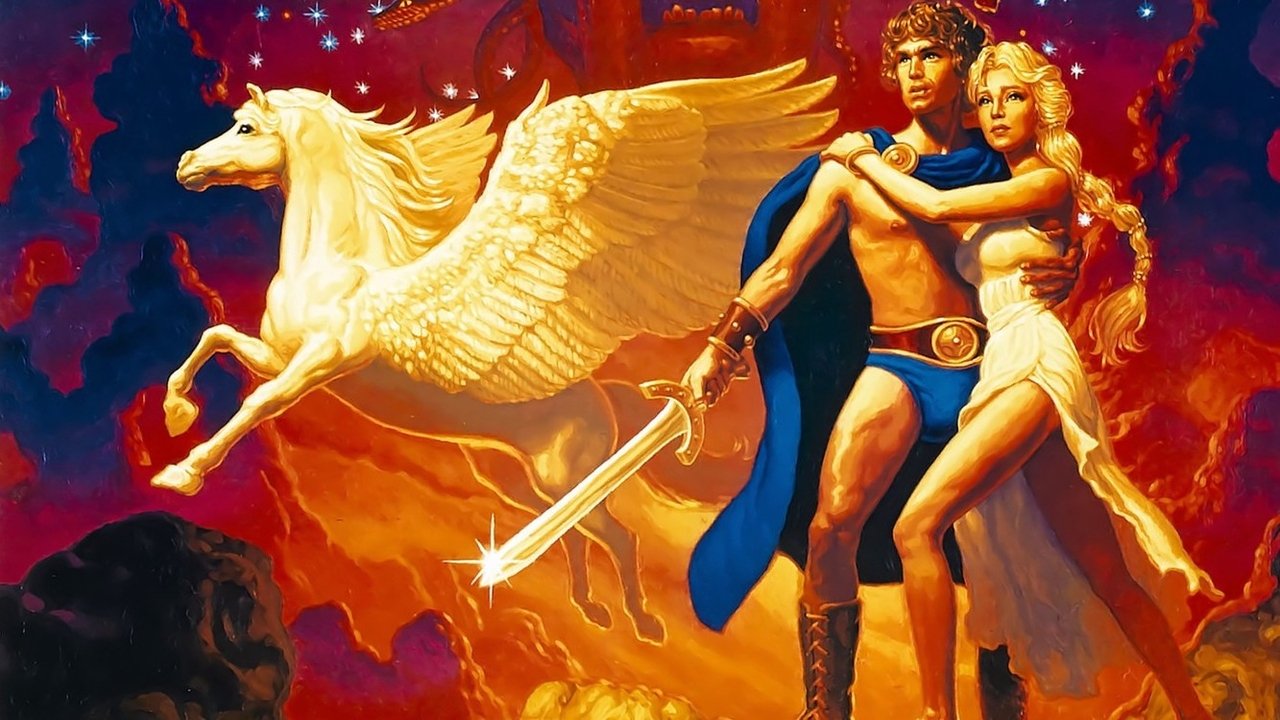
The plot itself is a fairly straightforward adventure yarn, sending Perseus across stunning landscapes (filming took place in picturesque locations like Malta, Spain, and Cornwall, England) to gather magical artifacts and allies. He must capture the winged horse Pegasus, consult the creepy Stygian Witches, battle the deformed Calibos (once a man, cursed by Zeus), and, most famously, confront the Gorgon Medusa in her fiery, stone-strewn lair.
Behold the Creatures of Harryhausen!
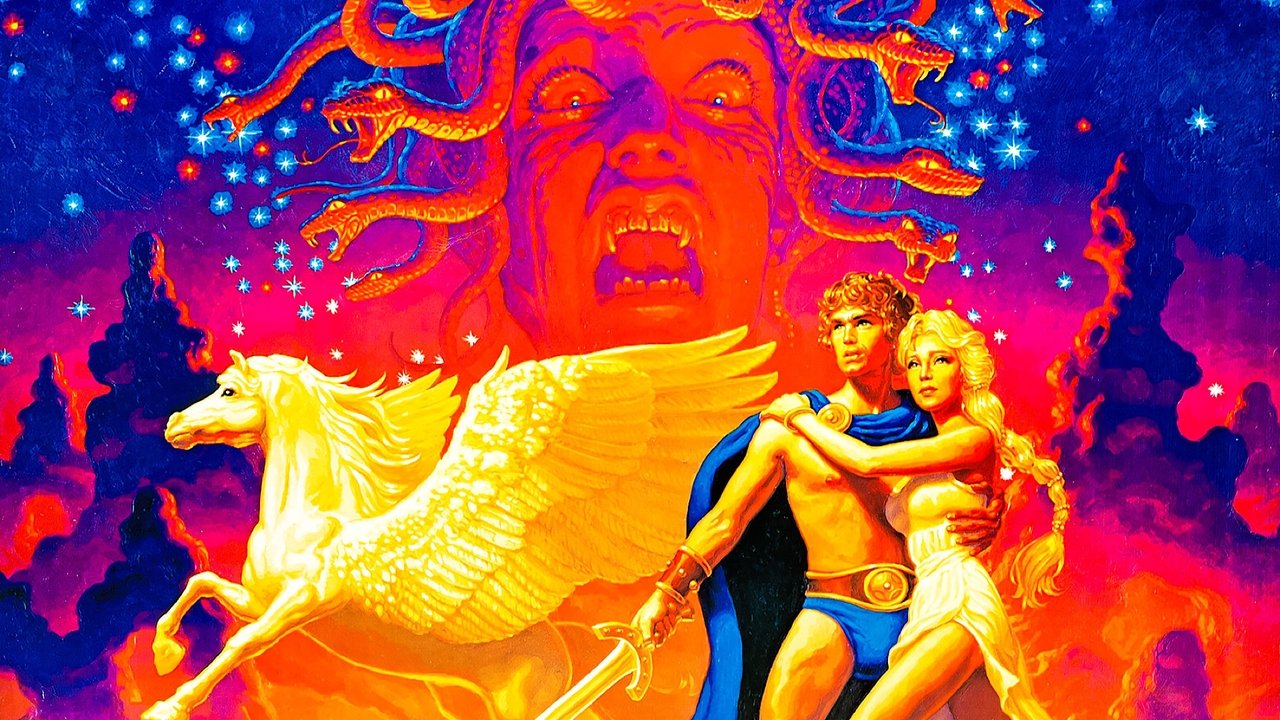
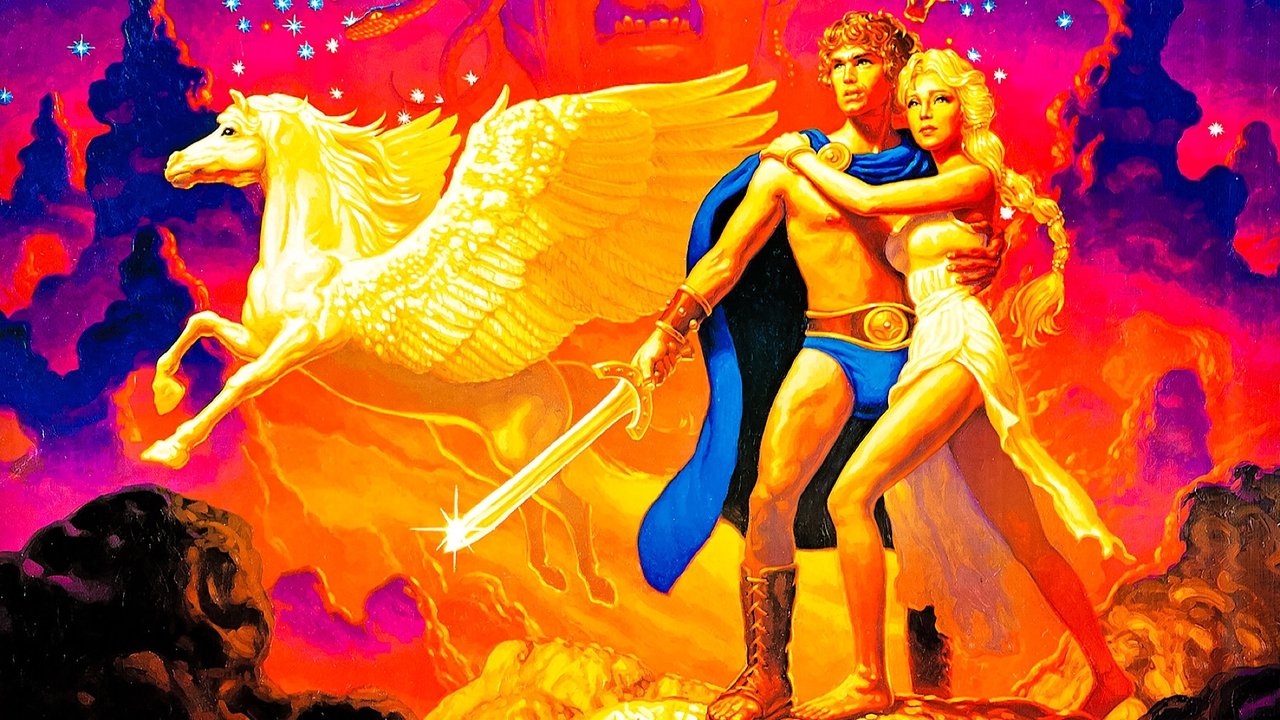
Let's be honest: the enduring magic of Clash of the Titans lies squarely in the masterful hands of Ray Harryhausen. His stop-motion animation, known as "Dynamation," wasn't just special effects; it was artistry. Each creature feels tangible, imbued with a distinct personality, despite the painstaking, frame-by-frame process required to bring them to life. The giant scorpions skittering across the desert sands, the two-headed dog Dioskilos guarding the witches' swamp, the majestic but fiercely protective Pegasus – they were wondrous sights on our flickering CRT screens.
And then there's Medusa. Her sequence is arguably the pinnacle of Harryhausen's career. The serpentine movements, the chilling rattle of her tail, the horrifying reveal – it's a masterclass in building tension and creating a truly unforgettable movie monster. The way she stalks Perseus through the shadowy temple, using her bow with deadly accuracy, is pure nightmare fuel, executed with astonishing technical skill. It reportedly took months to animate just those few minutes of screen time. The Kraken sequence, while perhaps less nuanced, provides the film's colossal climax, a truly epic confrontation between man, monster, and the gods.
Retro Fun Facts & Charming Quirks
Of course, watching Clash of the Titans today also involves appreciating its charmingly dated aspects. The dialogue can be a bit stiff, the pacing occasionally uneven, and yes, there's Bubo. The mechanical owl, a gift from the gods to aid Perseus, was reportedly added later in production by writer Beverley Cross, perhaps inspired by the success of R2-D2 in Star Wars (1977), to provide comic relief and appeal to younger viewers (and maybe sell some toys). While some found him endearing, others saw him as a slightly jarring tonal shift. Love him or hate him, Bubo is undeniably an iconic piece of 80s fantasy filmmaking.
The film was a solid success upon release, made on a budget of around $15 million (a decent sum for the time, roughly $50 million today) and grossing over $41 million domestically ($137 million adjusted for inflation), proving audiences were hungry for this kind of mythological spectacle. While critical reception was mixed back in 1981 (currently holding a 6.9/10 on IMDb and mid-60s percentages on Rotten Tomatoes), its status as a beloved cult classic and a nostalgic touchstone is undeniable. It served as a gateway fantasy film for countless kids, sparking imaginations and maybe even an interest in Greek mythology. The less said about the 2010 remake and its sequel, the better perhaps, though they underscore the original's enduring appeal.
The Verdict
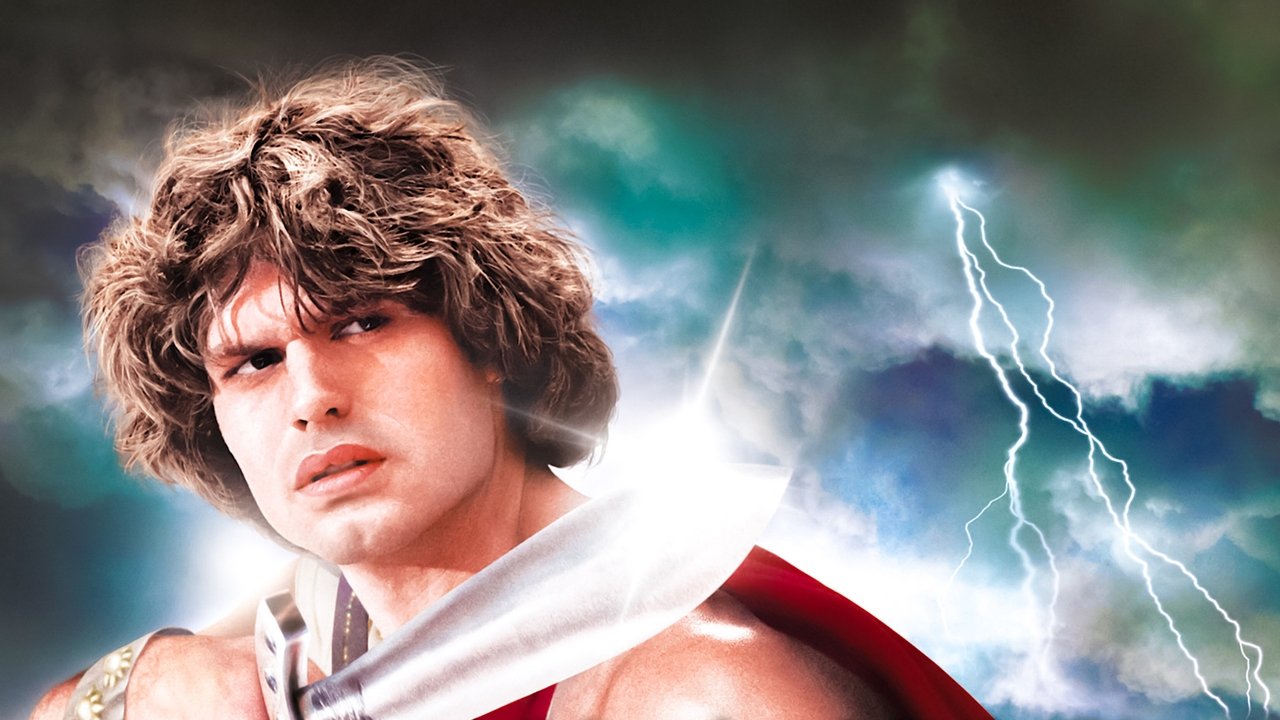
Clash of the Titans is pure, unadulterated 80s fantasy adventure. It’s grand, earnest, occasionally clunky, but powered by an undeniable sense of wonder, primarily thanks to Ray Harryhausen’s legendary creations. The blend of high drama from its stellar cast and the thrilling creature features makes for an experience that simply couldn't be replicated today. It’s a film that wears its heart on its mythological sleeve, inviting you along for a ride filled with peril and heroism. If you can embrace its vintage charms and forgive its occasional silliness (hello, Bubo!), it remains a hugely entertaining spectacle. It’s a testament to a bygone era of practical effects magic, where monsters felt truly monstrous and heroes genuinely heroic.
Rating: 8/10 - A score earned through the sheer power of Harryhausen's final masterpiece, the ambitious scale, the surprisingly starry cast, and the overwhelming wave of glorious nostalgia it delivers. Its flaws are part of its charm, but the creature-feature spectacle remains genuinely impressive and hugely entertaining.
For many of us, Clash of the Titans wasn’t just rented from the video store; it was practically excavated – a treasured artifact unearthed from the shelves, promising ancient wonders and thrilling battles right there in our living rooms. And you know what? It still delivers.