Some films feel less like they were watched and more like they were dreamt. Flickering in stark black and white, conjuring landscapes both beautiful and brutal, Nietzchka Keene’s The Juniper Tree (1990) is one such experience. Finding this tape back in the day, perhaps nestled obscurely between louder, more colourful boxes, felt like uncovering something rare and perhaps a little bit forbidden – a whisper from another time, carried on the Icelandic wind. It’s a film that settles in the quiet corners of your mind, rooted in the dark soil of folklore.
Whispers of Grimm in a Stark Land
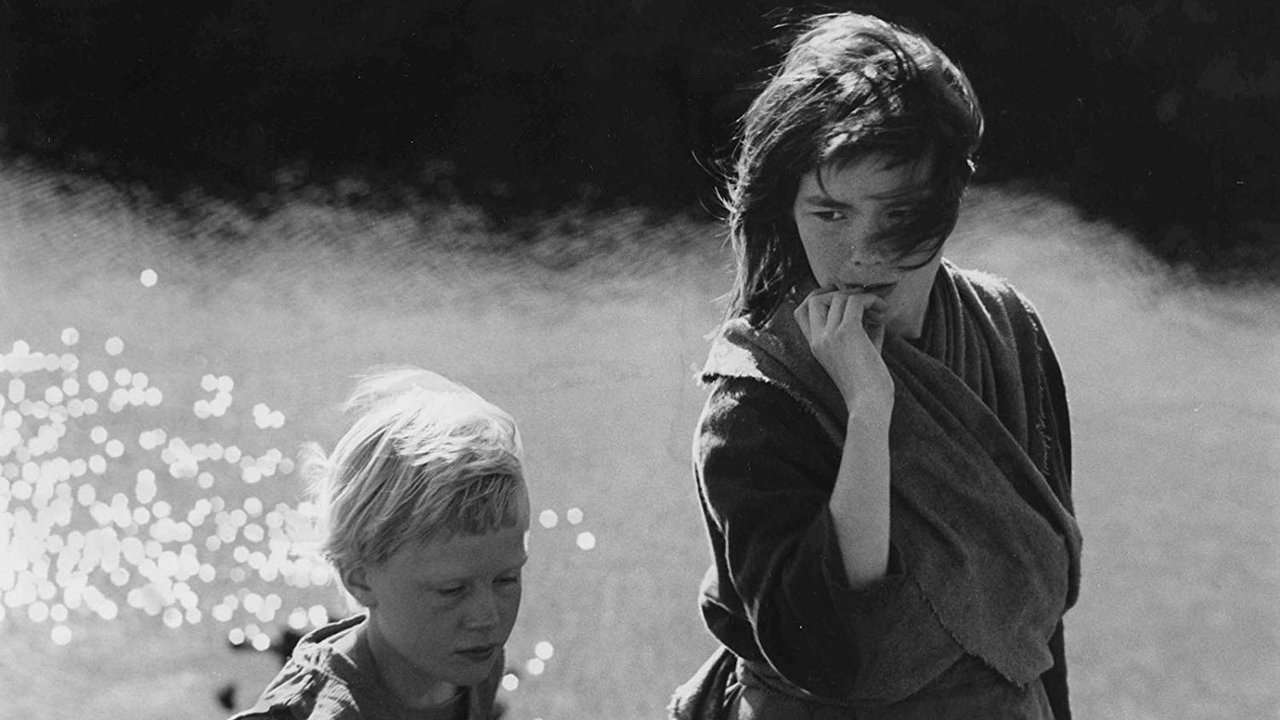
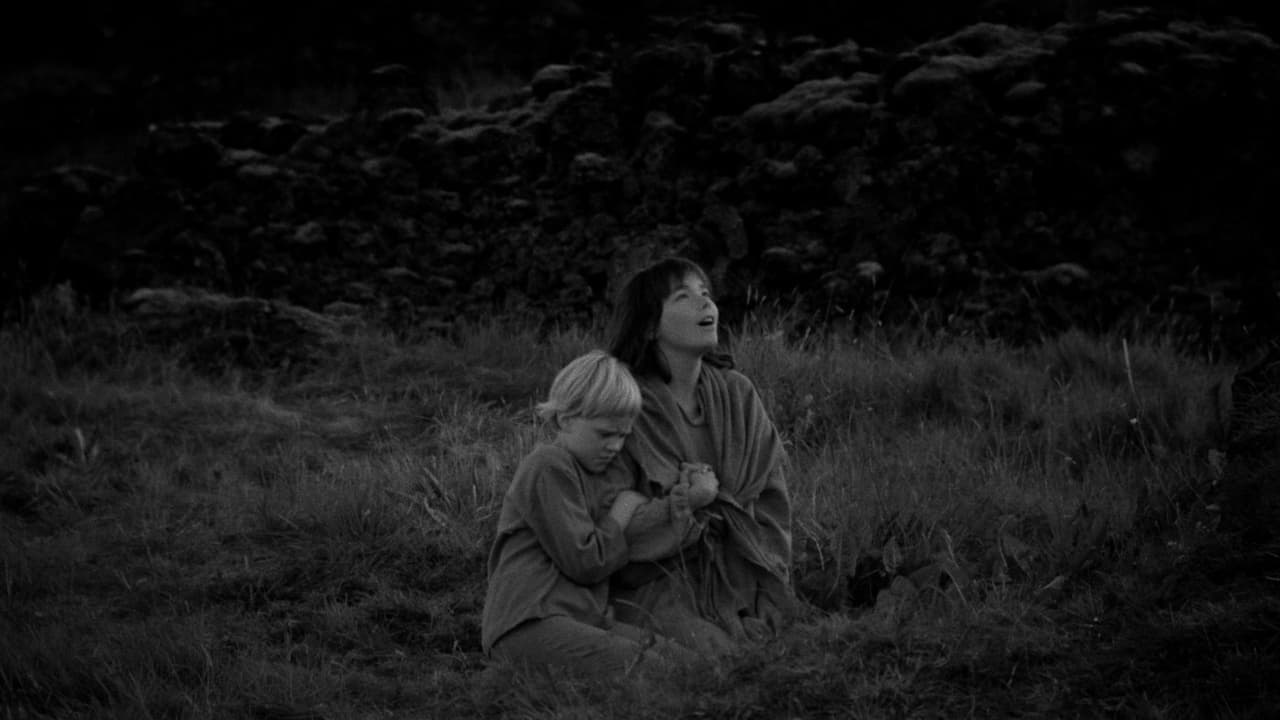
Based directly on the Brothers Grimm fairy tale of the same name – one of their more notoriously grim entries – The Juniper Tree transports us to medieval Iceland. It tells the story of two sisters, Margit (Björk) and Katla (Bryndis Petra Bragadóttir), who flee their home after their mother is stoned and burned as a witch. They find refuge with Jóhann (Valdimar Örn Flygenring), a young widower, and his small son, Jónas (Geirlaug Sunna Þormar). Katla, adept in the old ways her mother practiced, ensnares Jóhann with a spell, while Margit, sensitive and prone to visions, develops a gentle bond with the boy. But beneath the surface of this fragile new family, resentment festers, leading towards the tale's inevitably dark conclusion.
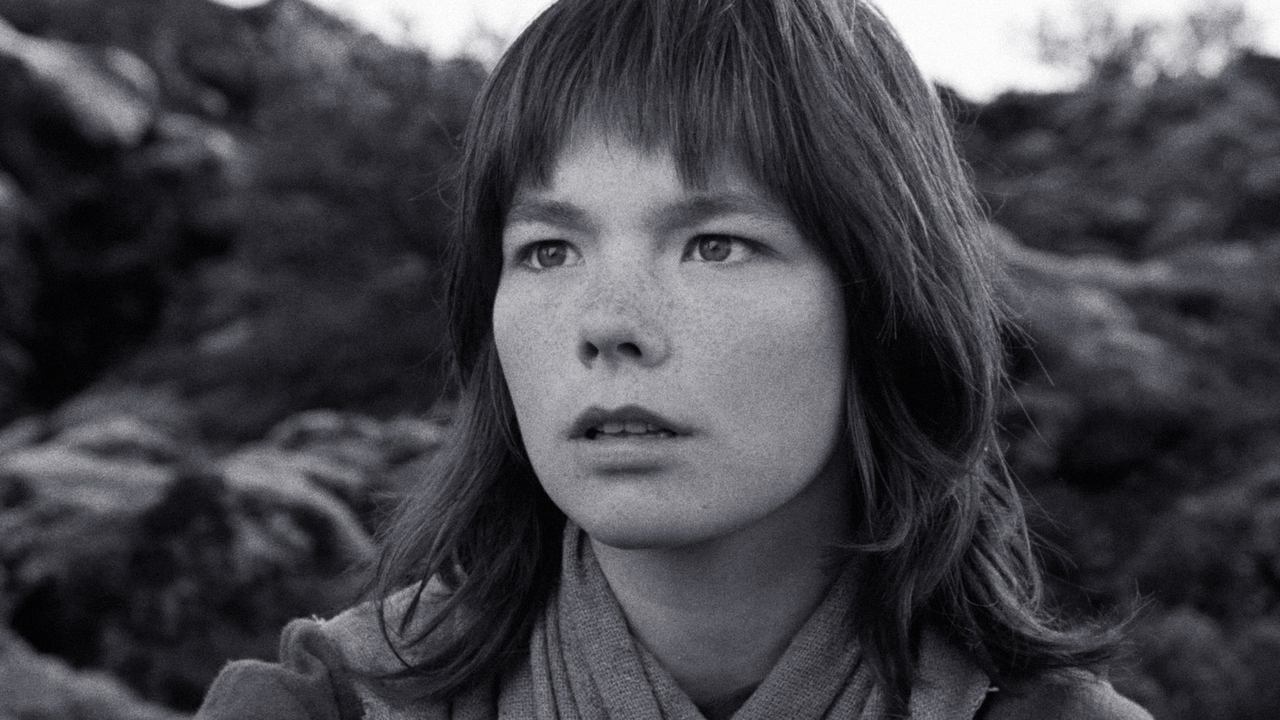
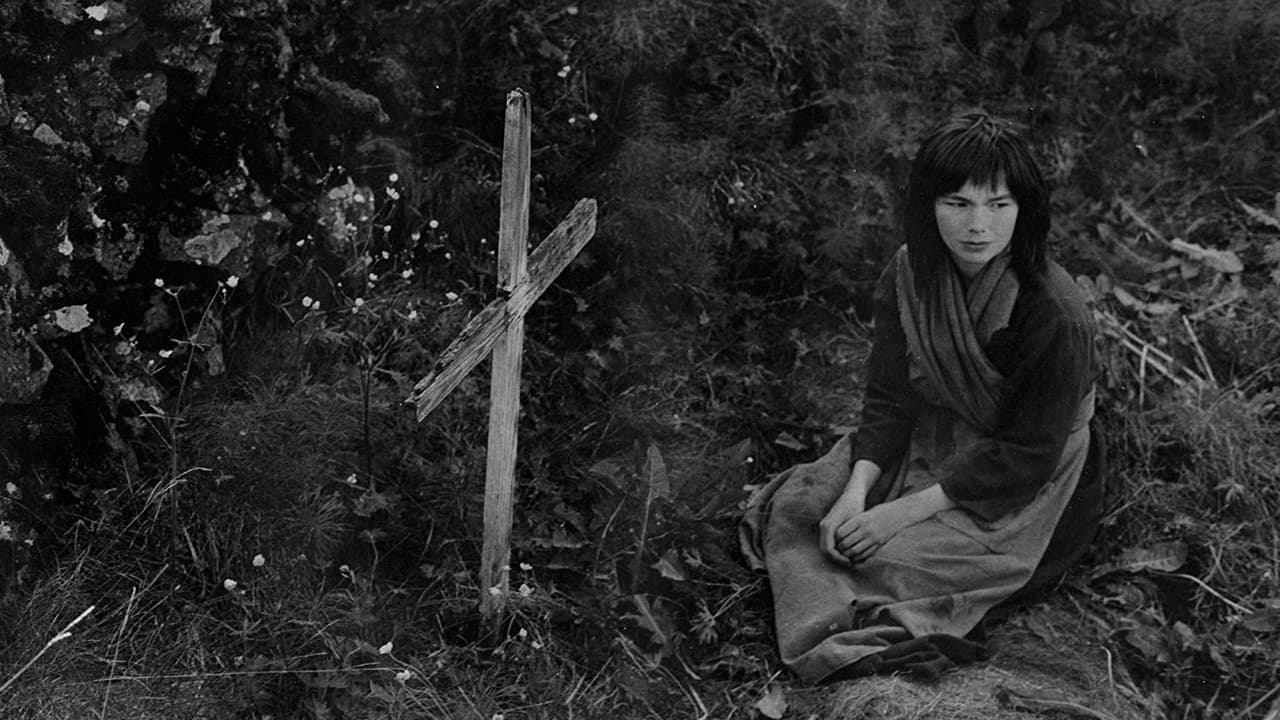
Keene, in what sadly stands as her most prominent work before her untimely passing, doesn't shy away from the story's inherent strangeness or its potent, almost pagan, undercurrents. The black and white cinematography, handled beautifully by Randy Sellars, isn't just an aesthetic choice; it transforms the already dramatic Icelandic scenery into something primal and mythic. Every jagged rock formation, every sparse, windswept plain feels imbued with ancient power and profound loneliness. This visual austerity perfectly mirrors the emotional landscape of the characters, trapped by circumstance, superstition, and their own simmering desires and griefs. There's a patience to the filmmaking, a willingness to let the silence and the stark visuals speak, that feels remarkably confident for a debut feature.
A Pop Icon Before the Phenomenon
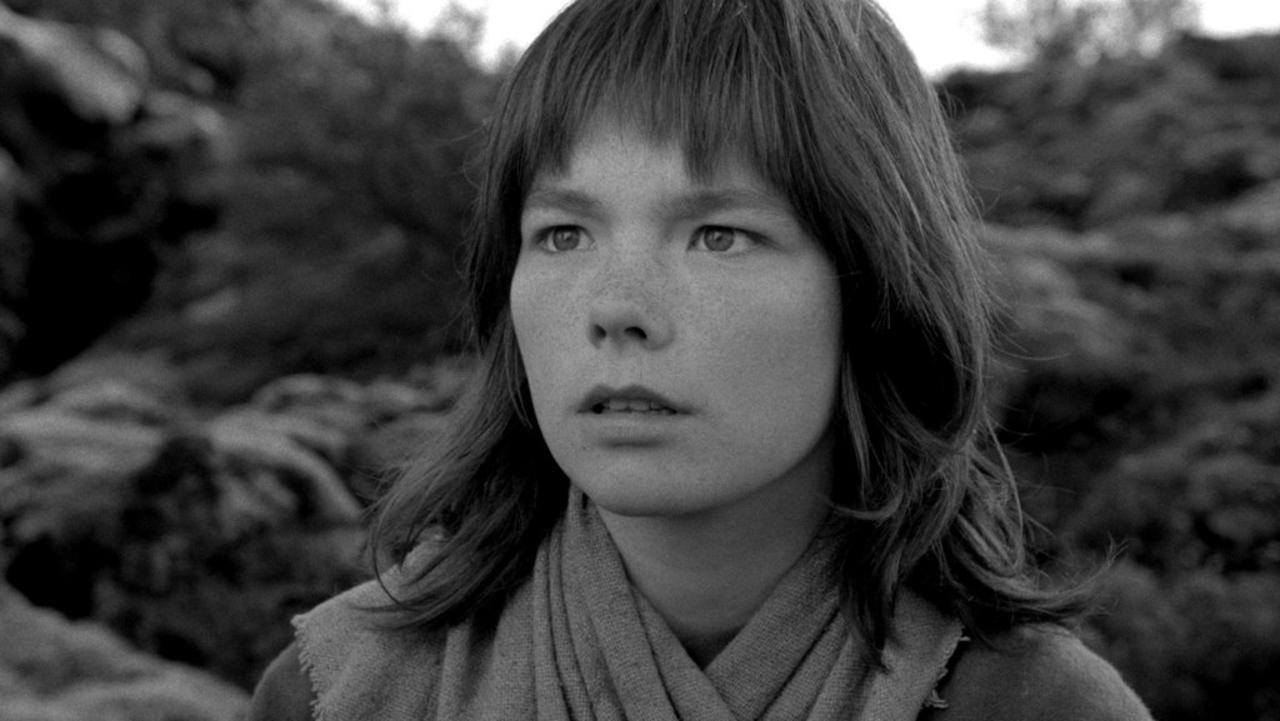
Of course, one of the most compelling aspects for modern viewers rediscovering The Juniper Tree is witnessing the screen debut of Björk. Filmed when she was around 20 (back in 1986, though the film's journey to release took years), she wasn't yet the global music iconoclast. Yet, the unique presence, the otherworldly quality that would define her persona, is already undeniably there. As Margit, she possesses a quiet intensity, her large eyes absorbing the harsh world around her, hinting at a connection to something unseen. It’s a remarkably internalised performance; she conveys Margit’s sensitivity, fear, and burgeoning awareness not through grand gestures, but through subtle shifts in expression, a haunting stillness. Keene reportedly cast her after seeing her in a music video for The Sugarcubes, recognizing a quality that transcended conventional acting. Seeing her here, raw and unadorned by fame, feels like glimpsing an artist at the cusp of inventing herself.
The rest of the cast performs with a fittingly spare naturalism. Guðrún Gísladóttir arrives later as the new wife figure (slight deviation from the source tale's structure but hitting similar thematic beats) bringing a necessary sharpness, while Bryndis Petra Bragadóttir as the older sister Katla effectively embodies the desperation and simmering resentment that drive the narrative towards tragedy. Young Geirlaug Sunna Þormar as Jónas is heartbreakingly natural, the innocent caught in the crosscurrents of adult bitterness.
From Folklore to Film Reel
The production itself carries the aura of independent tenacity so common in the films we celebrate here at VHS Heaven. Shot on a shoestring budget (reportedly around $500,000), The Juniper Tree makes a virtue of its limitations. Keene, who also wrote the screenplay, demonstrates a deep understanding of the fairy tale's symbolic weight, exploring themes of motherhood (both nurturing and destructive), the cyclical nature of violence and revenge, and the thin veil between the mundane and the magical in pre-Christian societies. The film doesn't offer easy answers or judgments; it presents the harsh realities and beliefs of its time with a stark, observational eye.
Its journey wasn't straightforward. Filmed in 1986, post-production complexities meant it didn't premiere until the 1990 Sundance Film Festival, finally trickling onto home video thereafter. For years, it remained a curiosity, sought out by Björk completists or fans of bleak folklore adaptations. Thankfully, recent restoration efforts, notably supported by The Film Foundation, have brought Keene's stark vision back into the light with renewed clarity, allowing a new generation to discover this haunting piece of independent filmmaking. It's a testament to the power of preservation, ensuring such unique cinematic voices aren't lost to time like a worn-out VHS tape.
A Lingering Chill
The Juniper Tree isn't an easy watch. Its pacing is deliberate, its mood somber, and its narrative unflinchingly embraces the darkness of its source material. Yet, its power is undeniable. It captures the specific, eerie feeling of reading an old fairy tale – that sense of deep, unsettling truths lurking beneath a seemingly simple story. It’s a film that trusts its audience to engage with ambiguity, to feel the chill of the Icelandic wind and ponder the harsh beauty of survival and the shadows cast by belief. It asks us, perhaps, how much of that ancient darkness still resonates within our modern lives.
Rating: 8/10
This score reflects the film's success as a unique, atmospheric, and artistically courageous piece of independent cinema. The stunning black and white visuals, Björk's captivating early performance, and Nietzchka Keene's sensitive direction create a truly memorable, albeit somber, experience. It may not be for everyone due to its deliberate pace and bleak tone, but for those seeking a haunting journey into folklore's heart, it's a powerful and beautifully crafted gem, a rare find from the depths of the VHS era that absolutely rewards rediscovery.