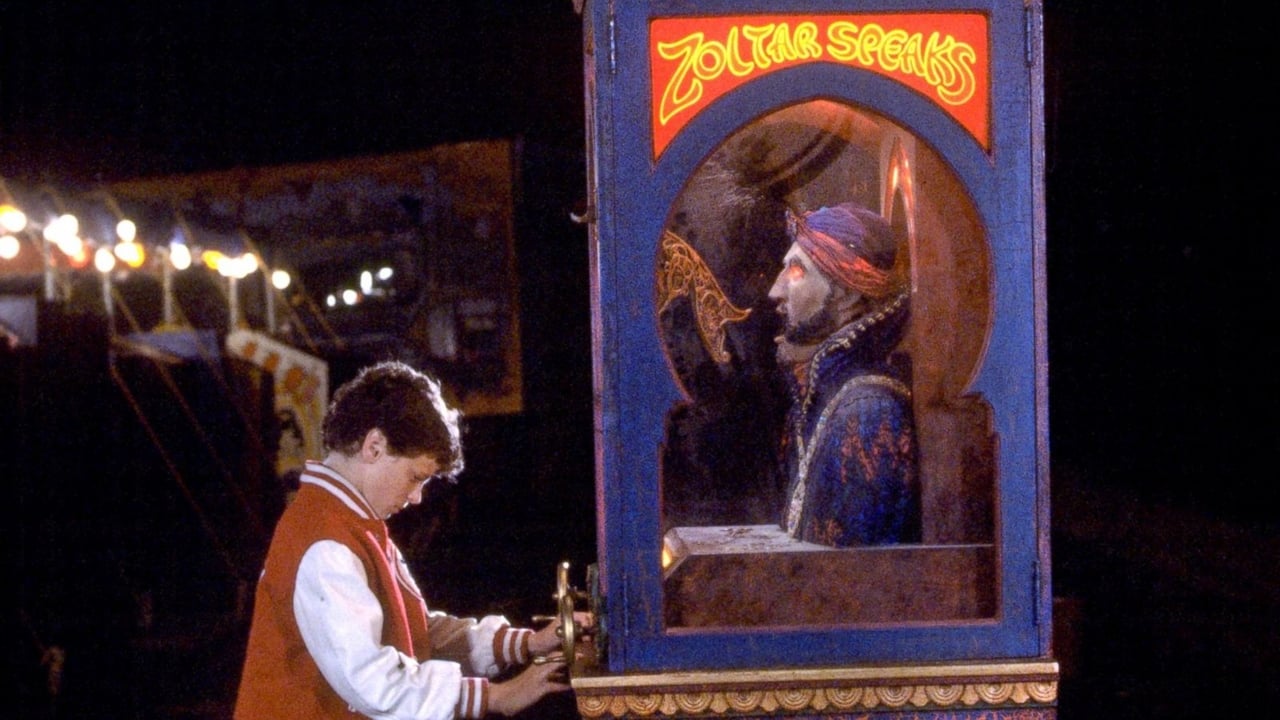
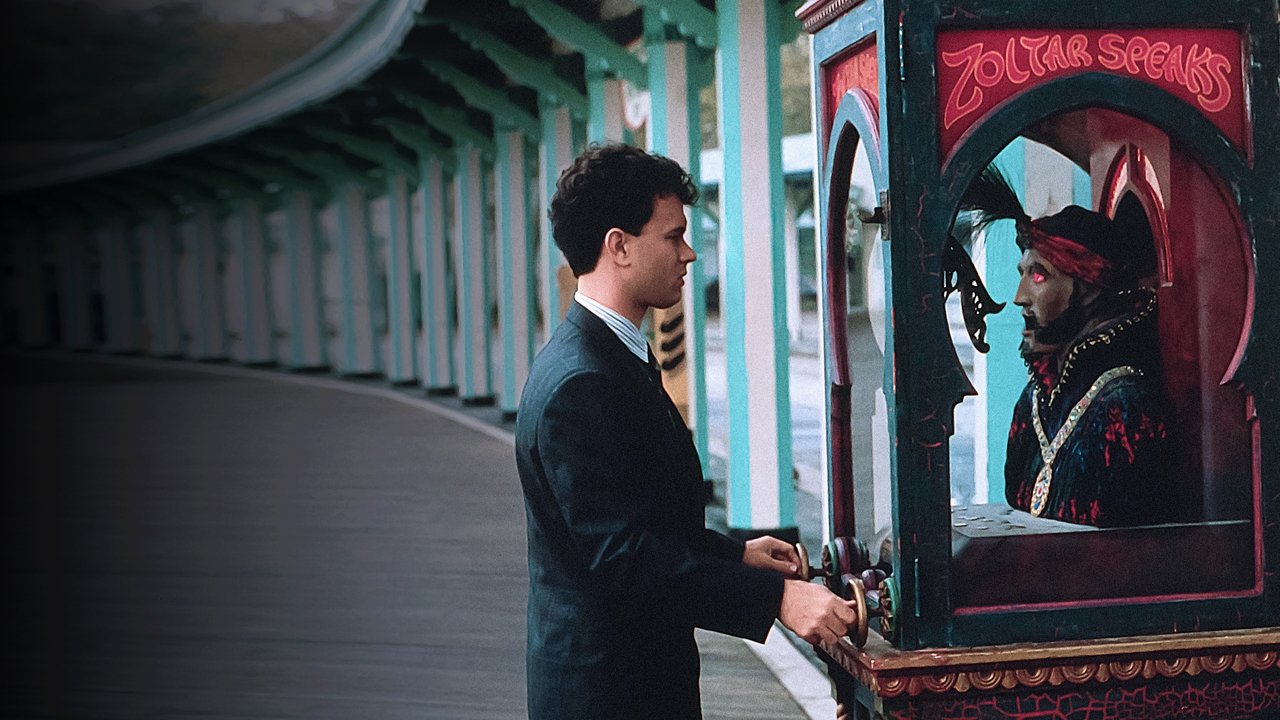
That eerie carnival music, the flashing lights, and the almost sinister promise whispered by a boardwalk fortune-telling machine... Remember Zoltar? For young Josh Baskin, frustrated by the limitations of being twelve – too short for the cool rides, ignored by the older girl – the machine's offer felt like a desperate solution. "I wish I were big," he mumbled, inserting his coin. And just like that, with a flash and a clatter, the unplugged machine spat out a ticket: "Your wish is granted." The next morning, the wish wasn't just granted; it was delivered with the bewildering force of puberty on hyperdrive.
That's the instantly relatable, magically terrifying hook of Big (1988), a film that arrived during a curious mini-boom of body-swap comedies but transcended the gimmick to become something genuinely special. Directed with incredible warmth and sensitivity by Penny Marshall (who’d later give us A League of Their Own), and penned by Gary Ross and Anne Spielberg (yes, Steven's sister!), Big wasn't just about the laughs derived from a kid navigating an adult world; it was a profoundly affecting look at childhood innocence, the pressures of adulthood, and the bittersweet pangs of growing up – or, in this case, growing back down.
### Suddenly Thirty, Flirty, and Clueless
The genius of Big rests squarely on the shoulders of Tom Hanks. This was the role that truly catapulted him from likable comedy star (think Splash, Bachelor Party) to bona fide Hollywood royalty, earning him his first Academy Award nomination. Watching it again, it’s easy to see why. Hanks doesn't just play a kid in a man's body; he inhabits it. Every awkward gesture, every wide-eyed reaction to the baffling complexities of adult life (taxes! dating! spreadsheets!), every burst of unadulterated childlike joy feels utterly authentic. It’s a performance of breathtaking physicality and emotional transparency. It’s fascinating to think that Robert De Niro was apparently seriously considered for the role early on – a very different film that might have been! But Hanks brought a vulnerability and sweetness that proved absolutely essential.
Finding himself suddenly looking thirty, Josh flees his terrified mother and seeks refuge in New York City, guided only by his loyal best friend, Billy (Jared Rushton, the perfect cynical counterpoint). The initial scenes of adult Josh navigating the city are pure comedic gold – the terrifying flop house, the confusion over salary negotiation, the sheer wonder of having his own apartment (complete with a trampoline and bunk beds, naturally). It’s here that Marshall’s direction shines, finding humor not just in the situations, but in the small, observant details of Josh’s reactions.
### Playing with the Big Boys (and Girls)
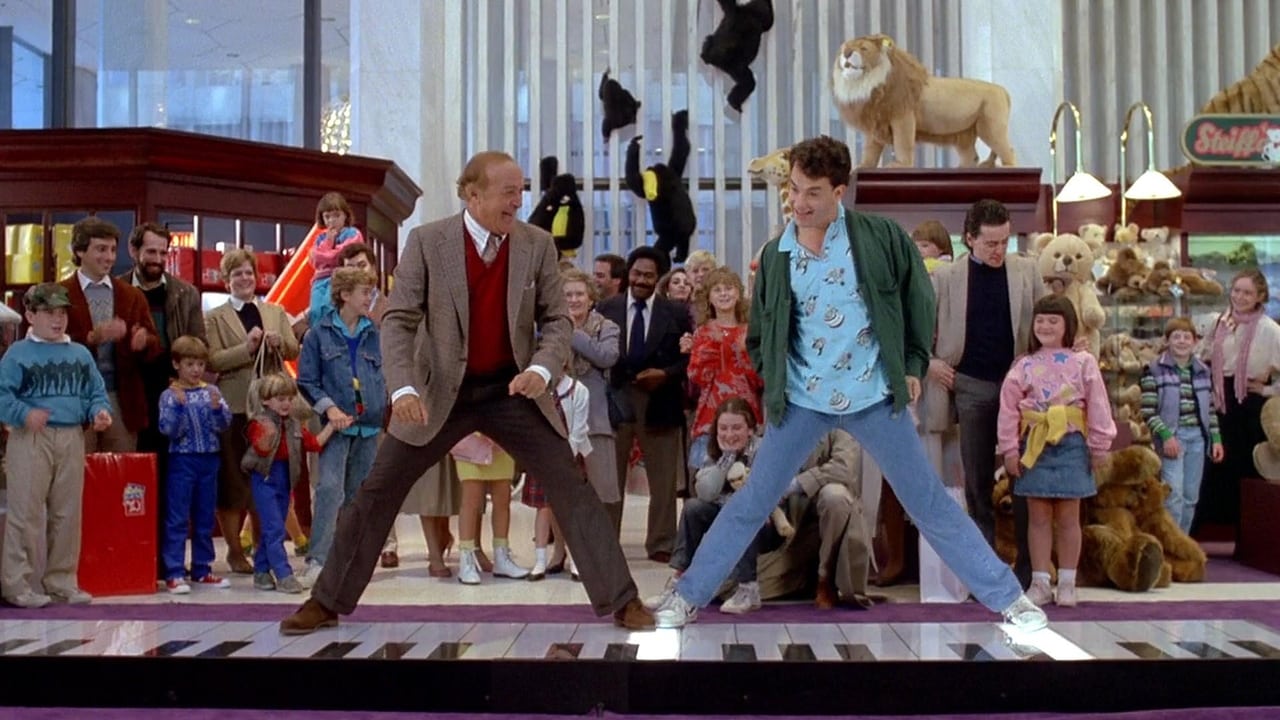
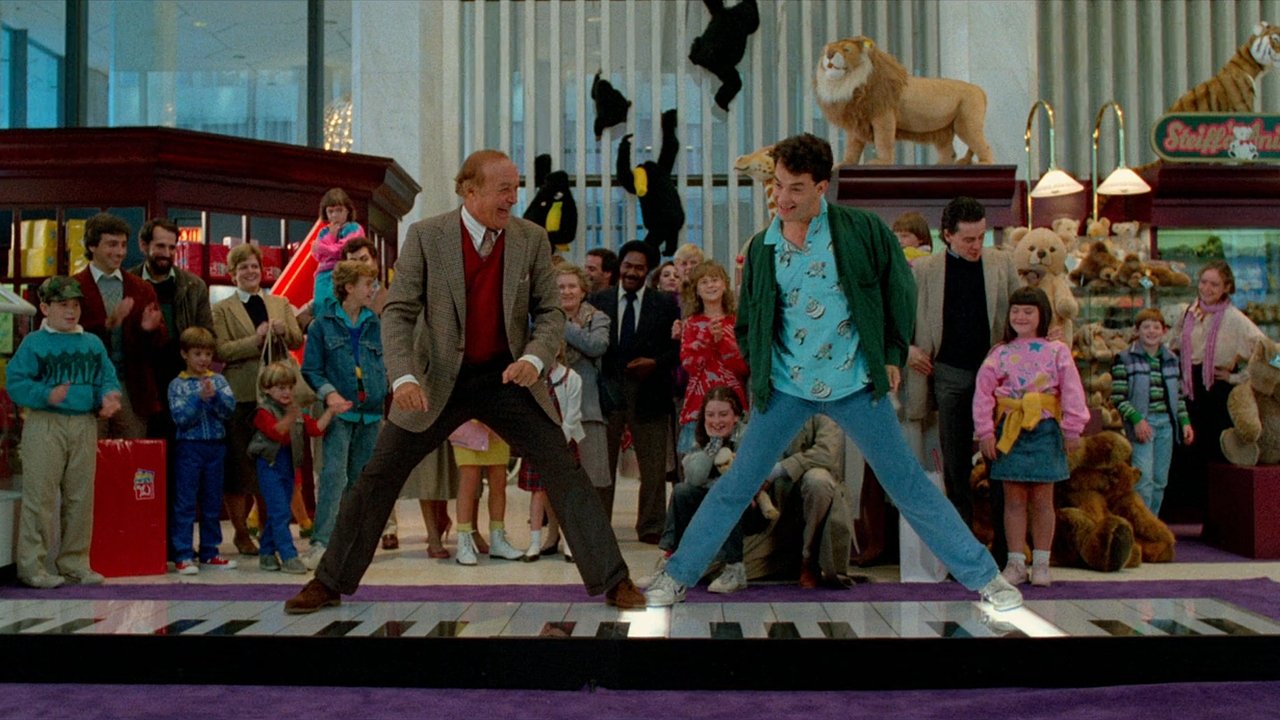
Josh's childlike enthusiasm lands him a dream job (for a kid, anyway) at MacMillan Toy Company, run by the initially intimidating Mr. MacMillan, played with gruff charm by the wonderful Robert Loggia. Their impromptu keyboard duet on the giant floor piano at FAO Schwarz isn't just an iconic movie moment; it's pure, infectious joy captured on film. Reportedly, Hanks and Loggia performed the "Heart and Soul" / "Chopsticks" sequence themselves after practicing on a cardboard mock-up. The scene perfectly encapsulates the film's core idea: sometimes, a child's perspective – direct, honest, focused on fun – is exactly what the cynical adult world needs.
His naive ingenuity quickly gets Josh noticed, leading to a rapid promotion and the attention of ambitious executive Susan Lawrence (Elizabeth Perkins, radiating sophisticated warmth and confusion). Their burgeoning romance is handled with surprising delicacy. Perkins masterfully portrays Susan's attraction to Josh's guileless charm and emotional openness, even as she senses something profoundly unusual about him. It avoids cheap laughs, instead exploring the genuine connection they form, making Josh’s ultimate dilemma even more poignant. It's a reminder that even within a high-concept comedy, real emotional stakes matter.
### More Than Just Fun and Games
While Big is packed with laughs, it never shies away from the underlying melancholy. Josh misses his mom, his best friend, his simple life. The pressures of his corporate job, the complexities of his relationship with Susan – they all weigh on him. The film subtly explores the idea that being "big" isn't just about height or freedom; it comes with responsibilities and heartaches that childhood innocence shields us from. Penny Marshall, who became the first solo female director to helm a film grossing over $100 million domestically with Big (on an $18 million budget, it pulled in a whopping $151 million worldwide), balanced these tones perfectly. Apparently, an early draft or cut of the film had a darker ending where Susan, unable to cope with Josh returning to childhood, takes Zoltar's wish herself, but the filmmakers wisely opted for the more bittersweet, emotionally resonant conclusion we know.
The production design perfectly captures the late-80s vibe, from the corporate sleekness of MacMillan Toys to the chaotic charm of Josh’s loft apartment. And who could forget Zoltar? That slightly menacing, yet alluringly magical machine became an instant icon. Finding one felt like finding a piece of movie magic right there on the boardwalk.
### The Verdict
Big remains a near-perfect blend of fantasy, comedy, and heartfelt drama. It’s a film powered by a truly legendary performance from Tom Hanks and guided by Penny Marshall’s empathetic direction. It tapped into a universal childhood fantasy and explored it with wit, warmth, and surprising depth. Even decades later, watching Josh navigate the baffling world of grown-ups resonates – maybe because a part of us always remembers feeling just as lost, albeit without the magical intervention. It’s funny, touching, and possesses that rare cinematic magic that feels timeless. Rewatching it feels like catching up with an old, dear friend.
Rating: 9/10
This score reflects the masterful central performance, the perfect blend of humor and heart, iconic scenes that live on in memory, and its status as a truly beloved classic of the era. It’s not just a body-swap comedy; it's a beautifully observed story about growing up, no matter your physical age.