Dust motes dancing in the Texas sun, the faint smell of crude oil hanging in the air, and the ghosts of youthful yearning… returning to Anarene always felt like stepping back into a specific, poignant moment captured in stark black and white. When Peter Bogdanovich decided to revisit that world nearly two decades after The Last Picture Show (1971) etched itself into cinematic history, the anticipation was immense. But Texasville (1990), bathed in the sometimes garish colours of 1984, wasn't quite the melancholic echo many expected. Instead, it felt more like crashing a chaotic, bittersweet high school reunion thirty years too late.
A Different Kind of Dust Settles
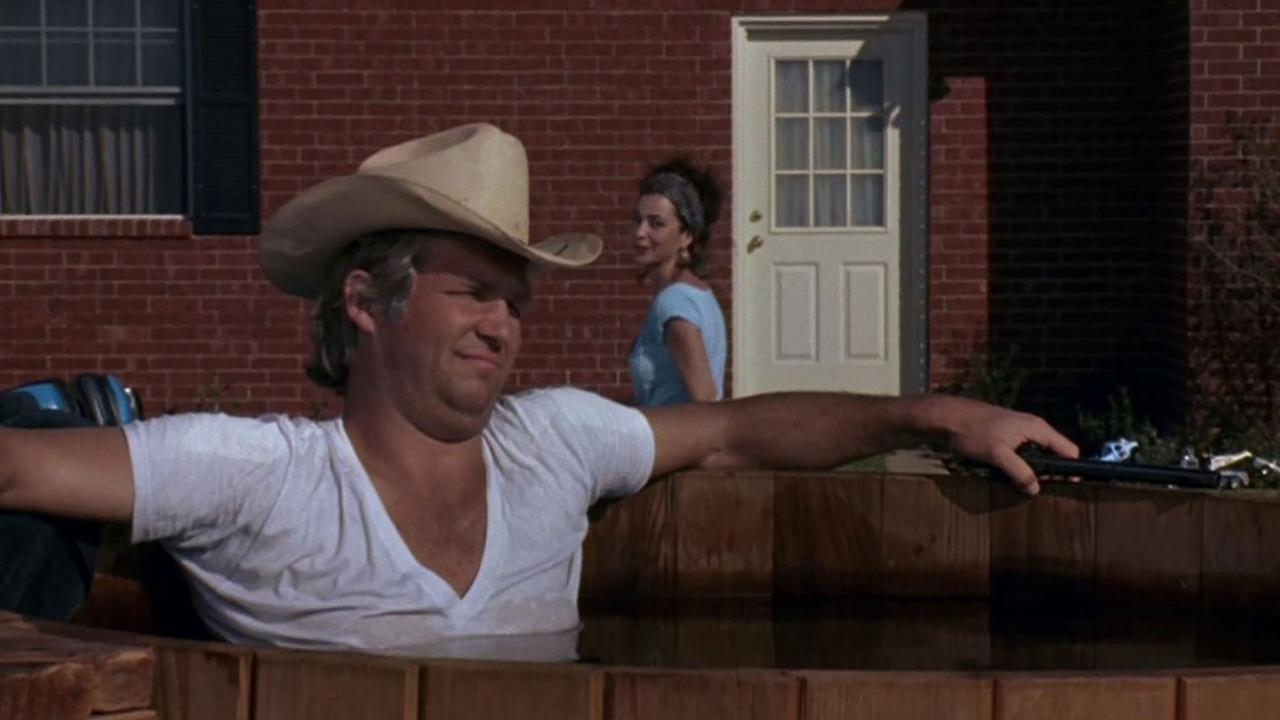
The stark poetry of the original film, reflecting the end of an era and the stifled dreams of youth in a dying small town, gives way here to a more sprawling, almost frantic energy. We catch up with Duane Jackson (Jeff Bridges, revisiting the role that helped launch his career) who is now an oil tycoon hit hard by the 80s bust, drowning in debt, managing a fractious family, and grappling with a potent mid-life crisis. His wife, Karla (Annie Potts, in a truly standout performance that crackles with weary wit and resilience), navigates his moods and the town's eccentricities with a knowing exhaustion that feels deeply authentic. Remember how Duane’s defining feature in the first film was a kind of restless, searching quality? Here, that restlessness has curdled into a frantic juggling act, trying to keep his precarious empire and personal life from collapsing entirely.
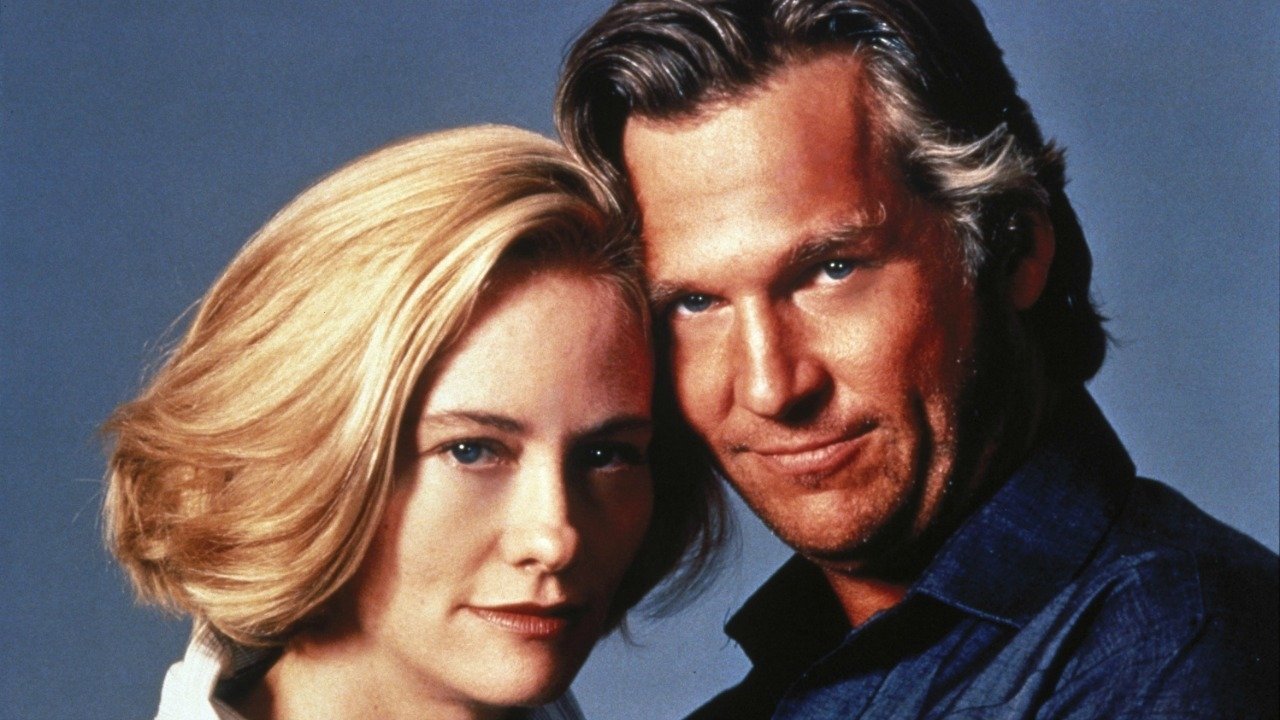
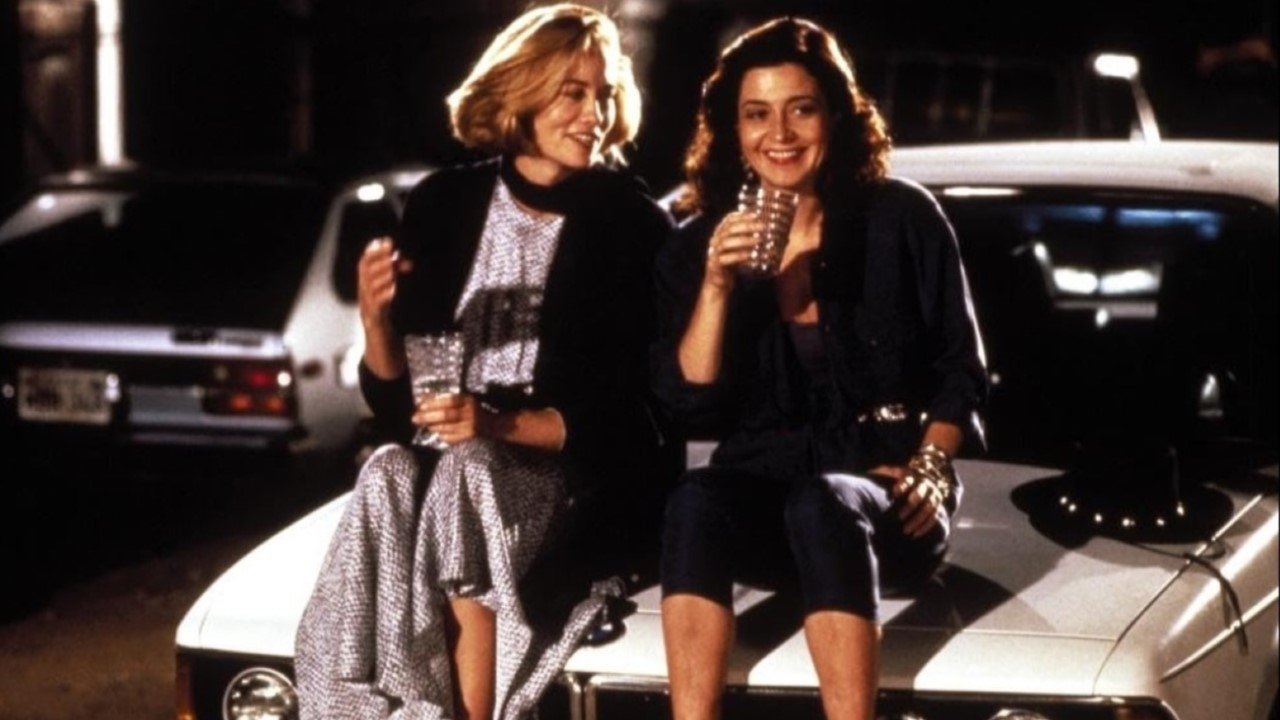
Into this simmering pot walks Jacy Farrow (Cybill Shepherd, also returning), the golden girl whose departure fractured Duane and Sonny Crawford (Timothy Bottoms) decades ago. She’s back in Anarene following personal tragedies in Europe, her glamour now tinged with a different kind of world-weariness. The reunion of these central figures, along with familiar faces like Sonny, Ruth Popper (Cloris Leachman), and Lester Marlow (Randy Quaid), forms the film's core. But unlike the simmering, unspoken tensions of The Last Picture Show, Texasville often plays their interactions for broader, almost farcical comedy. It's a jarring shift, one that divided audiences and critics sharply upon its release.
Mid-Life in Full, Chaotic Color
Bogdanovich, working again from a novel and screenplay co-written with the legendary Larry McMurtry, trades the quiet desperation of the first film for a louder, messier portrayal of middle-aged disillusionment. The characters grapple not with the promise of life, but with the messy reality of choices made, opportunities missed, and the slow erosion of time. Duane's anxieties about money, Jacy's search for grounding after loss, Sonny's gentle bewilderment at the town's changes, and Karla's struggle to hold everything together – these are relatable mid-life themes, even if the execution sometimes feels cluttered.
The film’s visual style reflects this shift. Gone is Robert Surtees' iconic black-and-white cinematography. Instead, we get the sun-baked colours of West Texas in the mid-80s, which feels appropriate for the era depicted but lacks the poetic resonance of its predecessor. There's a sense that Bogdanovich, perhaps consciously, wanted to avoid simply repeating himself. He leans into the chaos, the overlapping dialogue, the sheer muchness of these characters' lives colliding as the town prepares for its centennial celebration. This sprawling quality, however, means some character arcs feel underdeveloped, and the film occasionally loses focus.
Retro Fun Facts: Beyond the Picture Show
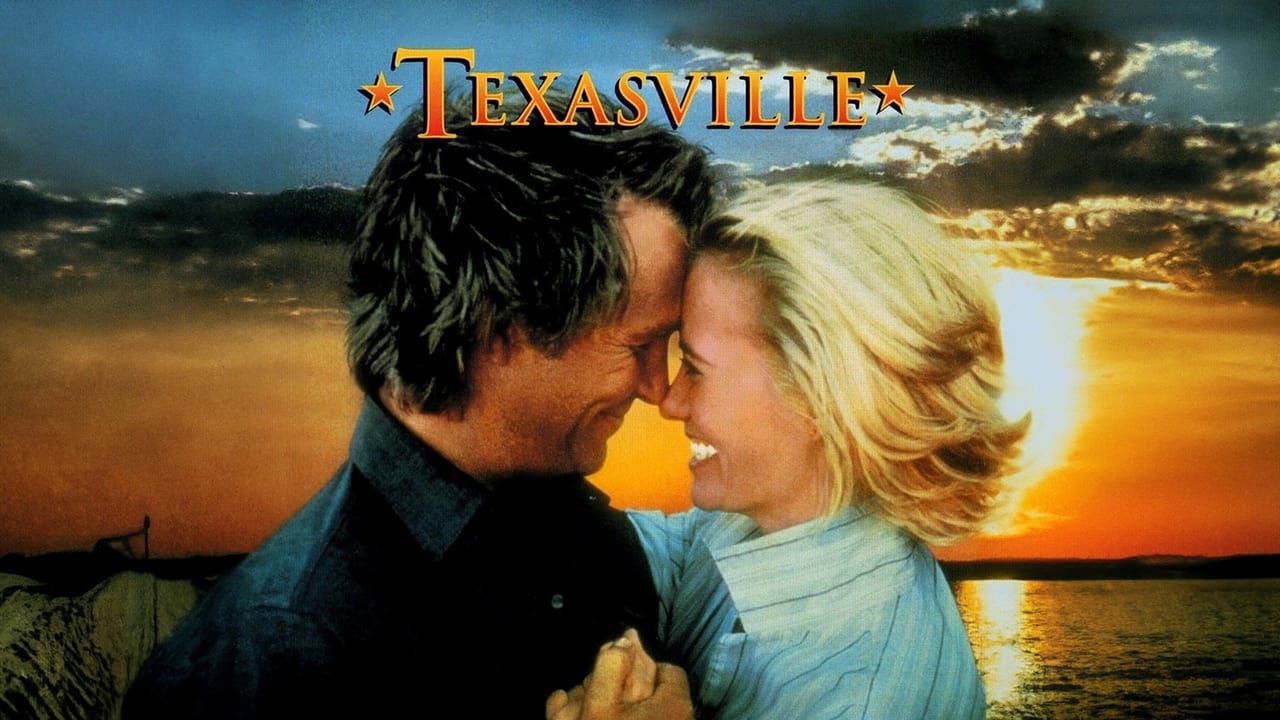
Bringing the original cast back together after nearly 20 years was a significant undertaking. Bogdanovich had envisioned the sequel for years, seeing it as a necessary continuation of the characters' stories. Filming once again took place in Archer City, Texas, adding a layer of meta-reality as the actors returned to the very streets where they'd brought these characters to life decades earlier. Interestingly, the film depicts the very real oil bust of the early 80s, which devastated many Texas fortunes, grounding Duane's financial panic in historical fact. Despite the reunion and pedigree, Texasville struggled at the box office, earning just $2.2 million against an $18 million budget (that's like making roughly $5 million today against a $42 million budget – a clear disappointment).
Perhaps the most crucial piece of trivia for any VHS Heaven aficionado, though, concerns the different versions. The theatrical cut, which most people saw in cinemas or rented from Blockbuster, felt rushed and uneven to many. Bogdanovich later released a Director's Cut, primarily on LaserDisc and later DVD/Blu-ray, which runs significantly longer (around 153 minutes vs. 123 minutes). This version restores excised subplots and character moments, offering a richer, more coherent, and generally better-regarded experience. If you only saw the theatrical cut back in the day, seeking out the Director's Cut might offer a different perspective.
Worthy Return or Tarnished Memory?
So, where does Texasville land in the pantheon of 80s/90s cinema? It's undeniably a flawed film, especially when measured against the towering achievement of The Last Picture Show. Its tone is uneven, shifting sometimes awkwardly between broad comedy and moments of genuine pathos. The sprawling narrative can feel unfocused. Yet... there's something compelling about seeing these actors inhabit these roles again. Jeff Bridges brings a weary charisma to Duane's self-inflicted chaos, and Cybill Shepherd finds notes of vulnerability beneath Jacy's practised facade. But it's Annie Potts as Karla who often steals the show, providing the film's pragmatic, emotional anchor. Her performance is a masterclass in conveying strength, humour, and deep-seated frustration all at once.
Does it capture the magic of the original? No, not really. But perhaps that was never the goal. Maybe Texasville is more valuable as a messy, honest, sometimes funny, sometimes sad reflection on what happens after the picture show ends – when youth fades, dreams fray, and life just... keeps happening, in all its complicated, colourful glory. It doesn't possess the haunting quality of its predecessor, the kind that lingers long after the VCR clicks off, but it offers a different kind of reflection – one about compromise, endurance, and finding moments of connection amidst the general commotion of middle age.
Rating: 6/10
While hampered by tonal inconsistencies and an inability to escape the shadow of its near-perfect predecessor, Texasville offers undeniable pleasures in the reunion of its cast, particularly the stellar work by Annie Potts. Its chaotic energy captures a specific kind of mid-life frenzy, and the Director's Cut reveals a more thoughtful film than the theatrical release suggested. It's a fascinating, if flawed, postscript to a masterpiece.
Final Thought: It reminds us that sometimes, returning home isn't about recapturing the past, but about finally seeing the present clearly, warts and all.