## A Slow Burn Under the Nevada Sun
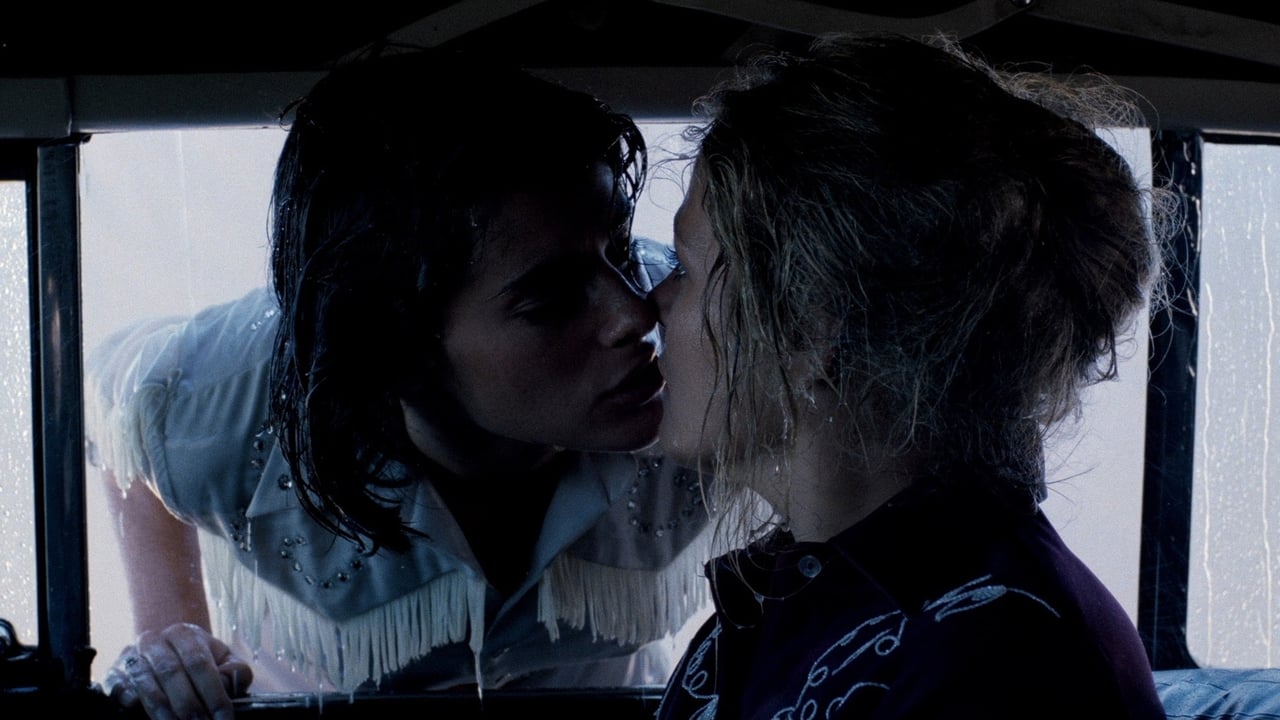
There's a certain quality to the desert light in Donna Deitch's Desert Hearts (1985) – stark, revealing, almost unforgiving. It mirrors the emotional terrain navigated by Vivian Bell (Helen Shaver), a literature professor from the East Coast who arrives in Reno, Nevada, circa 1959, seeking a quick divorce and finding herself utterly unprepared for the seismic shift awaiting her. This isn't just a film; it's an atmosphere, a carefully observed study of vulnerability, risk, and the quiet earthquake of self-discovery that feels as potent today as it must have felt like a revelation back on those hazy VHS rental days.
Leaving the Past in the Dust
The premise, based on the 1964 novel Desert of the Heart by Jane Rule, is deceptively simple. Vivian, buttoned-up and intellectually guarded, checks into a guest ranch run by the warm but sharp-tongued Frances Parker (Audra Lindley, forever etched in our minds as Mrs. Roper from Three's Company, yet utterly convincing here). There, amidst the transient community of women waiting out their divorces, she encounters Frances's stepdaughter, Cay Rivvers (Patricia Charbonneau). Cay is everything Vivian is not – openly confident, working at a casino, comfortable in her skin, and unapologetically pursuing her desires, including those for other women. The slow, tentative dance that unfolds between these two women forms the film's magnetic core.
Sparks in the Arid Air
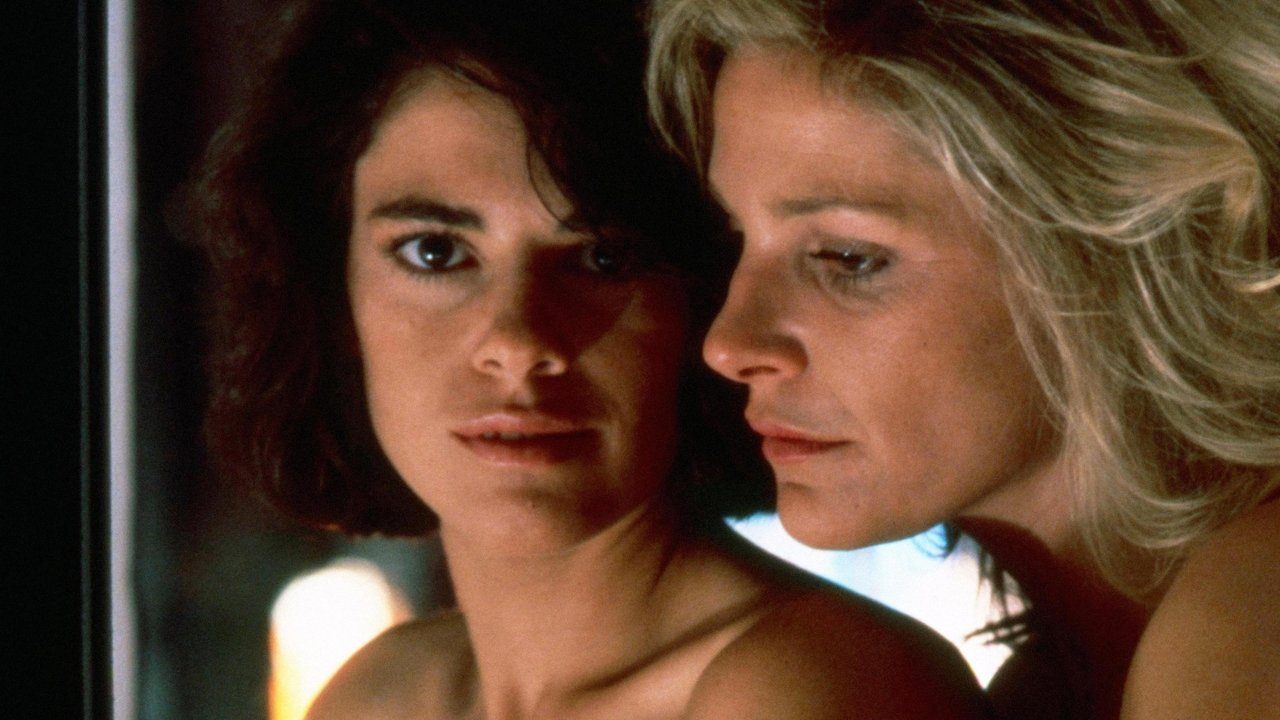
What elevates Desert Hearts beyond a simple forbidden romance narrative is the sheer authenticity of the performances. Helen Shaver is extraordinary as Vivian. You see the years of repression etched onto her face, the cautious curiosity warring with ingrained propriety. Her journey isn't sudden; it's a gradual thawing, a painful but necessary shedding of an old identity. Shaver conveys multitudes with the slightest hesitation, a flicker in her eyes, the way she holds herself as if braced against an invisible impact. It’s a masterclass in internalised conflict giving way to tentative hope.
Opposite her, Patricia Charbonneau, in a star-making turn, embodies Cay's captivating blend of vulnerability and self-assurance. Cay isn't just a catalyst for Vivian; she has her own complexities, her own yearning for connection beneath the seemingly carefree exterior. Their chemistry isn't explosive melodrama; it's a palpable, simmering tension built on stolen glances, hesitant touches, and conversations crackling with unspoken meaning. It feels real, grounded in the awkward, exhilarating uncertainty of mutual attraction blooming in an environment where such feelings were profoundly discouraged, if not outright dangerous.

Crafting Intimacy Against the Odds
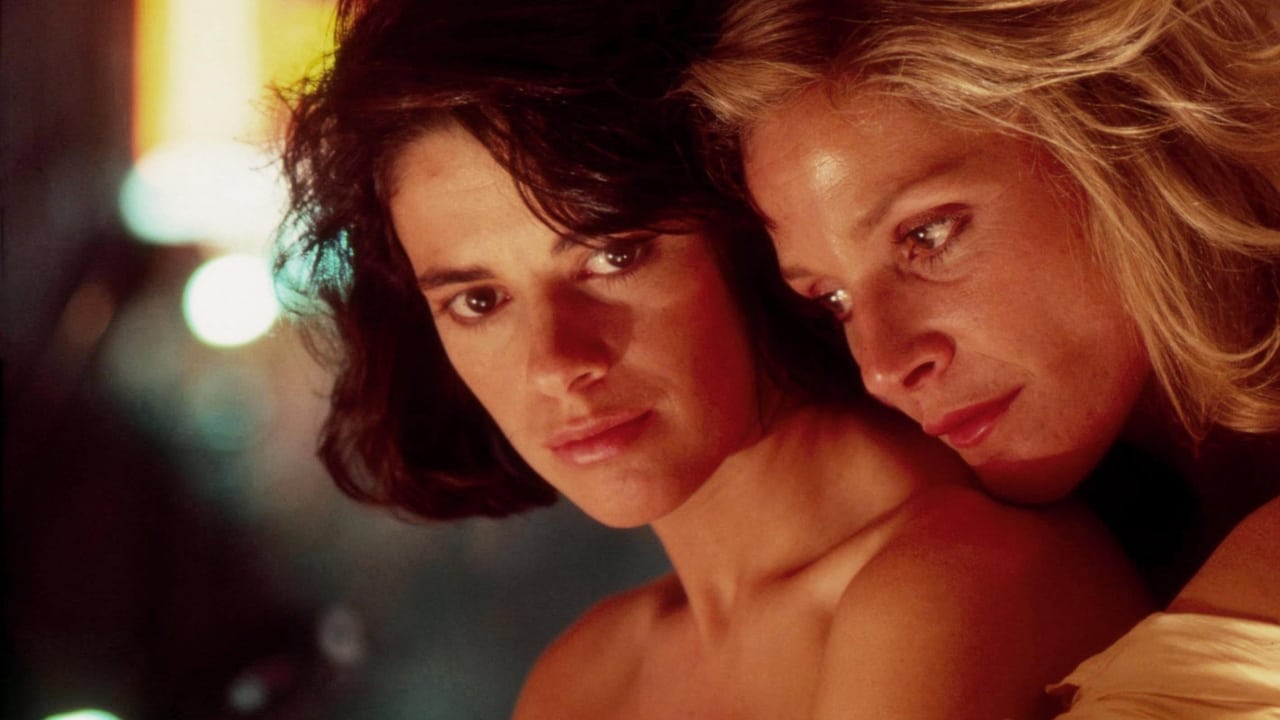
Director Donna Deitch deserves immense credit for the film's sensitive handling of its subject matter, particularly revolutionary for 1985. It’s a film directed with a gaze that feels both intimate and respectful, focusing on emotional honesty rather than exploitation. The now-famous love scene is handled with a directness and tenderness that was groundbreaking, centering the female experience in a way rarely seen in mainstream cinema at the time.
It's fascinating to learn that Deitch financed the film independently, reportedly raising the roughly $1.5 million budget through sheer tenacity, including selling shares and hosting fundraising events. This independence likely shielded the project from potential studio interference that might have sanitized or sensationalized the central relationship. This wasn't just a movie; it was a passion project fighting its way onto the screen, fueled by the belief that this story needed to be told. You feel that conviction in the final product – its refusal to compromise on the emotional truth of its characters. Shot on location in Reno, the film uses the wide-open, yet strangely isolating, desert landscape to amplify the characters' internal states, making the environment itself a subtle character.
A Quietly Radical Act
Watching Desert Hearts again, decades after first discovering it likely nestled on a shelf in a well-worn VHS box, its significance feels even clearer. In an era when LGBTQ+ stories, particularly those focused on women, were often relegated to tragedy or subtext, Deitch offered something radical: a story about lesbian love with a hopeful, emotionally satisfying conclusion. It doesn't shy away from the societal pressures of 1959, but it ultimately affirms the characters' right to seek happiness on their own terms. Doesn't that quiet bravery still resonate, that insistence on personal truth even when the world pushes back?
It wasn’t a box office smash upon release (making back its budget but not setting the world on fire initially), but its victory at the Sundance Film Festival (winning the Dramatic Grand Prize) hinted at its quality, and its status as a landmark of independent and queer cinema grew steadily over the years. For many, renting this tape felt like finding a secret, a validation, a beautifully crafted story that spoke to experiences often ignored by Hollywood.
Rating: 9/10
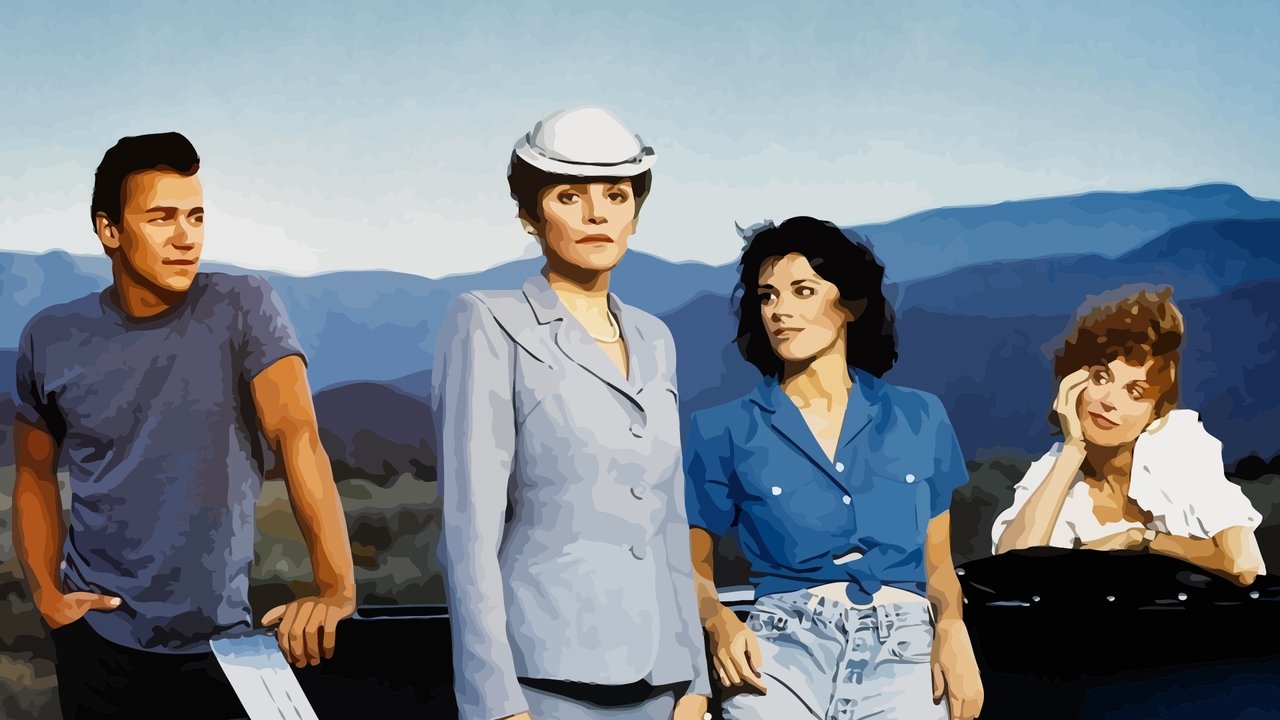
This score reflects the film's powerful and authentic performances, particularly from Shaver and Charbonneau, Deitch's sensitive and groundbreaking direction, its enduring atmospheric quality, and its historical significance. It avoids melodrama, focusing instead on nuanced emotional reality, making its impact feel earned and deeply resonant. While perhaps a touch slow for some modern pacing sensibilities, its deliberate rhythm is integral to its power, allowing the relationship and Vivian’s transformation to unfold organically.
Desert Hearts remains a vital piece of filmmaking – a quiet, intimate, yet profoundly moving story about the courage it takes to listen to your own heart, even when its beat leads you down an unexpected path under the vast, indifferent desert sky. It’s a film that stays with you, a gentle insistence on the power of love and self-acceptance that feels timeless.