It arrives not with a whisper, but a blaze. From its opening moments, Jean-Jacques Beineix's Betty Blue (1986) – or 37°2 le matin, its evocative original French title hinting at a fever pitch – immerses you in a world of blinding colour and consuming passion. There's an immediacy to it, a sense of diving headfirst into the turbulent waters of an unforgettable relationship, that felt utterly distinct on the shelves of the video store, nestled amongst the more predictable action and comedy tapes. This wasn't just a movie; it felt like mainlining pure, unadulterated emotion.
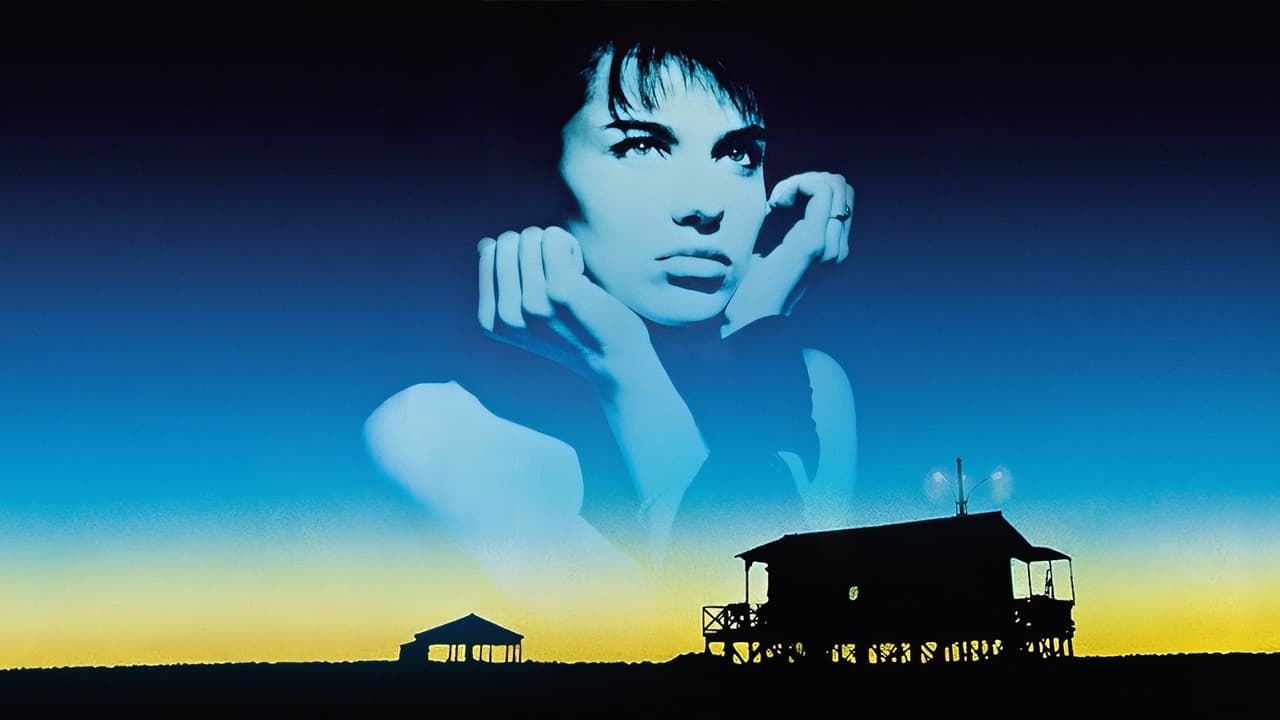
A Love That Burns Brighter, Then Burns Out
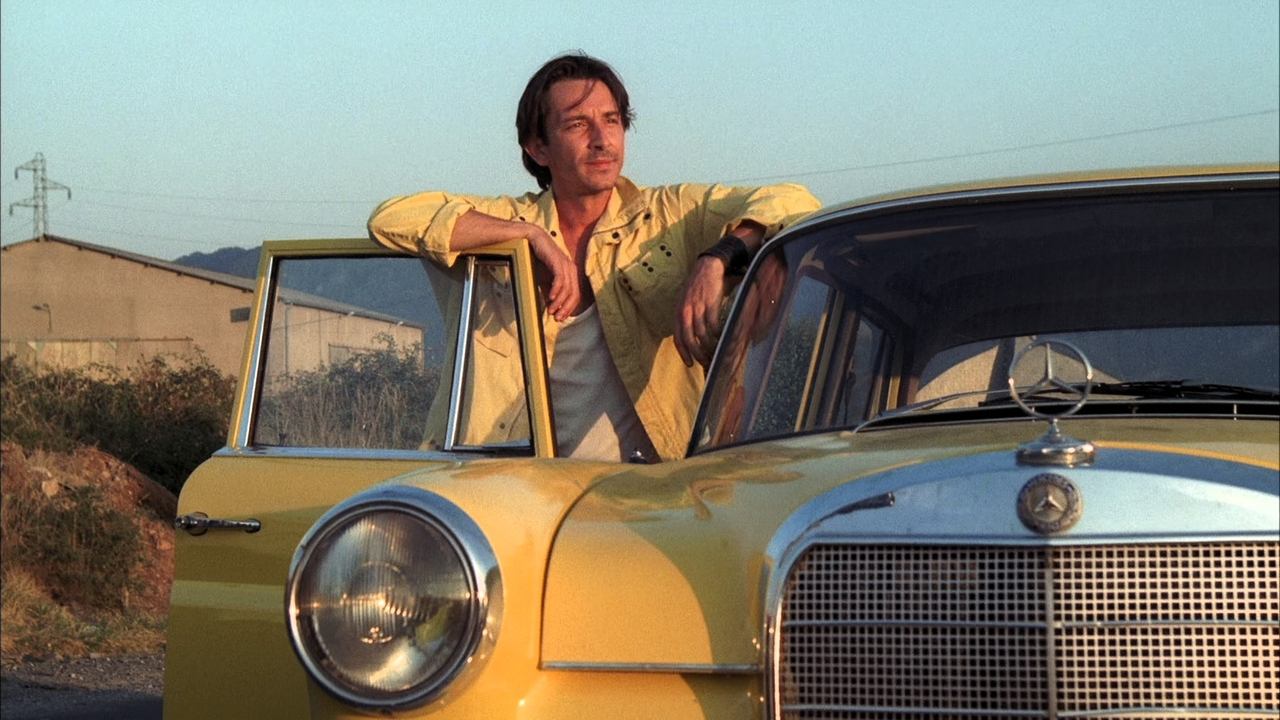
At its heart, Betty Blue is the story of Zorg (Jean-Hugues Anglade), a handyman living a simple life in a collection of beachside bungalows, and Betty (Béatrice Dalle), the volatile, captivating young woman who storms into his existence. Their initial connection is electric, fuelled by intense physical passion and Betty's unwavering, almost ferocious belief in Zorg's untapped talent as a writer. She finds his hidden manuscript, declares it a masterpiece, and makes its publication her singular obsession. It's a devotion that initially seems wildly romantic, the kind of fierce loyalty many might dream of. Anglade portrays Zorg with a soulful weariness, swept along by Betty's whirlwind energy, his love mixing with a growing sense of bewilderment and helplessness.
But it's Béatrice Dalle, in her astonishing screen debut, who truly sets the film alight. Discovered by Beineix reportedly through a modeling photo, Dalle possesses a raw, untamed energy that feels utterly authentic and often genuinely unsettling. She embodies Betty's wild mood swings – from playful sensuality to sudden, terrifying rage – with a fearless lack of inhibition. There's no vanity, no holding back; it’s a performance of pure, visceral force that instantly cemented her as an icon of French cinema. You understand Zorg's fascination, even as you witness the destructive spiral Betty is caught in. Her passion isn't just supportive; it's consuming, and ultimately, self-immolating.
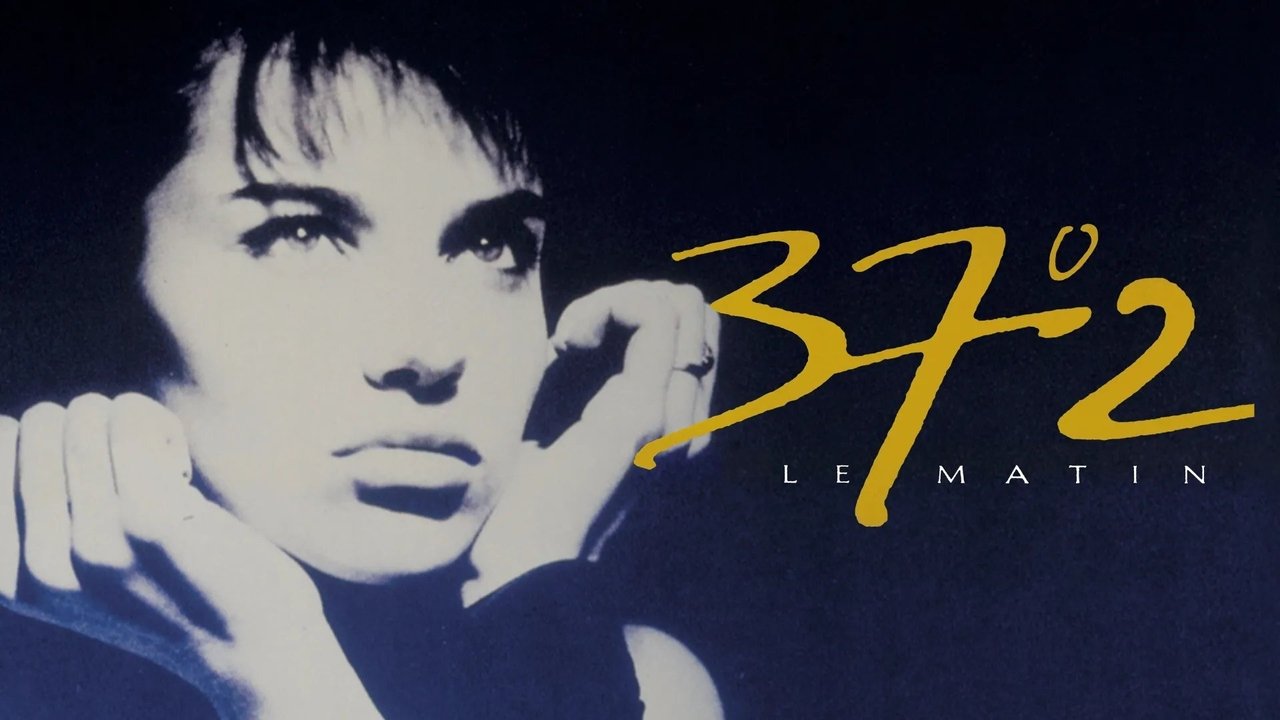
The Look of Intensity
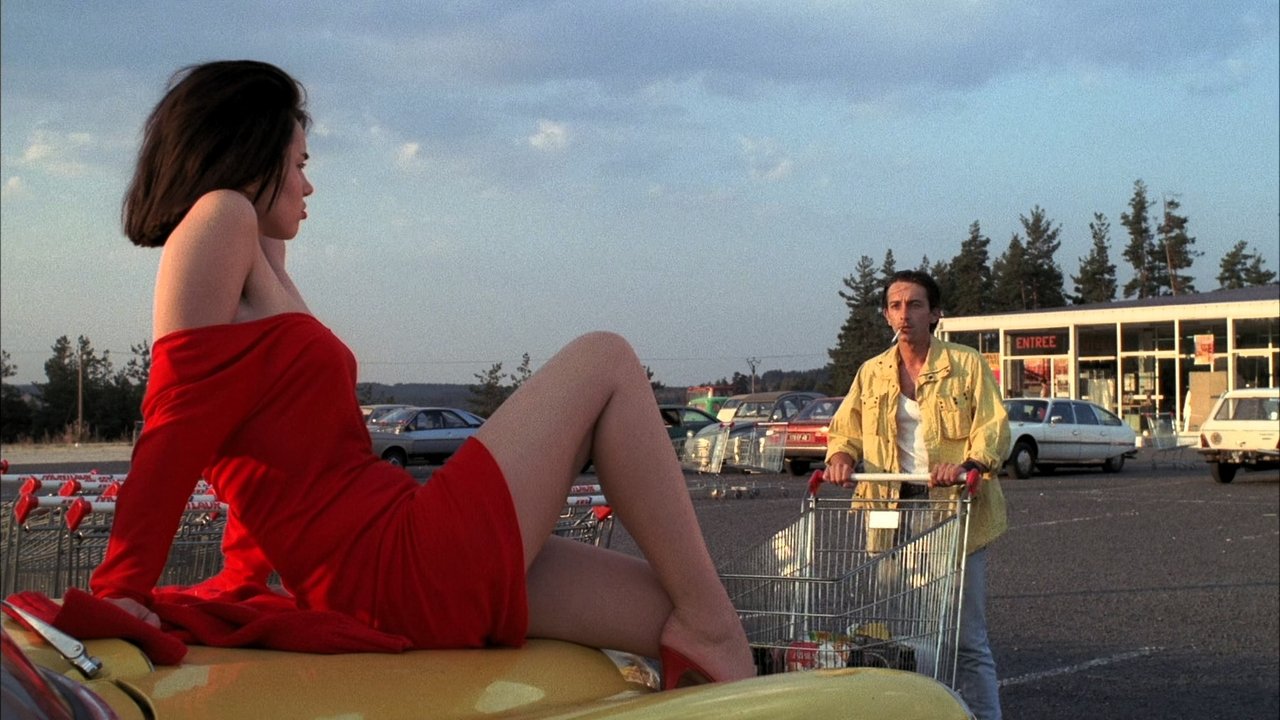
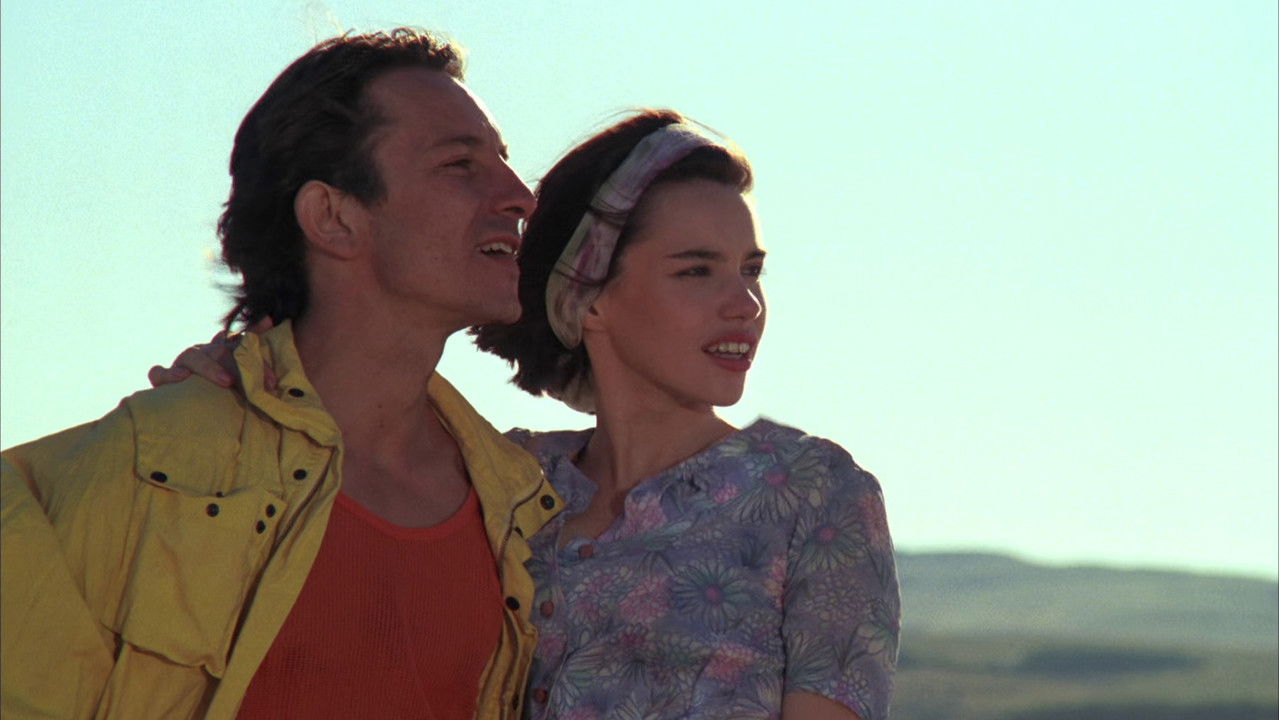
Jean-Jacques Beineix, already known for the stylish thriller Diva (1981), was a key figure in the 'cinéma du look' movement, and Betty Blue is arguably its most passionate expression. Working with cinematographer Jean-François Robin, Beineix crafts a visually stunning film. The colour palette is vibrant, almost hyperreal – deep blues, burning oranges, sun-drenched yellows. These aren't just pretty pictures; the heightened aesthetic mirrors the intensity of the emotions on screen. The famous scenes set in the beach bungalows at Gruissan in the South of France have an iconic, almost dreamlike quality. Gabriel Yared's score, too, perfectly captures the film's blend of intoxicating romance and impending tragedy.
It’s worth noting for fellow VHS hunters that the version many of us first encountered was likely the original theatrical cut. However, Beineix later released a Director's Cut (version intégrale), running nearly an hour longer. This extended version adds significant depth, particularly to Betty's backstory and the gradual nature of her breakdown, making the film feel richer, sadder, and perhaps even more harrowing. If you only saw the shorter version back in the day, seeking out the full cut offers a more complete, devastating experience. The film, adapted from Philippe Djian's novel of the same name, clearly resonated, earning an Oscar nomination for Best Foreign Language Film.
Beyond the Style: A Difficult Truth
Beneath the gorgeous visuals and the tempestuous romance, Betty Blue treads difficult ground. Betty's escalating instability, her violent outbursts, and eventual complete mental unravelling are depicted with unflinching, sometimes brutal honesty. Does the film exploit or sensationalise mental illness? It's a question worth asking. Viewed today, some might find the portrayal problematic. Yet, there's an undeniable power in its refusal to look away, in its depiction of Zorg's unwavering love even in the face of utter devastation. His final act, shocking as it is, feels born not of malice, but of a profound, heartbreaking love and a desperate desire to preserve the memory of the woman he adored before the fire consumed her entirely. (Spoiler Alert!) The moment Zorg blinds Betty to prevent her from harming herself further, and his later actions, remain deeply unsettling and provoke questions about love, desperation, and mercy that linger long after the credits roll.
The film wasn't without controversy, facing censorship issues in some territories due to its frank depiction of sexuality and its challenging themes. It certainly wasn't – and isn't – an easy watch. I remember renting the tape, drawn perhaps by the cover art or the foreign film mystique, and being unprepared for the emotional wringer it put me through. It felt leagues away from the Hollywood films I was used to – more raw, more explicit, more emotionally naked.
Enduring Intensity
Betty Blue is a film that sears itself into your memory. It's beautiful, passionate, deeply disturbing, and ultimately heartbreaking. Dalle's performance remains iconic, a benchmark of raw screen presence. Beineix's stylistic flair creates a world that feels both heightened and immediate. While its handling of mental health themes invites discussion, the film's power as a portrait of obsessive, destructive love is undeniable. It’s a quintessential piece of 80s art house cinema that still feels potent and challenging today.
Rating: 8.5/10
This score reflects the film's undeniable artistic merit, its stunning visuals, the unforgettable power of Béatrice Dalle's performance, and its lasting cult status. It's a demanding, emotionally draining experience, and its portrayal of mental illness might feel uncomfortable through a modern lens, preventing a higher score. Yet, its sheer intensity and audacious artistry make it a landmark of its era.
It leaves you breathless, maybe a little bruised, pondering the terrifying fragility that can lie beneath the most incandescent passion. What remains when the fire burns out?