That first chord hits, doesn't it? The opening notes of John Parr's "St. Elmo's Fire (Man in Motion)" instantly transport you back. Suddenly, you're not just thinking about the movie, but about a specific feeling – that potent, confusing cocktail of uncertainty, ambition, and intense friendship that bubbles up right after graduation. It's a feeling Joel Schumacher's 1985 film St. Elmo's Fire dives headfirst into, emerging with something messy, often frustrating, yet undeniably resonant for a certain slice of the 80s zeitgeist.
### The Pack is Back (Or Just Arrived?)
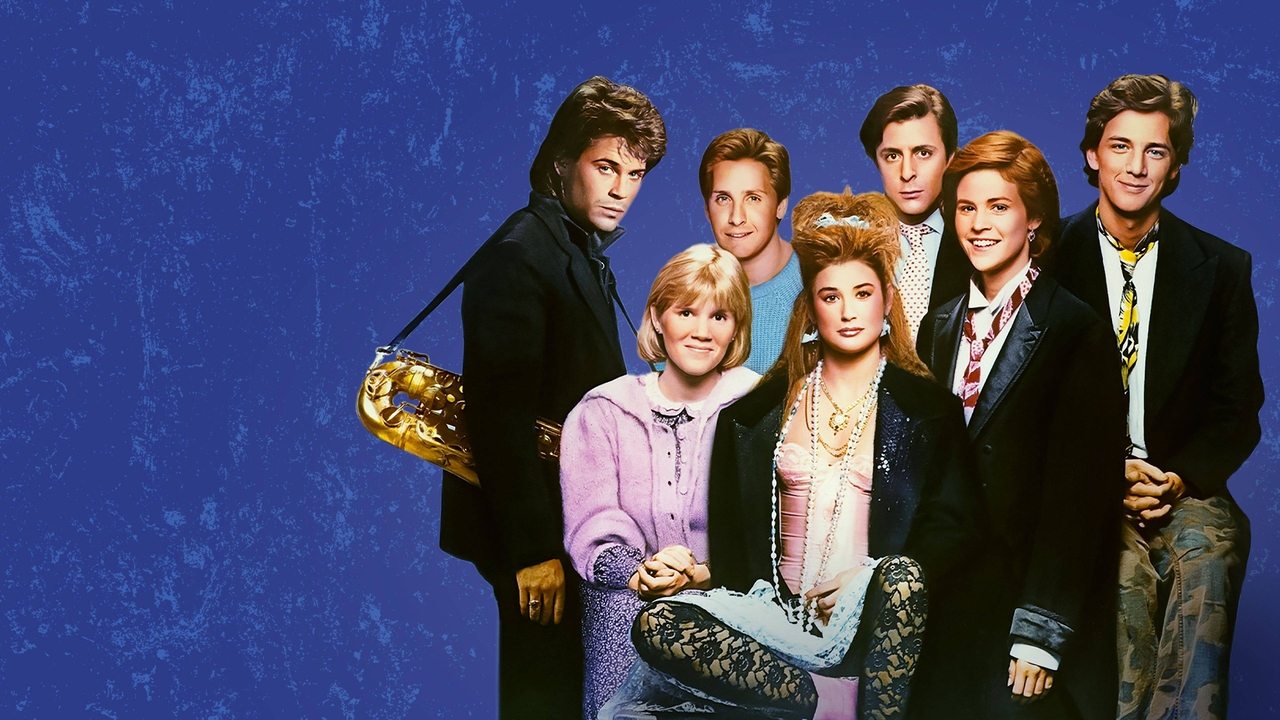
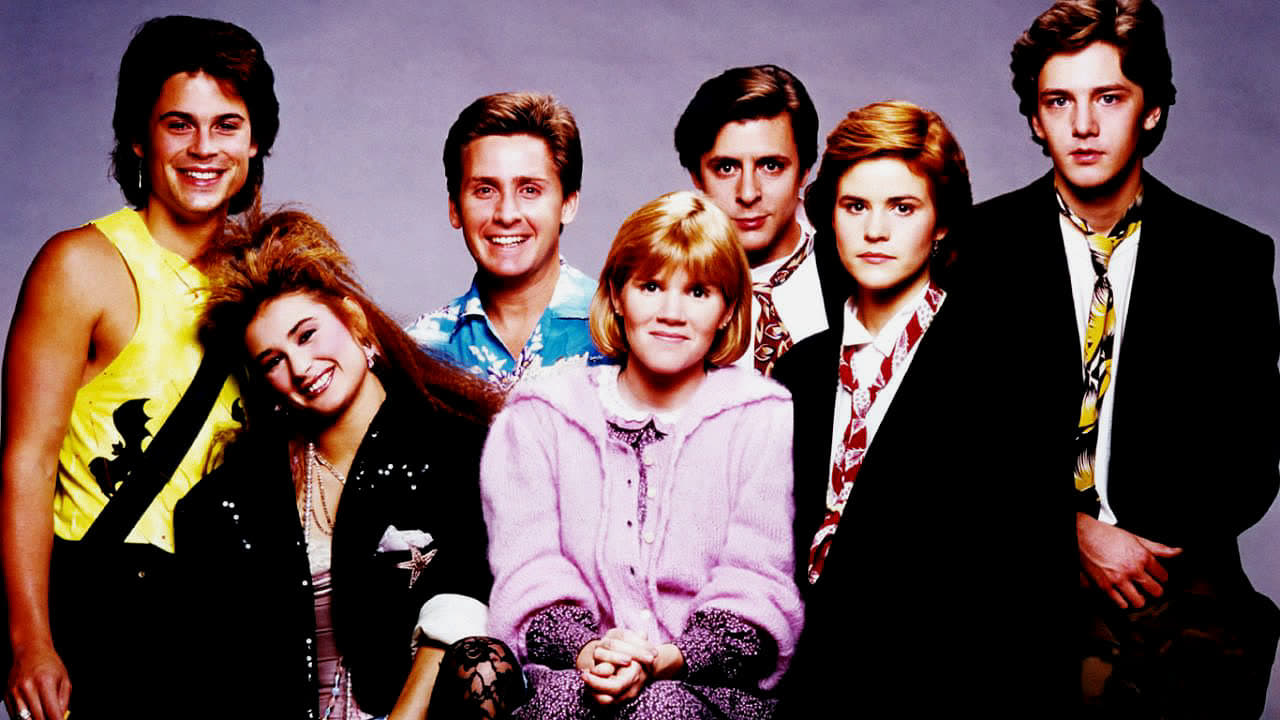
Released the same year as The Breakfast Club, St. Elmo's Fire arguably did more to cement the "Brat Pack" label in the public consciousness. Seeing Emilio Estevez, Rob Lowe, Andrew McCarthy, Demi Moore, Judd Nelson, Ally Sheedy, and Mare Winningham together again, this time navigating the choppy waters of post-collegiate life in Georgetown, felt like a statement. This wasn't high school detention; this was supposed to be adulthood, yet the anxieties felt strangely familiar, just amplified. It’s fascinating trivia that the very term "Brat Pack" was popularized by a New York Magazine article published around the time of this film's release – a label many of the actors reportedly bristled at, but one that stuck firmly, thanks in no small part to the combined star power on display here. Schumacher and co-writer Carl Kurlander were drawing loosely from Kurlander's own experiences, aiming to capture that specific limbo between structured education and the terrifying freedom of "real life."
### Georgetown Gloss
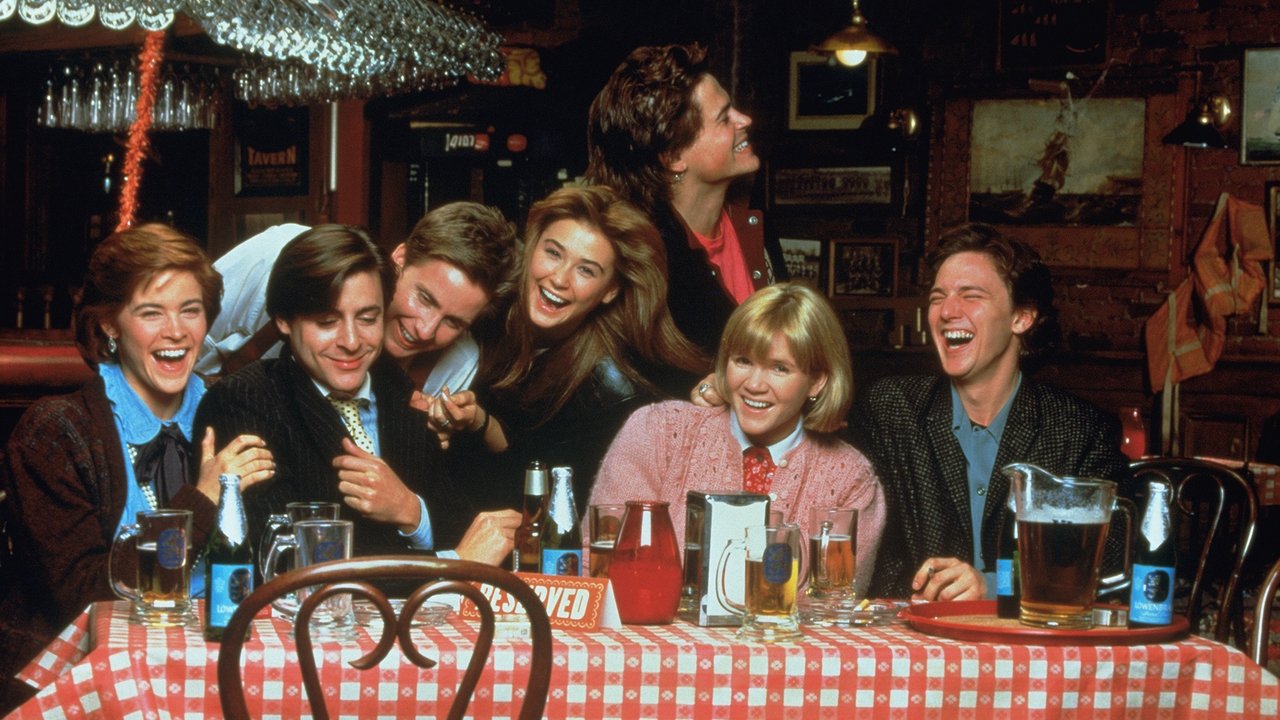
The film paints a picture of Washington D.C.'s affluent Georgetown neighborhood – the brick townhouses, the cozy-yet-smoky eponymous bar where our septet congregates to dissect their lives. Yet, much like the characters' often superficial grasp on maturity, the setting itself was largely an illusion. While some exteriors provide authentic flavor, the lion's share of St. Elmo's Fire was constructed on Hollywood soundstages, including the iconic bar itself. This slightly artificial gloss, a hallmark of director Joel Schumacher (who would later bring us films like Flatliners (1990) and Falling Down (1993)), actually works in a peculiar way. It reflects the characters' own curated exteriors, their struggles hidden beneath layers of fashionable angst and yuppie aspirations.
### Navigating the Angst
Let's be honest: spending time with this crew can be trying. They are often self-absorbed, make spectacularly bad decisions, and treat each other pretty poorly. There's Kirby (Emilio Estevez), whose obsession with Dale Biberman (Andie MacDowell) crosses firmly into stalker territory. Billy (Rob Lowe), the irresponsible, saxophone-playing ladies' man struggling with commitment and fatherhood (fun fact: Lowe diligently learned the fingerings for his sax solos, though the actual audio was performed by a professional). Kevin (Andrew McCarthy), the cynical writer secretly pining for Leslie (Ally Sheedy), who is herself grappling with the ambitions of her boyfriend Alec (Judd Nelson), the aspiring politico cheating on her. Jules (Demi Moore), spiraling into debt and denial with dramatic flair. And then there's Wendy (Mare Winningham), the earnest social worker from a wealthy family, quietly navigating her feelings for Billy while trying to break free from her father's expectations. Winningham, incidentally, delivered her gentle, observant performance while pregnant throughout the shoot.
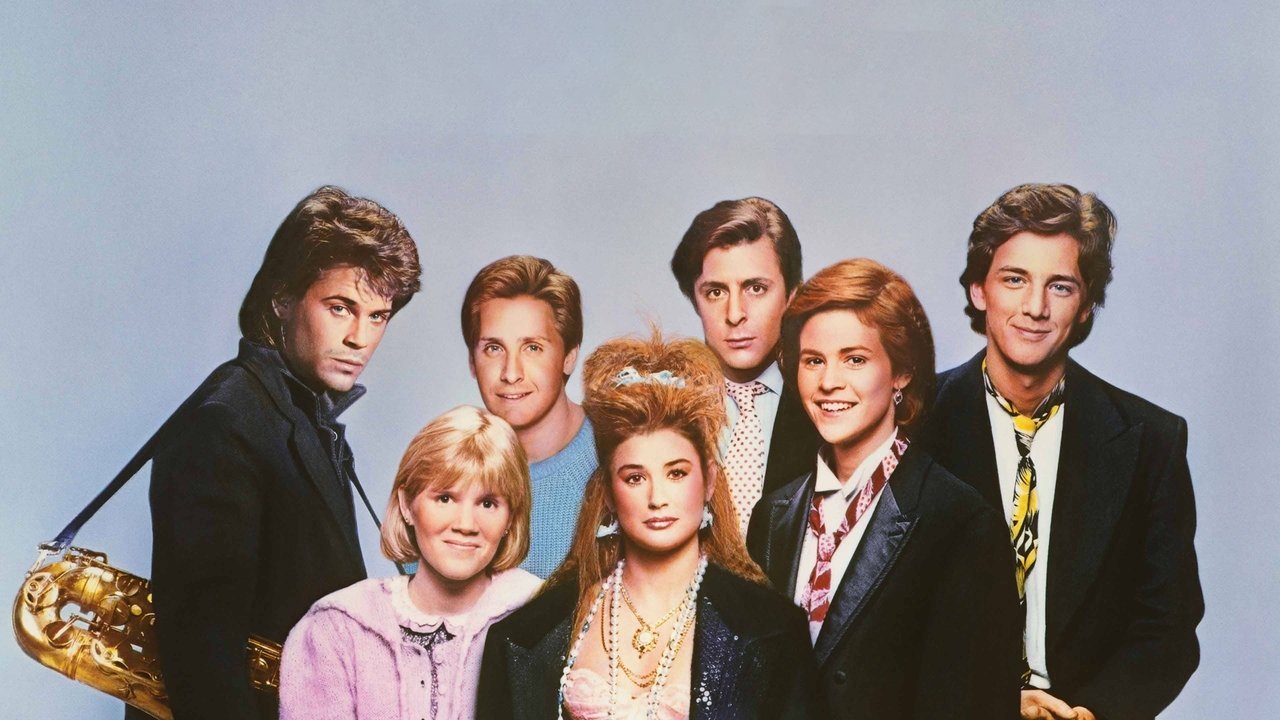
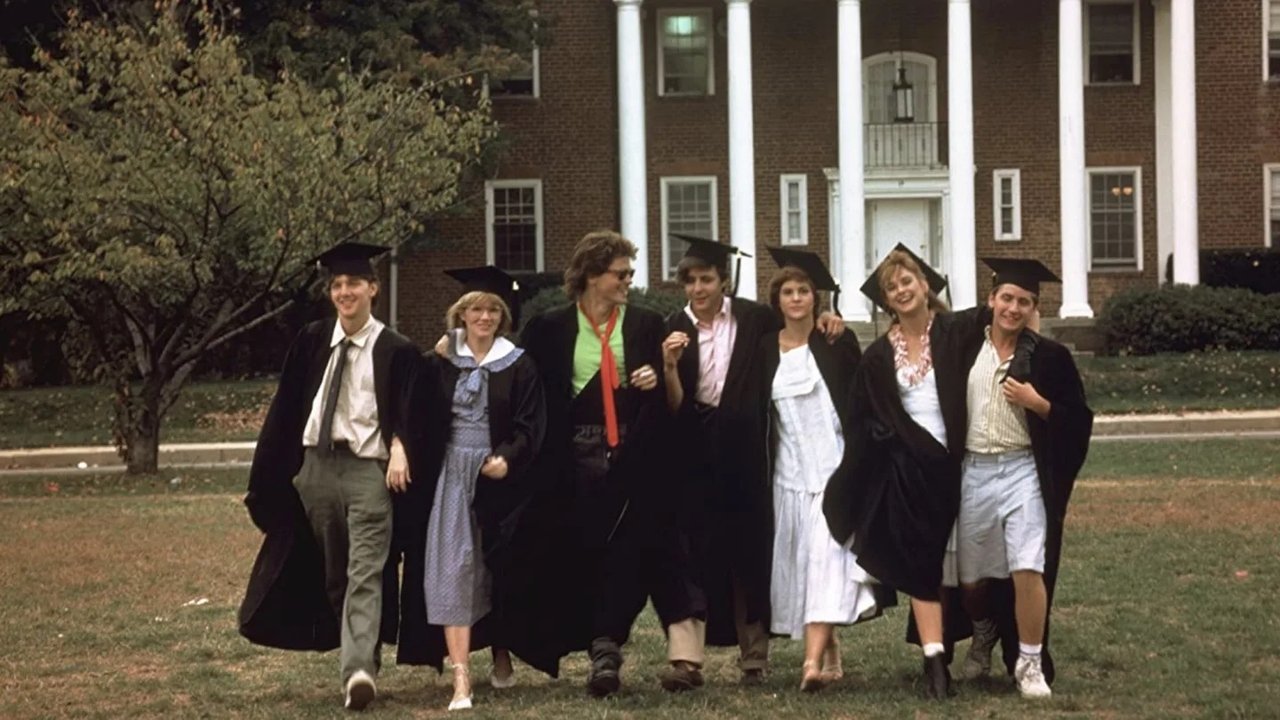
Their problems might seem trivial or self-inflicted from a distance, but there's an uncomfortable truthfulness to their flailing. Haven't we all known people like this, or perhaps been aspects of them, during periods of intense transition? The film doesn't necessarily ask you to like them, but perhaps to recognize the messy reality of figuring things out. Their struggles with love, career, identity, and the terrifying prospect of their friendships changing – these themes, however melodramatically presented, struck a chord.
### The Sound and the Fury
Beyond the cast, the film's enduring power arguably lies in its soundtrack, masterminded by David Foster. That soaring theme song? It almost wasn't the theme song. John Parr had written "Man in Motion" inspired by Canadian athlete Rick Hansen's incredible journey, but Schumacher, captivated by the title St. Elmo's Fire (a weather phenomenon sometimes seen on ships), persuaded Parr to tweak the lyrics to better fit the film's narrative of striving and overcoming. The result was a chart-topping behemoth that perfectly captured the film's blend of yearning and 80s power-ballad optimism. The score and song choices are pure, distilled 1985, contributing immensely to the film's specific atmosphere.
### Critical Darlings vs. Audience Connection
It’s worth remembering that St. Elmo's Fire wasn't exactly embraced by critics upon release. Many found the characters insufferable and the plot unfocused – Roger Ebert, for instance, famously gave it a lukewarm two stars, criticizing its lack of narrative drive. Yet, audiences, particularly young adults grappling with similar uncertainties, connected with it. Made on a budget of around $10 million, it pulled in over $37 million domestically, proving a significant commercial success. It tapped into something raw and relatable for its target demographic, even if critics saw only surface-level angst. This disconnect highlights how sometimes a film's cultural resonance outweighs its critical standing, especially when viewed through the lens of nostalgia.
### Lasting Embers
Watching St. Elmo's Fire today is a fascinating experience. The fashion is loud, the hairstyles gravity-defying, and the yuppie anxieties feel distinctly of their era. Some plot points feel uncomfortable now (Kirby's pursuit, particularly), and the characters' self-pity can grate. But there's still something compelling about witnessing this group navigate the messy transition into adulthood, clinging to the familiarity of their shared past even as the future pulls them in different directions. It captures that specific moment when friendships feel like the only anchor in a sea of uncertainty. Does it offer profound insights? Perhaps not consistently. But does it evoke a powerful sense of time and place, and the confusing emotions tied to growing up? Absolutely.
Rating: 6/10
Justification: St. Elmo's Fire gets a 6 primarily for its cultural significance as a key "Brat Pack" film and its near-perfect capture of a specific 80s post-collegiate mood, amplified by an unforgettable soundtrack. The performances are committed, embodying youthful angst effectively, even if the characters themselves are often unlikeable and the script feels thin and episodic. Its flaws are significant – the self-absorption can be overwhelming, and some storylines haven't aged well – but its power as a nostalgic time capsule and its resonance with audiences at the time earn it a place in the VHS Heaven archives, albeit one best approached with a degree of affectionate forbearance.
It remains a potent reminder that sometimes, the most confusing fires we navigate are the ones burning within our own tightly-knit, dramatically messy circles of friends.