It begins, as so many dreams do, with a bus pulling into Nashville. We’ve seen this story before, haven’t we? The hopeful young talent arriving in Music City, guitar case in hand, eyes wide with the possibilities shimmering in the Tennessee heat. Yet, Peter Bogdanovich’s The Thing Called Love (1993) manages to capture something uniquely fragile and sincere within that familiar framework, a feeling amplified considerably by the passage of time and the poignant shadow cast by its star, River Phoenix. Watching it now feels less like revisiting a forgotten early 90s curio and more like opening a time capsule filled with raw ambition, tentative romance, and the ghosts of what might have been.
Nashville Dreams and Bluebird Hopes
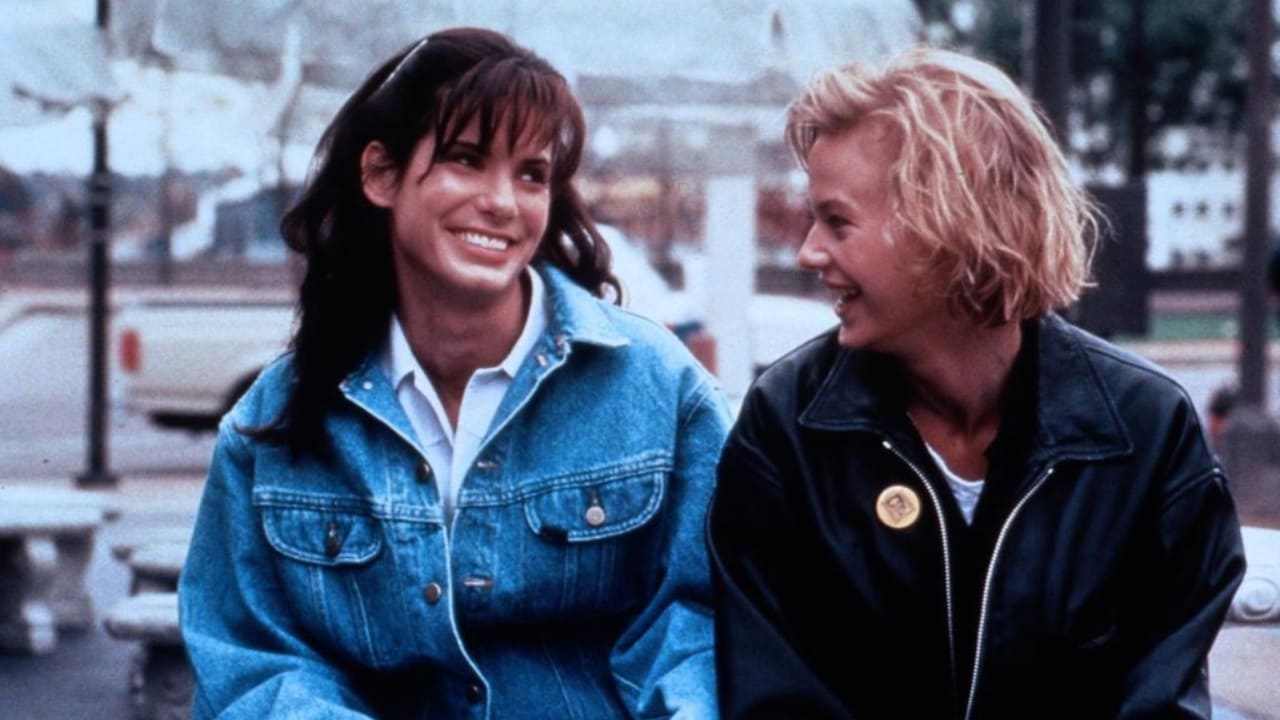
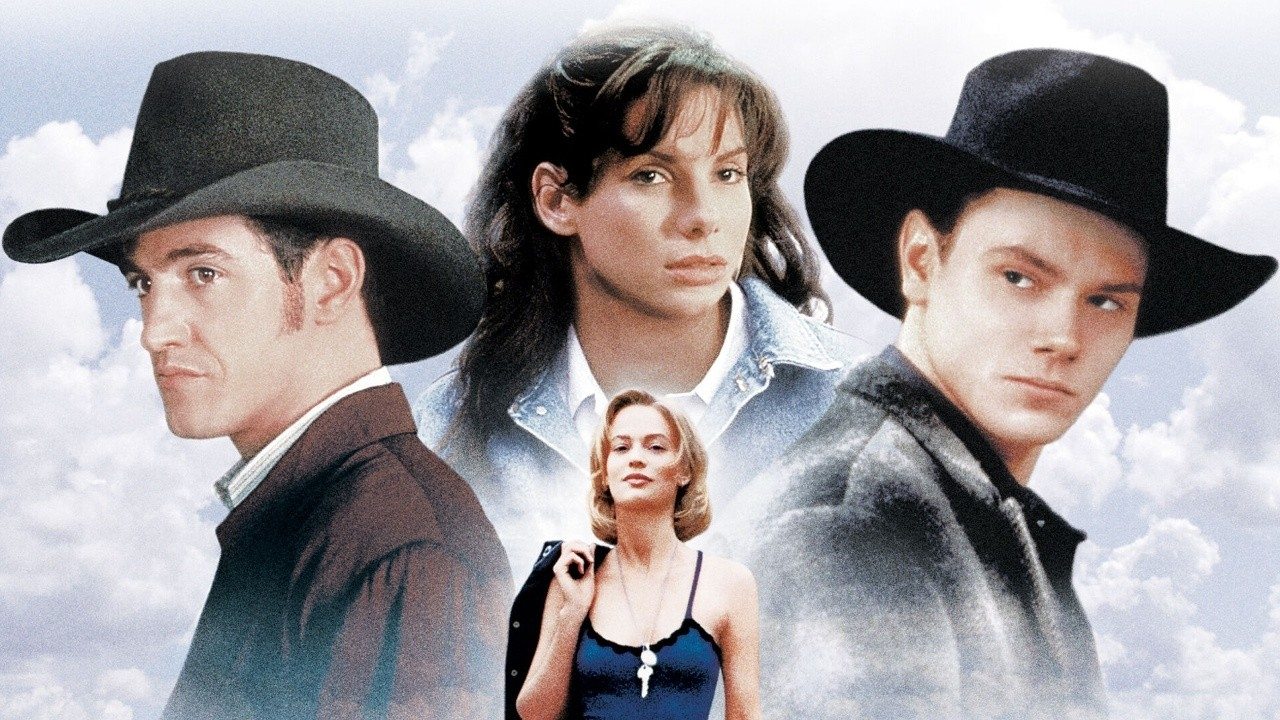
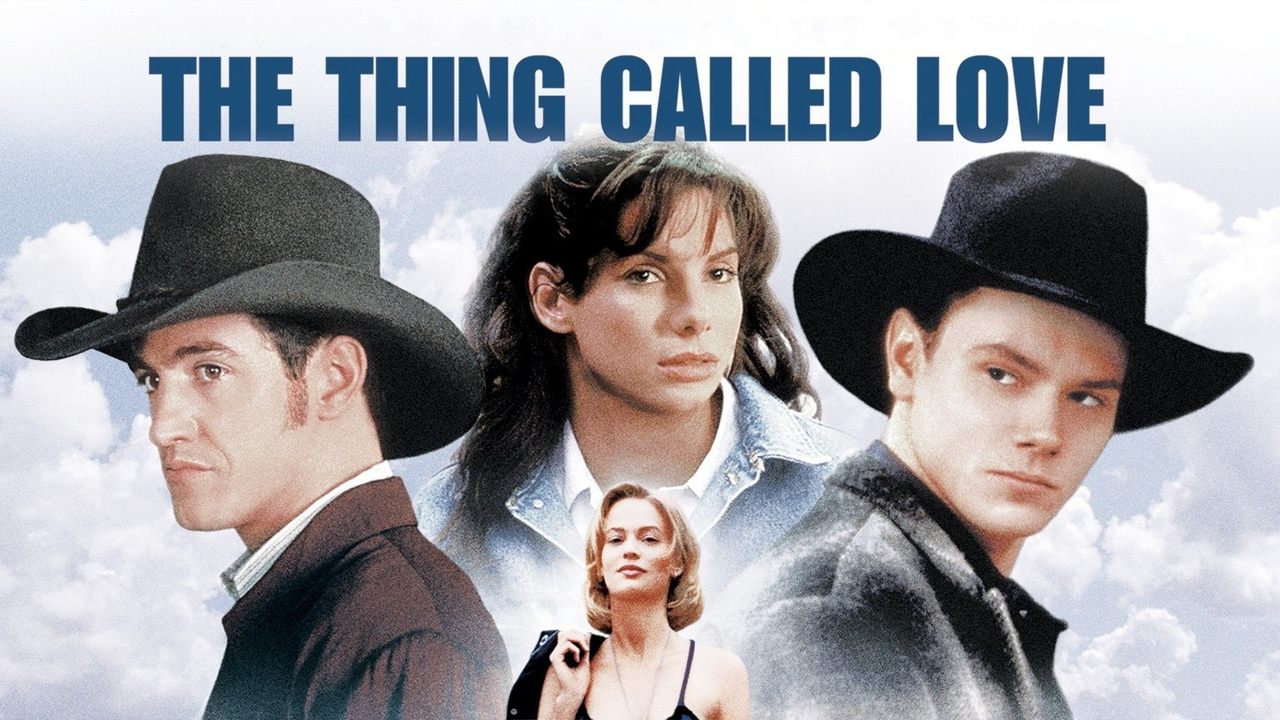
The film centers on Miranda Presley (Samantha Mathis), a New Yorker chasing a country music dream, who finds herself navigating the competitive, collaborative, and often confusing world of aspiring songwriters congregating around the legendary Bluebird Cafe. It's there she falls in with a trio of fellow hopefuls: the intensely charismatic and deeply troubled James Wright (River Phoenix), the charmingly smooth Kyle Davidson (Dermot Mulroney), and the pragmatic, Alabama-bred Linda Lue Linden (Sandra Bullock, just before Speed (1994) launched her into the stratosphere). The plot isn't driven by grand events, but by the smaller currents of writing sessions, open mic nights, burgeoning relationships, and the everyday heartaches and triumphs of pursuing a notoriously difficult dream.
Bogdanovich, a director often associated with sharper, more cynical works like The Last Picture Show (1971) or screwball comedies like What's Up, Doc? (1972), brings a surprisingly gentle touch here. He lets the camera linger on his young cast, capturing the nervous energy before a performance or the quiet intimacy of a shared song. The script, penned by Carol Heikkinen in her feature debut (inspired by her own experiences trying to make it as a songwriter in Nashville), prioritizes character moments and atmosphere over intricate plotting. It’s a film that feels like hanging out, listening to music, falling in and out of love – sometimes messy, sometimes sweet, always earnest.
A Quartet of Yearning Hearts
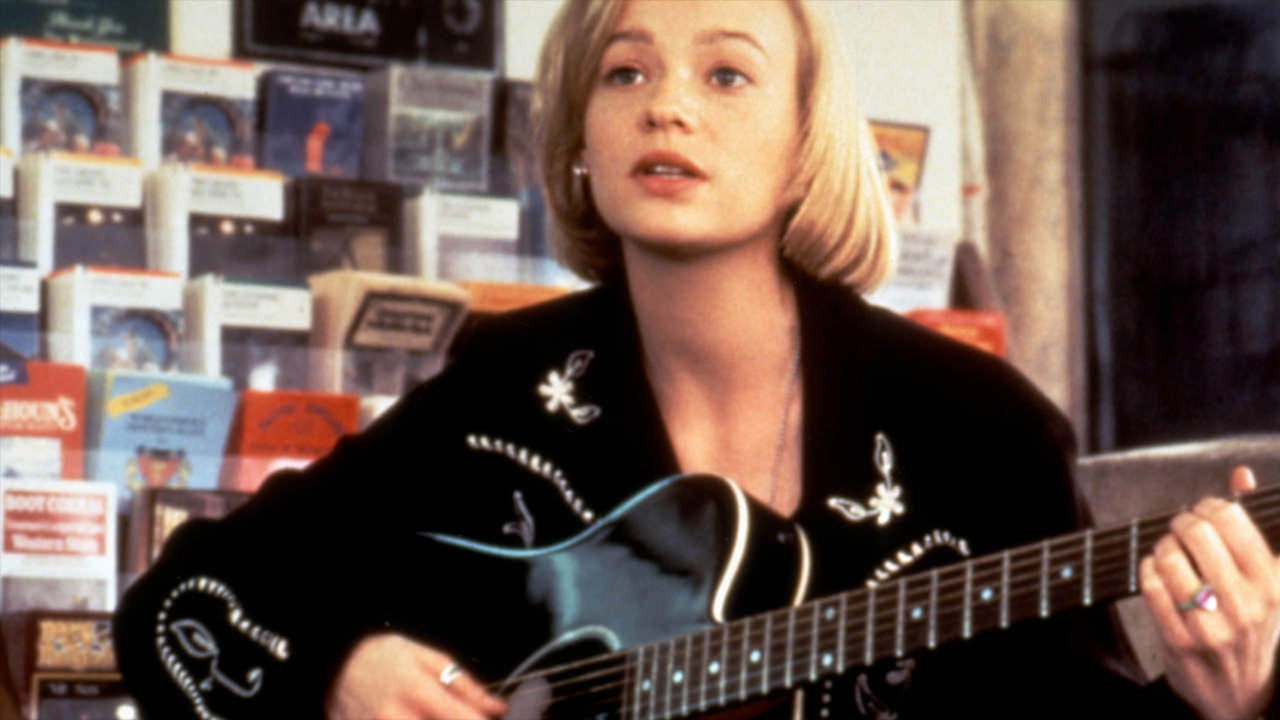
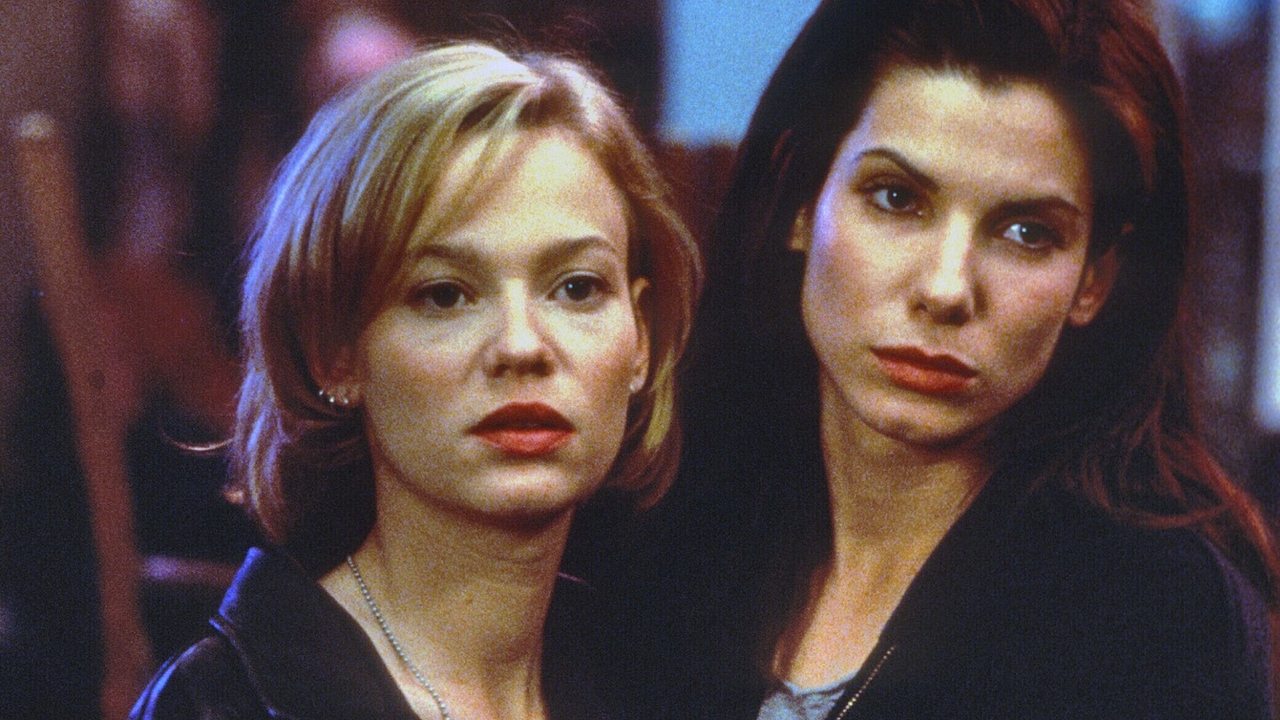
What truly elevates The Thing Called Love beyond a standard coming-of-age music drama are the performances, particularly the central quartet. Samantha Mathis embodies Miranda's blend of determination and vulnerability perfectly. You believe her wide-eyed hope, but also her resilience. Dermot Mulroney provides the easy charm as Kyle, the kind of guy who seems destined for success but perhaps lacks the raw, unpredictable spark of his friend James. And Sandra Bullock, in a role that hints at the comedic timing and relatable warmth that would soon make her a megastar, brings a grounded energy as Linda Lue, the friend who keeps everyone’s feet somewhat tethered to reality.
But inevitably, the film belongs to River Phoenix. This was his final completed role before his tragic death later in 1993, and watching him as James Wright is an almost unbearably poignant experience. He imbues James with a restless, brooding energy, a palpable sense of artistic intensity mixed with deep-seated insecurity. There's a rawness to his performance, a vulnerability that feels utterly authentic. It’s not just the character’s journey we see, but fleeting glimpses of the immense talent we lost. The real-life romance between Phoenix and Mathis during filming adds another layer of bittersweet chemistry to their scenes; their connection feels tentative, real, and charged with unspoken complexities.
The Music's Honest Voice
Crucially, the film takes its music seriously. One of the most impressive aspects is that the principal actors performed their own songs. Phoenix, Mathis, and Mulroney all learned to sing and play (or honed existing skills), lending an undeniable authenticity to the performance scenes. You feel the nerves, the passion, the occasional awkwardness – it’s not slickly dubbed professionals, but characters laying their souls bare on stage. This commitment was reportedly a key part of Bogdanovich's vision, aiming for a naturalism reminiscent of his earlier work. The film is also dotted with appearances by real country music figures like Trisha Yearwood, Jimmie Dale Gilmore, and Pam Tillis, grounding the story firmly in the world it portrays. The Bluebird Cafe itself, meticulously recreated for some scenes while using the actual location for others, feels less like a set and more like a genuine, hallowed space for aspiring artists.
Echoes in the Silence
Despite its charms and sincerity, The Thing Called Love famously struggled upon release, barely making back $1 million of its estimated $14 million budget. Perhaps the understated tone and character focus didn't connect with audiences expecting a more conventional romance or a grittier look at the music industry. It wasn't marketed strongly, and its blend of genres might have made it hard to pigeonhole. Yet, time has been kind to it, particularly for fans of Phoenix and those who appreciate quieter, character-driven films from the era. I distinctly remember seeing the VHS cover countless times at the rental store, Phoenix's intense gaze drawing me in, but somehow never picking it up until years later. Rediscovering it now feels like finding a hidden gem, flawed perhaps in its sometimes meandering narrative, but rich in atmosphere and emotional honesty.
One fascinating piece of trivia: the film’s title track, "The Thing Called Love," was actually written by the legendary John Hiatt and was a minor hit for Bonnie Raitt years earlier. Its inclusion feels fitting, capturing the film's exploration of love's elusive, often perplexing nature, both romantic and for the music itself.
Rating: 7/10
The Thing Called Love earns its 7 for its heartfelt performances, particularly River Phoenix's haunting final turn, its authentic celebration of the Nashville songwriting spirit, and its gentle, observational tone. The commitment to musical authenticity, with the actors performing their own material, adds significant value. While the plot occasionally drifts and some character arcs feel slightly underdeveloped, the film resonates with a sincerity and warmth that overcomes these flaws. It captures a specific time and place with genuine affection.
It’s a film that lingers, not because of explosive drama, but because of its quiet moments, its honest portrayal of youthful dreams, and the undeniable ache of knowing it represents the end of a tragically short, incandescent career. What remains is a bittersweet melody, a testament to the enduring power of hope, music, and that complicated thing called love.