The silhouette against the blizzard, a savior emerging from the whiteout. But sometimes, salvation wears the most terrifying mask. Sometimes, the hand that pulls you from the wreckage is the same one that will later hold the sledgehammer. That's the chilling bargain at the heart of Rob Reiner's 1990 masterpiece of claustrophobic dread, Misery, an adaptation of Stephen King's novel that still feels sharp enough to draw blood.
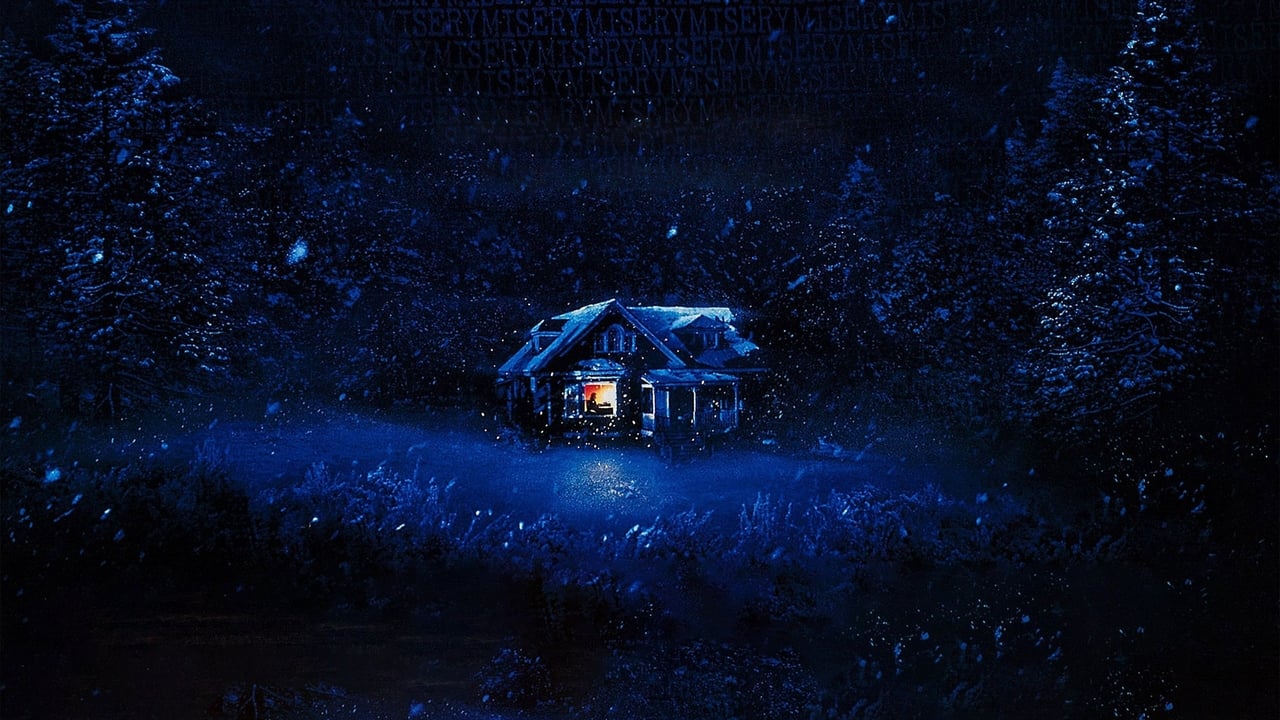
Forget haunted houses and supernatural ghouls for a moment. The terror here is agonizingly human, grounded in obsession and isolation. When famed novelist Paul Sheldon (James Caan, in a role reportedly turned down by half of Hollywood before he bravely stepped in) crashes his car during a Colorado snowstorm, he awakens in the remote home of Annie Wilkes (Kathy Bates). She's his self-proclaimed "number one fan," a nurse whose adoration initially seems like a godsend. But beneath the folksy charm and cloying compliments lurks something deeply, dangerously unstable.
A Prison Built of Fandom
What makes Misery burrow under your skin isn't jump scares, but the slow, suffocating realization of Paul's (and our) predicament. The film masterfully uses its confined setting – primarily Annie's unsettlingly kitschy farmhouse – to amplify the tension. Every creak of the floorboards, every rattle of the locked door handle, becomes a potential trigger for Annie's volatile temper. Rob Reiner, who had already proven his versatility with films like Stand by Me (another brilliant King adaptation) and The Princess Bride, shifts gears dramatically here, crafting an atmosphere thick with paranoia and helplessness. The cinematography often frames Caan vulnerably in bed, emphasizing his immobility and dependence, while Bates looms, her expressions shifting terrifyingly between maternal care and simmering rage.
The Angel of Mercy (and Pain)
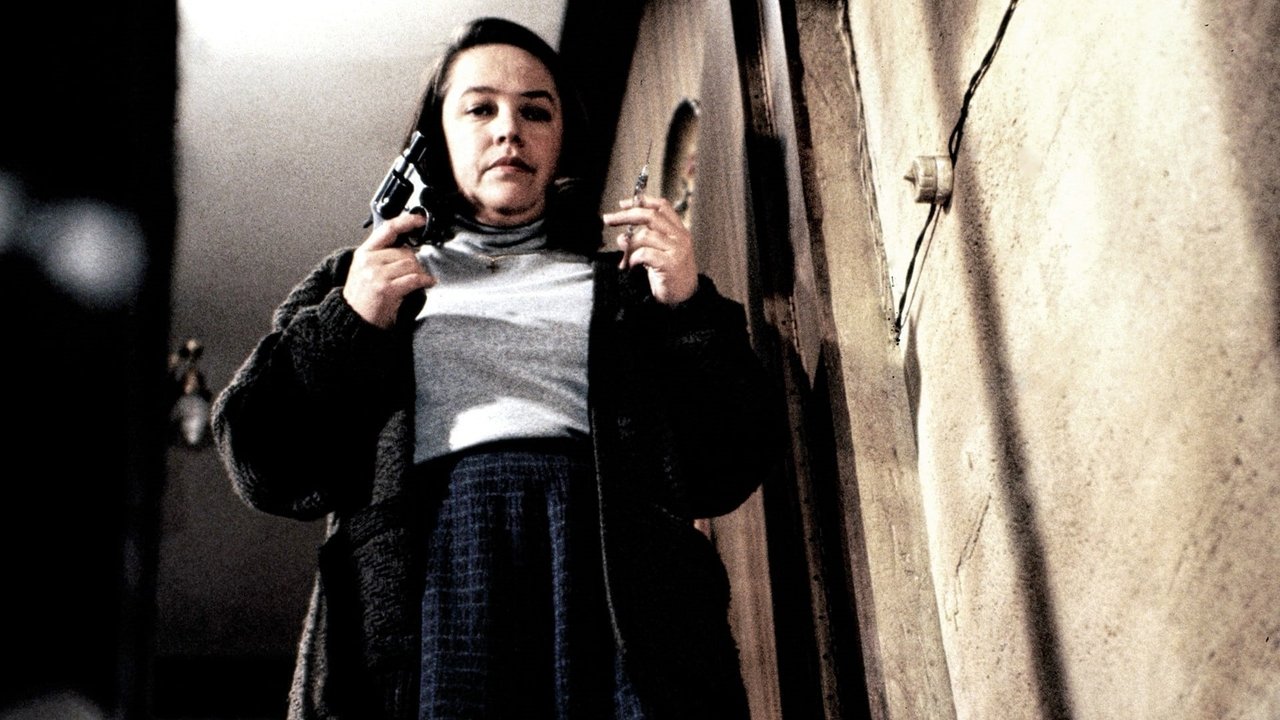
Let's be honest: Misery belongs to Kathy Bates. Her performance as Annie Wilkes isn't just iconic; it's a masterclass in portraying fractured psychology. It rightfully earned her the Academy Award for Best Actress, a rare feat for a horror/thriller role. She embodies the terrifying paradox of the character – the woman who lovingly spoons soup into Paul's mouth one minute and explodes with terrifying fury the next over a swear word in his manuscript. Remember that initial kindness? Doesn't it just make the inevitable turn so much more horrifying? Bates nails the saccharine sweetness, the childish pouting ("He didn't get out of the COCKADOODIE CAR!"), and the sudden, chilling shifts into violence. It’s a performance built on nuance as much as outburst. King himself has often cited Bates's Annie as one of the portrayals truest to his original vision.
James Caan, meanwhile, does exceptional work conveying mounting terror and desperation largely from a horizontal position. His Paul Sheldon is intelligent and resourceful, but physically broken, making his attempts to outwit Annie fraught with peril. The supporting roles, though brief, are effective, particularly the great Richard Farnsworth as the folksy but sharp local sheriff, Buster, whose investigation provides the film's main link to the outside world and a sliver of hope that feels increasingly fragile.
Retro Fun Facts: The Making of Madness
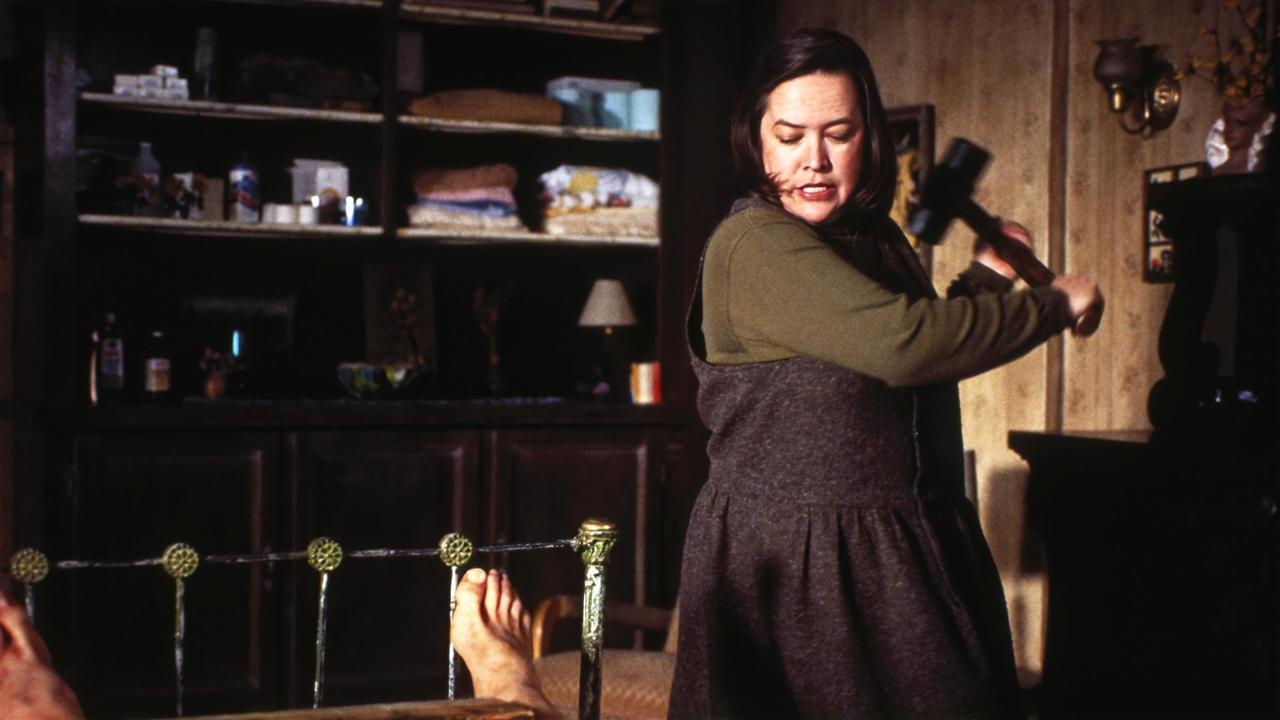
Adapting King is always tricky, but legendary screenwriter William Goldman (All the President's Men, Butch Cassidy and the Sundance Kid) delivers a script that’s lean, mean, and surgically precise. He famously streamlined King's narrative, focusing squarely on the psychological duel between Paul and Annie. One of the most significant changes involved that notorious scene. Spoiler Alert! In the novel, Annie amputates Paul's foot with an axe. Goldman and Reiner felt this might be too gruesome for mainstream audiences (and perhaps push the film into pure exploitation territory). The "hobbling" scene, involving a sledgehammer and ankle-breaking, was conceived as a slightly less (but still utterly horrifying) alternative. The sheer sound design in that moment, coupled with Caan's agonized reaction (apparently achieved through genuine surprise and reaction to the filming intensity), seared itself into the nightmares of anyone who rented this tape back in the day. Filming the scene was reportedly incredibly tense for all involved. Bates herself found the sequence deeply disturbing to perform, a testament to its visceral power.
The production itself leaned into the isolation, filming exteriors near Truckee, California, and Genoa, Nevada, capturing that sense of being snowbound and cut off. The budget was around $20 million, and it became a significant hit, grossing over $61 million domestically – proving audiences were ready for this kind of grounded, psychological horror.
The Enduring Chill
Misery isn't just a scary movie; it's a deeply unsettling exploration of fandom warped into pathology, creativity held hostage, and the terrifying intimacy of captivity. It taps into primal fears of helplessness and violation. Annie Wilkes remains one of cinema's most terrifying villains precisely because she feels disturbingly possible. There are no ghosts here, only the monster next door, the one who smiles while sharpening the knife (or readying the sledgehammer). Its influence can be seen in countless subsequent thrillers that pit captor against captive in a battle of wits and wills.
***
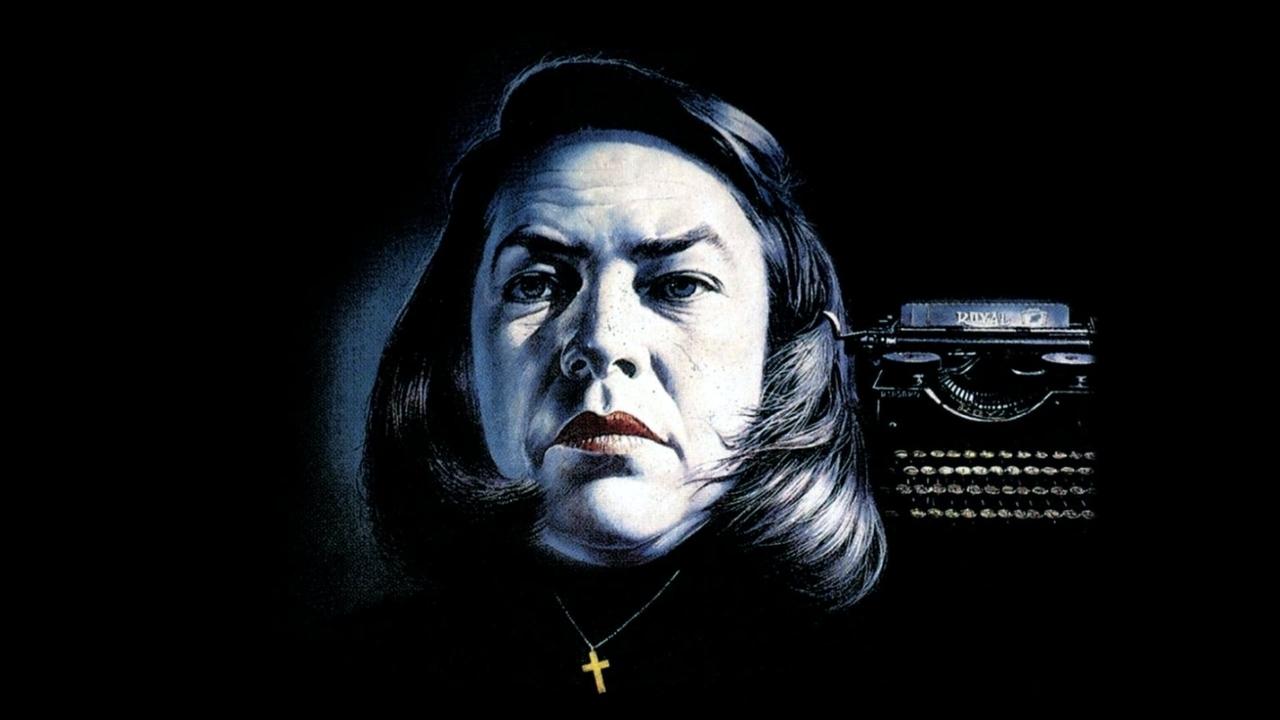
VHS Heaven Rating: 9/10
Justification: Misery is a near-perfect psychological thriller. Bates's Oscar-winning performance is legendary, Caan is excellent as the trapped protagonist, and Reiner's direction creates unbearable, claustrophobic tension. The script is tight, the pacing relentless, and the infamous hobbling scene remains one of the most wince-inducing moments in film history. It loses perhaps a single point only because the sheriff subplot, while necessary, slightly diffuses the intense focus on the farmhouse dynamic at times.
Final Thought: Decades later, Misery hasn't lost an ounce of its power to disturb. It’s a film that reminds you that the most terrifying monsters don't always have claws or fangs; sometimes, they just want you to write them a happy ending. And they won't take no for an answer.