The flickering glow of the cathode ray tube barely illuminated the room, but the images burned themselves onto your retinas. It wasn't just the movie; it was the feeling – the isolation, the obsession simmering just beneath the surface of everyday life. Some films tap into that vein of unsettling recognition, and 1980's Fade to Black is one such celluloid nightmare, a movie less about monsters under the bed and more about the monster nurtured by loneliness and rejection, fueled by the silver screen itself.
The Loneliness of the Long-Distance Film Buff
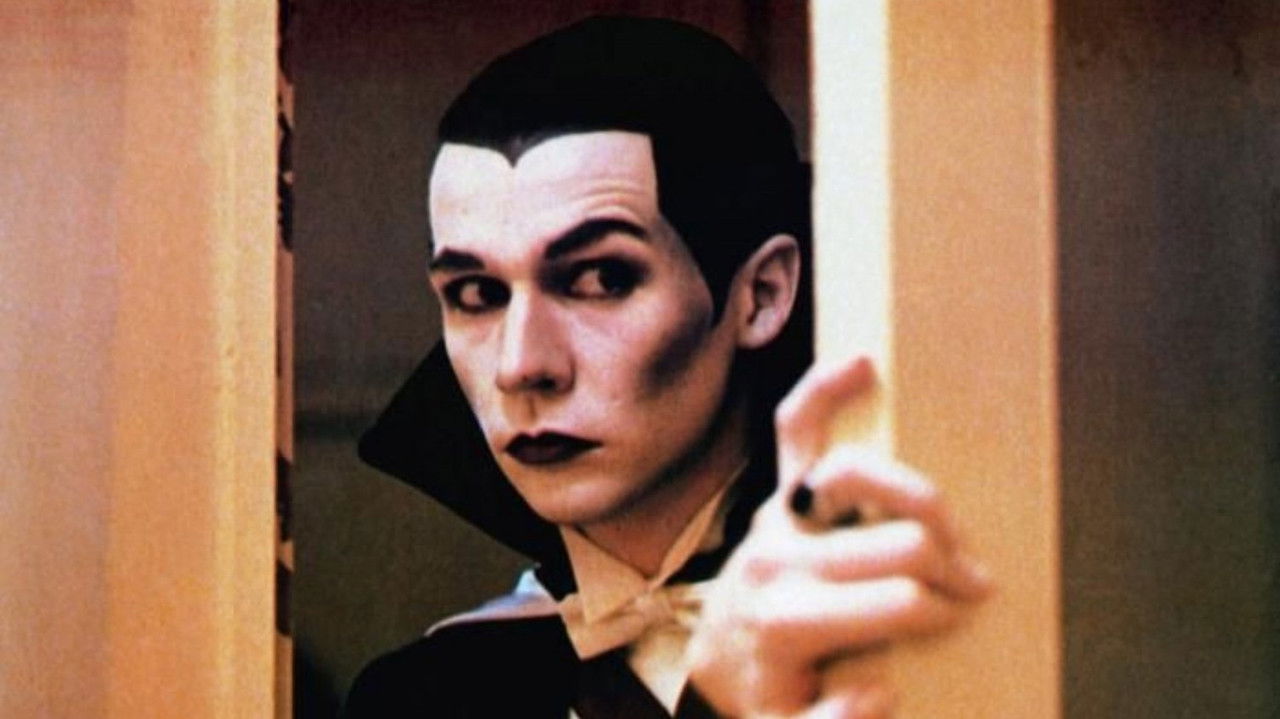
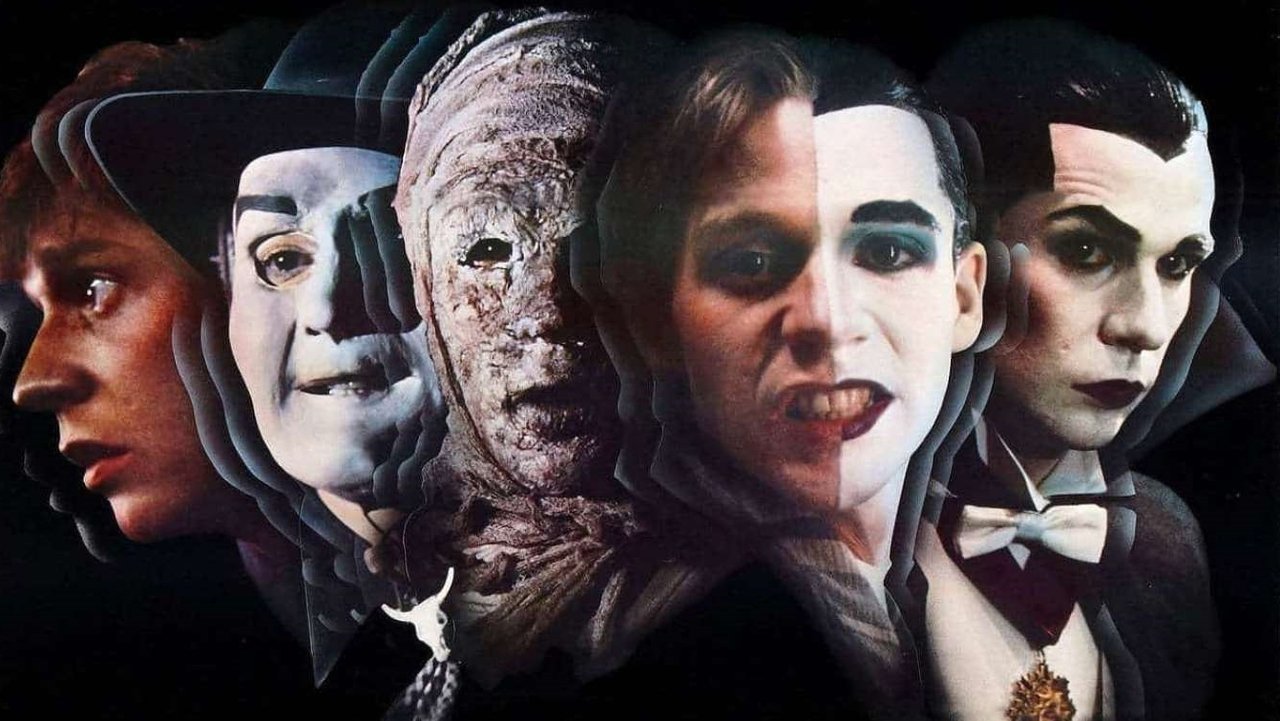
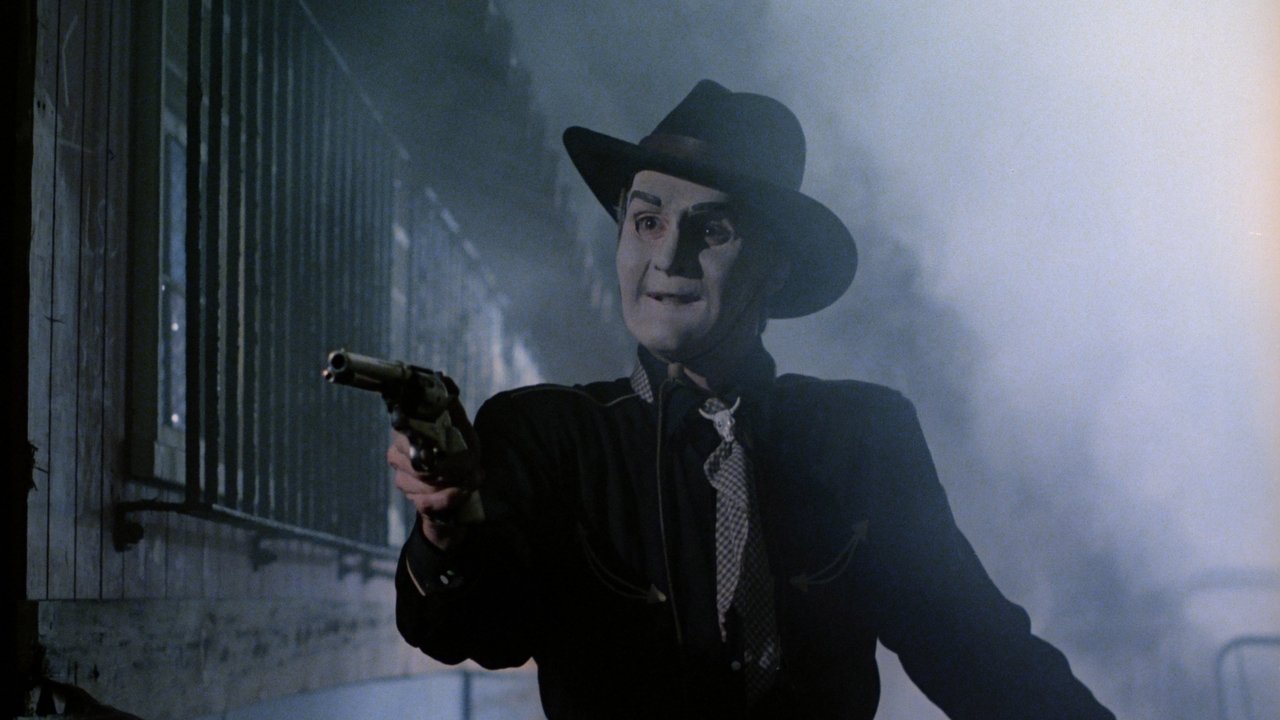
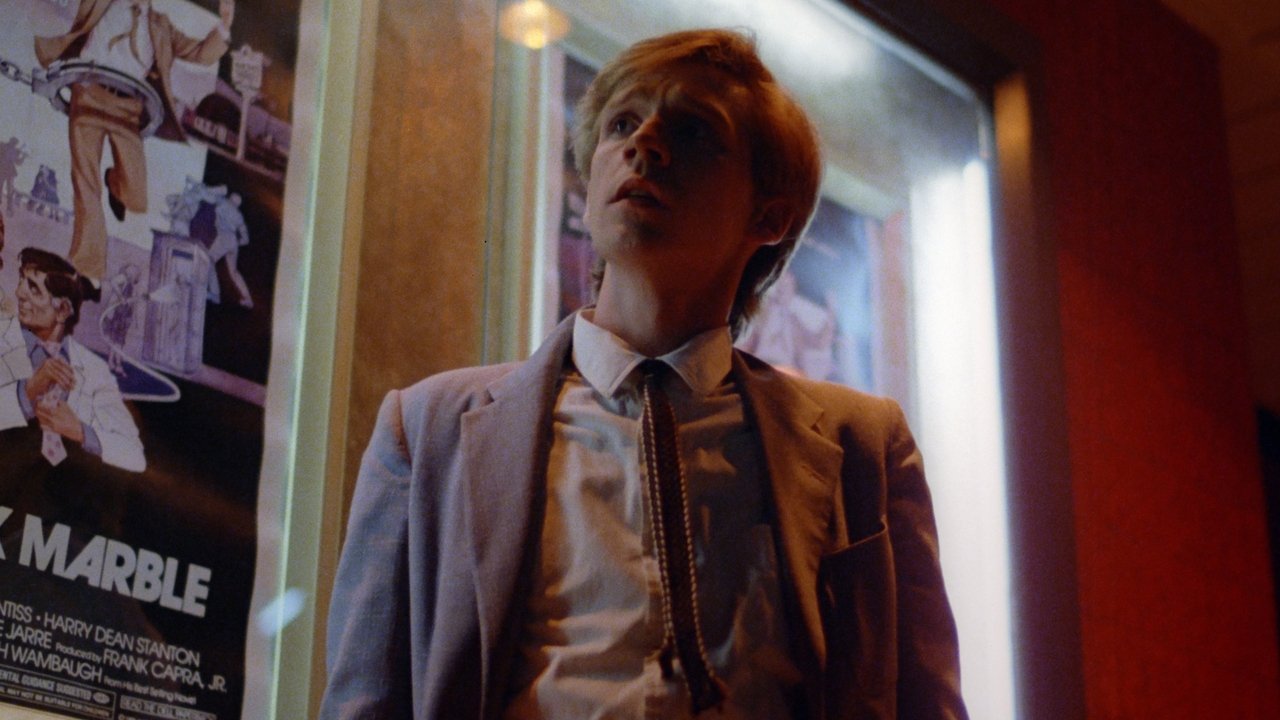
At its core, Fade to Black is the story of Eric Binford (Dennis Christopher), a painfully shy, bullied young man whose only solace lies in the flickering fantasies of classic cinema. He lives and breathes movies, his small apartment a shrine to Hollywood legends, his mind a repository of dialogue, scores, and iconic scenes. But Eric isn't just a fan; he's an obsessive teetering on the brink. When life delivers one cruel blow too many – rejection from a Marilyn Monroe lookalike (Linda Kerridge), humiliation by his peers, abuse from his haranguing aunt – the fragile dam breaks. Eric stops watching movies and starts living them, adopting the personas of his cinematic idols (Dracula, Hopalong Cassidy, The Mummy, Cody Jarrett) to enact bloody revenge on those who wronged him. It's a premise ripe for exploitation schlock, but writer-director Vernon Zimmerman crafts something far more melancholic and disturbing.
A Star Turn into Darkness
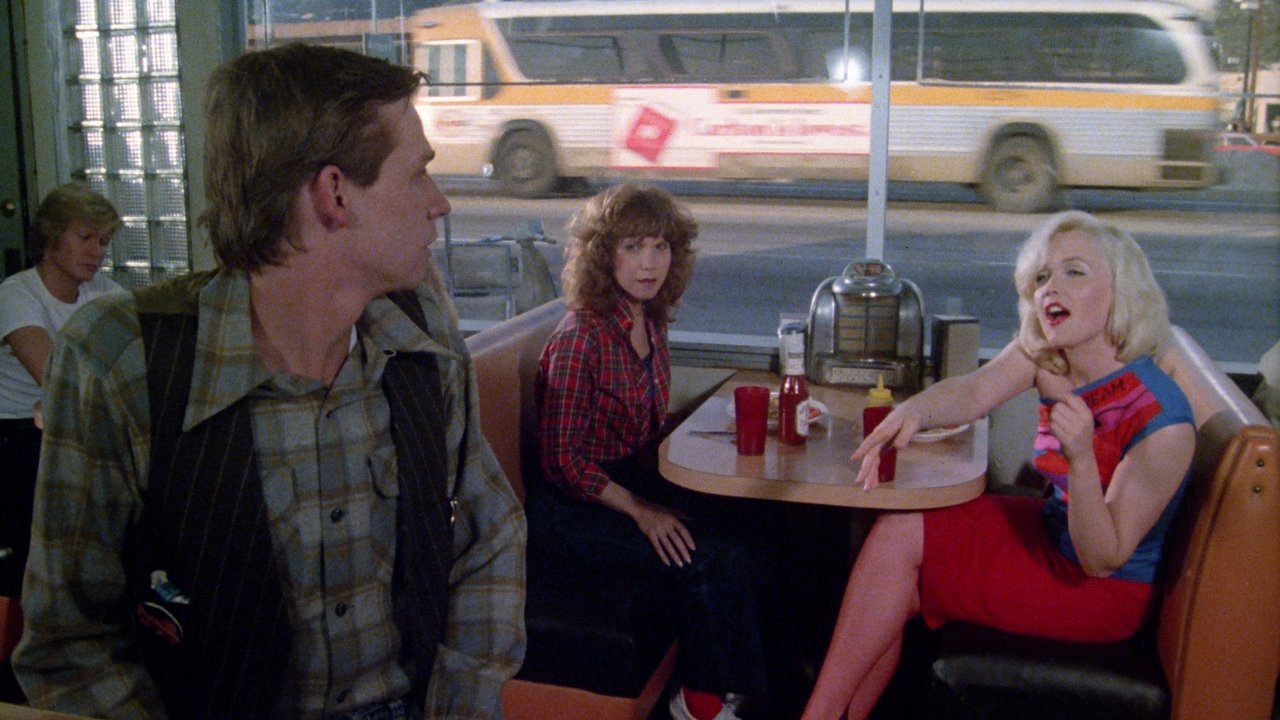
What elevates Fade to Black beyond a simple slasher premise is the truly committed performance by Dennis Christopher. Fresh off his star-making, Golden Globe-winning turn as the sunny, optimistic cyclist in 1979's Breaking Away, Christopher’s casting here was a stroke of unsettling genius. He plunges headfirst into Eric's fractured psyche, capturing both the character's pathetic vulnerability and the chilling emptiness behind his eyes as he transforms. Watching him meticulously apply makeup to become Dracula or channel the manic energy of James Cagney isn't just mimicry; it's a desperate, terrifying assumption of power by someone utterly powerless. It's said Christopher immersed himself deeply in classic film study for the role, and it shows – the physicality, the vocal inflections, they feel disturbingly earned. Interestingly, a young Mickey Rourke was also reportedly a serious contender for the role; one can only imagine how different that interpretation might have been.
Atmosphere of Isolation and Imitation
Vernon Zimmerman, not a prolific name in genre cinema which perhaps adds to the film's unique feel, crafts a specific mood. The Los Angeles depicted here isn't glamorous; it’s a landscape of drab apartments, dingy workplaces, and the slightly faded grandeur of old Hollywood landmarks like Mann's Chinese Theatre, which becomes a key location for the film's climax. There’s a palpable sense of isolation that mirrors Eric’s own internal state. The film cleverly contrasts this dreary reality with the stylized fantasy of Eric’s revenge sequences. The cinematography shifts, the score swells with warped references to classic film themes – it’s a visual and auditory representation of Eric’s disintegrating mind. The practical effects for the character transformations, particularly the Dracula and Mummy sequences, might seem dated now, but back on a fuzzy VHS tape, they possessed a tangible, unsettling quality.
Homage or Horror?
The film is, essentially, a love letter to cinema wrapped in barbed wire. The references fly thick and fast – White Heat, The Public Enemy, Kiss of Death, Creature from the Black Lagoon, even Psycho. Each persona Eric adopts directly informs the method of his revenge, turning classic movie moments into gruesome murder scenes. Remember the chilling sequence where Eric, channeling Richard Widmark's Tommy Udo from Kiss of Death, confronts his tormentor? That blend of recognizable cinematic language twisted into something horrific is where Fade to Black finds its unsettling power. It forces the audience, often fellow cinephiles, into an uncomfortable complicity. We recognize the references, perhaps even smile faintly, before the violence snaps us back to the grim reality of Eric's actions. Playing against Christopher's descent is Tim Thomerson (a familiar face from countless genre films, including the Trancers series) as Jerry Moriarty, a psychologist trying to understand Eric's motivations, adding a necessary touch of procedural grounding.
The Cult Following of a Video Store Oddity
Made for a relatively modest $1.9 million, Fade to Black wasn't a box office smash. Its challenging tone and downbeat nature likely alienated some audiences looking for straightforward horror. Reviews were mixed, though Dennis Christopher's performance often drew praise. But like so many unique films of the era, it found its true audience on home video. Renting Fade to Black felt like uncovering a hidden gem, something darker and stranger than the usual slasher fare. Its unsettling exploration of toxic fandom and alienation resonated with viewers who perhaps saw a flicker of Eric's obsessive tendencies (minus the homicide, hopefully!) in their own love for movies. Doesn't its portrayal of fandom turning sour feel strangely prescient even today?
Rating and Final Reflection
Fade to Black isn't perfect. Its pacing can sometimes drag, and the shifts between bleak character study and stylized horror can feel uneven. Yet, its core concept remains potent, and Dennis Christopher delivers a performance that burrows under your skin. The film’s strength lies in its refusal to offer easy answers or catharsis, leaving you with a lingering sense of unease about the dark side of escapism. It’s a quintessential cult classic – flawed, perhaps, but fascinatingly unique and deeply unsettling.
Rating: 7/10
Justified by: Dennis Christopher's superb central performance, the film's original and disturbing premise exploring toxic fandom, its effective atmospheric dread, and its cult status earned through a unique blend of cinephilia and horror, despite some pacing issues and tonal unevenness.
Final thought: Fade to Black remains a chilling reminder that sometimes the screen doesn't just reflect our dreams, but our nightmares too, especially when the lines between audience and character begin to blur. It’s a dark gem from the VHS shelves, forever haunting the intersection of Hollywood fantasy and grim reality.