"They looked, I don't know... fragile?" It’s a line delivered with such bewildered uncertainty by Christopher Walken in Communion (1989), encapsulating the film's strange, disorienting power. This isn't your typical laser-gun-toting alien invasion flick; it’s a dive into the murky depths of claimed personal experience, a cinematic interpretation of writer Whitley Strieber's own alleged encounters with non-human entities, documented in his massively successful, and deeply controversial, 1987 book of the same name. Watching it again, decades later, that feeling of profound weirdness, of reality fraying at the edges, still prickles the skin.
Into the Uncanny Valley
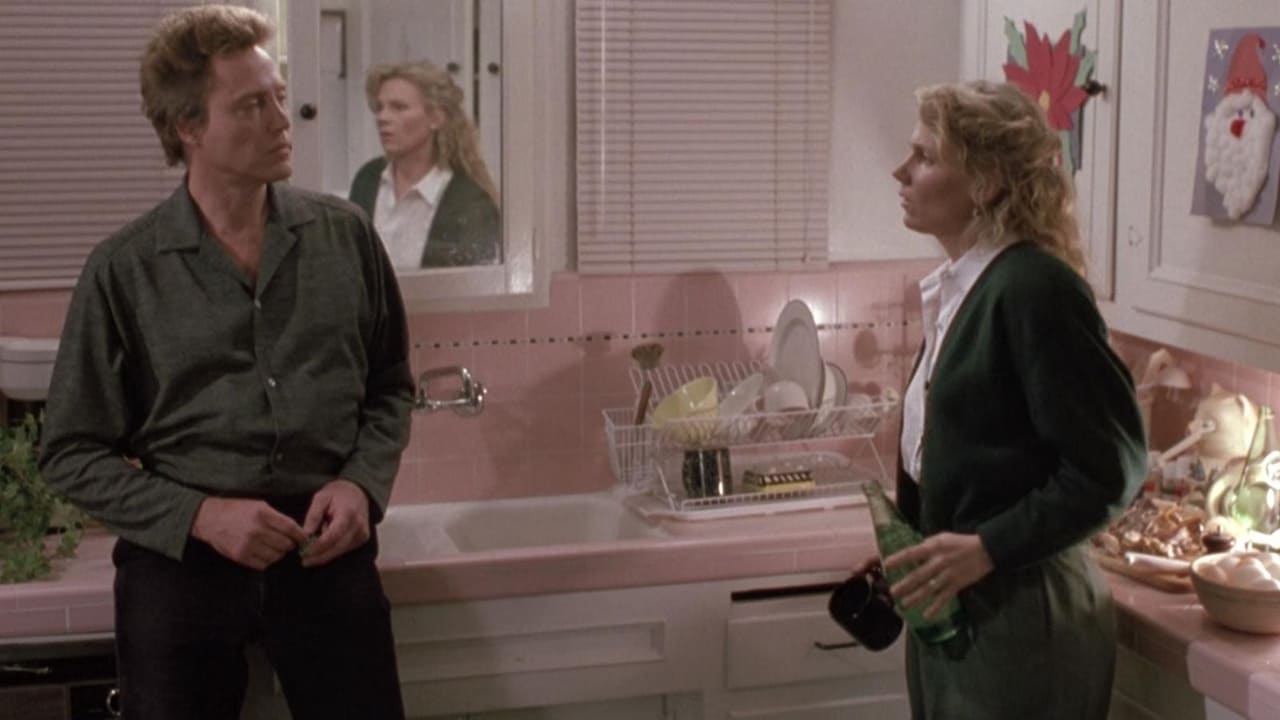
The film pitches us straight into the seemingly idyllic life of Whitley Strieber (Walken) – a successful horror novelist living in New York with his wife Anne (Lindsay Crouse) and young son Andrew (Joel Carlson). But trips to their remote cabin upstate become portals to terrifying, fragmented memories: flashes of light, unsettling figures, and inexplicable physical marks. Philippe Mora directs not for jump scares, but for a slow-burn dread, mirroring Strieber's dawning horror as he confronts experiences his rational mind desperately tries to reject. The atmosphere is thick with paranoia and psychological fragility, less about what happened and more about the impact of potentially impossible events on a man's sanity and family.
Walken Walks the Line
Let's be honest: Christopher Walken's performance is the gravitational center of Communion, and it’s utterly captivating in its sheer strangeness. He plays Strieber not as a stoic victim, but as a man teetering on the edge – prone to manic bursts, sudden tears, and moments of almost childlike vulnerability. It’s a performance that polarised audiences; some found it jarringly eccentric, others saw it as a brave portrayal of profound trauma and confusion. Whitley Strieber himself, who also penned the screenplay, initially had reservations about Walken's interpretation, feeling it leaned too heavily into hysteria. He reportedly later acknowledged that Walken captured an essential truth about the destabilizing nature of the experience. Watching Walken navigate group therapy sessions with other abductees, his face a mask of barely contained bewilderment and dawning recognition, is unforgettable. It’s a performance choice that leans into the inherent weirdness, forcing us to question if we’re seeing alien abduction or a descent into madness.
Those Visitors…
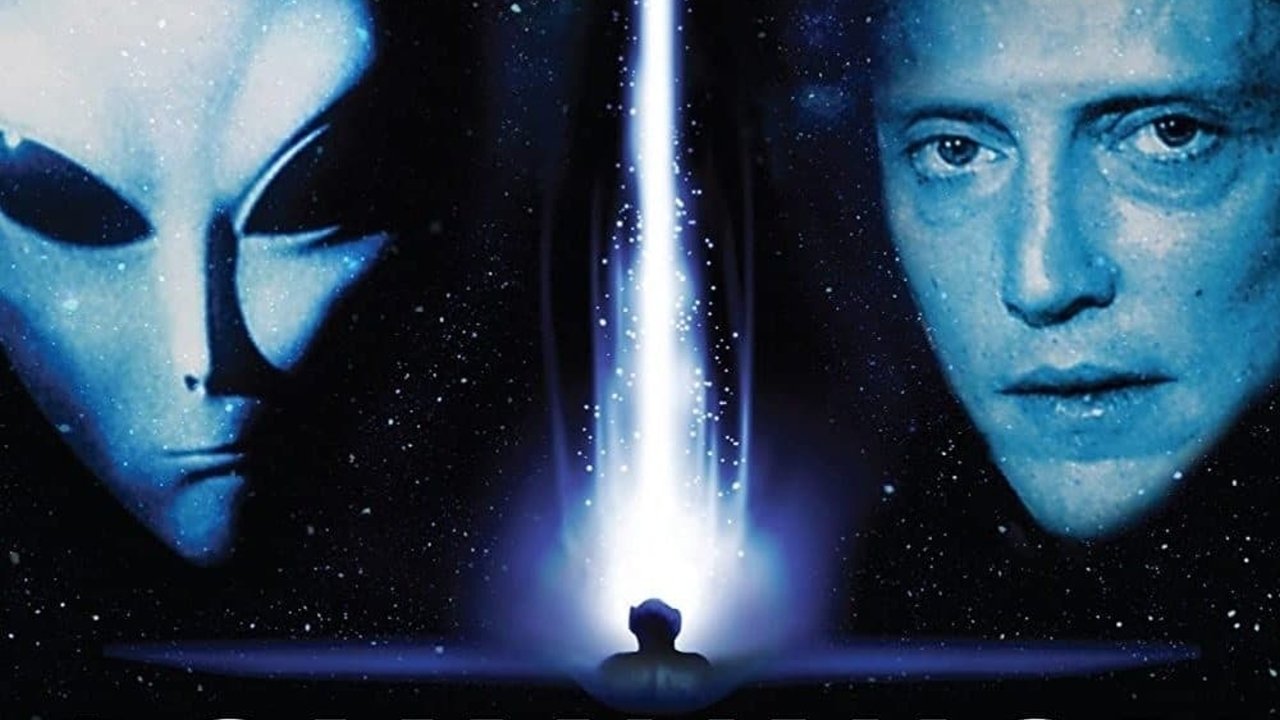
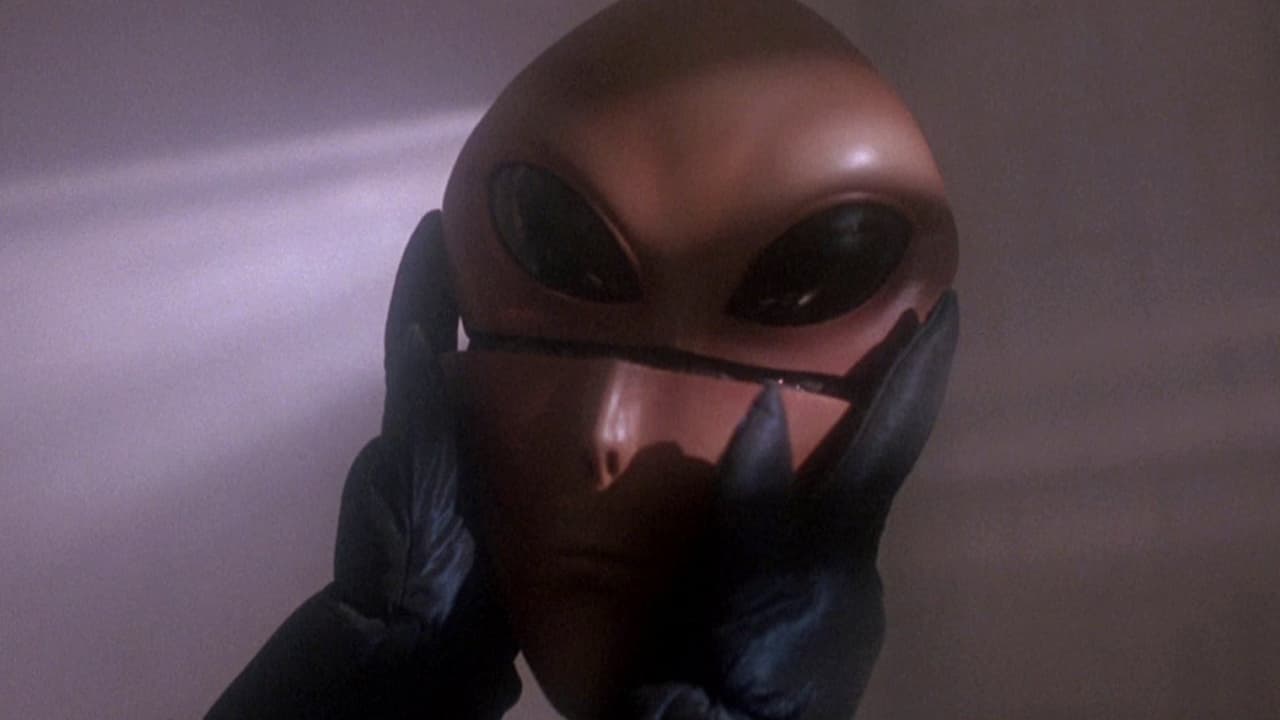
The depiction of the "visitors" is core to Communion's enduring creepiness. Forget sleek CGI; these are tangible, practical creations that feel unnervingly present. Designed by Michael McCracken (creature effects) and Enrico Farina (special makeup), we get the classic diminutive "greys" with their large, black, almond-shaped eyes – puppets and performers in suits that possess a slightly jerky, unsettling quality. Their very artificiality, paradoxically, enhances the horror; they feel wrong, like malevolent marionettes invading reality. Then there are the taller, more insectoid figures, glimpsed in shadow and distorted perspective, adding another layer of otherworldly menace. One fascinating tidbit involved the challenges of the alien suits; achieving the desired slender, frail look while accommodating a human performer required clever design and often uncomfortable conditions for those inside, adding an unintended layer of physical strain mirroring the psychological strain of the story. The scenes depicting the abduction procedures – the infamous rectal probe, the needle to the head – are handled with a detached, clinical coldness that makes them far more disturbing than overt gore.
Soundscapes of Disquiet
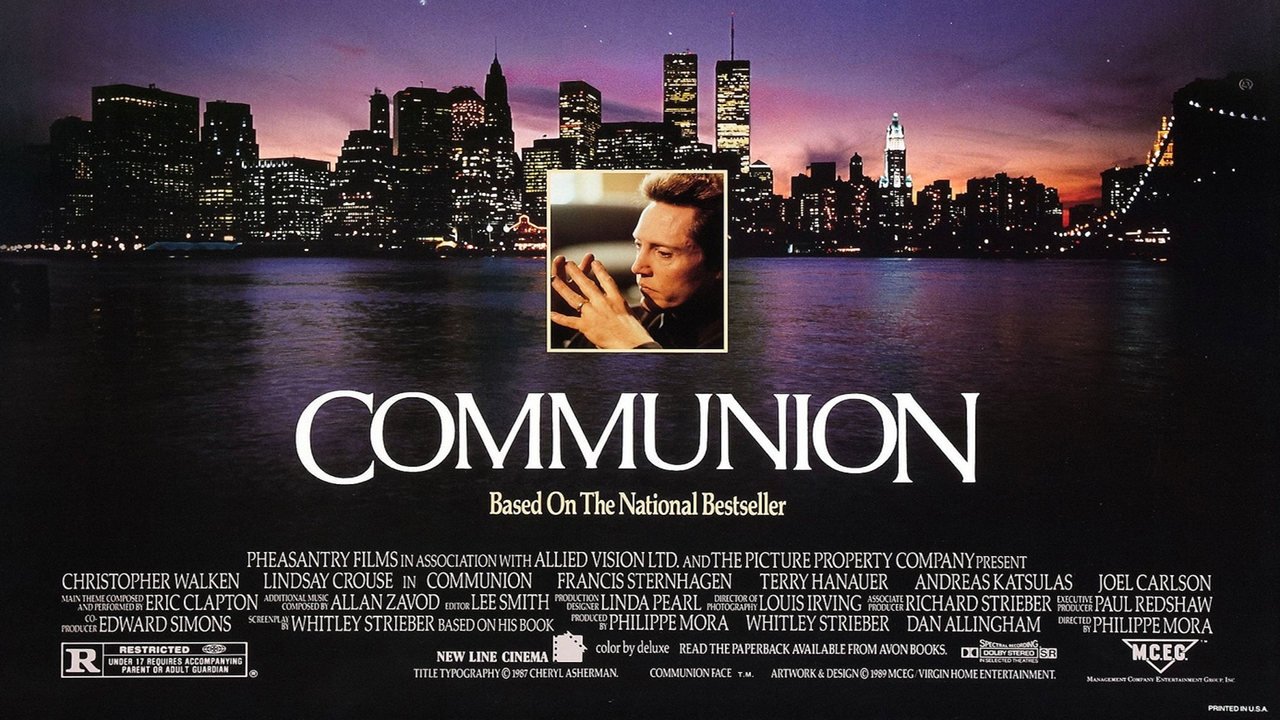
Adding immeasurably to the film's unique and often unsettling atmosphere is the score, composed by none other than Eric Clapton. It's an unexpected choice – foregoing typical sci-fi synth washes or horror stings for a more bluesy, melancholic, and sometimes discordant sound. This score doesn't telegraph scares; instead, it underscores the emotional turmoil and the underlying sense of loss and confusion Strieber experiences. It contributes significantly to the film’s feeling of being adrift, caught between the mundane and the impossibly strange. Director Philippe Mora, known previously for films like The Howling II: Your Sister Is a Werewolf (a very different beast!), uses the score and visuals to create a dreamlike, almost hallucinatory logic that keeps the viewer perpetually off-balance. Did that infamous scene where Walken dances with the aliens really happen in Strieber's account? Reportedly, yes – a detail that highlights the sheer high-strangeness the film attempts to convey.
A Story That Lingers
Communion wasn’t a box office smash (earning around $11.9 million against a $5 million budget, roughly $27.5M gross adjusted for inflation – respectable, but not a blockbuster), and critical reception was decidedly mixed. Many were baffled by its tonal shifts, its ambiguity, and Walken's eccentricities. Yet, it occupies a unique space in the UFO/abduction subgenre. Unlike the more action-oriented or clearly defined narratives that would follow (like Fire in the Sky four years later), Communion remains stubbornly focused on the psychological fallout, the subjective terror, and the lingering question: real, imagined, or something else entirely? It refuses easy answers, leaving the audience, like Strieber himself, grappling with fragments and possibilities. This ambiguity is perhaps its greatest strength and its most frustrating quality, depending on your taste. It’s a film less interested in providing answers about extraterrestrial life and more focused on exploring the human response to the inexplicable. One rumour that persisted during production was the difficulty in getting clearance for certain locations mentioned in the book, adding a layer of real-world mystery around the supposedly factual events.
---
VHS Heaven Rating: 7/10
Justification: Communion earns a solid 7 for its sheer audacity and unsettling atmosphere. Christopher Walken's fearless, bizarre performance is magnetic, and the practical alien effects possess a tangible creepiness that modern CGI often lacks. Eric Clapton's score adds a unique layer of melancholy dread. However, the film's deliberate ambiguity and sometimes disjointed narrative structure can be frustrating, preventing it from reaching greater heights. Its power lies in its psychological unease and its commitment to portraying the subjective weirdness of Strieber's alleged experiences, even if that sometimes comes at the expense of conventional storytelling cohesion.
Final Thought: More than just an "alien movie," Communion is a deeply strange artifact of late-80s anxiety, a film that burrows under your skin precisely because it refuses to neatly resolve the profound disruption it depicts. It’s a testament to a time when a major studio release could be this wonderfully, unsettlingly weird.