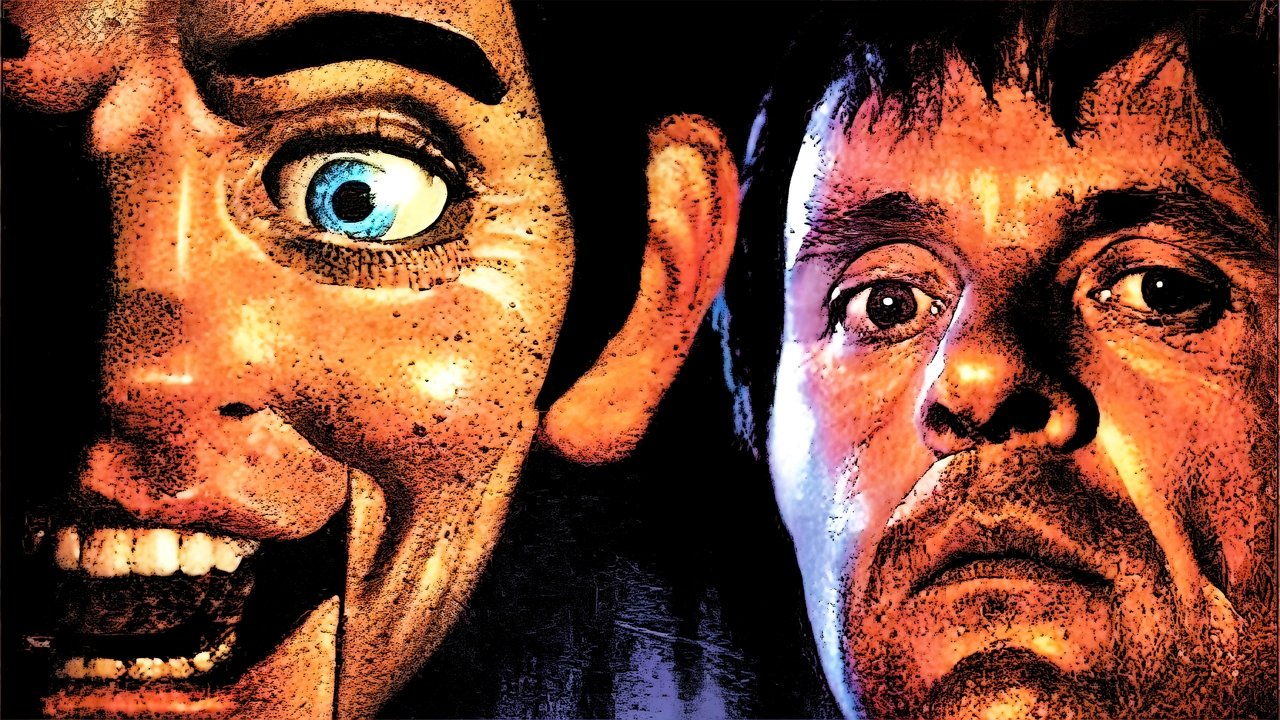
That unnerving, glassy stare. Some things just burrow under your skin and stay there, don't they? Long before Chucky slashed his way onto screens, there was Fats – the foul-mouthed, leering ventriloquist dummy at the heart of Richard Attenborough's unsettling 1978 thriller, Magic. Forget jump scares; this is a film that opts for a slow, creeping dread, the kind that wraps around you tightly in the dark and whispers disturbing possibilities. It’s a descent into a fractured mind, made terrifyingly real by a performance that remains one of horror cinema’s understated triumphs.
### The Man, The Dummy, The Madness
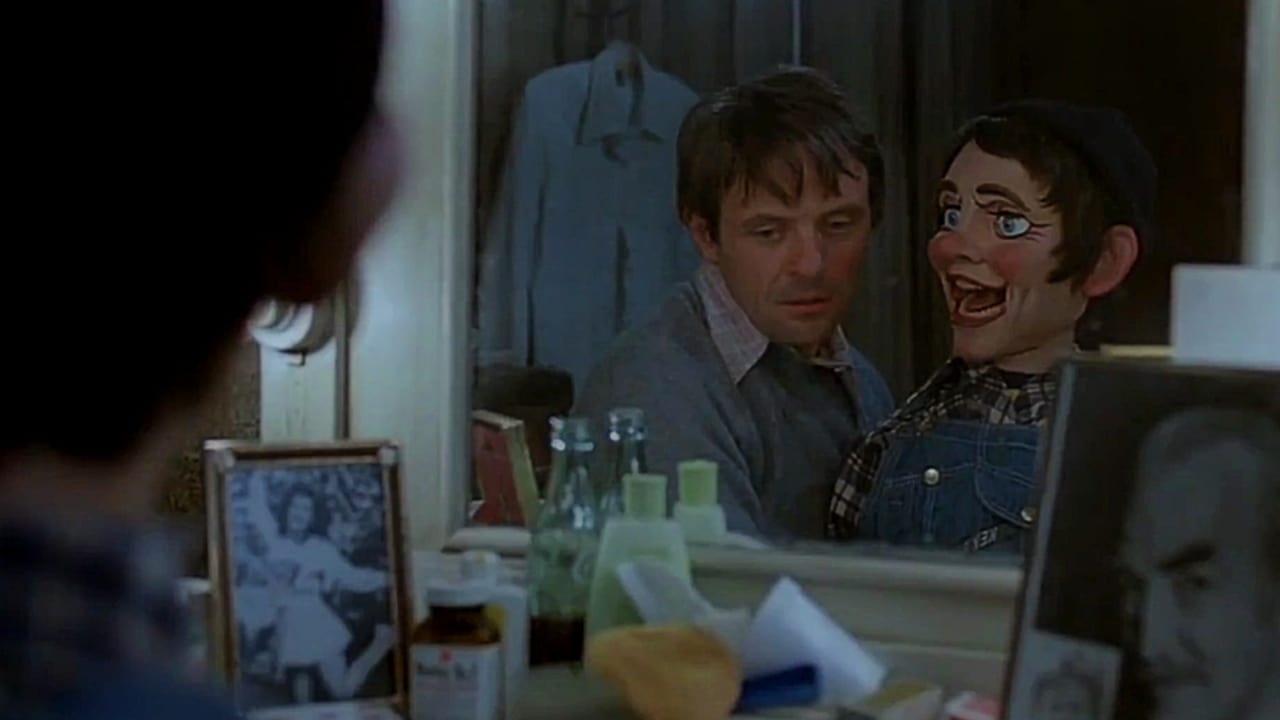
Based on the novel by legendary screenwriter William Goldman (who also adapted it for the screen – the man behind Marathon Man and The Princess Bride knew a thing or two about tension and character), Magic introduces us to Charles "Corky" Withers. Played by a pre-Hannibal Lecter Anthony Hopkins, Corky is a painfully shy, failing magician whose career only ignites when he introduces Fats, his brash, insult-hurling wooden sidekick. Success follows, but so does something far more sinister. Retreating to the familiar comfort of the Catskills and rekindling a relationship with his high school crush, Peggy Ann Snow (Ann-Margret), Corky finds his burgeoning independence threatened by the increasingly dominant, malevolent personality of Fats – or is it just Corky unraveling?
Goldman's script is ruthlessly efficient, stripping away any ambiguity early on. We know Fats isn't supernaturally possessed in the traditional sense. The horror lies entirely within Corky's mind, his desperate transference of his own id onto the dummy. Fats becomes the confident, aggressive persona Corky can never be, but this vessel soon overflows, demanding absolute control. It’s a chilling exploration of dissociative identity disorder long before it became a common cinematic trope, handled with a disturbing psychological realism.
### Hopkins Commands the Stage
Let's be blunt: Anthony Hopkins is this movie. His performance is nothing short of extraordinary. He masterfully portrays Corky's crippling insecurity and vulnerability, making his slow disintegration both pitiable and terrifying. The scenes where Corky argues with Fats, his voice shifting seamlessly between his own hesitant tones and the dummy's grating drawl, are simply magnetic. Hopkins famously learned basic ventriloquism and magic for the role, adding a layer of authenticity that sells the premise completely. There are stories that Hopkins employed method techniques, staying withdrawn and intense on set, and even found the Fats dummy, intentionally sculpted to bear a resemblance to the actor himself, profoundly disturbing – apparently avoiding looking at it between takes. Can you blame him? That fixed, painted-on grin is pure nightmare fuel. This early role is a fascinating precursor to the controlled menace he would later perfect as Lecter, showcasing his incredible range and ability to convey deep psychological turmoil.
### Attenborough's Unsettling Touch
Directed by Richard Attenborough, primarily known for sweeping epics like Gandhi or war films like A Bridge Too Far, Magic feels like an outlier in his filmography, but his steady hand proves surprisingly adept at building suspense. Attenborough largely eschews flashy horror techniques, instead relying on claustrophobic framing, muted lighting, and the sheer power of Hopkins' performance. He allows the tension to build organically through dialogue and character interaction. The film benefits immensely from Jerry Goldsmith's haunting, melancholic score, which perfectly underscores the psychological decay without resorting to cheap orchestral stabs. The Catskills location, meant to be a peaceful retreat, gradually feels more isolated and trapping as Corky’s mental state deteriorates.
### Fats: More Than Just Wood
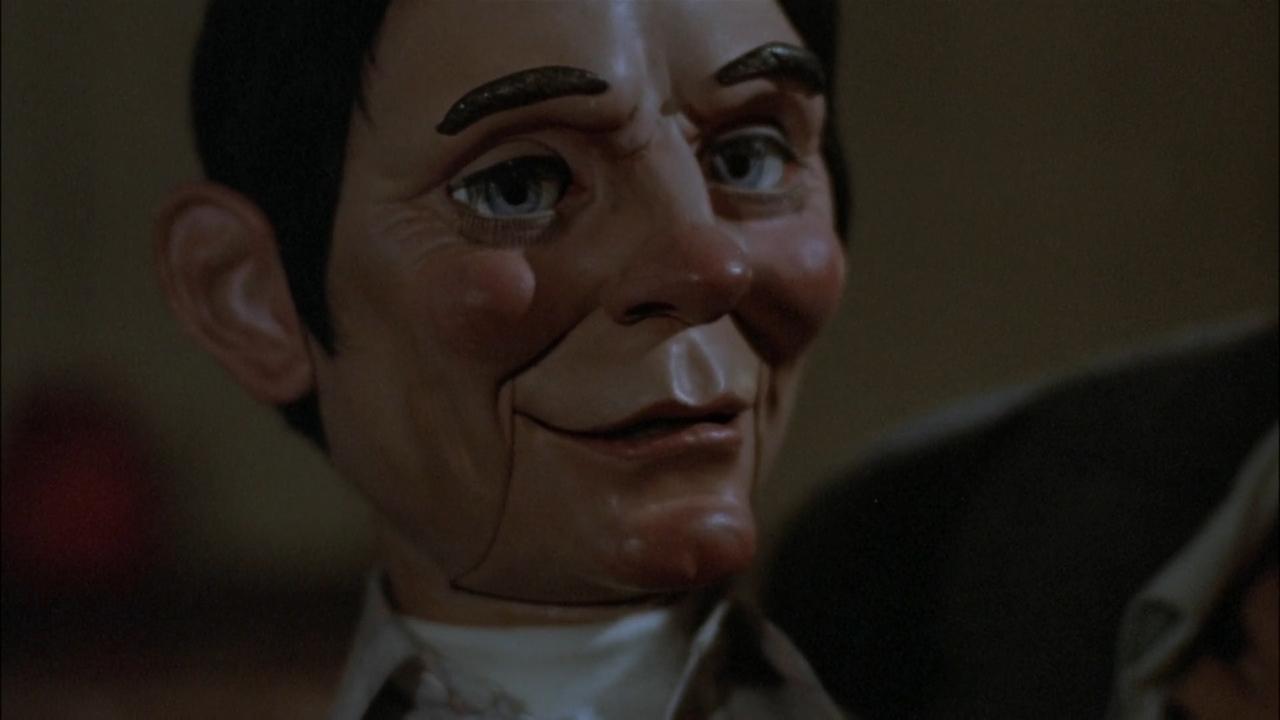
The Fats dummy itself is a triumph of creepy design. Its slightly-too-human features, combined with that fixed, wide-eyed stare and sardonic smirk, make it instantly unsettling. Even when inanimate, it feels watchful, judgmental. The film's marketing leaned heavily into this inherent creepiness. Remember that infamous TV spot? Just Fats’ face, then snap – the eyes open, looking right at you. It supposedly terrified children across America and became legendary in horror advertising. The tagline, "Abra-Cadabra, I sit on his knee. Presto-Chango, and now he is me," perfectly captured the film's psychological horror core.
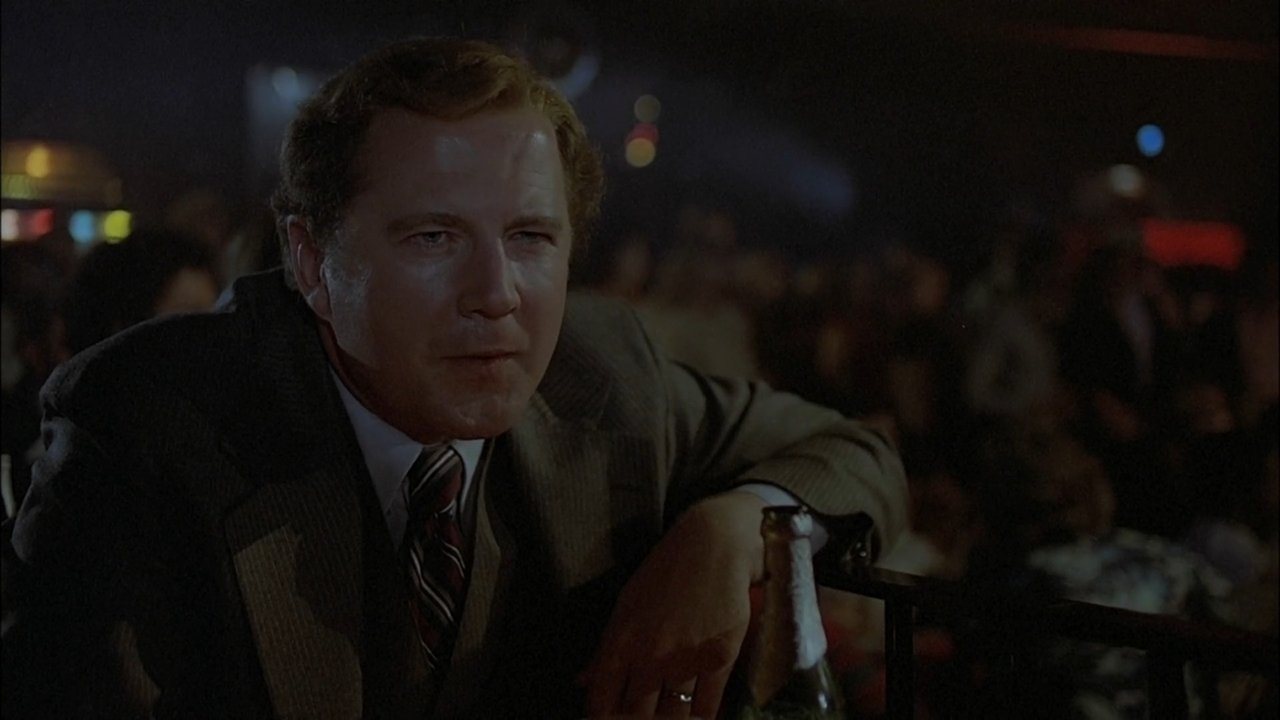
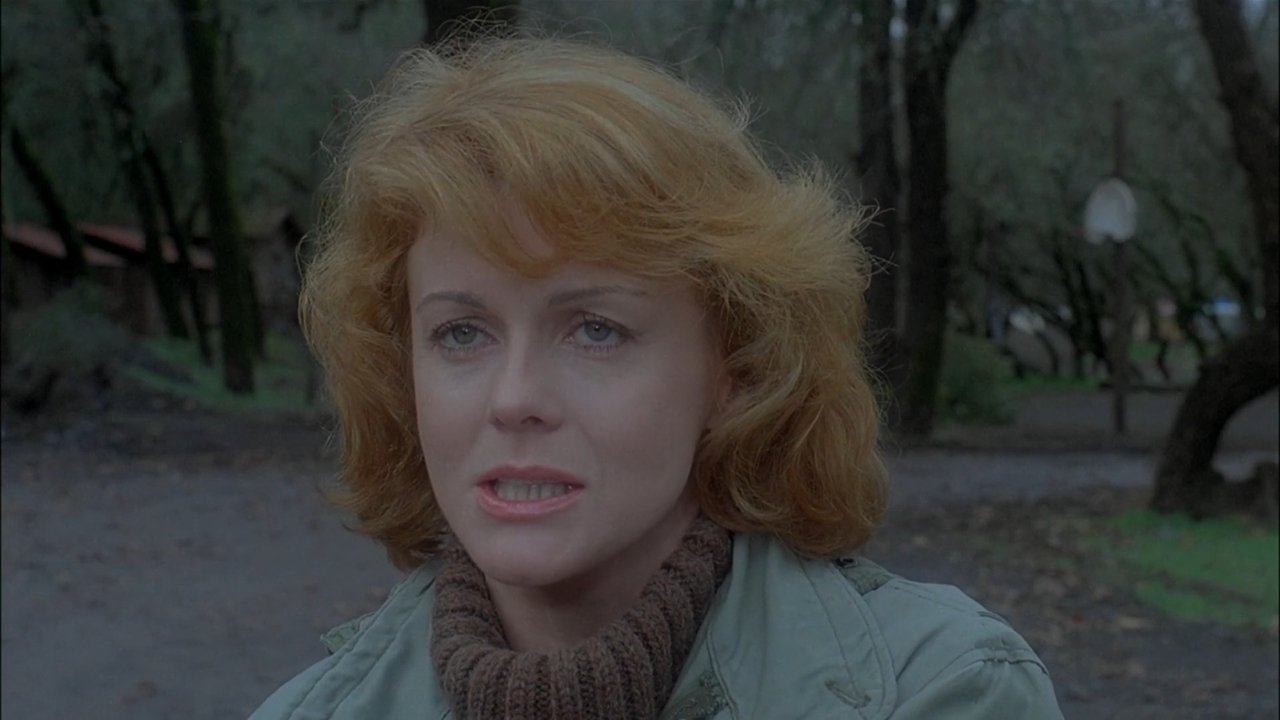
While Hopkins carries the film, the supporting cast adds vital texture. Ann-Margret brings warmth and vulnerability to Peggy, the object of Corky's affection and potentially his only link back to reality. And the great Burgess Meredith (fresh off his Rocky success) is perfectly cast as Ben Greene, Corky's shrewd, concerned agent – the first person to truly sense that something is deeply wrong with his star client. His scenes with Hopkins crackle with tension as Greene probes Corky's increasingly fragile psyche.
### The Lingering Chill
Magic isn't about gore or spectral hauntings. Its horror is deeply internal, exploring the terrifying potential of the human mind to fracture under pressure. It taps into that primal fear of losing control, of becoming subject to our own darkest impulses personified. Does the film feel a touch dated in places? Perhaps in its pacing compared to modern thrillers. But the core elements – Hopkins' riveting performance, the genuinely unsettling presence of Fats, and the suffocating atmosphere – remain incredibly effective. It's a standout entry in the psychological horror genre and arguably one of the most unnerving "killer dummy" films ever made, precisely because the killer isn't the dummy, but the man holding the strings. Finding this gem on a dusty VHS shelf back in the day felt like unearthing a genuinely disturbing secret.
Rating: 8/10
Justification: The score reflects the towering central performance by Anthony Hopkins, William Goldman's sharp script, and the film's masterful creation of a sustained, chilling atmosphere. Richard Attenborough's direction is surprisingly effective in the genre. The Fats dummy remains an iconic piece of unsettling imagery. It loses a couple of points perhaps for a slightly deliberate pace that might test some modern viewers and supporting characters who, while well-acted, are primarily there to react to Corky's breakdown.
Magic doesn't shout its horror; it whispers it, letting the dread settle deep in your bones. It’s a grim character study disguised as a thriller, and Fats’ unblinking stare is likely to linger long after the credits roll – a true testament to the psychological power hiding on those well-worn VHS tapes.