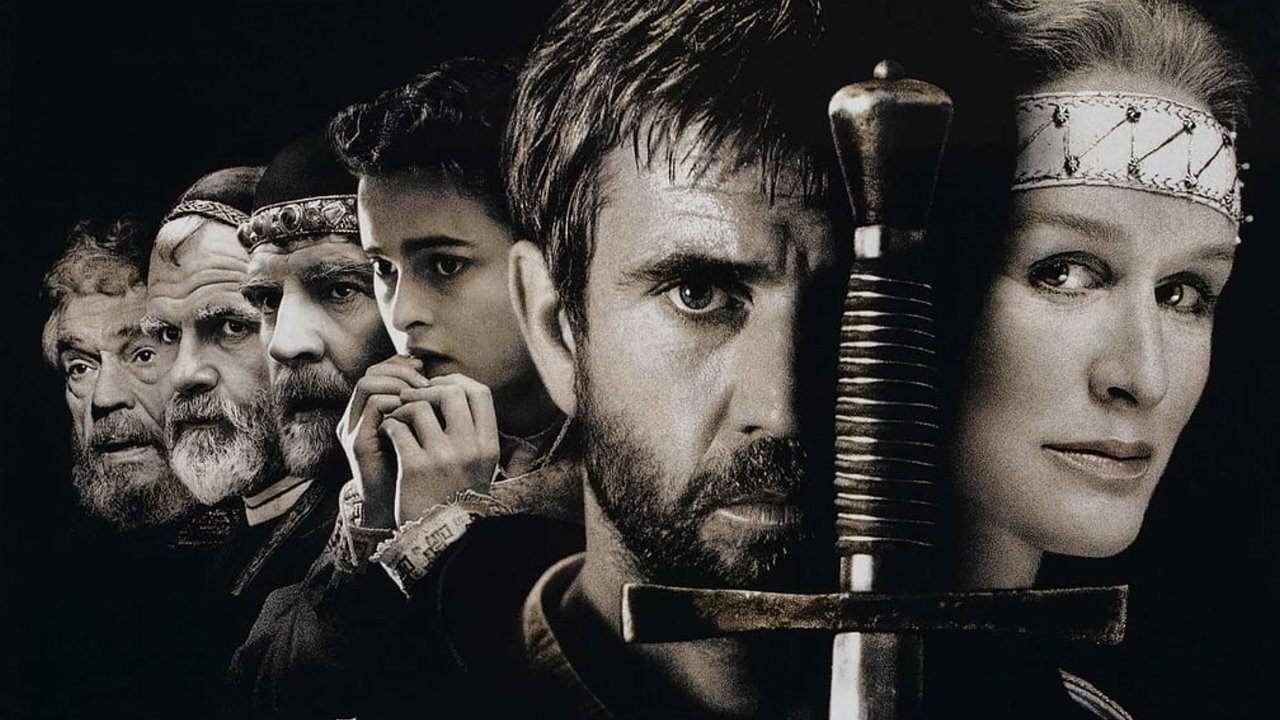
Okay, settle in and let's talk about a VHS tape that likely raised a few eyebrows when it first landed on the rental shelves back in 1990. Remember seeing Mel Gibson, fresh off the manic energy of Lethal Weapon 2, staring out from the cover, clad in black, sword in hand, under the title Hamlet? It felt... improbable. An action star tackling perhaps the most revered role in the English language? Yet, it was precisely this unexpected casting, coupled with the vision of director Franco Zeffirelli (who'd already proven his Shakespearean mettle with 1968's Romeo and Juliet), that made this adaptation such a fascinating prospect, a real conversation starter back in the day.
### Elsinore, Stripped Bare
Zeffirelli doesn't give us a pristine, storybook castle. His Elsinore is damp, cold, and ruggedly real. Shot largely on location at imposing Scottish sites like Dunnottar Castle (perched dramatically on cliffs above the North Sea) and the stark Blackness Castle, the film grounds Shakespeare's tragedy in mud, stone, and flickering torchlight. You can almost feel the chill seeping through the screen, a far cry from the more theatrical stagings. This earthiness was Zeffirelli’s signature – making the historical feel tangible, lived-in. He and co-writer Christopher De Vore made significant cuts to the text, streamlining the narrative for cinematic pacing. While purists might have balked, this approach undeniably made the complex plot more accessible to audiences perhaps unfamiliar with the play, transforming it into something closer to a medieval political thriller, albeit one wrestling with profound existential questions. It felt less like homework and more like a gripping drama unfolding in a harsh, unforgiving world.
### The Action Hero Prince
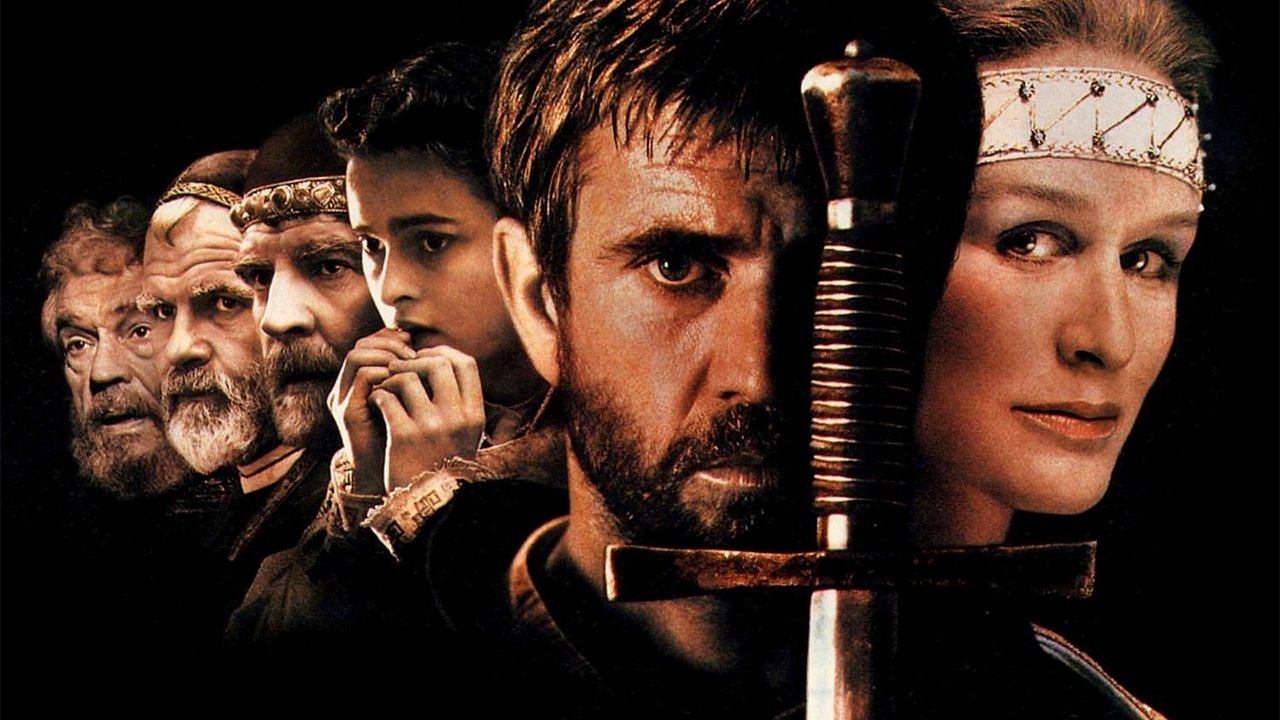
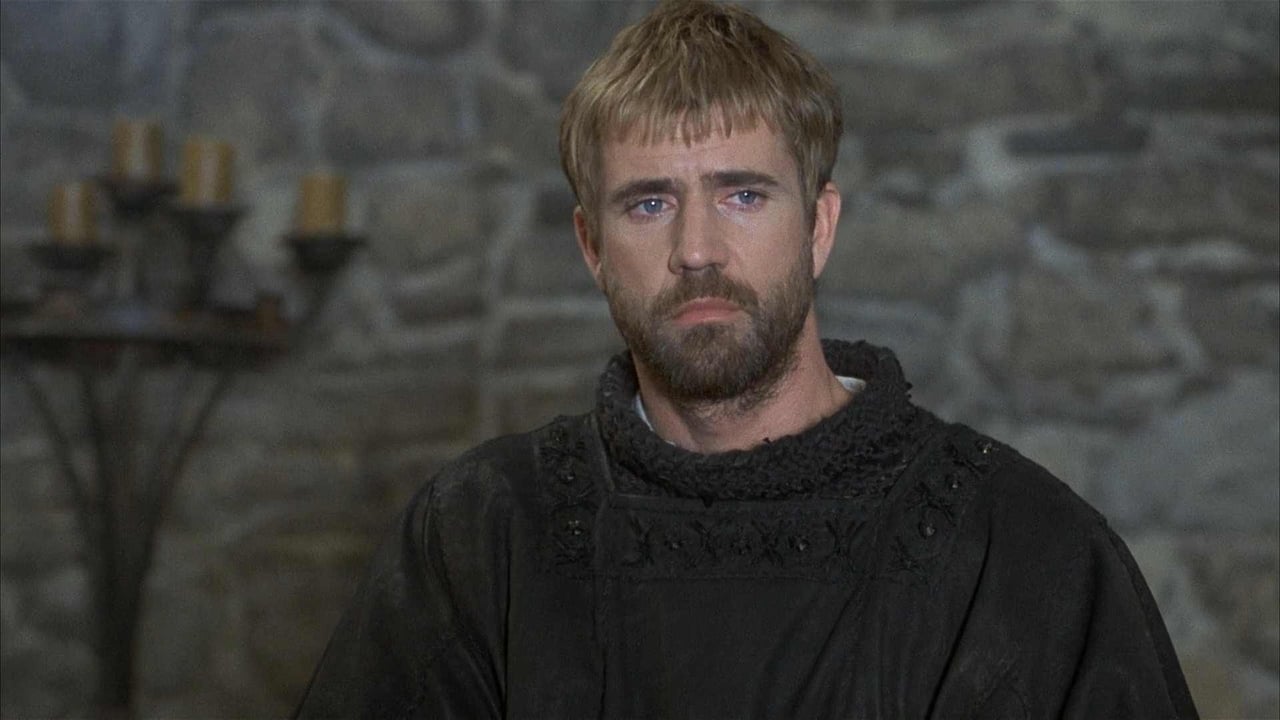
And then there's Gibson. Let's be honest, his casting was a gamble, a calculated risk Zeffirelli took, banking on Gibson's raw star power and intensity to draw audiences. The initial reactions were certainly mixed. Could the man who was Martin Riggs truly embody the melancholy, intellectual Dane? Watching it again now, Gibson's performance is striking for its physicality and simmering rage. He leans into Hamlet's manic energy, the "antic disposition" feeling less like a calculated ploy and more like genuine emotional unraveling. There are moments where the classical verse feels slightly strained, where you sense the effort. Yet, there's also a palpable vulnerability and a kinetic force that's hard to dismiss. He might not be the most lyrical Hamlet, but his prince feels dangerous, cornered, and deeply wounded. It's a performance that bypasses intellectual pontificating for gut-level emotion. One fascinating bit of trivia: Gibson reportedly hesitated, intimidated by the role, but Zeffirelli relentlessly pursued him, convinced his intensity was perfect for the part. He wasn't aiming for Olivier; he was aiming for a Hamlet audiences could connect with viscerally.
### A Court of Shadows and Secrets
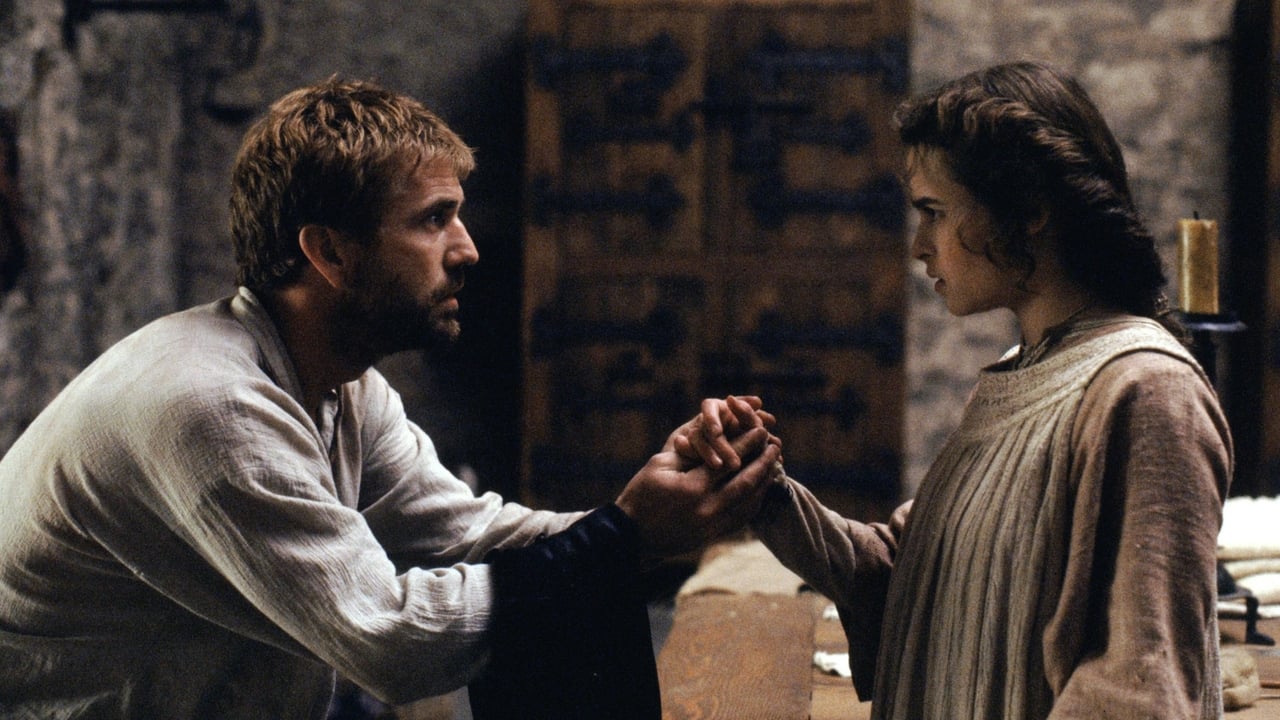
While Gibson was the marquee name, the supporting cast provides the essential bedrock. Glenn Close as Gertrude is phenomenal. Released the same year she chilled audiences in Reversal of Fortune, her Gertrude isn't merely a weak-willed pawn; there's a complex blend of maternal concern, willful blindness, and perhaps genuine affection for Claudius that makes her complicity all the more unsettling. Her scenes with Gibson crackle with Oedipal tension. Alan Bates, a veteran skilled in finding nuance, portrays Claudius not as a cartoon villain but as a pragmatic, politically savvy ruler who is also clearly burdened by his sin. His quiet moments of reflection, particularly the prayer scene, are compelling. And Helena Bonham Carter, in one of her earlier major roles, brings a fragile intensity to Ophelia, her descent into madness feeling heartbreakingly real amidst the castle's cold stone. These performances ground the film, providing the emotional counterweights to Gibson's more volatile Prince.
### More Than Just Cliffs Notes

Was this Hamlet definitive? No adaptation truly is. But Zeffirelli's version achieved something significant for its time. It took Shakespeare out of the exclusive realm of high art and placed it squarely in the local video store, accessible to anyone with a VCR. Built on a respectable $20 million budget, it didn't set the box office ablaze (grossing roughly the same amount domestically), but its cultural impact resonated. It demonstrated that Shakespeare could be cinematic, thrilling, and emotionally immediate without sacrificing the core of the tragedy. The visual grit, the streamlined plot, and yes, even the controversial star casting, all contributed to making Hamlet feel relevant and alive for a 90s audience. You might have rented it out of curiosity about Gibson, but you likely came away with a newfound appreciation for the enduring power of the story itself. Remember those sword fights? Zeffirelli staged them with a brutal realism, less elegant dueling and more desperate clashes of steel, further emphasizing the raw, physical nature of this interpretation.
Rating: 8/10
Zeffirelli's Hamlet stands as a compelling and accessible gateway into Shakespeare's masterpiece. While Mel Gibson's performance remains a point of discussion, his raw energy, combined with Zeffirelli's atmospheric direction and a truly stellar supporting cast (Glenn Close is unforgettable), makes this a version that feels visceral and immediate. It successfully translates the play's power into cinematic language, stripping away theatrical artifice for something more grounded and emotionally resonant. Its presence on the VHS shelf invited countless viewers to experience the Dane's tragedy, perhaps for the very first time, proving that great stories, even centuries old, could still pack a punch in the age of home video. It remains a potent reminder that sometimes, the boldest casting choices yield the most intriguing results.