The Year of Living Dangerously
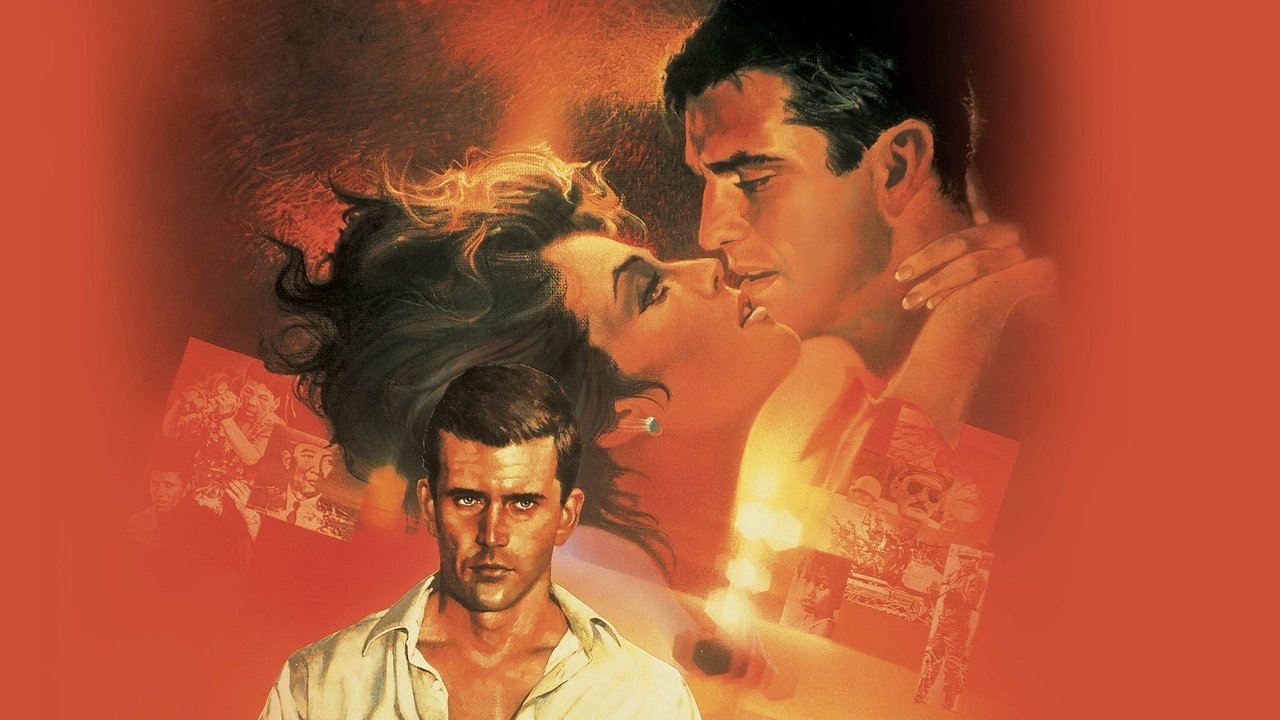
The flickering shadows on the screen aren't just coming from your old CRT television warming up. Sometimes, they come from the film itself. Peter Weir's The Year of Living Dangerously (1982) opens a window onto a world teeming with heat, humidity, and the electric charge of impending political upheaval, all filtered through the ancient Javanese art of "Wayang Kulit" shadow puppetry. It’s a potent metaphor that hangs heavy throughout the film: what are we really seeing? Are these characters casting the shadows, or are they merely puppets manipulated by forces far larger and more dangerous than they comprehend?
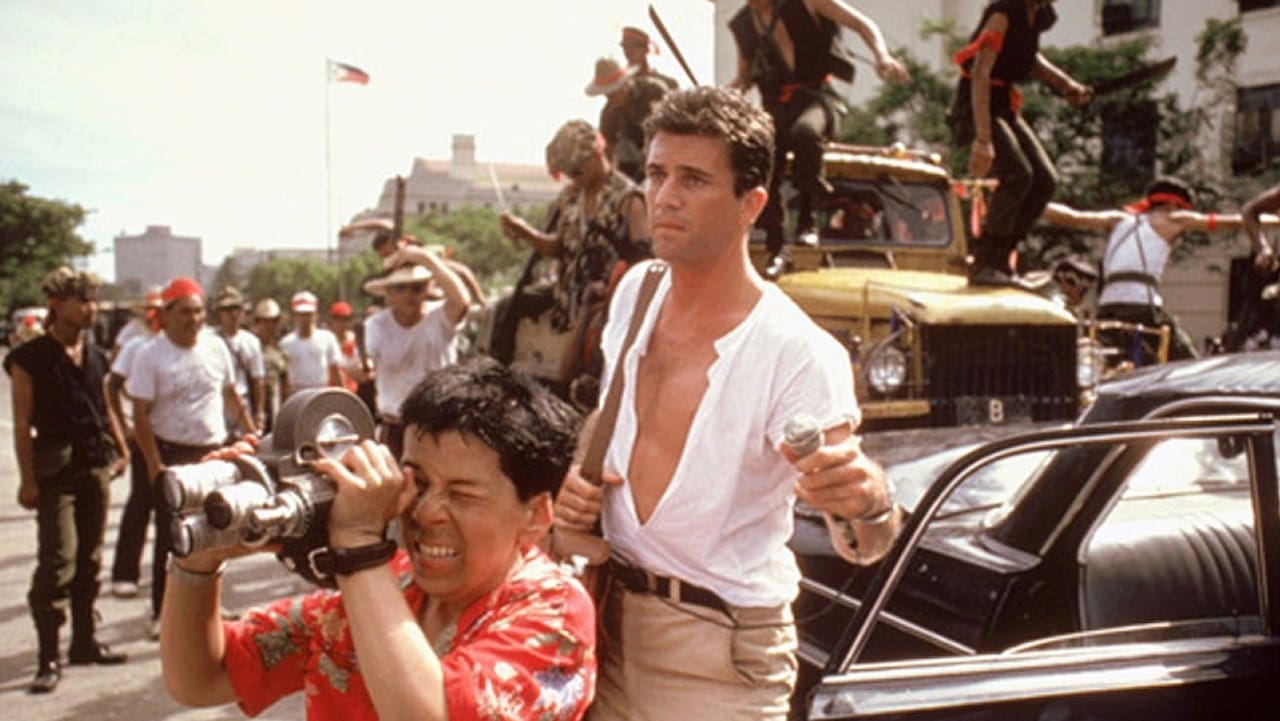
Jakarta's Fever Dream
Stepping onto the tarmac in Jakarta, 1965, is Australian broadcast journalist Guy Hamilton, played by a young, hungry Mel Gibson, fresh off the explosive energy of Mad Max 2: The Road Warrior (1981). Hamilton is ambitious, eager to make his mark, but utterly unprepared for the volatile landscape of Sukarno's Indonesia. The air itself feels thick with rumour, poverty, and the barely suppressed tension between Communist forces and the military. Weir, a director already renowned for crafting atmosphere in films like Picnic at Hanging Rock (1975), plunges us headfirst into this environment. You can almost feel the sweat prickling your skin, smell the clove cigarettes and street food, and hear the incessant buzz of a city on the brink. It’s an immersive experience, pulling you into its complex web from the opening frames.
An Unforgettable Guide
Hamilton’s initial struggles for contacts and stories lead him to the film's most extraordinary character: Billy Kwan. Played with astonishing depth and sensitivity by Linda Hunt, Billy is a local photojournalist of Chinese-Australian descent and a dwarf. He becomes Guy's guide, philosopher, and moral compass, providing access and insight with an almost unnerving perceptiveness. Hunt's performance is simply transcendent. It’s a portrayal devoid of caricature, imbued with intelligence, melancholy, fierce loyalty, and ultimately, profound disillusionment.
Here’s a piece of trivia that still resonates: Linda Hunt, a woman, was cast by Weir after he failed to find a suitable male actor for the role. It was a bold move, one that paid off spectacularly. She not only inhabited Billy Kwan completely, masking her gender identity beneath layers of nuanced acting, but she also became the first actor to win an Academy Award for playing a character of the opposite sex. Watching her, you forget the casting decision entirely; you only see Billy, navigating his world with a complex mix of cynicism and idealism. It’s a performance that anchors the film’s emotional core.
Love and Danger Intertwined

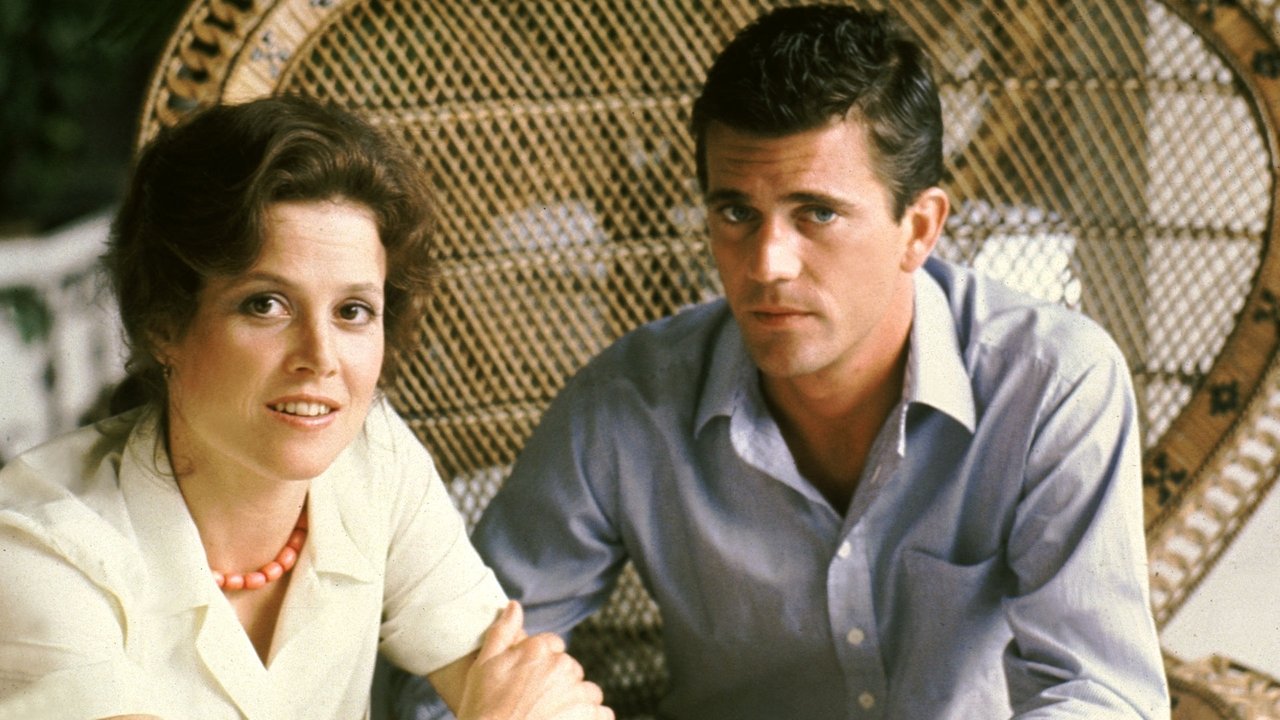
Navigating this treacherous landscape alongside Guy and Billy is Jill Bryant (Sigourney Weaver), an attaché at the British embassy. Weaver, already an icon after Alien (1979), brings a captivating intelligence and world-weariness to Jill. She’s more than just a romantic interest; she’s a woman caught between diplomatic protocols, her growing feelings for Guy, and her knowledge of the impending storm. The chemistry between Gibson and Weaver simmers against the backdrop of escalating danger, creating a romance that feels both urgent and precarious. Does love offer an escape, or is it just another complication in a world falling apart? The film leaves that question hanging, refusing easy answers.
Weir's Masterful Touch
The Year of Living Dangerously is a testament to Peter Weir’s ability to blend genres seamlessly. It's a gripping political thriller, a compelling character study, and a poignant romance, all wrapped in an atmosphere so tangible you could cut it with a knife. Cinematographer Russell Boyd captures the oppressive heat and vibrant chaos of the setting beautifully, while Maurice Jarre's score subtly underscores the mounting tension and emotional undercurrents.
The production itself faced its own share of danger. Originally planned to shoot in Jakarta, escalating threats forced the production to relocate to the Philippines. Ironically, this real-world tension seems to have seeped into the film's DNA, adding another layer to its palpable sense of unease. It’s a fascinating example of life imitating art, or perhaps art absorbing life's anxieties. Despite a modest budget (around $6 million), the film achieved significant critical acclaim, even if its box office returns ($10.3 million domestic) were more moderate for the time. It wasn't a blockbuster smash, but its impact was undeniable, cementing Weir's reputation and showcasing the dramatic range of its leads.
Why It Still Resonates
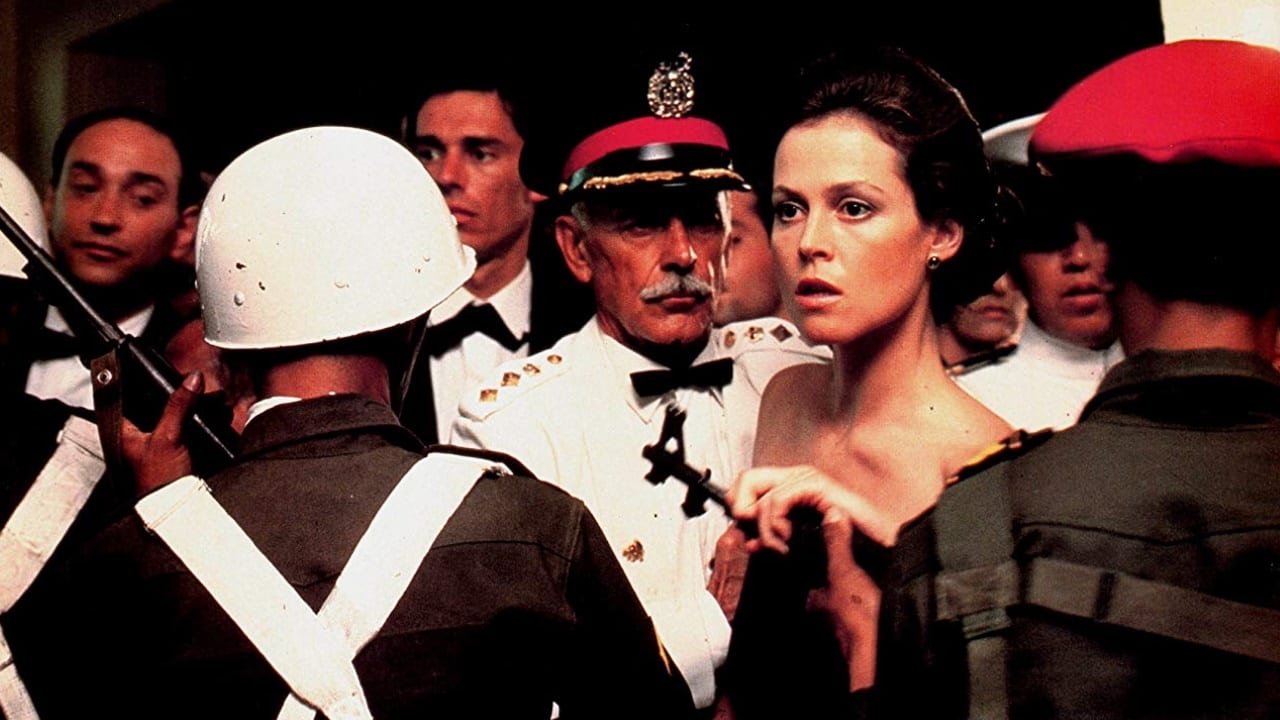
Watching The Year of Living Dangerously today, perhaps on a well-loved VHS tape pulled from the shelf, feels different than revisiting many action blockbusters of the era. It possesses a weight, a seriousness that demands attention. Its exploration of journalistic responsibility – the line between observing and participating, the potential for exploitation, the very real dangers faced when trying to report the truth in unstable regions – feels startlingly relevant. Doesn't the struggle to understand complex geopolitical situations through a Western lens still challenge us today?
The film doesn't offer simple heroes or villains. Guy makes questionable choices driven by ambition. Jill guards secrets that could save lives. Even the enigmatic Billy Kwan, for all his wisdom, operates under his own complex motivations and illusions. It forces us to consider the shades of grey inherent in human behaviour, especially under extreme pressure.
Rating: 9/10
This score reflects the film's masterful direction, its incredibly evocative atmosphere, the powerhouse, Oscar-winning performance by Linda Hunt, strong turns from Gibson and Weaver, and its intelligent exploration of complex themes. It's a film that avoids easy categorisation, blending political thriller and romance into something unique and deeply affecting. The pacing is deliberate, immersing the viewer rather than rushing through plot points, which perfectly suits its reflective nature. It’s a mature, thought-provoking piece of 80s cinema that stands the test of time.
The Year of Living Dangerously is more than just a thriller set against a historical backdrop; it's a haunting meditation on perception, loyalty, and the human cost of turmoil. What lingers long after the credits roll isn't just the exotic setting or the romance, but the unsettling question posed by those flickering shadow puppets: in the grand, often brutal play of history, who is truly pulling the strings?