Sometimes, a premise feels less like a story and more like a pleasant daydream spun into celluloid. What if doing the right thing, the genuinely kind thing, actually paid off spectacularly? That's the gentle hook of It Could Happen to You (1994), a film that arrived on VHS shelves feeling like a warm balm against the often-cynical tide of the mid-90s. It poses a simple, almost fairy-tale question: what happens when basic human decency intersects with improbable luck?
A Promise Sealed Over Coffee
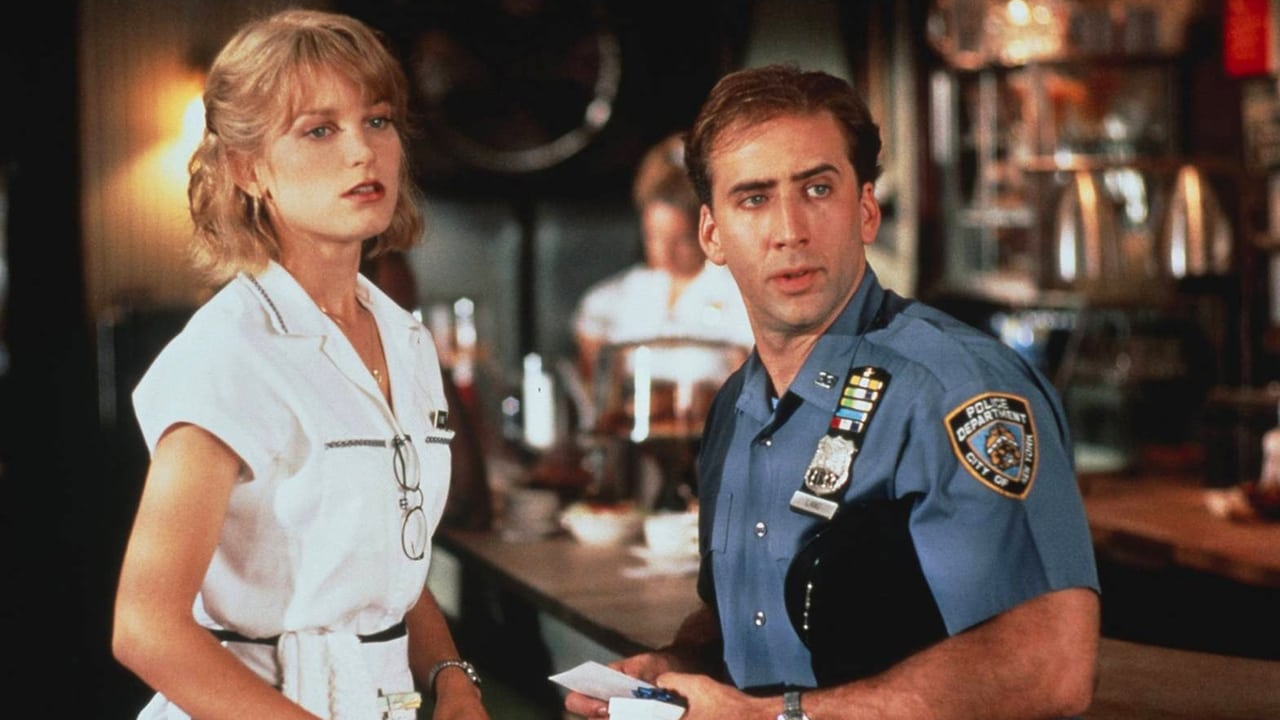
The setup is charmingly straightforward. Nicolas Cage, radiating earnestness as NYPD officer Charlie Lang, finds himself short on cash for a tip at a diner where waitress Yvonne Biasi (Bridget Fonda) is having the worst day of her life, besieged by bankruptcy lawyers. In a moment of spontaneous generosity (or perhaps caffeine-fueled optimism), Charlie promises her half of his lottery ticket winnings, should he hit the jackpot. It's a throwaway line, the kind easily forgotten. Except, of course, he wins. Four million dollars. And the core of the film rests on whether this fundamentally decent man will honor a promise made on a whim, much to the immediate and vocal fury of his materialistic wife, Muriel (Rosie Perez).
What unfolds is less a high-stakes drama and more a gentle exploration of character. Cage, in a role that feels miles away from the eccentric intensity he'd later become known for, embodies Charlie with a quiet integrity that's utterly convincing. He’s not naive, just inherently good. You believe he would share the winnings, not out of obligation, but because it’s simply the right thing to do. His performance here is a reminder of his versatile range; it’s grounded, relatable, and deeply sympathetic. Opposite him, Bridget Fonda brings a weary vulnerability to Yvonne. She’s been knocked down by life, but hasn't lost her core sweetness. Their chemistry isn't explosive passion, but a slower, more believable burn built on shared values and mutual kindness – a refreshing change of pace.
New York, Through Rose-Tinted Glasses
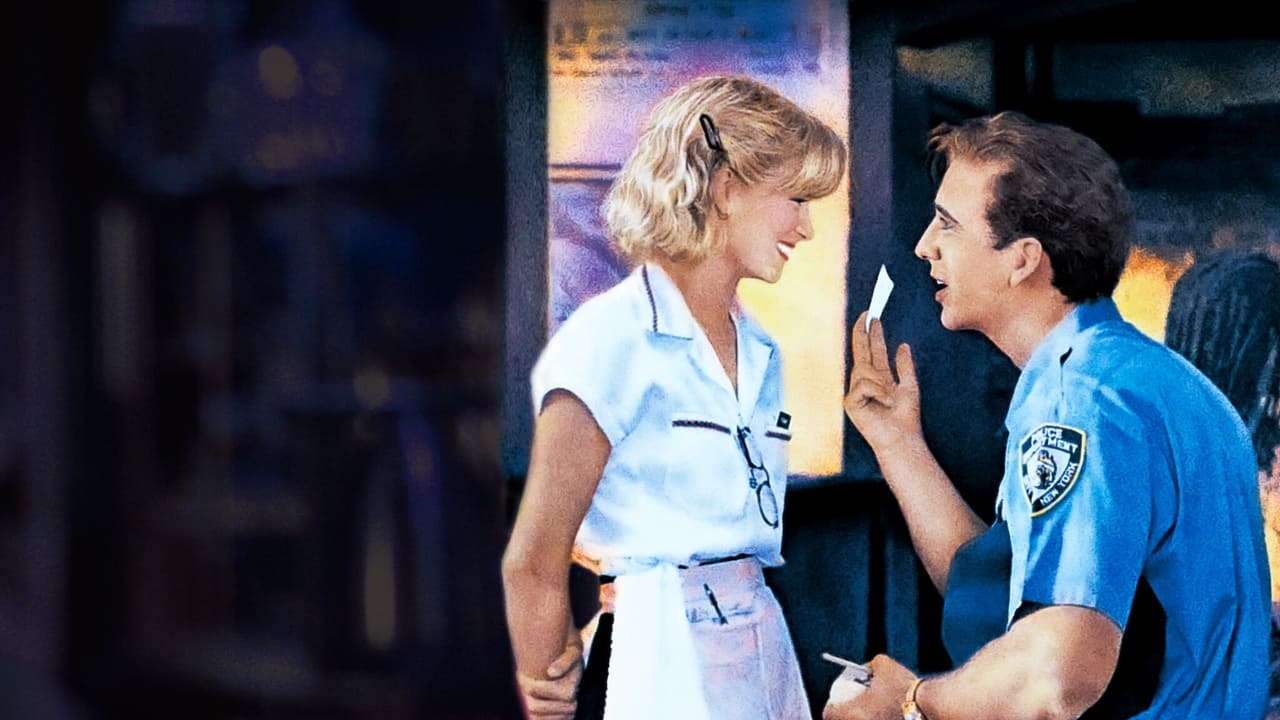
Director Andrew Bergman, who certainly knew his way around charming New York stories with films like The Freshman (1990) and the Vegas-bound but NYC-flavored Honeymoon in Vegas (1992, also starring Cage), crafts a vision of the city that feels welcoming, almost cozy. It’s a New York where communities rally, where good deeds get noticed (albeit amplified by a media frenzy), and where chance encounters feel like destiny. The film doesn't ignore the hardships – Yvonne's bankruptcy, Charlie's modest life – but it frames them within an overarching optimism. Carter Burwell's score complements this perfectly, adding emotional resonance without tipping into saccharine territory. It captures that specific feeling of possibility hanging in the New York air.
Truth, Fiction, and a Winning Ticket
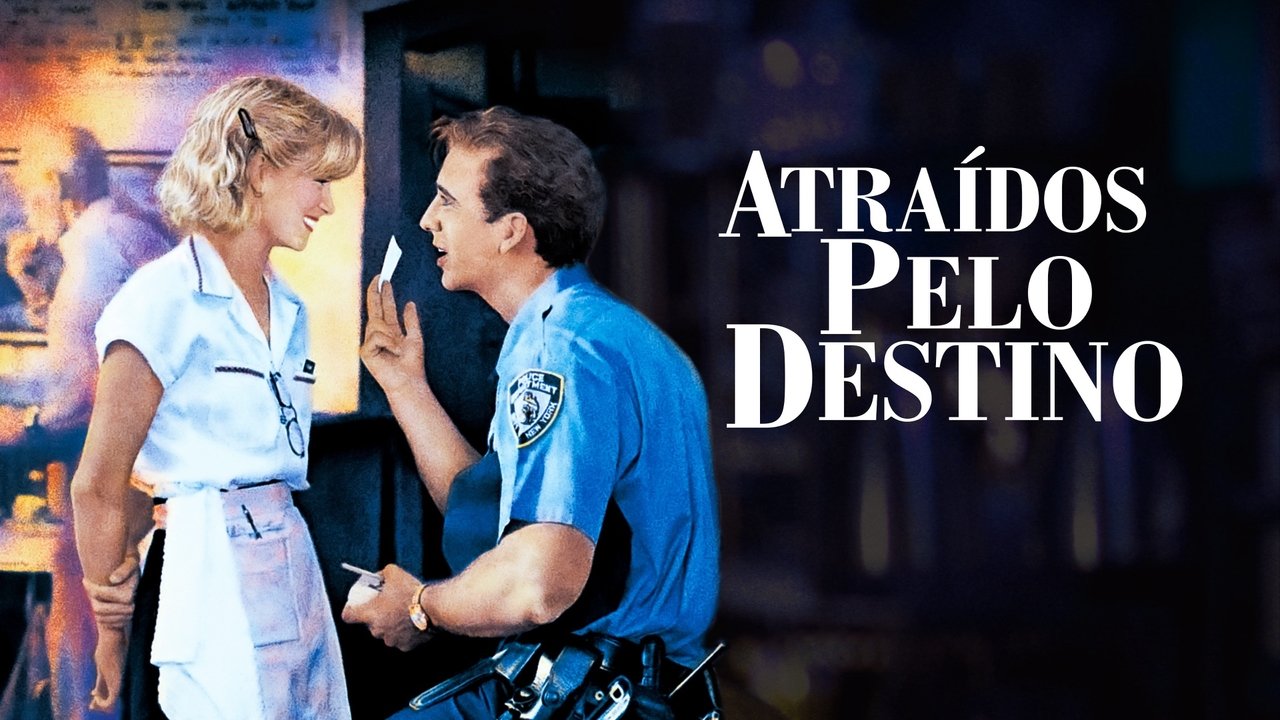
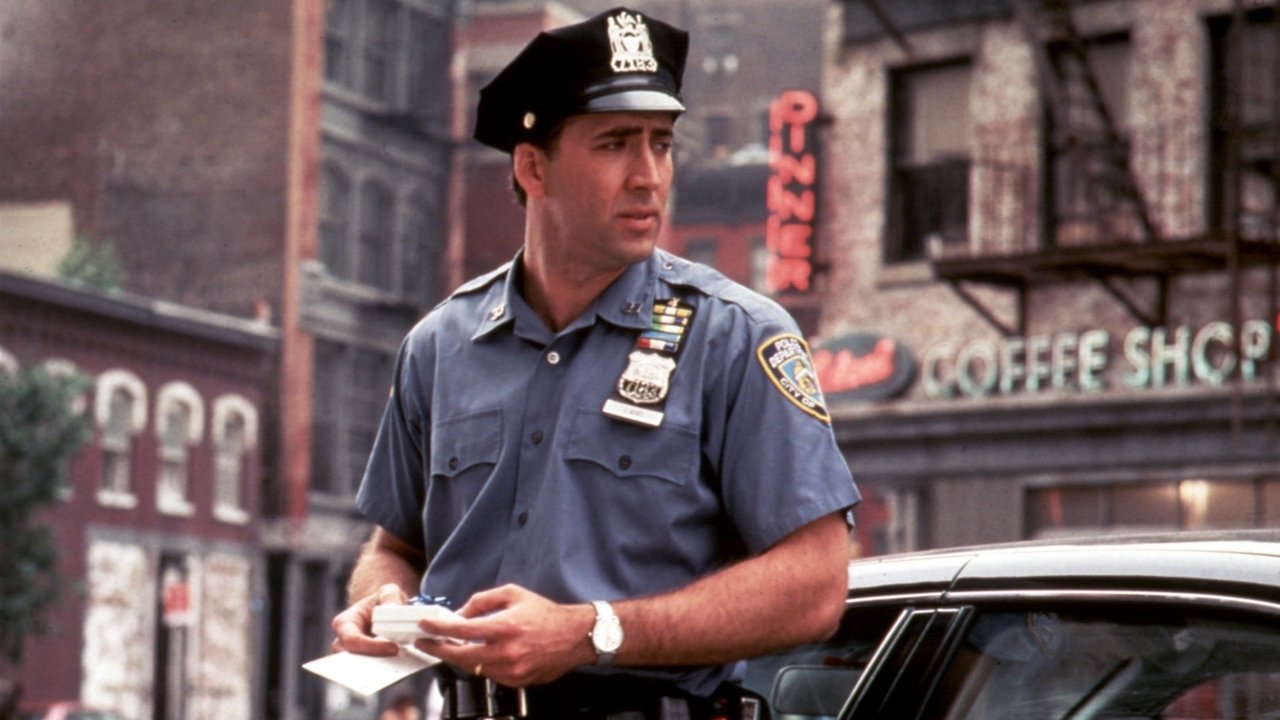
It adds a layer of warmth knowing the film was loosely inspired by a real event. In 1984, Officer Robert Cunningham did indeed share his $6 million lottery win with Dobbs Ferry waitress Phyllis Penzo after making a similar promise. However, screenwriter Jane Anderson wisely took significant liberties, transforming the real-life platonic sharing into a compelling romantic narrative. The actual pair weren't romantically involved, and the circumstances surrounding the win and its aftermath were far less dramatic than the film portrays. This "Hollywoodization" works in the film's favor, crafting a more focused emotional arc. It’s a classic example of taking a heartwarming kernel of truth and nurturing it into a full-blown cinematic fable. Interestingly, despite its feel-good nature and star power, the film was only a modest success at the box office, pulling in around $38 million domestically on a $20 million budget – perhaps its gentle sincerity was slightly out of step with audience tastes shifting towards edgier fare.
The Greed Factor and Lasting Impressions
Of course, no fairy tale is complete without its villain, or in this case, its wonderfully over-the-top antagonist. Rosie Perez absolutely tears into the role of Muriel Lang. She’s grasping, loud, and hilariously obsessed with escaping her working-class roots. Perez commits fully, delivering a performance that provides the film's primary source of conflict and comedic relief. While bordering on caricature, she embodies the naked greed that Charlie and Yvonne stand against, making their quiet integrity shine even brighter. It’s a performance that’s hard to forget, adding a necessary spice to the film's inherent sweetness. Shoutout as well to the smooth presence of Isaac Hayes as the narrator and guardian angel figure, Angel Dupree, adding another layer of fable-like charm.
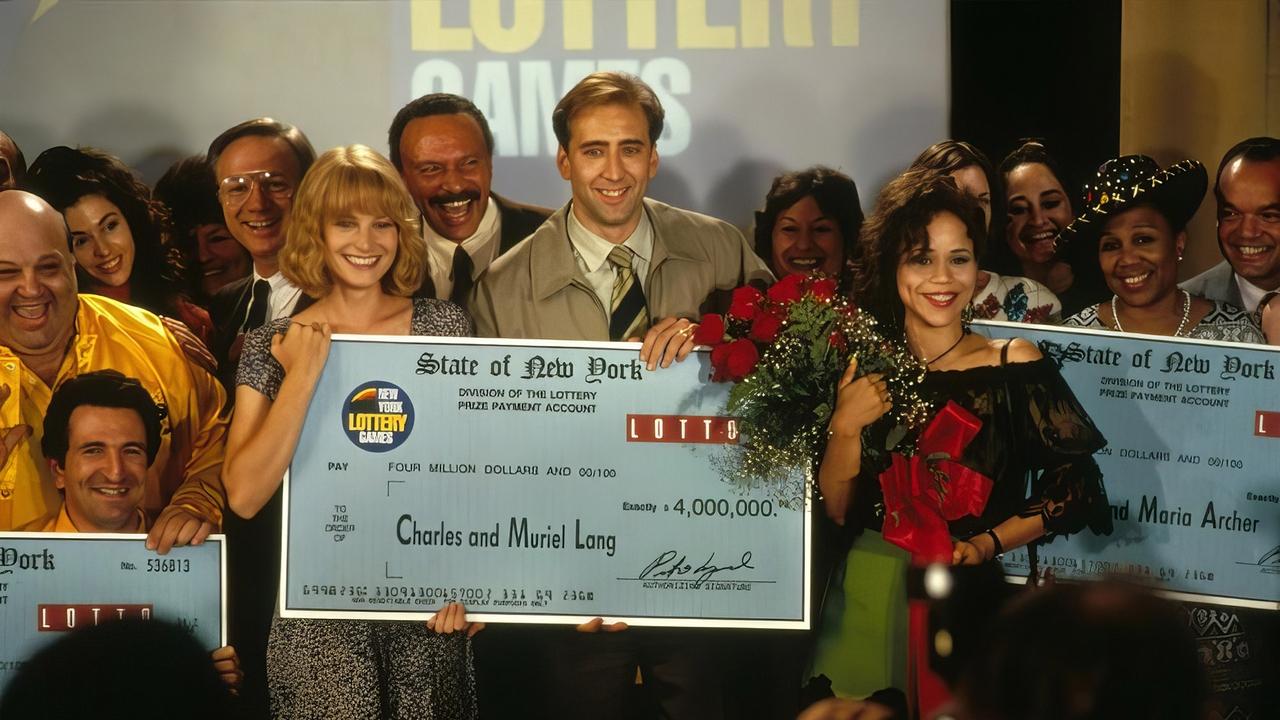
Watching It Could Happen to You today, possibly on a worn-out tape pulled from the back of a shelf, feels comforting. Does its brand of straightforward goodness feel a little quaint now? Perhaps. But its sincerity is undeniable. It asks us to consider the value we place on integrity, kindness, and promises kept, even when they come at great personal cost. The film doesn't necessarily offer complex answers, but its enduring appeal lies in its simple, heartfelt affirmation that sometimes, just sometimes, being good truly does pay off. It’s the kind of movie that leaves you feeling a little lighter, a little more hopeful – a feeling that was always welcome after hitting rewind at the end of the night.
Rating: 8/10
This rating reflects the film's genuine warmth, strong and perfectly cast lead performances (Cage, Fonda, Perez), and its success in creating a modern fairy tale that feels both sweet and satisfying. While perhaps predictable, its execution is charming and its core message of kindness resonates, making it a standout feel-good movie from the 90s VHS era, elevated by its basis in a remarkable true story. It’s a reminder that sometimes the most valuable wins aren't measured in dollars.