### The Unspoken Chill Between Friends
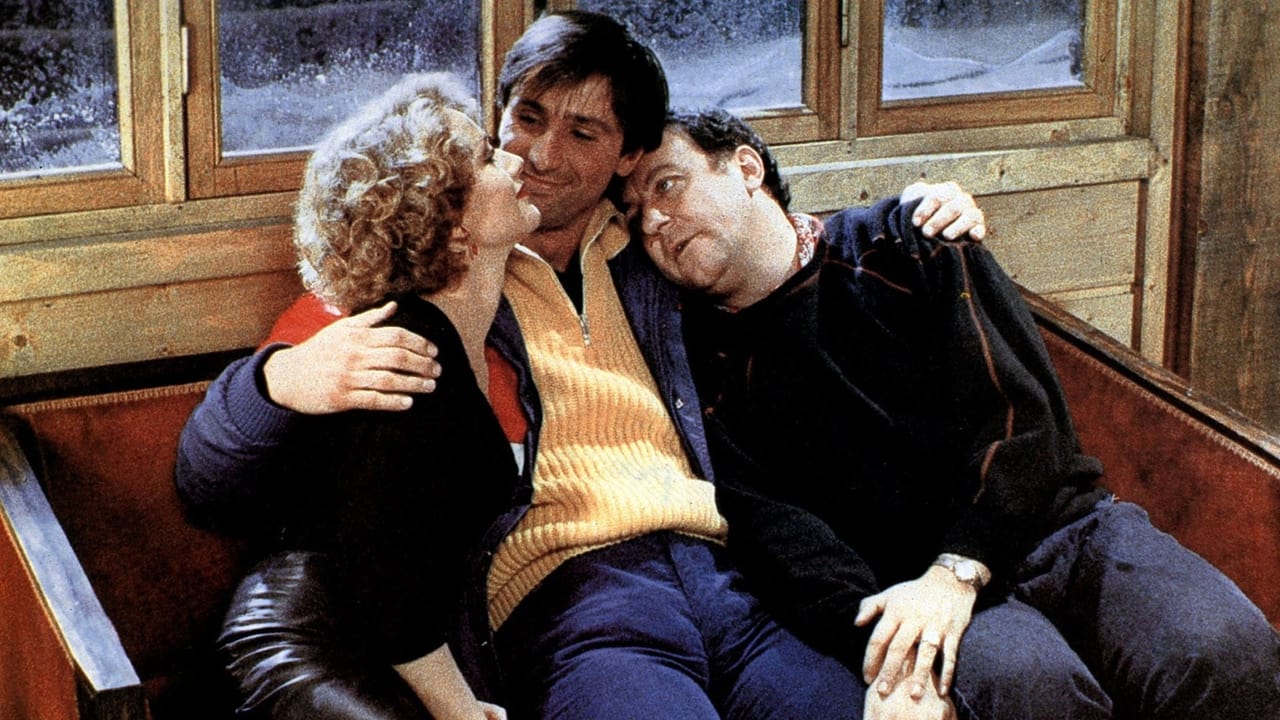
There's a certain quiet dread that settles in when you watch someone you care about make a choice you know will unravel everything. It's not loud or explosive, just a cold, sinking feeling. That’s the uncomfortable space Bertrand Blier’s 1983 film My Best Friend's Girl (La Femme de mon pote) inhabits, less a conventional drama and more a slow-motion observation of loyalty cracking under the weight of desire. Watching it again after all these years, pulling the imagined tape from its worn sleeve, it strikes me how different its pulse is from the boisterous American comedies or action flicks that often filled the shelves beside it back in the day. This one lands differently; it sits with you, leaving a residue of melancholy and awkward truth.
### A Triangle Etched in Alpine Snow
The setup is deceptively simple, almost archetypal. We have Pascal (Thierry Lhermitte), the charismatic ski shop owner in a chic Alpine resort, effortlessly charming and seemingly confident. Then there’s Micky (Coluche), his best friend, the resident DJ at the local nightclub – rumpled, endearing, and carrying a palpable air of loneliness beneath his forced nightly bonhomie. Their comfortable, if slightly imbalanced, friendship is thrown into disarray by the arrival of Viviane (Isabelle Huppert), a beautiful but enigmatic woman who drifts into Pascal’s life and, inevitably, into Micky’s line of sight. When Pascal casually asks Micky to look after Viviane while he's briefly away, the emotional fault lines begin to tremble.
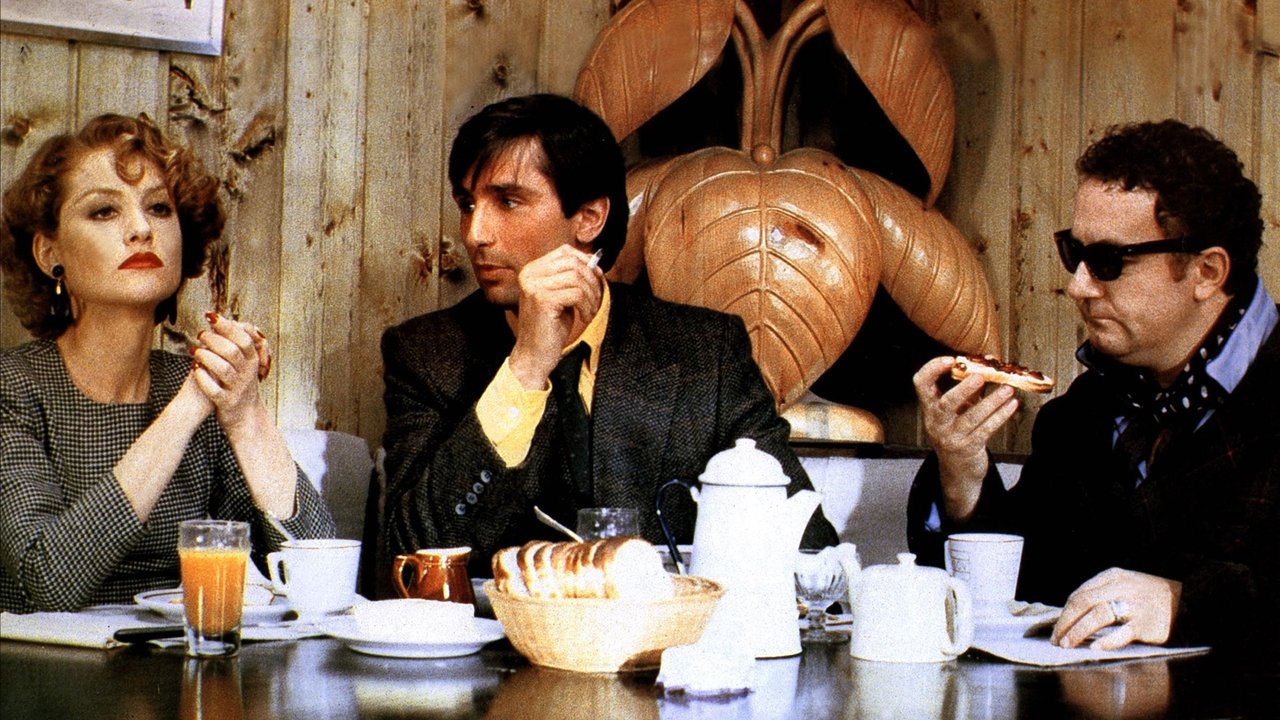
What follows isn't a series of dramatic confrontations or grand pronouncements, typical of many relationship dramas. Instead, Blier, collaborating on the script with his frequent partner Gérard Brach (known for his work with Roman Polanski), focuses on the subtle shifts, the unspoken tensions, the sideways glances, and the painful erosion of trust. The stunning Alpine scenery, all crisp air and snowy peaks, serves as a stark, beautiful counterpoint to the messy, increasingly suffocating emotional landscape inhabited by the characters. Doesn't that contrast often make internal struggles feel even more pronounced? The world outside is vast and indifferent, while inside, bonds are fraying.
### Unexpected Portraits
The casting itself is a fascinating element. Thierry Lhermitte, often associated with the broad, ensemble comedies of the Le Splendid troupe (like Les Bronzés font du ski / French Fried Vacation 2, ironically also set in a ski resort), brings a necessary surface charm to Pascal, but Blier allows glimpses of the character's underlying selfishness and casual cruelty. It’s a performance that uses Lhermitte’s inherent likeability against the grain.
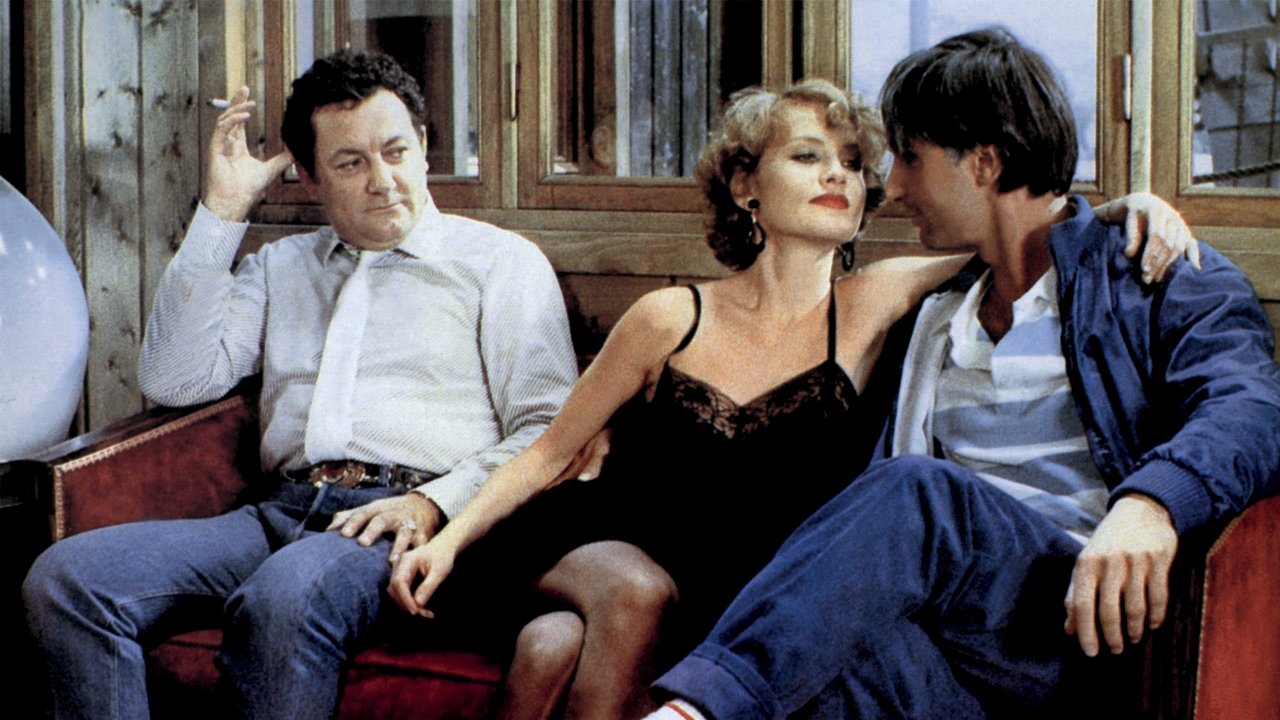
But the real revelation, especially for those who primarily knew him as one of France's most beloved stand-up comedians and comedic actors, is Coluche as Micky. Stripped of his usual clownish persona (though touches of his gentle humour remain), he delivers a performance of remarkable vulnerability and sadness. Micky’s longing and eventual heartbreak feel utterly genuine, his hangdog expression conveying volumes more than dialogue ever could. It's reported that Coluche actively sought more serious roles around this time to prove his range beyond comedy, and his collaboration with Blier here is a poignant testament to that ambition. Seeing him navigate such complex emotional terrain is affecting, particularly knowing his tragically early death just a few years later in 1986.
And then there's Isabelle Huppert. Already a formidable presence in international cinema following roles like Violette Nozière (1978) and Heaven's Gate (1980), she embodies Viviane with a captivating ambiguity. Is she a manipulative femme fatale, a victim of circumstance, or simply someone profoundly adrift? Huppert refuses easy answers, playing Viviane as alluring yet remote, her motivations veiled. Her performance is central to the film's unsettling power – she is the catalyst, yet remains something of an enigma. It’s this inscrutability that fuels the central conflict; the men project their desires and assumptions onto her, perhaps seeing only what they want to see.
### Blier's Uncompromising Gaze
Director Bertrand Blier, who had already explored complex, often provocative male relationships and unconventional sexuality in films like Les Valseuses (1974) and the Oscar-winning Get Out Your Handkerchiefs (1978), continues his exploration of human behaviour at its most uncomfortable. His directorial hand is steady and observational. He doesn't judge his characters, merely presents their flaws and desires with a kind of detached empathy. The pacing is deliberate, allowing the awkward silences and unspoken feelings to register. There's a distinct lack of sentimentality; Blier isn't interested in neat resolutions or easy catharsis. It feels very much a product of its director's unique, sometimes cynical, worldview.
The film wasn't a massive commercial hit like some of Blier's earlier works, perhaps due to its more somber tone and the challenging nature of its central trio. Yet, watching it now, it feels like a mature, if melancholic, entry in his filmography. It captures that specific, slightly grubby feel of early 80s French realism, a world away from the gloss often seen in American films of the period. It makes you ponder the fragile nature of male friendship when faced with intense desire, and the ways people can wound each other, sometimes without grand malice, but simply through weakness and unspoken needs. What is it about intense emotional triangles that makes them such enduring, if painful, cinematic territory?
***
VHS Heaven Rating: 7/10
Justification: My Best Friend's Girl earns a solid 7 primarily for its compelling, nuanced performances, particularly Coluche's deeply affecting dramatic turn against type and Isabelle Huppert's magnetic ambiguity. Bertrand Blier's unflinching direction creates a potent, uncomfortable atmosphere that lingers. While its deliberate pacing and lack of easy answers might not resonate with everyone, and it lacks the kinetic energy of some other 80s fare, its honest portrayal of flawed characters and the painful complexities of friendship and desire makes it a worthwhile, thought-provoking watch from the era. It doesn't shout, but its quiet observations about human fallibility echo long after the credits roll.
Final Thought: It’s a film that reminds you that sometimes the deepest betrayals happen not with a bang, but with a quiet, awkward glance across a crowded room. A distinctly French melancholy hangs over this one, a far cry from the ski-slope comedies you might expect.