Alright, fellow tape travelers, let's rewind to a dusty corner of the sci-fi shelf, probably nestled somewhere between the towering mechs and the space operas. There, you might find a gem that pulsed with a different kind of energy: Yoshikazu Yasuhiko's 1989 anime feature, Venus Wars (ヴィナス戦記, Vinasu Senki). For many of us catching the first waves of anime hitting Western shores on VHS, this film felt like something special – a gritty, grounded war story unfolding not in the stars, but under the ochre skies of a terraformed Venus. It lacked the sheer mind-bending scale of Akira (released just the year before), but it offered something just as compelling: mud, motorbikes, and teenage rebellion caught in the crossfire.

### Welcome to Venus, It's a Battlefield
Forget gentle canals and floating cities. The Venus of Venus Wars is harsh, unforgiving, and locked in a bitter conflict between the continents of Ishtar and Aphrodia. After a massive comet collision made Venus habitable (albeit barely), human colonists arrived, only to promptly repeat Earth's mistakes. The year is 2089, seventy years after colonization began, and war is the norm. This backdrop, established with impressive detail and a tangible sense of lived-in history, immediately set Venus Wars apart. It wasn’t just a sci-fi setting; it felt like a real, albeit miserable, place.
Into this mess rides Hiro Seno (Katsuhide Uekusa), a reckless mono-bike racer with the local gang, the "Killer Commandos" (or sometimes just "Houndz"). All Hiro cares about is the thrill of the race, pushing his heavily armed, single-wheeled machine to its limits across the Venusian plains. But when the technologically superior forces of Ishtar launch a surprise invasion of his home city, Aphrodia, Hiro and his friends are violently drafted into the chaos. Suddenly, the game becomes real, and survival depends on adapting those racing skills to deadly combat.
### Mono-Bikes and Masterful Animation
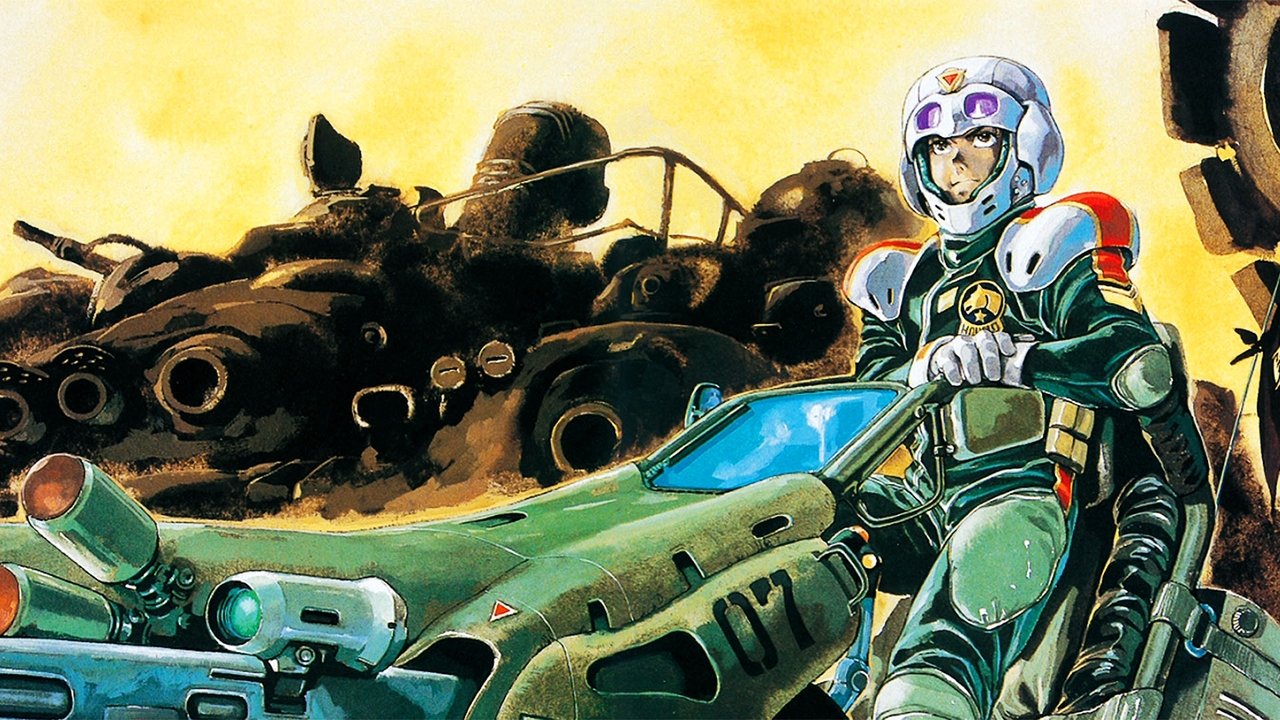
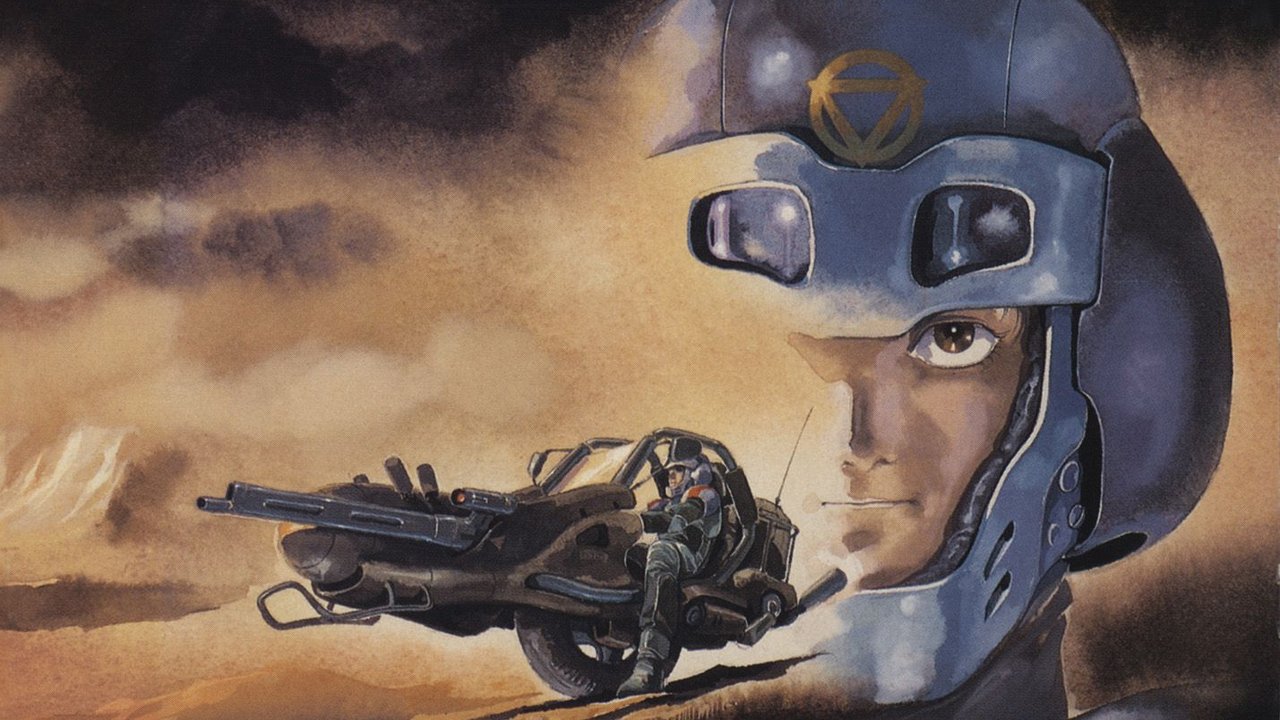
Let's be honest: the real stars here are those incredible mono-bikes. Part motorcycle, part tank, these gyroscopically stabilized war machines were pure 80s cool, rendered with loving mechanical detail. Watching them skid, jump, and unleash volleys of cannon fire was, and frankly still is, utterly thrilling. I distinctly remember pausing the tape repeatedly just to soak in the design work. Yasuhiko, already a legend for his character designs and animation direction on the original Mobile Suit Gundam, brought his A-game here, both directing and adapting his own manga (though the film only covers roughly the first half of the source material).
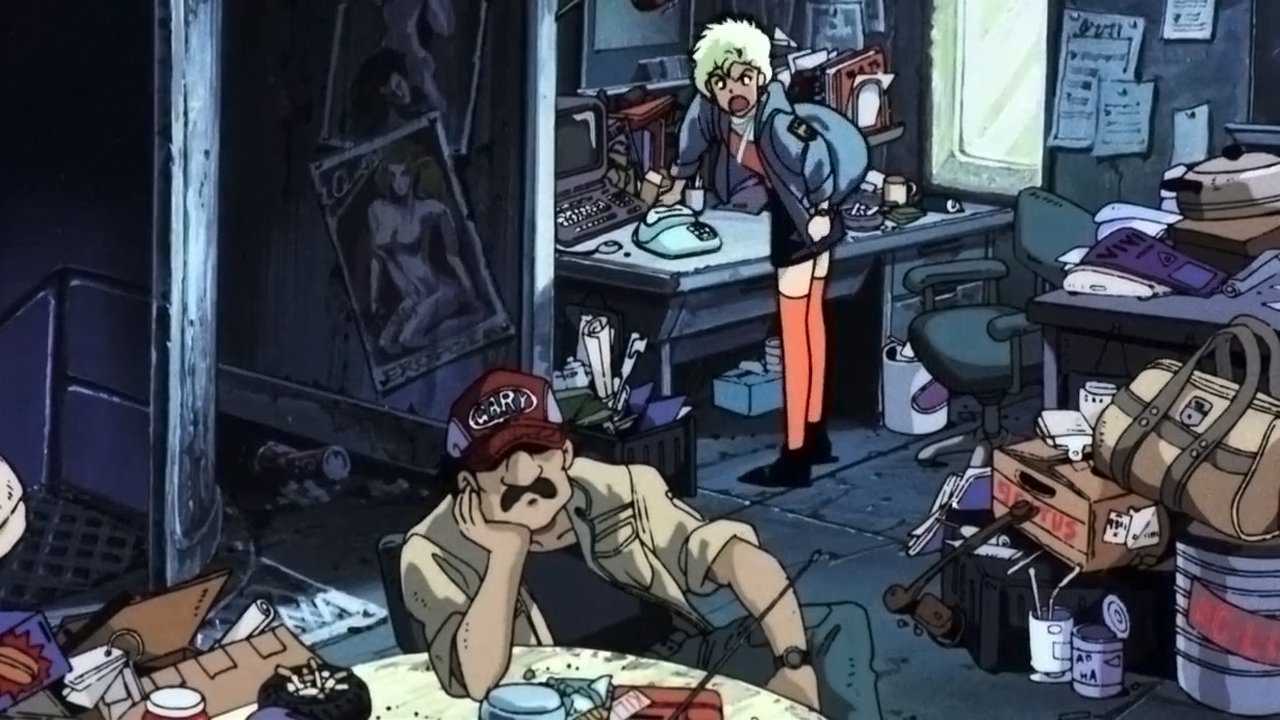
The animation itself is a testament to the peak of hand-drawn cel animation just before the digital revolution. Everything has weight and texture, from the dust kicked up by the bikes to the grimacing faces of the soldiers. The action sequences are fluid and dynamic, avoiding the static shots that sometimes plagued lesser productions. There's a real sense of kinetic energy, especially during the mono-bike races and battles. This wasn't just 'cartoons'; this was cinematic artistry, a style that felt mature and visually rich on our flickering CRT screens. It cost a reported ¥500 million back then, a hefty sum, and you can see every yen on screen in the detailed backgrounds and fluid movement.
### Sounds of the Red Planet
Adding immeasurably to the atmosphere is the fantastic score by none other than Joe Hisaishi. Yes, that Joe Hisaishi, the genius composer behind countless Studio Ghibli masterpieces like Nausicaä of the Valley of the Wind (1984) and My Neighbor Totoro (1988). His work on Venus Wars is perhaps less whimsical but no less effective, blending driving electronic beats for the action sequences with more melancholic, atmospheric pieces that perfectly capture the desolation and tension of the war-torn planet. It’s a score that elevates the entire film, adding emotional depth and pumping adrenaline in equal measure. Hearing his distinctive style applied to this gritty sci-fi world was one of those unexpected joys of discovery back in the VHS era.
### More Than Just Explosions?
While the action and visuals are the main draw, Venus Wars does touch upon familiar themes of youth caught in conflict, the senselessness of war, and the struggle for freedom. Hiro’s transformation from reckless biker punk to reluctant soldier is the core arc, alongside his interactions with the determined Aphrodian lieutenant Miranda (Eriko Hara) and the initially naive Earth reporter Susan (Yūko Mizutani), who finds herself trapped on Venus and getting a brutal front-line education.
It's fair to say character development isn't always the deepest; the plot moves quickly, sometimes prioritizing the next action set piece over quieter moments. Some motivations can feel a bit thin, and the larger political conflict remains somewhat in the background compared to Hiro's immediate struggles. However, the film effectively conveys the grim reality of war from the perspective of young people forced to fight it, a recurring theme in much of Yasuhiko's work.
### Retro Fun Facts & Legacy
- Manga vs. Movie: Fans of Yasuhiko's original manga (which ran from 1987 to 1990) will know the film significantly condenses the story, focusing mainly on the initial invasion and Hiro's induction into the military. The manga delves much deeper into the politics and characters.
- Western Release: Venus Wars often arrived in North America via distributors like Central Park Media/U.S. Manga Corps, sometimes bundled or promoted alongside the juggernaut Akira. This pairing cemented its place in the minds of many early Western anime fans as part of that essential late-80s sci-fi anime wave.
- The Dub: Like many anime releases of the era, the English dub has its own particular charm (or quirks, depending on your taste!). For many, it's the version etched into memory from worn-out rental tapes.
While it might not have achieved the iconic status of Akira or Ghost in the Shell (1995), Venus Wars remains a highly regarded film within the retro anime community. It’s a prime example of the high-quality animation, mature storytelling, and sheer imaginative design work that defined that golden age. It showed that anime could tackle serious themes within a thrilling sci-fi action framework.
***
VHS Heaven Rating: 8/10
Justification: Venus Wars earns a strong 8 for its outstanding animation quality (especially for its time), its iconic and thrilling mono-bike action sequences, and its evocative world-building. The Joe Hisaishi score is a massive plus, adding significant atmospheric weight. While the character development and plot depth could be stronger, sometimes feeling rushed due to condensing the manga, the film delivers a compelling and visually stunning sci-fi war story with a gritty, tangible feel. It perfectly captured that late-80s wave of mature anime that felt so revelatory on VHS.
Final Thought: Fire up the VCR in your mind – Venus Wars is pure, high-octane retro anime fuel, a dusty, thrilling ride across a battlefield that felt uniquely real, even on another planet. Those mono-bikes alone are worth the price of admission.