That summer night by Lake Geneva, the air hung thick not just with rain, but with something else. Something electric, dangerous, pregnant with possibilities both monstrous and sublime. 1816. Villa Diodati. A gathering of literary titans fuelled by laudanum, wine, and volatile egos, challenging each other to conjure tales of terror. We know the legends born from that night – Mary Shelley’s Frankenstein, Polidori’s The Vampyre. But what if the real horror wasn’t on the page, but clawing its way out of their collective subconscious? Ken Russell’s Gothic (1986) plunges us headfirst into that feverish darkness, transforming a historical footnote into a relentless, hallucinatory descent into hell.
A Storm Within and Without
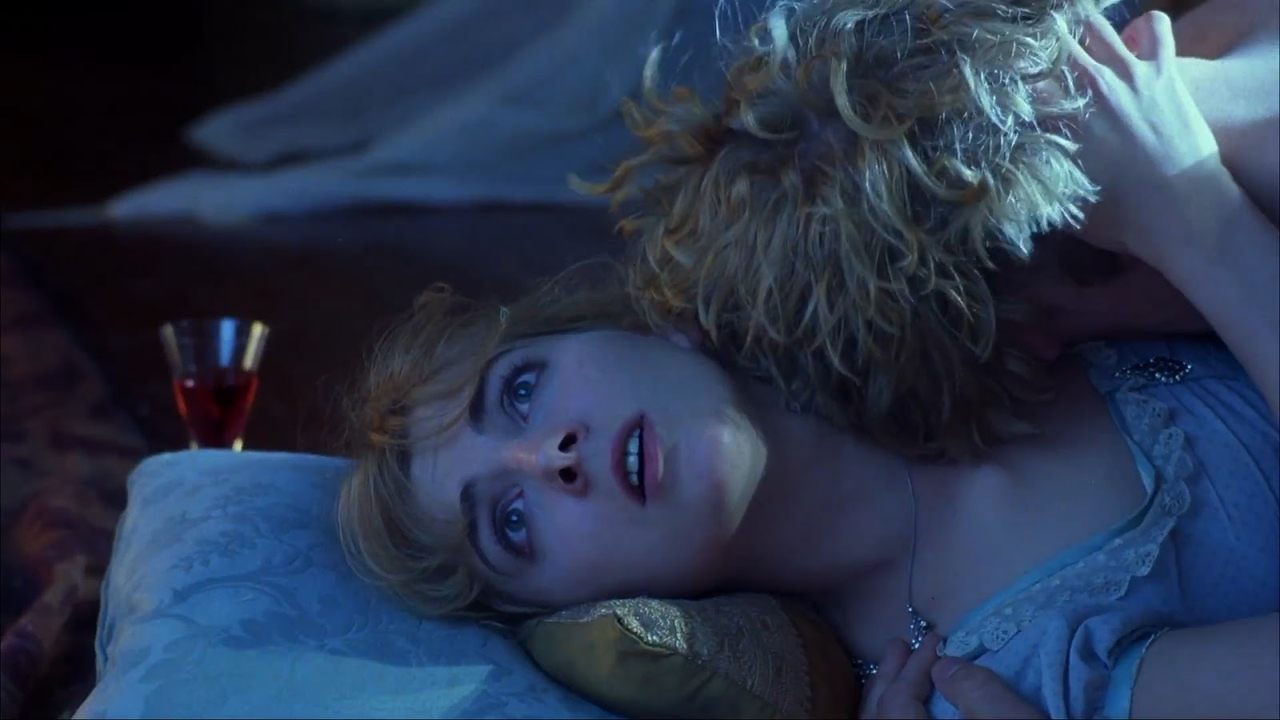
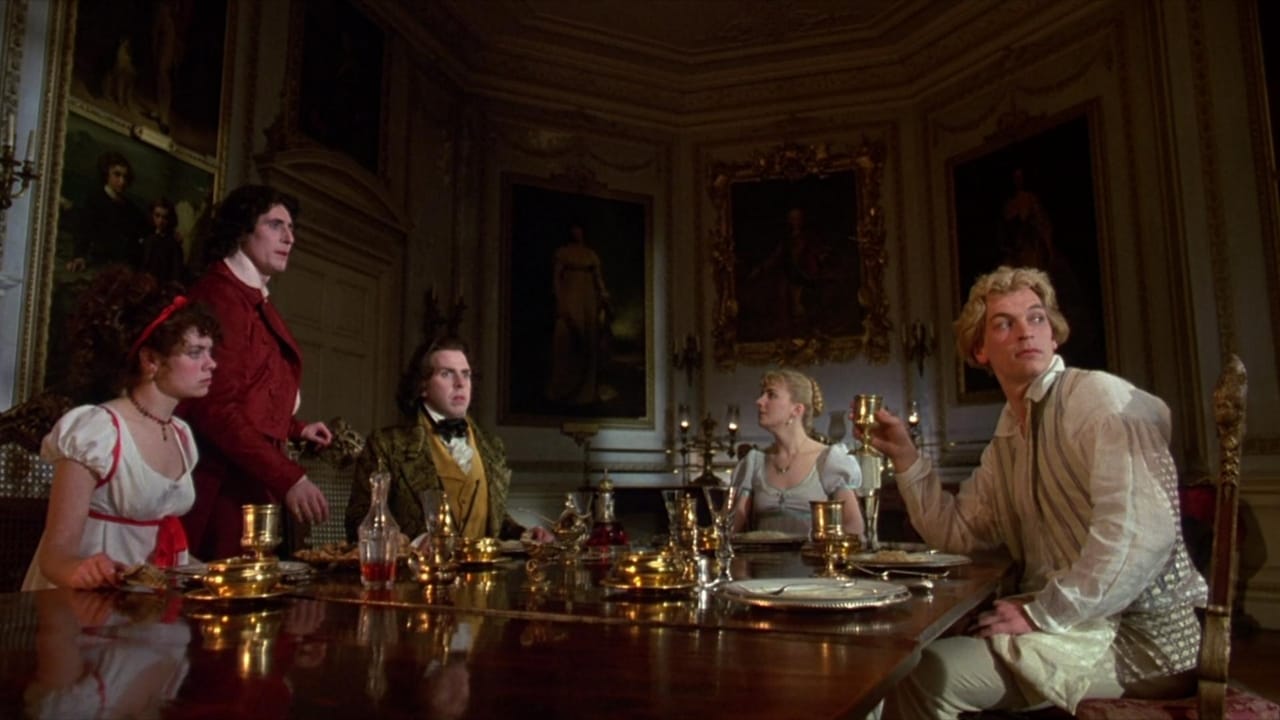
Forget cosy period drama. From the moment Lord Byron (Gabriel Byrne, radiating Byronic charisma and menace) welcomes Percy Bysshe Shelley (Julian Sands, ethereal and intense), Mary Wollstonecraft Godwin (Natasha Richardson, in a striking feature debut), Claire Clairmont (Myriam Cyr), and Dr. John Polidori (Timothy Spall, perfectly unsettling) into his rented villa, Russell cranks the psychic amplifier to eleven. A literal storm rages outside, mirroring the tempest brewing within these brilliant, damaged minds. Trapped by the weather, they embark on a séance and storytelling contest, but the spirits they invoke aren't necessarily spectral – they are the grotesque embodiments of their deepest fears, anxieties, and repressed desires.
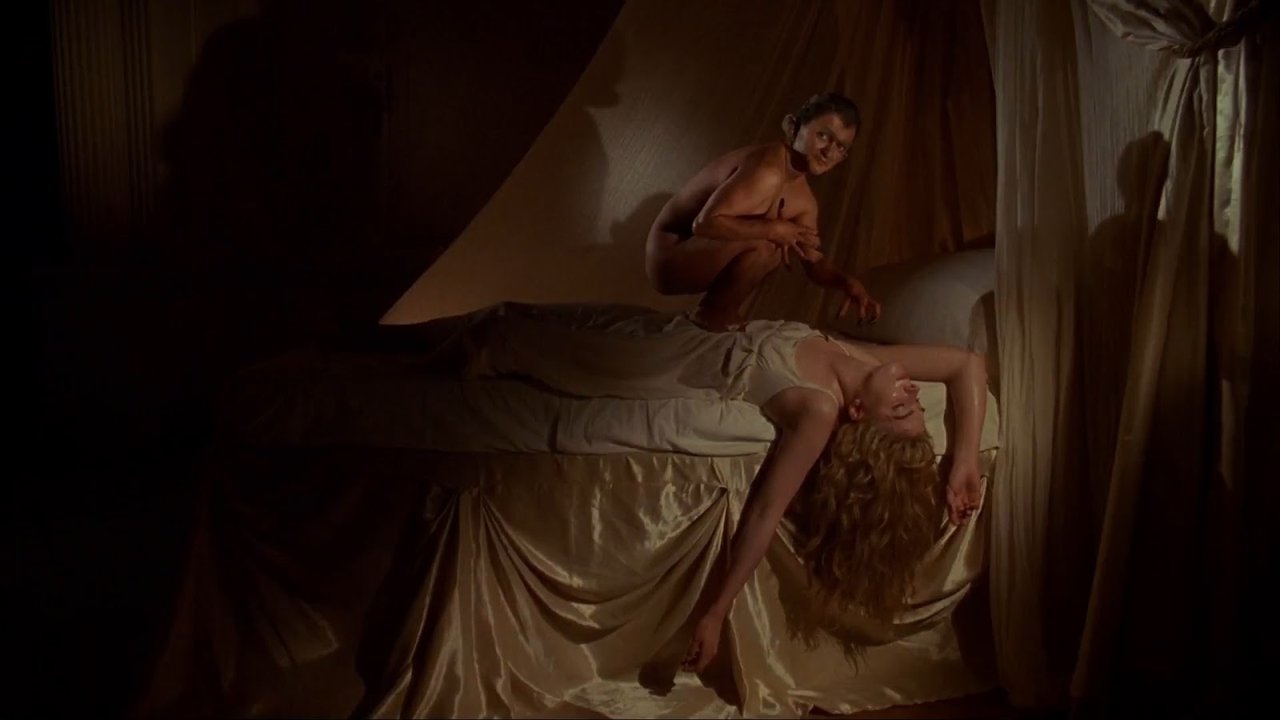
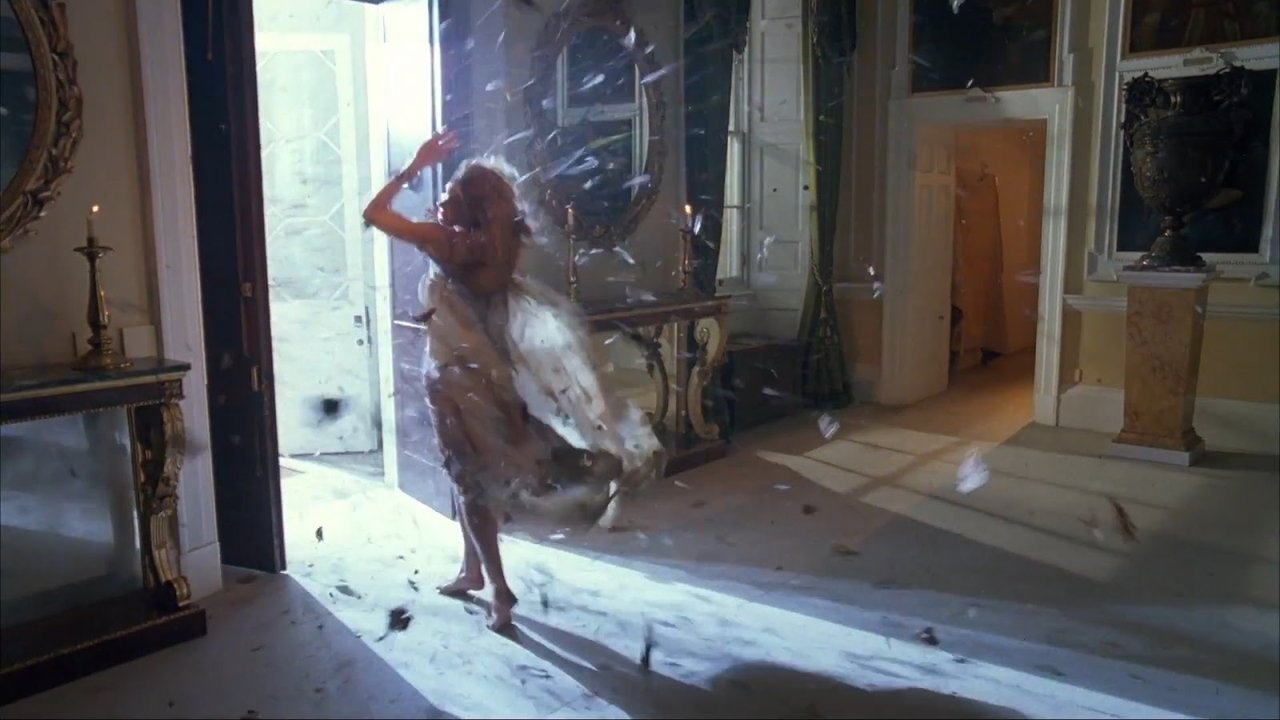
Russell, never one for subtlety (thank goodness!), paints this psychological unravelling with broad, lurid strokes. This isn't the slow-burn dread of some gothic tales; it’s a full-frontal assault of nightmarish imagery. Homunculi squirming in jars, disembodied eyes watching from the walls, spectral lovers, grotesque births – it’s a sensory overload designed to mimic the opium-addled state of its protagonists. Some found it excessive back then, and perhaps still do, but isn't that precisely the point? This is creativity curdled into nightmare, genius teetering on the brink of madness. The film itself feels like a dangerous substance ingested late at night, altering your perceptions long after the credits roll.
Russell's Playground of the Grotesque
The atmosphere is thick enough to choke on. Credit goes not just to Russell’s feverish direction, but to the oppressive production design that makes Villa Diodati feel both opulent and suffocatingly claustrophobic. Shot largely at High Fold Guest House in Cumbria, the location becomes another character – a pressure cooker for the escalating hysteria. Combined with Thomas Dolby's often jarring, synth-heavy score – a bold choice that somehow works, adding another layer of unsettling modernity to the period setting – the film creates a truly unique and disorienting texture. It feels dangerous, like the celluloid itself might combust.
Remember those practical effects? In an era saturated with CGI, the tangible grotesqueries Russell conjures possess a disturbing weight. The leeches, the creature born from Mary’s mind, the sheer physicality of the terror – it felt disturbingly real on that grainy VHS tape, didn't it? There’s a visceral quality here that digital trickery often lacks. Russell, known for pushing his actors and vision to the extreme (think The Devils or Altered States), spares no one, least of all the audience. It's said that the intense, often bizarre filming conditions mirrored the on-screen chaos, a testament to Russell's immersive, if demanding, method.
Birthing Monsters
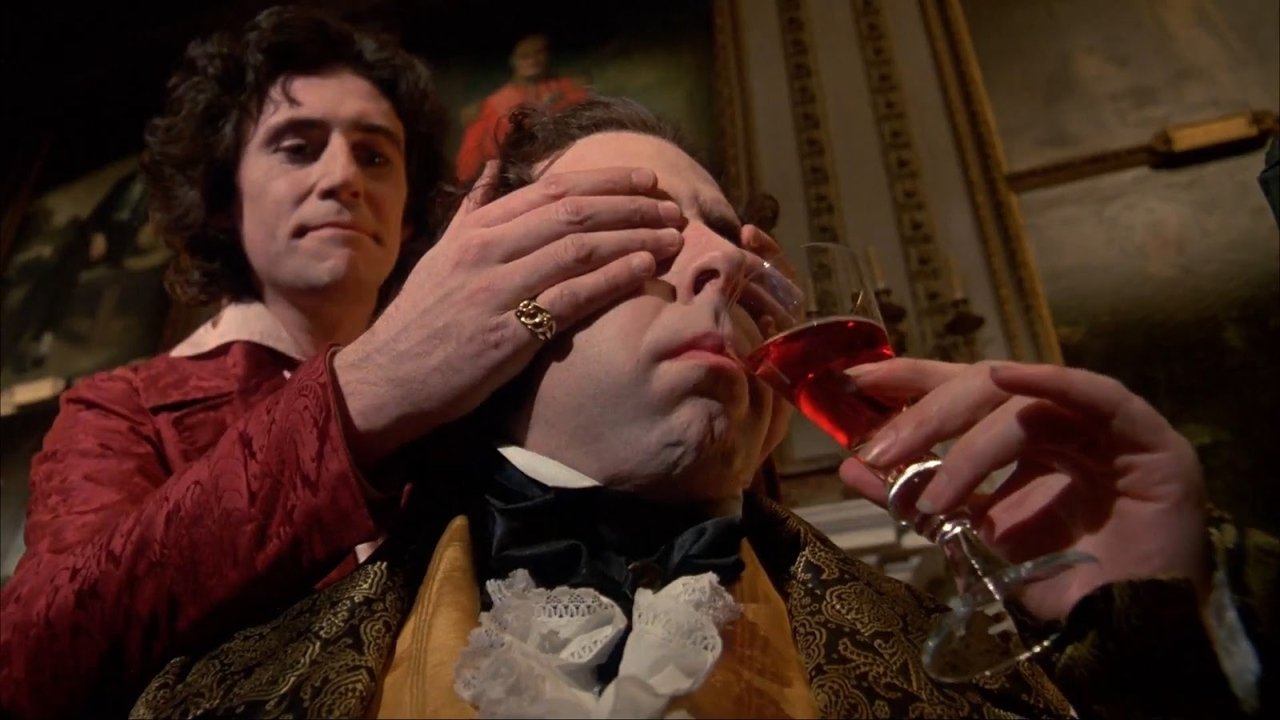
The cast throws themselves into the madness with abandon. Gabriel Byrne is Byron – seductive, cruel, haunted by his own fame and scandals. The late, great Natasha Richardson delivers a raw, vulnerable performance as Mary, grappling with the recent loss of her child and the terrifying power of her own imagination. Julian Sands, always compelling in roles requiring a certain otherworldly quality, embodies Shelley's poetic fragility, while Timothy Spall provides a grounding, yet deeply creepy, presence as the observant and envious Polidori. They aren't just reciting Stephen Volk's (who would later terrify UK audiences with Ghostwatch) script; they are living the nightmare.
Volk's screenplay cleverly uses the historical framework – the ghost story contest that famously birthed two horror icons – as a launchpad for exploring the psychological underpinnings of horror itself. Fear of creation, fear of sexuality, fear of the body, fear of the mind turning against itself – it’s all thrown into Russell's cauldron and boiled down to its terrifying essence. The film suggests that Frankenstein and The Vampyre weren't just stories; they were necessary expulsions of the darkness unleashed that night.
Legacy of a Fever Dream
Gothic wasn't a huge box office smash (costing around £1.6 million, its returns were modest), and its confrontational style certainly divided critics, as Russell's work often did. But its influence lingers. It’s a film that dares to be excessive, to be irrational, to prioritize feeling and nightmare logic over narrative coherence. It’s a punk-rock take on literary history, a blast of psychosexual horror that refuses to be easily categorized or forgotten. Watching it again now, it feels less like a product of the 80s and more like a strange, timeless artifact – a glimpse into a moment where creative genius and utter terror bled together under a stormy sky.
Did it capture the reality of that night? Almost certainly not. But does it capture the feeling, the potential for darkness lurking beneath the surface of artistic inspiration? Absolutely. It’s a challenging, sometimes exhausting watch, but one that burns itself into your memory.
---
Rating: 8/10
Justification: Gothic earns its high score for its sheer audacity, unforgettable atmosphere, and committed performances. Ken Russell's singular, uncompromising vision creates a potent and disturbing psychological horror experience that brilliantly uses its historical premise as a springboard for hallucinatory terror. The unsettling practical effects and Thomas Dolby's score contribute significantly to its unique texture. While its relentless intensity and narrative looseness might alienate some, its power to evoke genuine unease and its status as a cult artifact of 80s extreme cinema are undeniable. It’s a fever dream you won’t easily shake off.
Final Thought: For those who remember renting this gem, perhaps hidden in the 'horror' section behind more mainstream fare, Gothic remains a potent reminder of a time when filmmakers dared to be truly weird, pushing the boundaries of taste and terror in ways that still feel startlingly bold today. It's the dark, opium-laced heart of the Gothic imagination brought screaming onto celluloid.