It arrives not with a bang, but with the quiet hum of everyday struggle, a stark contrast to the neon glow and explosive action dominating many VHS rental shelves in 1989. Mike Leigh’s High Hopes doesn’t offer escapism in the typical sense; instead, it holds up a mirror, sometimes uncomfortably so, to the fragmented realities of life in Thatcher's Britain. Watching it again now, decades removed, its portrait of fractured families and class anxieties feels less like a period piece and more like a prescient X-ray of societal divisions that linger still.
A Tale of Two Londons (and One Bemused Mother)
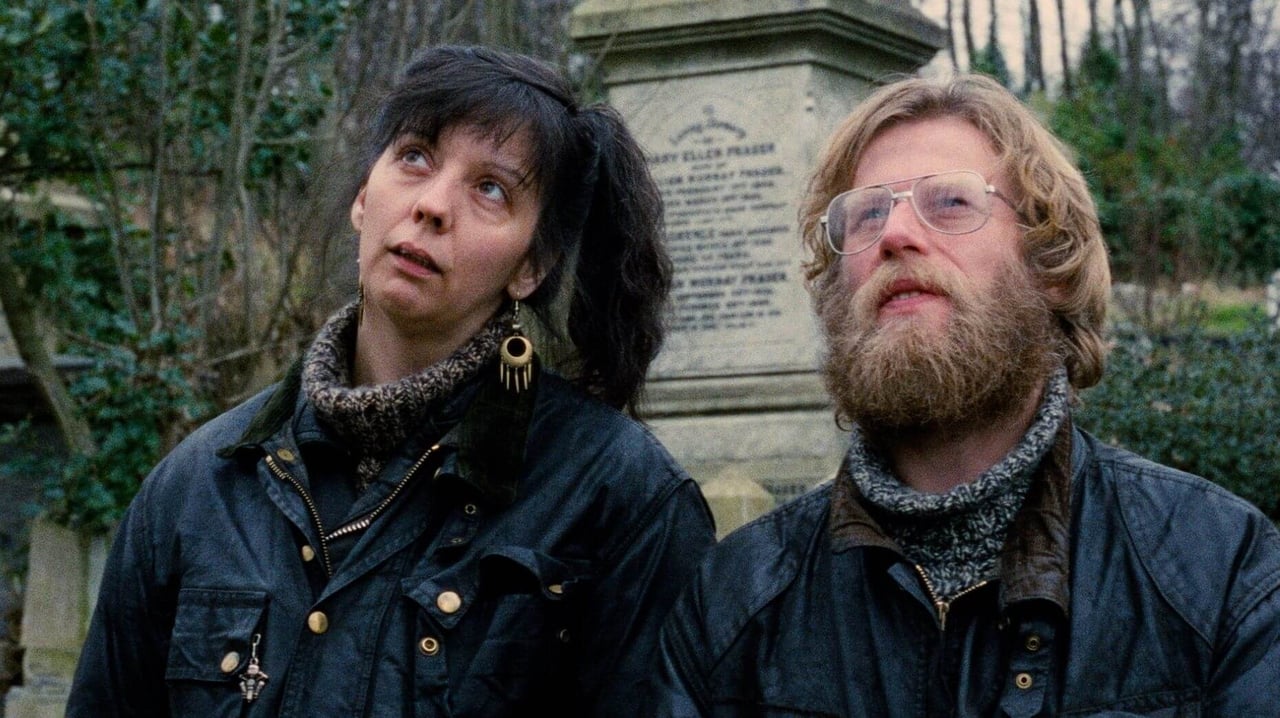
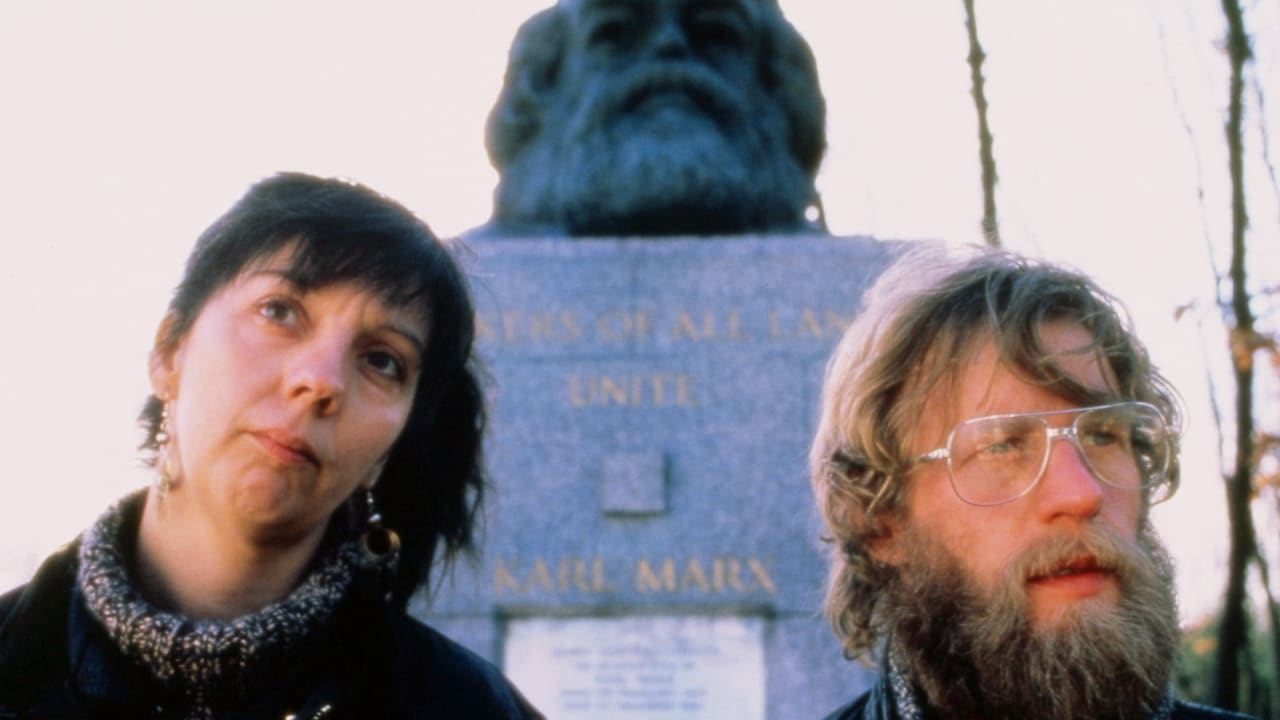
At its heart are Cyril (Philip Davis) and Shirley (Ruth Sheen), a committed, left-leaning couple navigating their modest existence in King's Cross. They are the film's compassionate core – politically aware, emotionally supportive of each other, yet perpetually grappling with the apathy and materialism blossoming around them. Their world stands in sharp relief against Cyril's sister, Valerie (Heather Tobias), a brittle suburbanite obsessed with appearances, and especially against their excruciatingly nouveau riche neighbours, Laetitia Boothe-Braine (Lesley Manville) and Rupert Boothe-Braine (David Bamber), whose affected mannerisms and casual snobbery are both hilarious and horrifying.
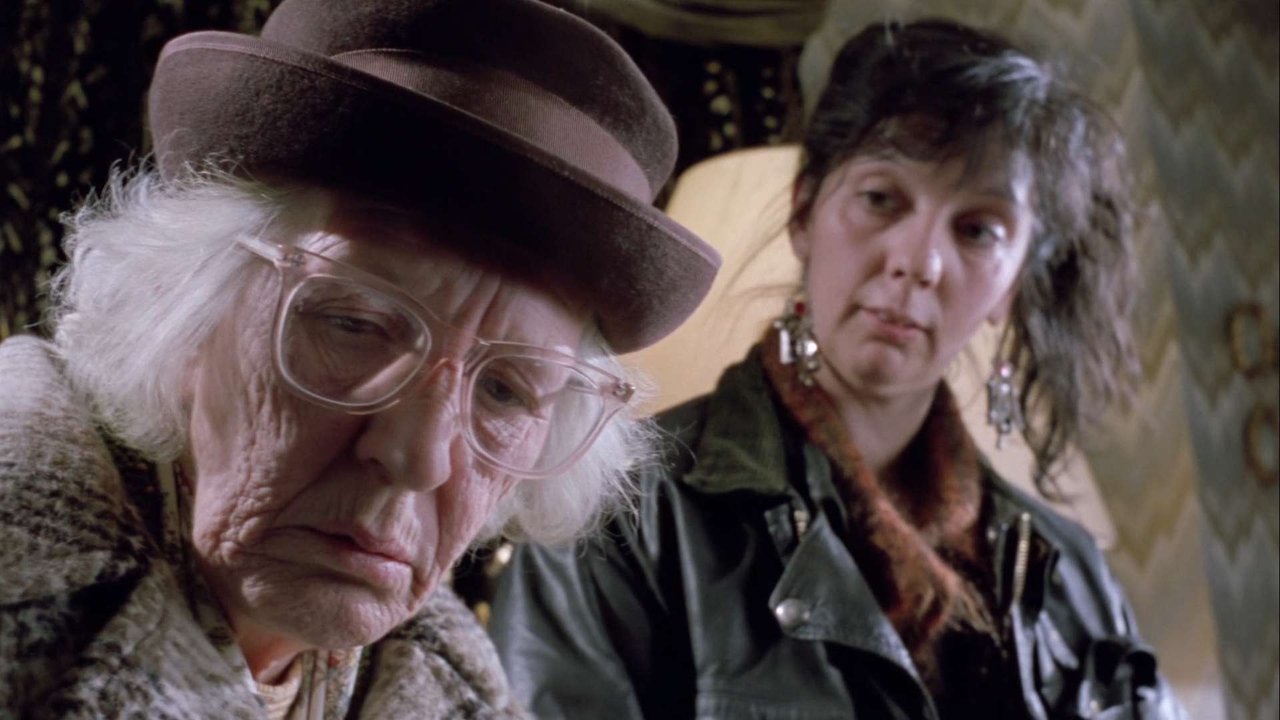
Caught between these worlds is Cyril and Valerie’s elderly mother, Mrs. Bender (Edna Doré), increasingly isolated and confused in her council flat. Her plight becomes the catalyst for the film's central tensions, forcing awkward reunions and highlighting the chasm between genuine care and performative obligation. It’s a simple setup, but Leigh uses it to mine profound truths about family, responsibility, and the human cost of social change.
The Leigh Method: Truth Through Improvisation
You can't discuss High Hopes without acknowledging Mike Leigh's singular filmmaking process. Unlike directors working from a finished script, Leigh famously builds his films through months of intensive improvisation with his actors. Characters are developed, relationships explored, and scenarios fleshed out collaboratively before a single frame is shot conventionally. This method is the bedrock of the film's staggering authenticity.
The performances feel less like acting and more like eavesdropping. Philip Davis embodies Cyril's weary idealism, his quiet frustrations simmering beneath a gentle exterior. Ruth Sheen is luminous as Shirley, radiating warmth and a desperate yearning for connection, particularly evident in her tender interactions with Mrs. Bender and her poignant desire for a child. Their chemistry feels utterly lived-in, a believable partnership weathering external storms. But it's Edna Doré who delivers a masterclass in understated pathos. Her portrayal of Mrs. Bender's encroaching dementia and loneliness is heartbreakingly real, achieved without sentimentality. It's a performance etched in small gestures, vacant stares, and moments of startling lucidity. Watching her navigate her increasingly alien world is deeply affecting.
Retro Fun Facts: Crafting Kitchen Sink Cinema
- Improvised Reality: The actors often didn't know the full narrative trajectory during the lengthy rehearsal period, allowing for genuine reactions and discoveries within character. Leigh would guide the improvisations towards the story beats he envisioned.
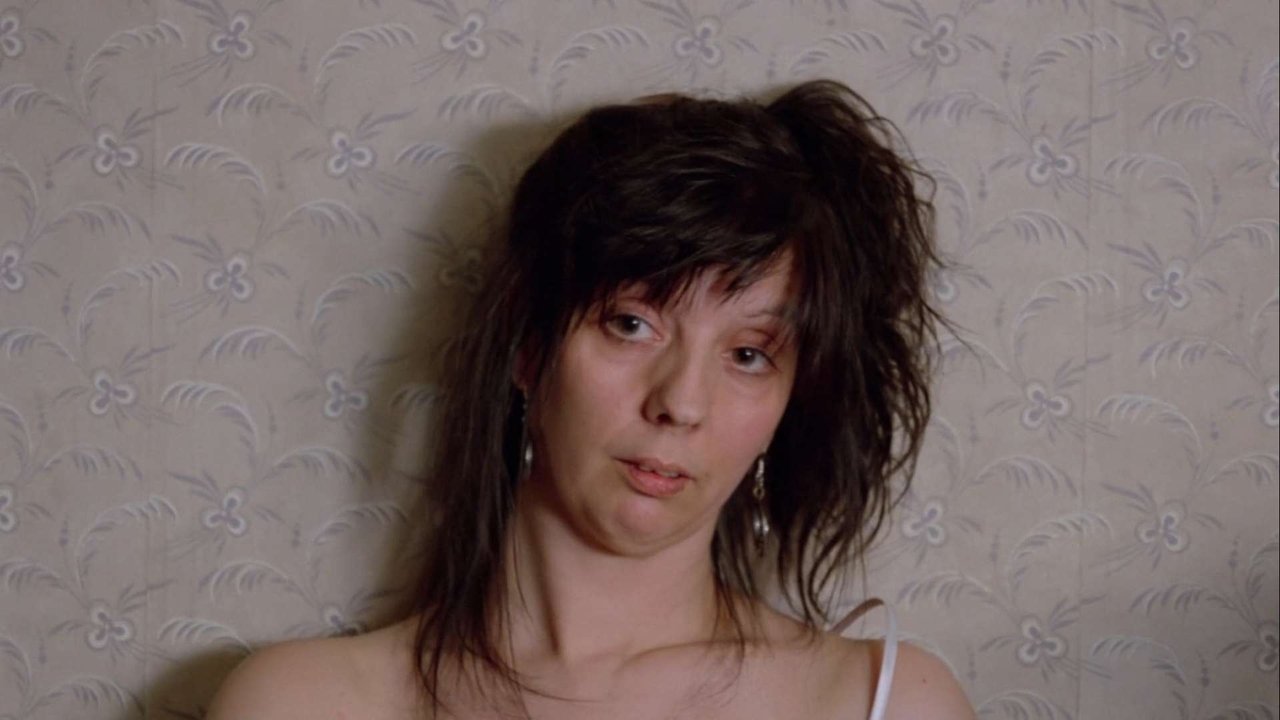
- Character Contrasts: Leigh deliberately juxtaposed the earnest, slightly shambolic world of Cyril and Shirley with the pretentious affectations of the Boothe-Braines (brilliantly played by Manville and Bamber), using their interactions to skewer the social climbing and emptiness he saw in Thatcher-era aspiration.
- Low Budget, High Impact: Made for a relatively modest sum, High Hopes relied on its performances and sharp observations rather than spectacle. It became Leigh's most commercially successful film up to that point, significantly raising his international profile after years primarily working in British television (creating classics like Abigail's Party).
- Critical Acclaim: While perhaps not a blockbuster rental, the film earned significant critical praise, winning the FIPRESCI Prize at the 1988 Venice Film Festival, signalling its artistic merit.
- Location as Character: The film makes evocative use of its King's Cross locations, capturing a London on the cusp of major redevelopment, the old working-class areas rubbing shoulders uneasily with emergent wealth.
Beyond the Politics: Enduring Humanity
While High Hopes is undeniably a political film, rooted firmly in the social landscape of the late 1980s, its power transcends its specific context. The struggles it depicts – caring for aging parents, navigating complex sibling relationships, trying to maintain optimism in a cynical world, the gap between ideals and reality – are timeless. What lingers most is the film's deep empathy for its central characters, even amidst the bleakness and the often painfully awkward humour derived from social discomfort.
Does it offer easy answers? Absolutely not. Cyril's final, slightly desperate gift of a cactus to his mother, a symbol of resilience in harsh conditions, feels hopeful yet fragile. The film doesn't resolve the deep-seated issues it presents, but it asks us to look, to really see the people often overlooked, and to consider the bonds that hold us together, however frayed they may become. Finding this on a VHS shelf, perhaps nestled between a sci-fi epic and a teen comedy, felt like discovering a quiet, potent truth. It demanded a different kind of attention, rewarding it with characters who felt profoundly, achingly real.
Rating: 8.5/10
This score reflects the film's exceptional performances, particularly Doré's, Leigh's masterful direction and unique method, and its insightful, unflinching social commentary. It’s a near-perfect example of British social realism, capturing a specific moment with enduring resonance. While its deliberate pacing and sometimes melancholic tone might not appeal to everyone seeking pure entertainment, its emotional honesty and authentic portrayal of human connection (and disconnection) make it a vital piece of late 20th-century cinema.
High Hopes reminds us that sometimes the most compelling dramas aren't fought with lasers or fists, but within the quiet confines of living rooms and strained family gatherings, leaving you pondering the meaning of hope itself long after the tape stopped rolling.