There's a certain humid quiet that settles over the MaGrath house in Hazlehurst, Mississippi, even amidst the swirling chaos of family reunion and potential scandal. It’s a quiet thick with unspoken history, punctuated by bursts of manic energy and sudden, profound sadness. Watching Crimes of the Heart (1986) again after all these years feels less like revisiting a movie and more like stepping back into that specific, peculiar atmosphere – a tragi-comic pressure cooker fueled by sisterly bonds, deep-seated regrets, and maybe just a touch too much lemonade.
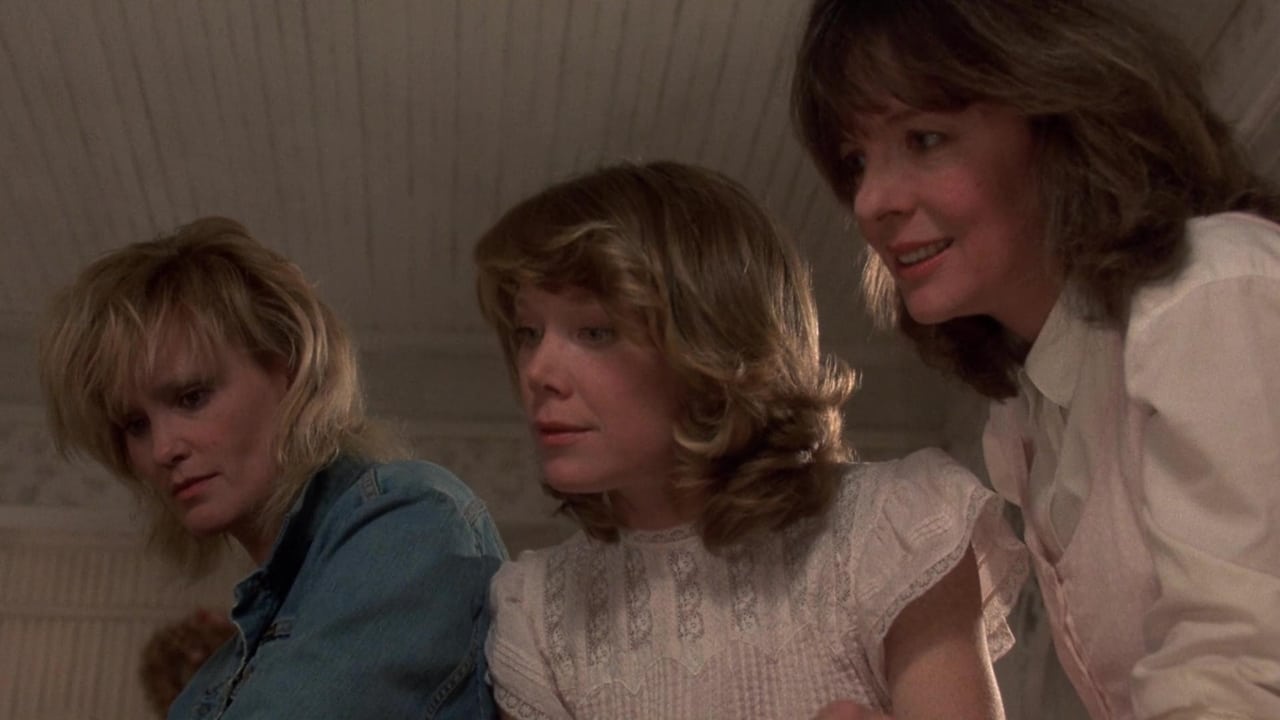
Three Sisters, One Small Town Kitchen
The catalyst is jarring, almost absurd: youngest sister Babe Botrelle (Sissy Spacek) has shot her abusive husband, Zackery, because, as she puts it with unsettling calm, she "just didn't like his looks." This brings rebellious middle sister Meg (Jessica Lange), a singer whose career hasn't quite panned out, back home from California. Waiting nervously is Lenny (Diane Keaton), the eldest, who stayed behind to care for their ailing grandfather, Old Granddaddy, her own dreams quietly shrinking alongside her dwindling birthday prospects. Their reunion in the family kitchen becomes the stage for unpacking generations of Southern Gothic baggage, navigating present crises, and maybe, just maybe, finding a way forward together.
A Masterclass in Ensemble Acting
What truly elevates Crimes of the Heart beyond its quirky premise is the absolute powerhouse trio at its center. Diane Keaton, Jessica Lange, and Sissy Spacek aren't just acting; they inhabit these sisters. Keaton’s Lenny is a study in anxious martyrdom and quiet longing, her fluttering hands and hesitant smiles conveying volumes. I remember renting this back in the day, perhaps expecting something lighter given Keaton’s comedic pedigree, but finding such touching vulnerability beneath Lenny’s fussiness. Lange brings a restless, wounded glamour to Meg, her sharp edges barely concealing a deep well of insecurity and disappointment. And Sissy Spacek? She is simply mesmerizing as Babe. Oscillating between childlike innocence and unnerving directness, Spacek captures Babe's profound damage and surprising resilience. Her Oscar nomination for Best Actress was thoroughly deserved; she makes Babe’s bizarre logic feel utterly, tragically human.
It wasn't just the leads, though. Tess Harper shines as the sisters' judgmental, social-climbing cousin Chick Boyle, delivering lines with a pinched precision that earned her a well-deserved Best Supporting Actress nomination. And Sam Shepard (who also had a real-life relationship with Lange) lends his signature quiet intensity to Doc Porter, Meg’s old flame, their scenes crackling with unresolved history. The chemistry isn't just between the sisters; it permeates the entire cast, creating a believable, lived-in world.
From Pulitzer Stage to Southern Screen
Adapting a beloved play always carries risks, but Beth Henley, working from her own Pulitzer Prize-winning stage play, masterfully retains the sharp dialogue and intimate focus while opening it up just enough for the screen. Director Bruce Beresford, fresh off the critical success of Tender Mercies (1983), proves adept at handling this delicate material. He doesn't shy away from the theatricality inherent in the dialogue but grounds it in the specific atmosphere of the South. Filming primarily in Southport, North Carolina, Beresford captures the heat, the slightly faded grandeur, and the feeling of lives lived under the weight of tradition and expectation. The film beautifully translates the play's Southern Gothic sensibilities – that unique blend of the grotesque and the mundane, the humorous and the heartbreaking. Apparently, Henley had Sissy Spacek in mind from early on, having worked with her previously on Raggedy Man (1981), which Henley wrote, perhaps contributing to the seamless fit of Spacek in the role of Babe.
Laughter Through Tears (and Pecans)
This film walks such a fine line. It deals with attempted murder, suicide, mental illness, loneliness, and profound family dysfunction, yet it often elicits genuine laughter. Think of Lenny's solitary birthday candle on a cookie, Babe’s matter-of-fact recounting of her terrible day ("I shot Zackery!"), or the sisters collapsing into giggles over pecans amidst mounting legal troubles. It’s not about making light of trauma, but about acknowledging the absurdity that often accompanies tragedy, the coping mechanisms – however strange – that people develop. This nuanced tone, this ability to find humour and humanity in the darkest corners, is what makes Crimes of the Heart resonate. Doesn't that juxtaposition often mirror life itself, finding moments of unexpected levity even when things feel overwhelming?
A Modest Gem Remembered
While not a massive blockbuster upon release (earning a respectable $23 million against a budget likely around $10-12 million), Crimes of the Heart garnered significant critical acclaim, particularly for its screenplay and performances, leading to those three Oscar nominations. It’s fascinating to think that Goldie Hawn was reportedly considered for Lenny before Diane Keaton took the part – it’s hard to imagine anyone else capturing Lenny’s specific blend of anxiety and warmth quite so perfectly. The film remains a testament to character-driven storytelling, a reminder that sometimes the most compelling dramas unfold not in explosions or car chases, but around a kitchen table laden with secrets and shared history.
Rating: 8/10
This score reflects the sheer brilliance of the central performances and the deft handling of a uniquely challenging tone. Keaton, Lange, and Spacek are extraordinary, creating a portrait of sisterhood that is messy, complicated, funny, and deeply moving. While the pacing occasionally reflects its stage origins, the emotional honesty and atmospheric detail make it a standout piece of 80s cinema. It’s a film that understands that sometimes the biggest crimes are the ones committed against oneself, and the hardest healing happens within the complex, often exasperating bonds of family. What lingers most is the image of those three sisters, finding solace and strength in each other, even as the world outside seems ready to fall apart – a truly enduring picture of resilience.