There's a certain magic captured in the hazy glow of a late summer evening in a small coastal town, a feeling potent with unspoken possibilities and the bittersweet ache of impending change. Mystic Pizza bottles this perfectly. Watching it again after all these years, pulling that well-loved tape from its sleeve – or perhaps finding it streaming, a modern echo of a past ritual – it’s not just the story that resonates, but the palpable atmosphere of Mystic, Connecticut, circa 1988. It’s a film less about grand dramatic events and more about the quiet, seismic shifts happening within three young women on the cusp of everything.

### Slice of Life, Slice of Dreams
At the heart of the film are the Araujo sisters, Kat (Annabeth Gish) and Daisy (Julia Roberts), alongside their fiery friend Jojo Barboza (Lili Taylor). They sling pizzas topped with a legendary secret sauce at the titular Mystic Pizza parlor, a local institution owned by the warm but world-weary Leona (Conchata Ferrell). The film cleverly uses the end of the tourist season as a backdrop for their personal crossroads. Summer flings are cooling, life decisions loom, and the gap between their working-class lives and the allure of the wider world feels both vast and tantalizingly bridgeable.
Kat, the responsible Yale-bound sister, finds herself unexpectedly drawn into a complicated relationship with Tim (William R. Moses), a married architect she babysits for. Daisy, vibrant and often underestimated, catches the eye of Charles (Adam Storke), a wealthy law school dropout whose family embodies the privilege she both resents and desires. And Jojo struggles with commitment, repeatedly calling off her wedding to the earnest and devoted Bill (Vincent D'Onofrio, in an early, charming role). These aren't just romantic subplots; they are explorations of class, expectation, and the terrifying freedom of choice.

### Three Friends, Three Futures
What truly elevates Mystic Pizza beyond a simple coming-of-age narrative is the authenticity of its central performances. Annabeth Gish brings a quiet intelligence and vulnerability to Kat, making her internal conflict between ambition and unexpected affection entirely believable. You feel her caution warring with her heart. Lili Taylor, always a captivating screen presence, infuses Jojo with a chaotic energy born of fear and fierce loyalty. Her comedic timing is sharp, but it’s grounded in genuine character anxiety.
And then there's Julia Roberts. It’s fascinating to watch this film now, knowing the supernova she would become shortly after with Pretty Woman. Here, the raw charisma is undeniable. She imbues Daisy with a captivating mix of bravado, insecurity, and smoldering sensuality. It’s a star-making turn precisely because it feels so natural, so lived-in. The scene where she confronts Charles's snobbish family at dinner crackles with an intensity that foreshadowed her future stardom. Reportedly, Roberts, a natural blonde, dyed her hair dark and practiced a specific accent to fully inhabit the Portuguese-American Daisy, showcasing an early commitment to her craft.
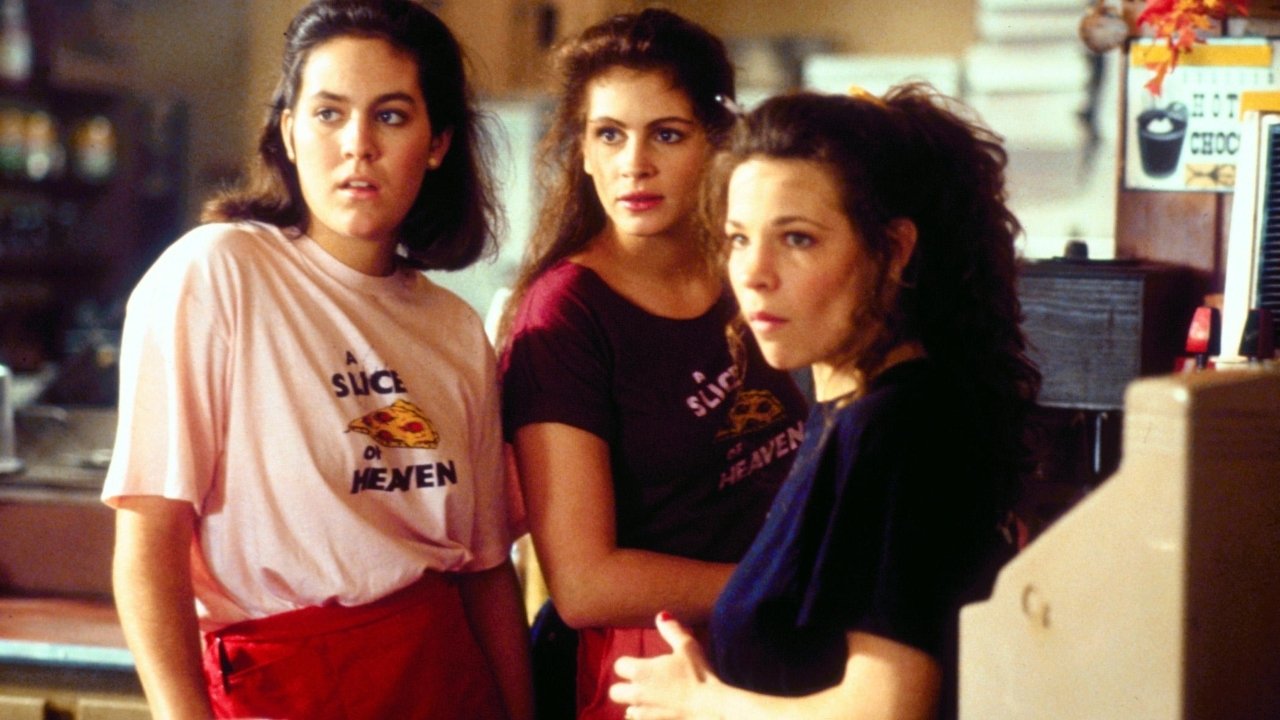
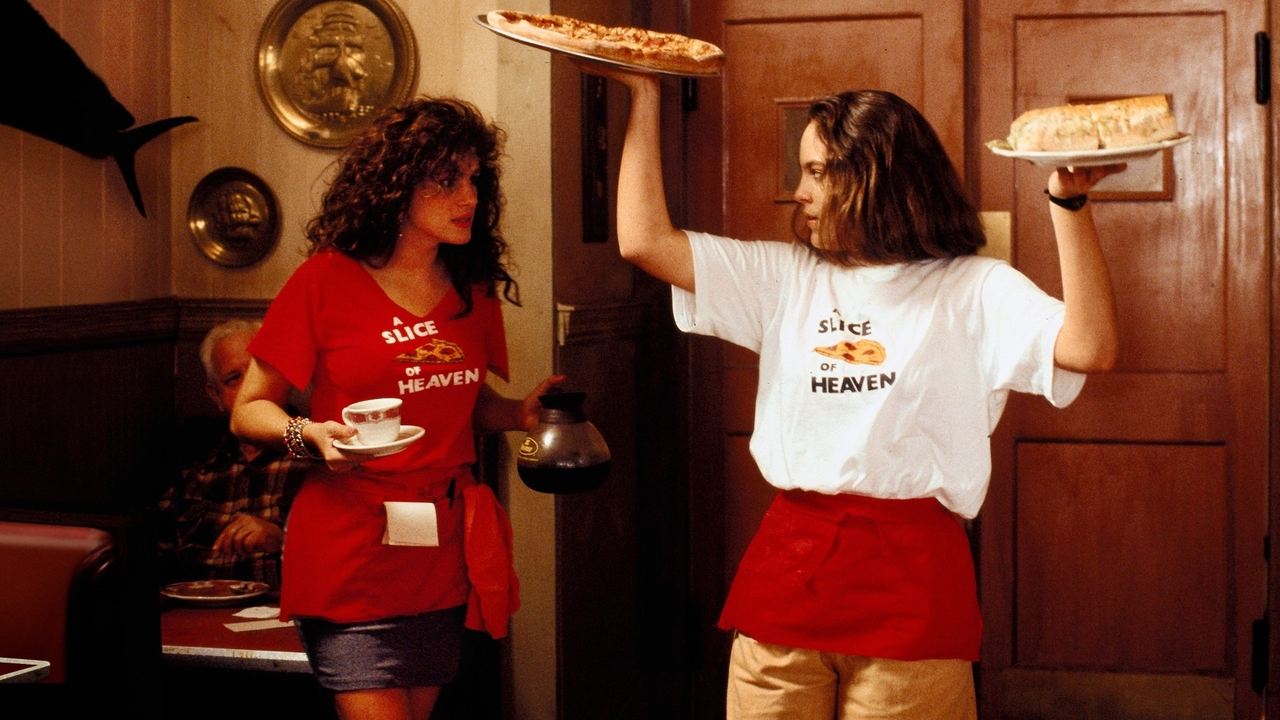
The chemistry between the three leads is the film's anchor. Their shared moments – gossiping over beers, supporting each other through heartbreak, dancing in the pizza parlor – feel effortlessly real. Director Donald Petrie, making his feature debut here (he'd later helm comedies like Grumpy Old Men), wisely keeps the focus tight on these relationships, allowing the performances to breathe.
### Behind the Counter Secrets
Part of the charm of revisiting these VHS-era gems is rediscovering the little details. The screenplay, penned primarily by Amy Holden Jones (who apparently drew inspiration from her own summer experiences in the area), captures the rhythm of small-town life and dialogue with remarkable fidelity. It avoids big manufactured moments, favouring the smaller, more resonant ones.
And who could forget the pizza itself? The "secret sauce" became legendary, though the real Mystic Pizza restaurant (which still exists and thrives, partially thanks to the film's enduring popularity) keeps its recipe closely guarded. Interestingly, the movie wasn't filmed inside the actual restaurant; a set was built nearby in Stonington, Connecticut, which served as the primary filming location for the town itself.
A fun bit of trivia for eagle-eyed viewers: keep an eye out during the aforementioned dinner scene. A very young Matt Damon, in his feature film debut, delivers his single line – "Mom, do you want my green stuff?" – as Charles's little brother. It's a blink-and-you'll-miss-it moment that adds another layer of retro enjoyment. The film itself was a modest success upon release, made for around $6 million and earning back more than double that domestically, largely propelled by positive word-of-mouth and glowing reviews for its young cast.
### More Than Just Toppings
What lingers most about Mystic Pizza isn't just the 80s fashion or the catchy soundtrack – it's the genuine warmth and the honest portrayal of female friendship and the anxieties of burgeoning adulthood. It tackles themes of class disparity, love across social divides, and the difficult choices women face regarding career, family, and personal desire, all without feeling preachy or contrived. It respects its characters and their struggles, finding dignity in their working-class lives and hope in their dreams, however uncertain.
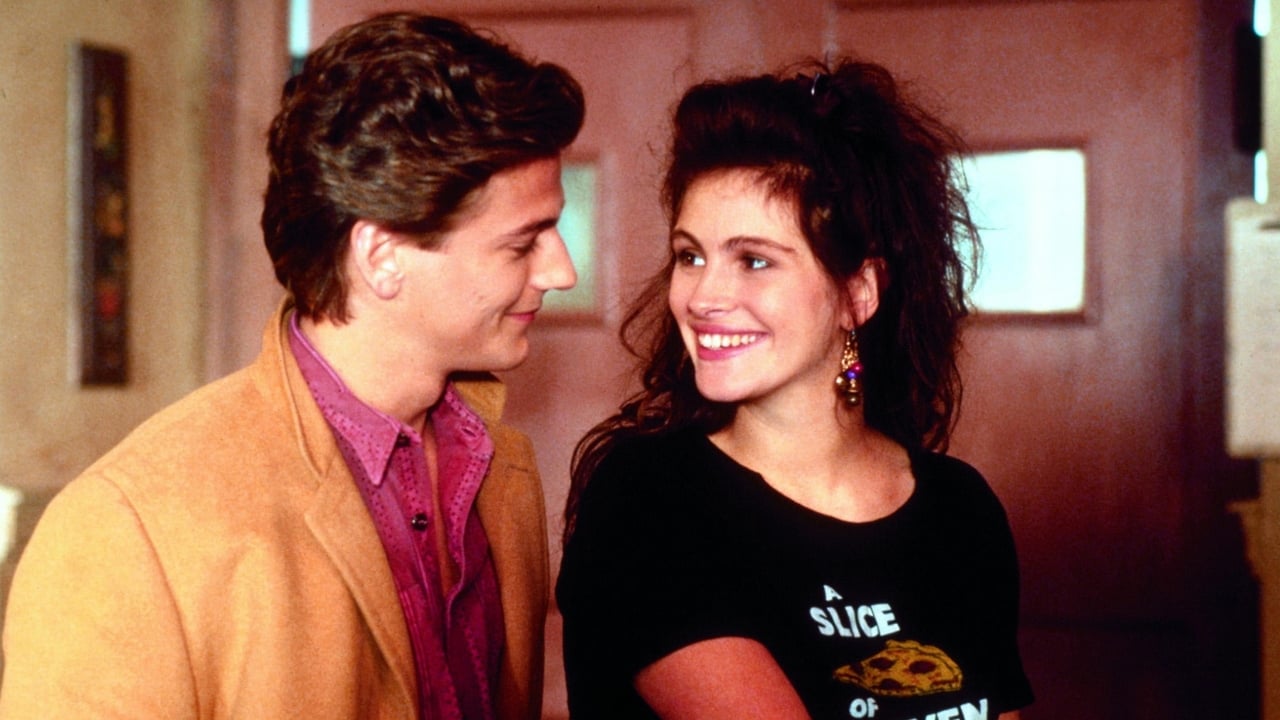
Does it feel a little dated in places? Perhaps inevitably. But its emotional core remains remarkably relevant. The search for identity, the messy navigation of first loves, the unbreakable bonds of friendship – these are timeless. It avoids easy answers, acknowledging that growing up often means making imperfect choices and learning to live with them.
Rating: 8/10
This score reflects the film's exceptional casting and the authentic chemistry between the leads, particularly Roberts' breakout performance. The palpable atmosphere, heartfelt storytelling, and sensitive direction capture a specific time and feeling with enduring charm. While perhaps not a complex cinematic masterpiece, its strength lies in its sincerity, relatable characters, and the warmth it extends to its audience. It’s a film that feels like catching up with old friends – comfortable, familiar, and leaving you with a gentle, nostalgic glow. It remains a perfect slice of late-80s coming-of-age cinema, best served warm.