Okay, slide that tape into the VCR, maybe give the tracking a little nudge… because we’re diving into a Bond that truly embodies the glorious, sometimes slightly unhinged, spirit of early 80s blockbuster filmmaking: Octopussy (1983). Forget gritty realism for a moment; this is Roger Moore’s 007 leaning into the spectacle, the exotic locations, and stunt work that felt genuinely dangerous because, well, it often was.
That Pre-Title Sequence!
Remember the sheer audacity? Bond, disguised as a Latin American officer, escapes enemy territory not in some souped-up car, but in a ridiculously tiny Bede BD-5J Microjet – the Acrostar. He folds the wings, taxis it out of a horse trailer (yes, really), and then weaves it through a hangar mere moments before the whole thing explodes. Watching it again, that sequence still pops. It’s pure, practical magic. That’s stunt pilot J.W. "Corkey" Fornof (credited as BJ Worth in the film) actually flying that thing, threading the needle through that hangar opening. Can you imagine the insurance paperwork? Reportedly, the tiny jet cost a cool $1.5 million of the film's estimated $27.5 million budget – a significant chunk just for the opening! It perfectly sets the tone: slightly absurd, undeniably thrilling, and executed with real-world nerve.
Moore, Maud, and the Cold War Circus
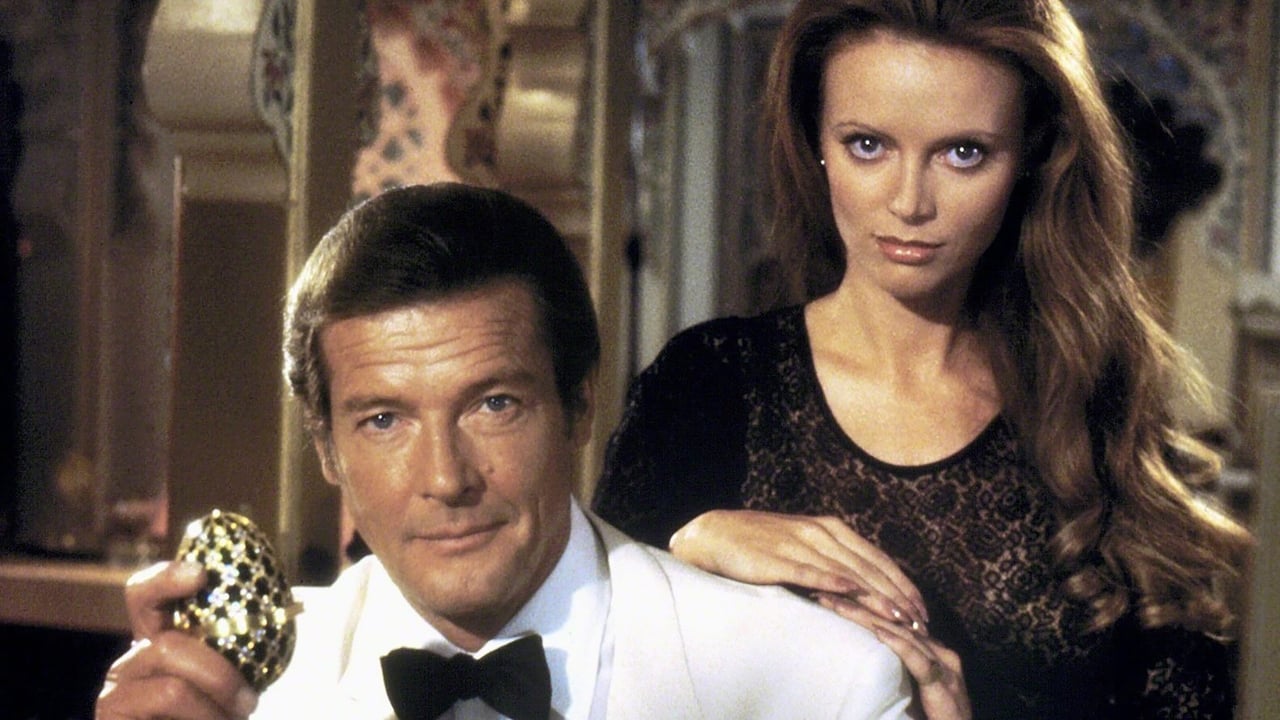
By his sixth official outing, Roger Moore was undeniably comfortable in the tux, perhaps even a little too comfortable for some critics back then. There were whispers he was getting a bit long in the tooth for Bond (he was 55 during filming), and in fact, James Brolin was seriously screen-tested and nearly hired when Moore initially hesitated to return. But watching Octopussy now, Moore's charm is undeniable. He navigates the increasingly complex plot – involving a forged Fabergé egg, a rogue Soviet general (Steven Berkoff, wonderfully intense), a wealthy Afghan prince (Louis Jourdan, exuding silky menace as Kamal Khan), and a mysterious cult leader/smuggler named Octopussy – with that signature raised eyebrow and perfect timing.
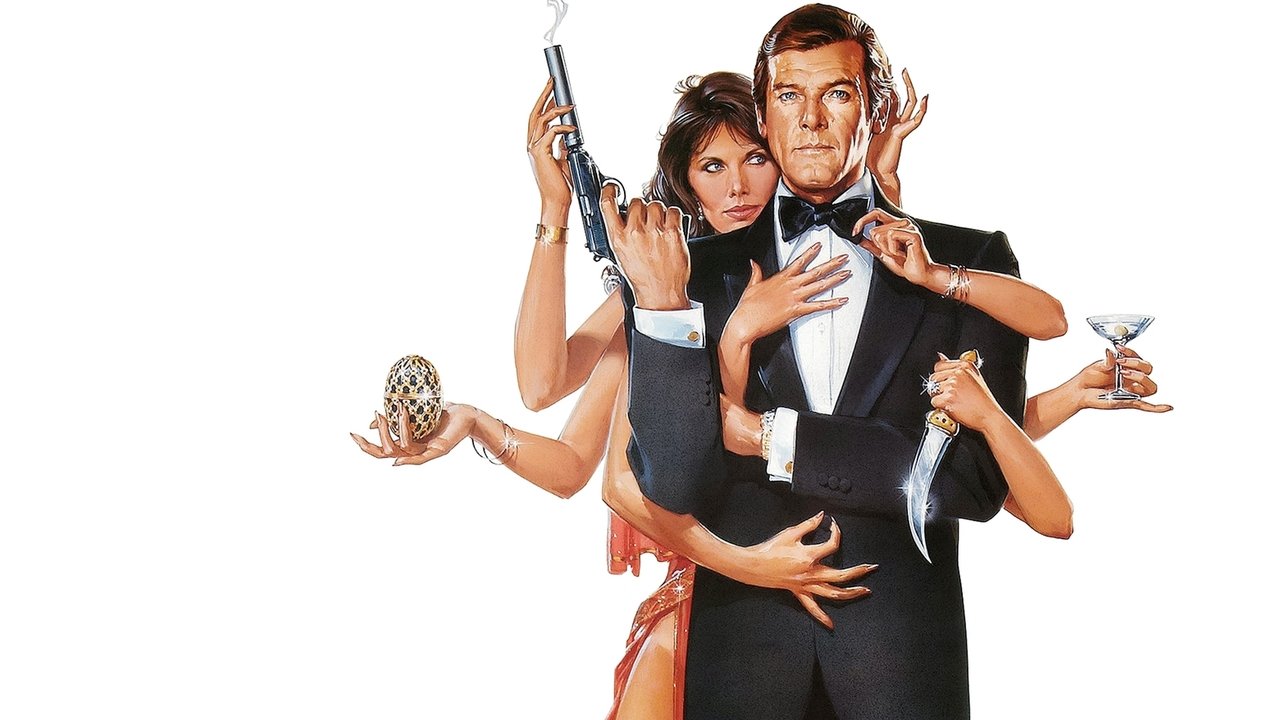
And speaking of Octopussy herself, how fantastic is Maud Adams? It was a genuine treat seeing her return to the franchise, not as a disposable conquest, but as a formidable, intriguing character in her own right. She'd previously played Andrea Anders in The Man with the Golden Gun (1974), making her the only actress to play two different lead Bond girls. She brings a poise and intelligence to the role that grounds some of the film's more outlandish elements. Her hidden island fortress, populated entirely by women? Pure Bondian fantasy, realized with impressive production design.
Globe-Trotting with Real Grit
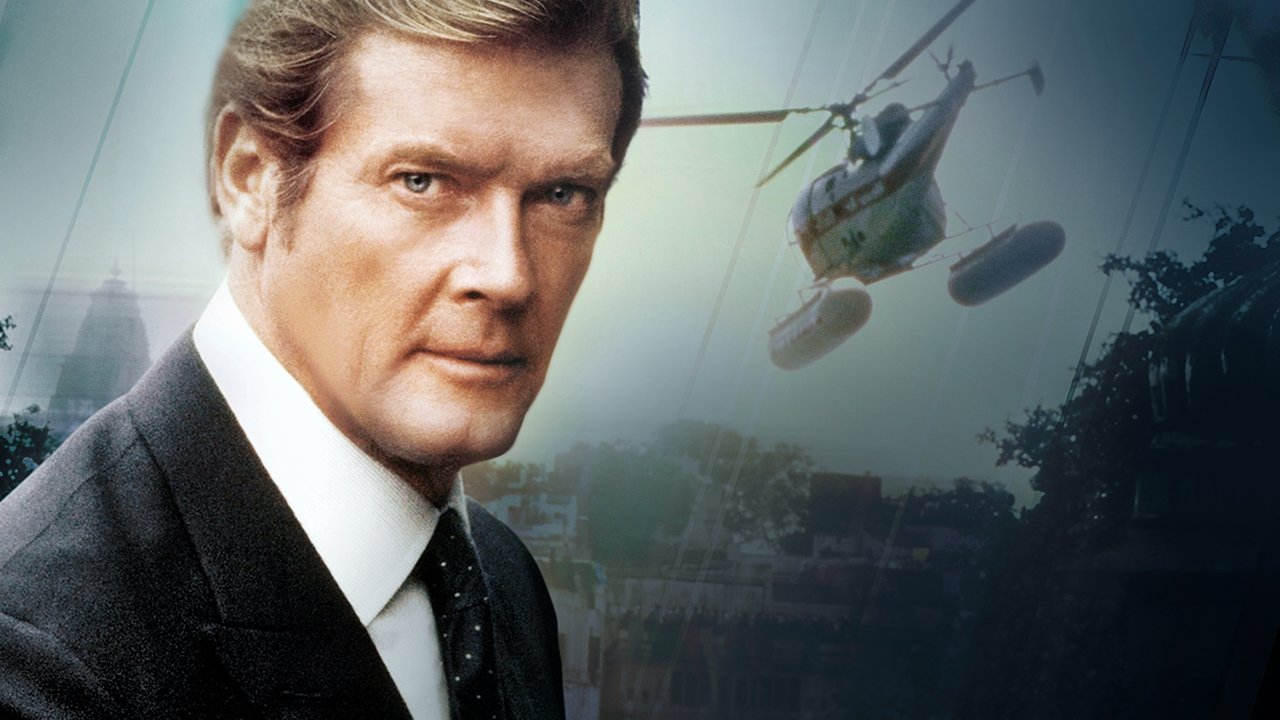
Directed by Bond veteran John Glen (who helmed an impressive five entries, starting with For Your Eyes Only in 1981), Octopussy bounces from Cold War Germany to the vibrant streets and palaces of Udaipur, India. Glen had a real knack for staging action that felt visceral. The tuk-tuk chase through the bustling Indian marketplace? It’s chaotic, funny, and feels incredibly kinetic precisely because they were weaving real vehicles through real crowds (albeit carefully choreographed ones). You feel the bumps, the near misses.
Then there’s the train sequence. Oh, that train sequence! Bond battling Khan's imposing henchman Gobinda (Kabir Bedi) atop a speeding train, ducking under bridges, leaping between carriages... this is prime 80s stunt work. Stunt coordinator Martin Grace, who doubled for Moore in precarious spots, really earned his pay here. There's a weight and reality to the danger that CGI often smooths over today. Remember how terrifying it looked when Bond was hanging off the side, inches from disaster? That’s the beauty of practical effects – you believe someone is genuinely at risk. Even the climactic airplane fight, with Bond clinging to the fuselage mid-flight, relies heavily on gutsy physical stunting (though clever process shots helped!). It’s a testament to the "get the shot" mentality of the era.
Behind the Velvet Rope (and Iron Curtain)
Octopussy landed in cinemas during the infamous "Battle of the Bonds" in 1983. Sean Connery returned to the role after 12 years in the unofficial, non-Eon production Never Say Never Again, released just months later. There was huge pressure on Octopussy to perform, and perform it did, ultimately out-grossing its rival worldwide ($187.5 million vs. $160 million), proving Moore's Bond still had plenty of drawing power.
Sure, the film has its… moments. The Tarzan yell? Questionable. Bond disguising himself as a clown to infiltrate a circus base? It’s become legendary for its sheer boldness (or silliness, depending on your mood), but within the film's slightly heightened reality, it serves its desperate purpose. Even the theme song, "All Time High" by Rita Coolidge, while pleasant, lacks the punch of some other Bond anthems. But these quirks are part of its charm, indelible parts of the 80s Bond experience. It wasn't trying to be From Russia with Love; it was delivering globe-trotting escapism with explosions, beautiful locations, and Moore's unflappable cool.
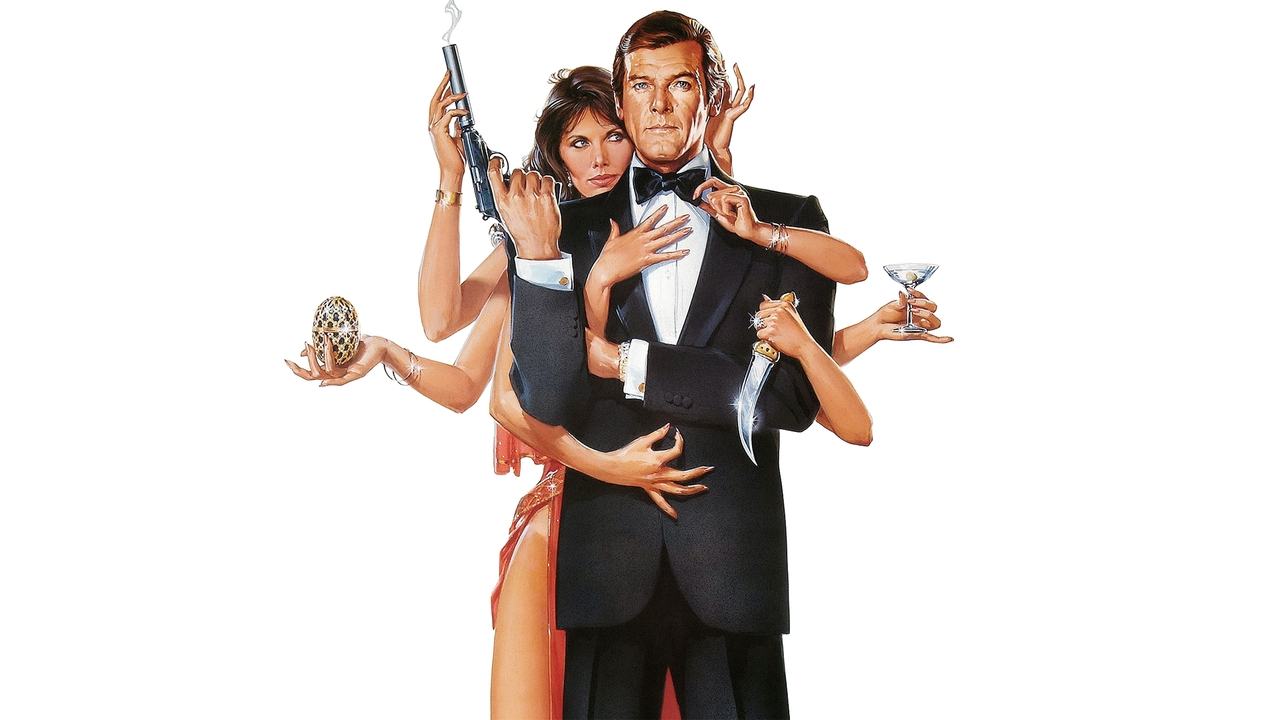
Rating: 7/10
Justification: Octopussy earns a solid 7 for delivering exactly what it promises: a fun, visually impressive Roger Moore Bond adventure packed with genuinely thrilling practical stunt work and exotic locales. Maud Adams is a standout, and the action sequences, particularly the train and plane stunts, hold up remarkably well thanks to their real-world execution. It loses points for a sometimes convoluted plot and moments of undeniable camp (yes, the clown suit) that might test modern viewers, but its sheer entertainment value and 80s blockbuster energy are undeniable.
Final Take: For sheer, unadulterated 80s Bond spectacle powered by gutsy practical stunts and Moore's effortless charm, Octopussy is a gem worth rewinding. It’s a reminder of a time when action felt tangible, danger felt real, and even James Bond wasn't afraid to look a little ridiculous if it meant saving the world.