### The River Runs Red (and Slow-Motion)

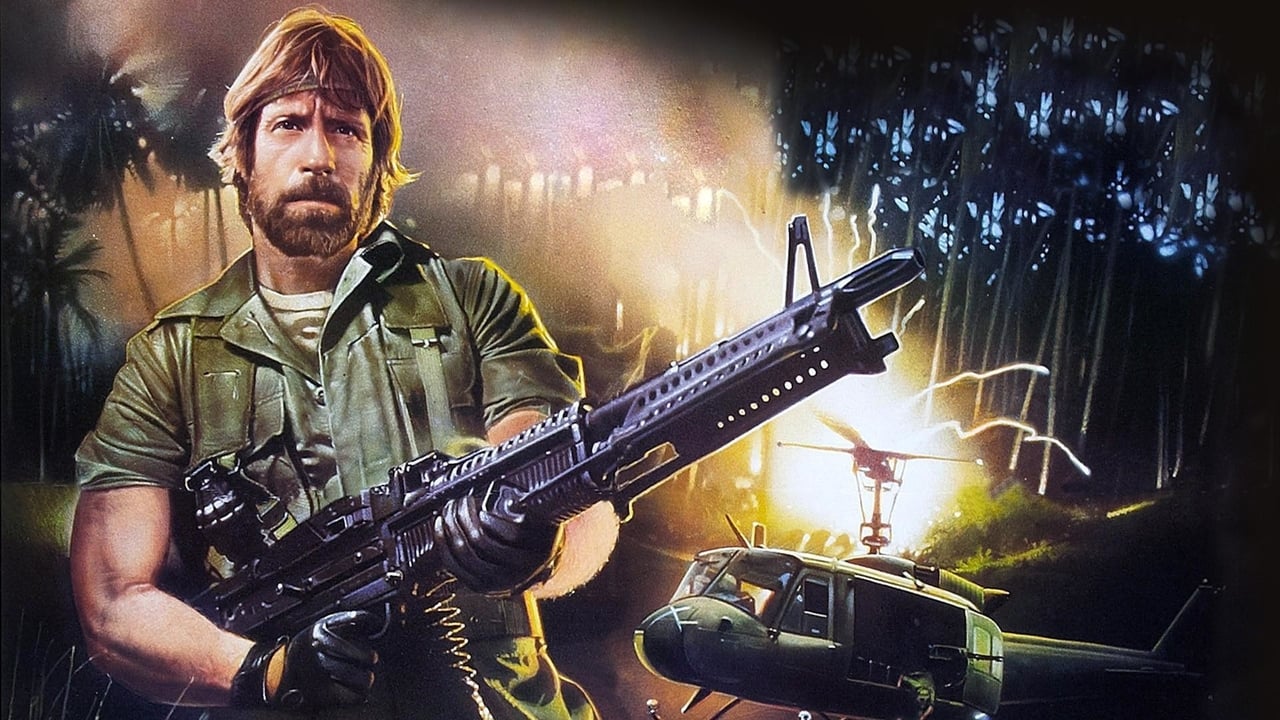
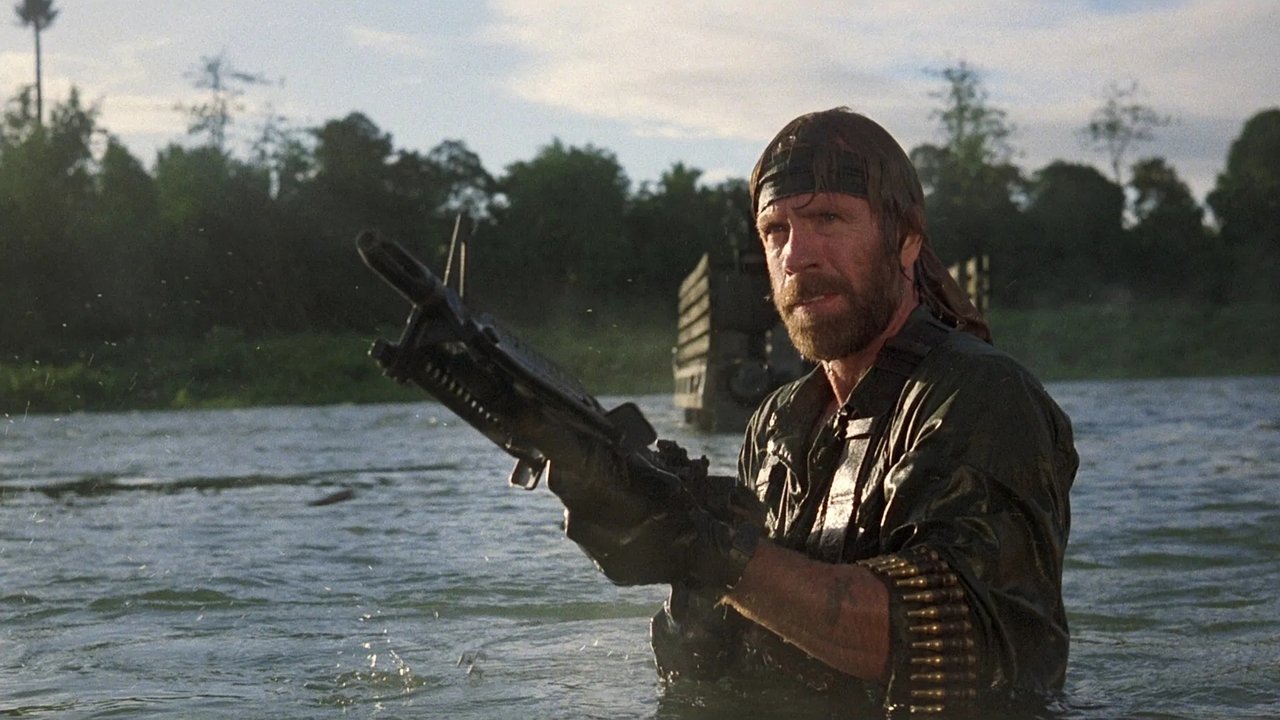
Remember that specific feeling? The hiss of the VCR, the slight tracking fuzz, and then that image hitting the screen: Chuck Norris, rising silently from murky water, knife clenched in his teeth, M60 somehow bone-dry and ready for business. It wasn't subtle, it wasn't nuanced, but good lord, was it effective back in 1984. Missing in Action wasn't just another action flick; it felt like a direct, testosterone-fueled mainline injection of Reagan-era wish fulfillment, served up raw and unapologetic by the maestros of mayhem, Cannon Films. Forget nuance, Colonel James Braddock was here to kick ass and chew bubblegum... and he was all out of bubblegum (though he probably wouldn't chew it anyway, far too expressive).
### Braddock: The Silent Storm
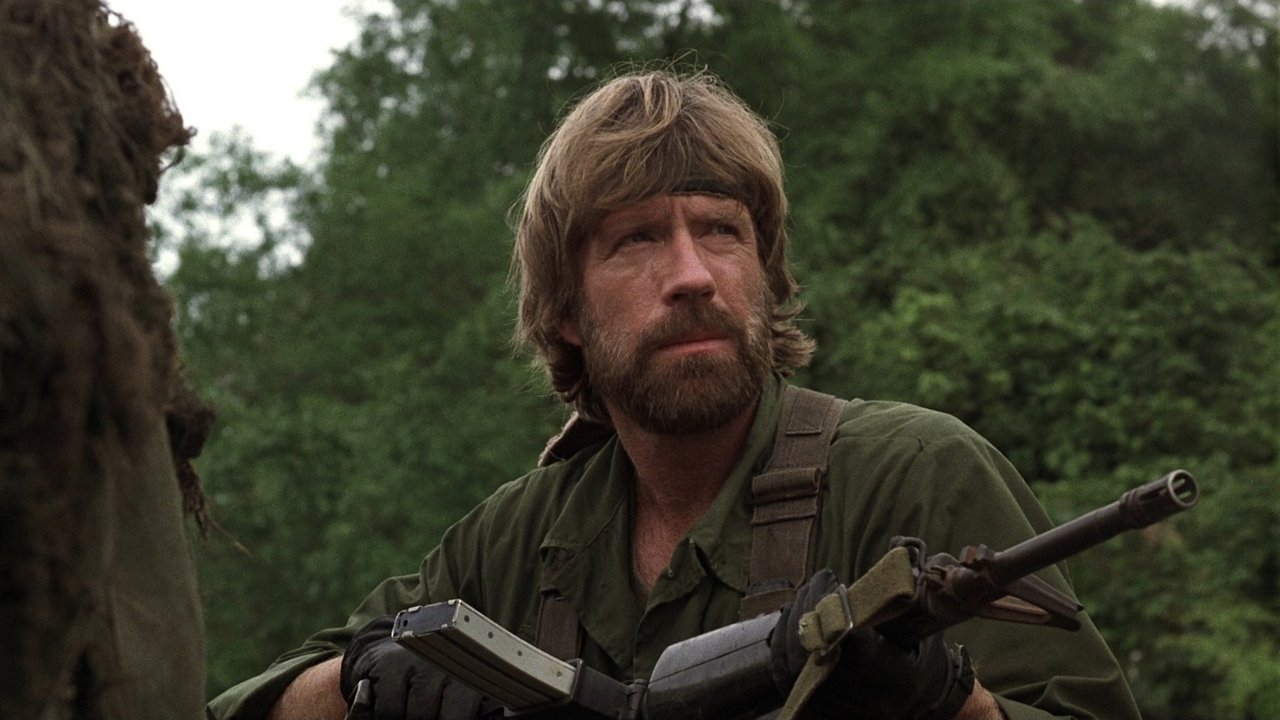
Let's be honest, Chuck Norris isn't known for his Shakespearean range. But as Colonel Braddock, a Vietnam vet haunted by his time as a POW and convinced American soldiers are still being held captive, his stoicism becomes a superpower. He’s a coiled spring of righteous fury, communicating more with a steely glare or a swift roundhouse kick than pages of dialogue. It’s a performance perfectly suited to the material – Braddock is less a character, more an avatar of American resolve, a one-man army ready to right the wrongs the politicians couldn't. This singular focus is what makes the film work; you’re not watching for complex character arcs, you’re waiting for Braddock to finally unleash hell. And it's fascinating to know that Norris poured real emotion into this, dedicating the film to his younger brother, Wieland, who tragically died in combat in Vietnam. It adds a layer of poignant sincerity beneath the explosive surface.
### Cannon's Calculated Chaos
Ah, Cannon Films. Menahem Golan and Yoram Globus knew their audience, and they knew how to deliver maximum bang for minimal buck. Missing in Action is pure Cannon DNA: lean budget (around $2.5 million, peanuts even then!), exotic locale (the Philippines standing in convincingly for Vietnam), and relentless action. Director Joseph Zito, fresh off dispatching Jason Voorhees in Friday the 13th: The Final Chapter (also 1984!), handles the proceedings with brutal efficiency. The pacing is geared towards the inevitable jungle infiltration, building tension before exploding into firefights and pyrotechnics.
Here’s a truly mind-bending piece of Cannon production logic for you: Missing in Action 2: The Beginning was actually filmed first, intended as the original film detailing Braddock's escape from the POW camp. But upon viewing the dailies, Golan and Globus decided this story – Braddock going back – was the stronger commercial bet. So, they shelved the prequel, slapped a "2" on it later, and released this one first! It’s a baffling but somehow perfectly Cannon decision that speaks volumes about their market instincts over narrative convention. This film's subsequent box office success ($22.8 million, a hefty return) proved them right and firmly established Norris as a bankable action hero.
### Mud, Squibs, and Righteous Fury
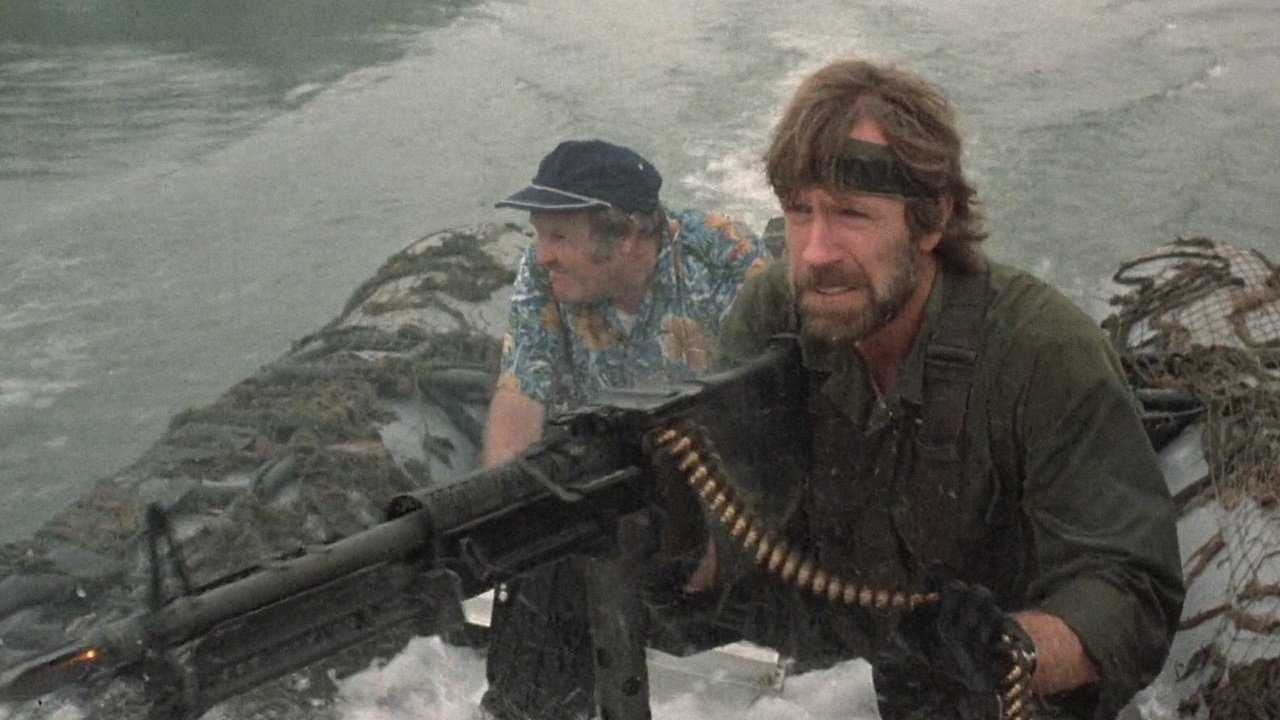
Forget sleek CGI armies; this is the glorious era of practical effects, and Missing in Action revels in it. When Braddock mows down enemy soldiers, those squibs hit with a satisfyingly messy thwump. Explosions feel genuinely dangerous because, well, they often were. The stunt work, coordinated by Chuck's own brother, Aaron Norris (who would go on to direct several Norris vehicles), is gritty and grounded. Remember that final assault on the compound? The sheer physicality of it – guys actually leaping from exploding huts, the frantic choreography of the firefights – had a visceral impact that digital creations often struggle to replicate. There's a tangible weight to the action, a sense of real bodies colliding and real structures splintering. Sure, some of the slow-motion dives might look a bit cheesy now, but back then? Pure cinematic badassery. Wasn't there something undeniably thrilling about seeing those actual, practical boat explosions light up the night sky?
We also get a welcome dose of gravelly support from the always-great M. Emmet Walsh as Jack Tucker, Braddock's slightly eccentric but loyal wartime buddy turned black marketeer. He adds a touch of necessary color and world-weariness to counterbalance Braddock's intense focus.
### Legacy of the Lone Wolf
While often overshadowed by its thematic cousin Rambo: First Blood Part II (which arrived a year later, despite MIA hitting screens first and sparking some debate about who copied whom), Missing in Action carved its own distinct niche. It tapped directly into the unresolved anxieties surrounding Vietnam POWs/MIAs, offering a cathartic, albeit simplistic, fantasy of rescue and retribution. Critics might have scoffed, but audiences responded, turning Braddock into an instant 80s action icon. It’s straightforward, occasionally clunky, and undeniably jingoistic, but it delivers exactly what it promises: Chuck Norris single-handedly taking on the Viet Cong with grim determination and a very big gun.
***
VHS Heaven Rating: 7/10
Justification: Missing in Action earns a solid 7. It's not high art, and the politics are sledgehammer-subtle, but as a piece of pure, unadulterated 80s action filmmaking from the Cannon Films playbook, it absolutely delivers. Chuck Norris embodies the stoic hero perfectly, the practical action sequences are genuinely punchy and well-staged for the budget, and the bizarre production history adds a layer of fascinating trivia. It loses points for simplistic characterization and dialogue, but gains them back for sheer B-movie conviction, Joseph Zito's efficient direction, and its undeniable impact as a VHS-era staple. It knew its audience and gave them exactly what they wanted.
Final Thought: Forget subtlety; this is the cinematic equivalent of a denim jacket, a mullet, and pure, unfiltered patriotic vengeance – a must-watch slice of 80s action history best enjoyed with the volume cranked high.