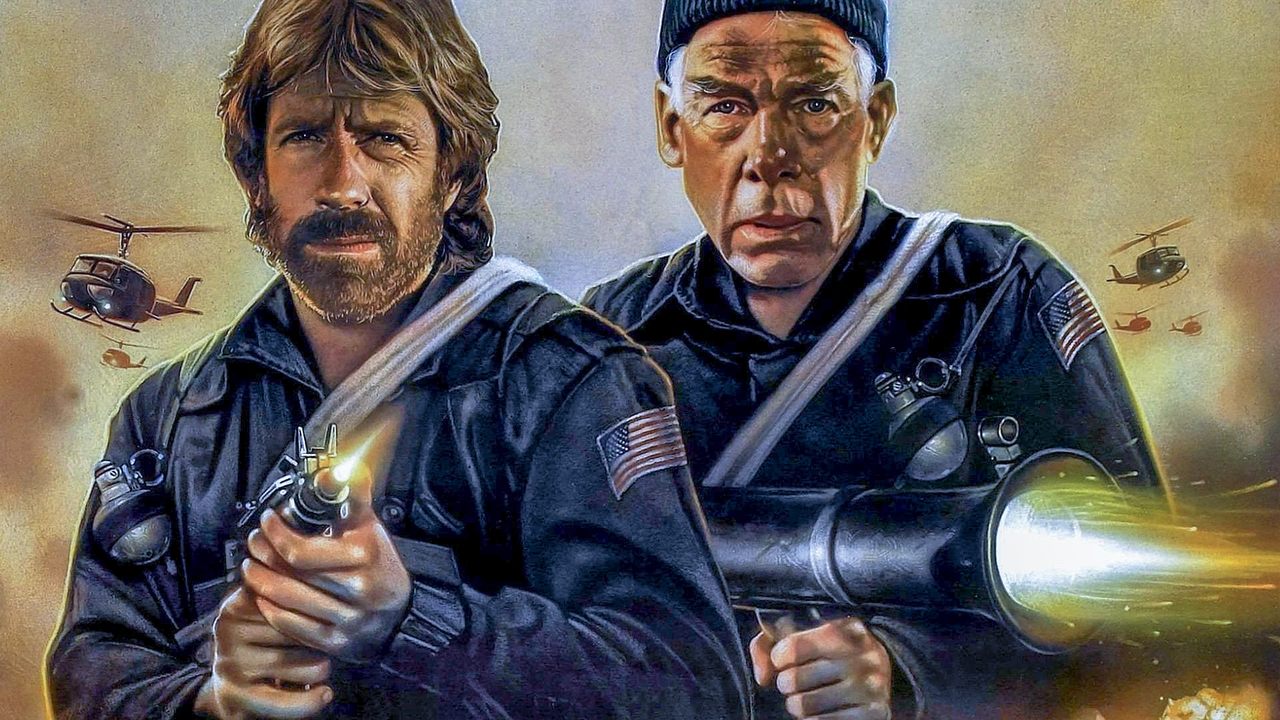
Alright, rewind your minds with me. Picture this: cruising the aisles of the local video store, fluorescent lights buzzing overhead, the smell of popcorn and plastic clamshell cases in the air. You’re looking for pure, unadulterated 80s action, something with grit, explosions, and maybe a healthy dose of patriotic fervor. And then you see it – the iconic cover art for The Delta Force (1986). Chuck Norris. Lee Marvin. Hijackers beware. You grab that hefty VHS tape, feeling the satisfying weight, knowing you’re in for a ride.
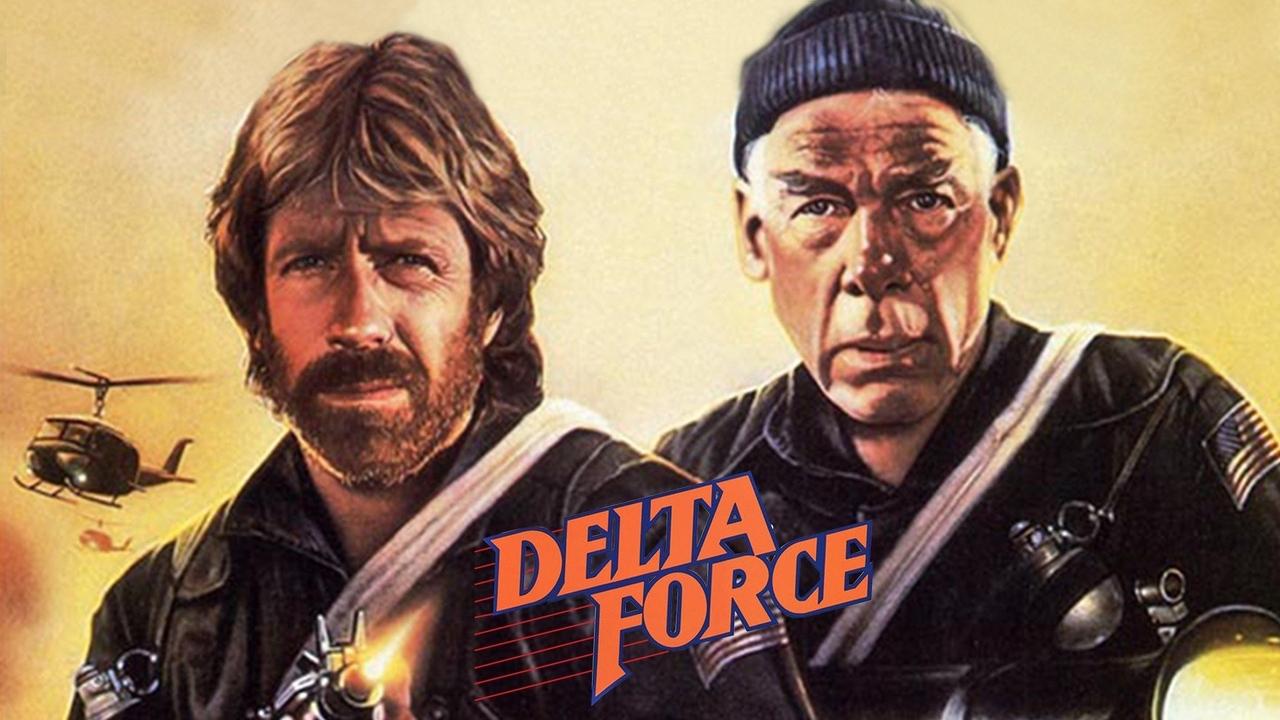
This wasn't just any action flick; hitting screens just a year after the harrowing TWA Flight 847 hijacking it loosely dramatized, The Delta Force felt ripped straight from the headlines, albeit filtered through the gloriously unsubtle lens of Cannon Films. Masters of the mid-budget spectacle, producers Menahem Golan (who also directed and co-wrote) and Yoram Globus knew exactly what audiences craved: straightforward heroes, despicable villains, and plenty of things going boom. And boy, did they deliver.
Titans of Toughness
The casting alone was a stroke of genius, pairing the stoic martial arts prowess of Chuck Norris (then at the zenith of his Missing in Action fame) as Major Scott McCoy with the legendary, gravel-voiced cool of Lee Marvin as Colonel Nick Alexander. Seeing these two titans share the screen felt momentous. For Marvin, a true Hollywood heavyweight known for classics like The Dirty Dozen (1967), this was sadly one of his final roles; reports suggested his health was declining during filming, adding a layer of poignant gravity to his commanding presence as the Delta Force leader. He still absolutely owned every scene he was in, the weary but resolute veteran orchestrating the chaos.
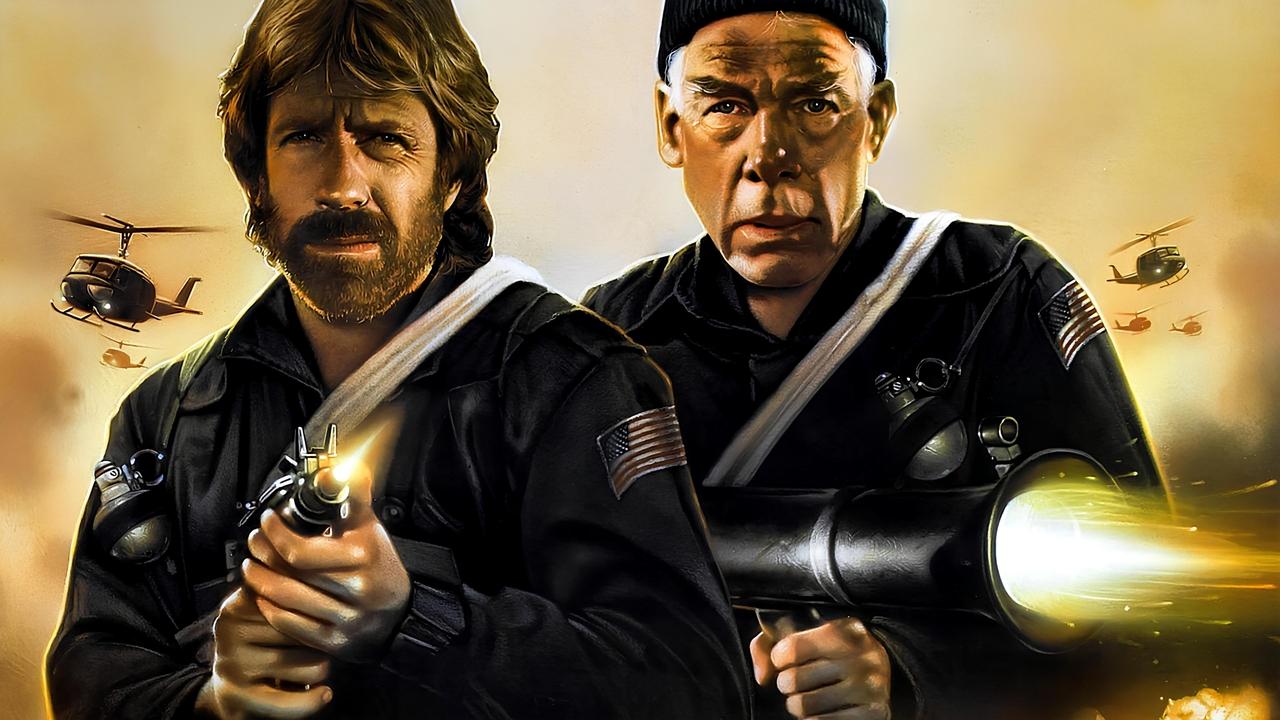
And then there’s Norris. As McCoy, he’s the lone wolf initially reluctant to rejoin the team, but duty calls. Forget nuanced character arcs; this is Peak Norris – dispensing justice with roundhouse kicks and an unwavering stare. The supporting cast, too, is packed with familiar faces like Martin Balsam, Shelley Winters, George Kennedy, and Robert Forster (as the lead terrorist), adding a surprising level of acting clout often missing from Cannon's more budget-strapped outings. Filming primarily in Israel lent an undeniable authenticity to the locations, even if it likely presented its own set of production hurdles for Golan and his crew.
When Practical Effects Ruled the Roost
Let's talk action, because that’s the main event here. Modern blockbusters might have slicker CGI, but The Delta Force belongs to the glorious era of practical effects, and it shows in the best possible way. Remember how real those bullet hits looked back then? The squibs bursting, the tangible impact – there's a weight and consequence often missing today. The climactic assault on the airport complex is a masterclass in 80s tactical chaos. Real vehicles, real explosions (reportedly quite large ones!), and stunt performers putting themselves in genuine peril create a sense of visceral danger.
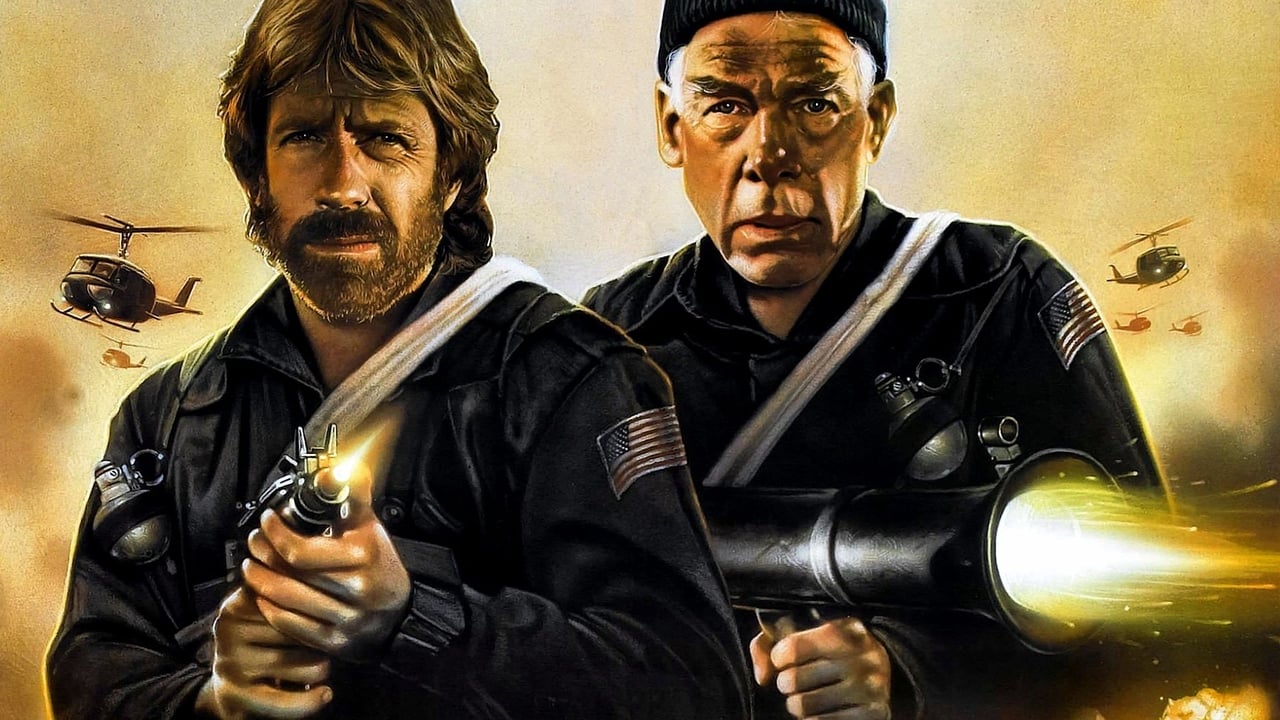
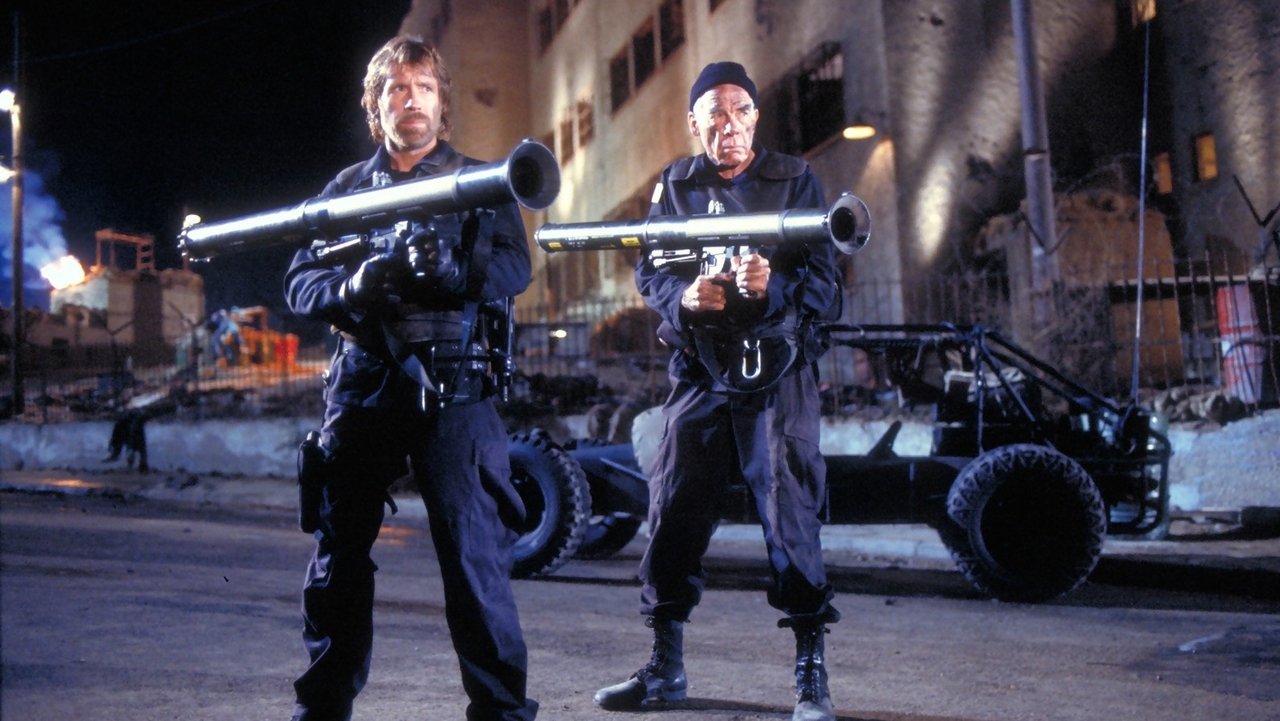
And who could forget McCoy's iconic motorcycle? Equipped with front-and-rear rocket launchers, it wasn't just a vehicle; it was a statement. Seeing Norris (who, true to form, performed many of his own stunts) weaving through enemy fire, launching projectiles from his handlebars... it was pure, unadulterated wish-fulfillment cinema. Was it ridiculous? Absolutely. Was it awesome? Undeniably. That raw, almost dangerous energy is something special, something you felt watching that slightly grainy VHS tape late at night. It wasn't perfect, but it felt tangible.
The Sound of Heroism
You can't discuss The Delta Force without mentioning the score by the great Alan Silvestri. Fresh off scoring Back to the Future (1985) and just before he'd blow us away again with Predator (1987), Silvestri delivered a thumping, heroic theme that perfectly captured the film's gung-ho spirit. That main title theme? Instantly recognizable, perfectly matching the visuals of the C-130 Hercules soaring through the sky. It’s the kind of score that makes you want to stand up and salute, even if you're just sitting on your couch. It elevates the sometimes straightforward action into something approaching operatic.
Cannon Fodder or Cult Classic?
Critically, The Delta Force received a mixed reception upon release. Many reviewers scoffed at its simplistic politics, jingoistic tone, and straightforward narrative – hallmarks of the Cannon Films brand. Made for around $9 million (roughly $25 million today), its $17.8 million domestic gross wasn't a blockbuster smash, but like so many Cannon titles, it found its true audience on home video. We didn’t care about critical pans; we cared about Chuck Norris taking out terrorists with extreme prejudice, backed by Lee Marvin’s steely resolve. It delivered exactly what it promised on the box art.
Yes, viewed today, the politics feel incredibly dated, a direct product of the Reagan era's uncomplicated view of global conflict. The dialogue isn't exactly Shakespeare. But there's an earnestness, an undeniable craft in its practical action sequences, and the sheer star power of its leads that still resonates. It’s a time capsule of a specific brand of action filmmaking that simply doesn’t exist anymore.
Rating: 7/10
Justification: The Delta Force earns a solid 7 for delivering exactly what it promises: explosive 80s action fueled by iconic stars and impressive practical stunt work. Chuck Norris and Lee Marvin are a compelling duo, Alan Silvestri's score is legendary, and the commitment to real explosions and vehicle mayhem is admirable. It loses points for its simplistic plot, occasionally clunky dialogue, and dated political outlook, but its nostalgic power and genuine B-movie energy make it a must-watch for fans of the era.
Final Take: Forget subtlety; The Delta Force is a full-throated roar of Reagan-era action cinema, best enjoyed loud, preferably with the tracking slightly off. It’s a reminder of a time when heroes were uncomplicated, motorcycles fired rockets, and Chuck Norris was the ultimate solution. Still kicks.