Here we are, back among the flickering shadows and magnetic tape hiss of memory lane. Sometimes, nestled between the explosive action flicks and neon-drenched sci-fi epics on those towering rental shelves, you'd stumble upon something… different. A film that didn't shout its presence but rather whispered, drawing you in with a quiet promise of character and place. For me, one such discovery, likely nestled in the 'World Cinema' section collecting dust, was Colin Nutley's 1992 Swedish gem, Änglagård, or as most international VHS boxes dubbed it, House of Angels. It wasn't your typical Friday night popcorn fare, but it possessed a warmth and a gentle observational quality that has lingered long after the VCR heads stopped spinning.
Worlds Collide in the Swedish Countryside
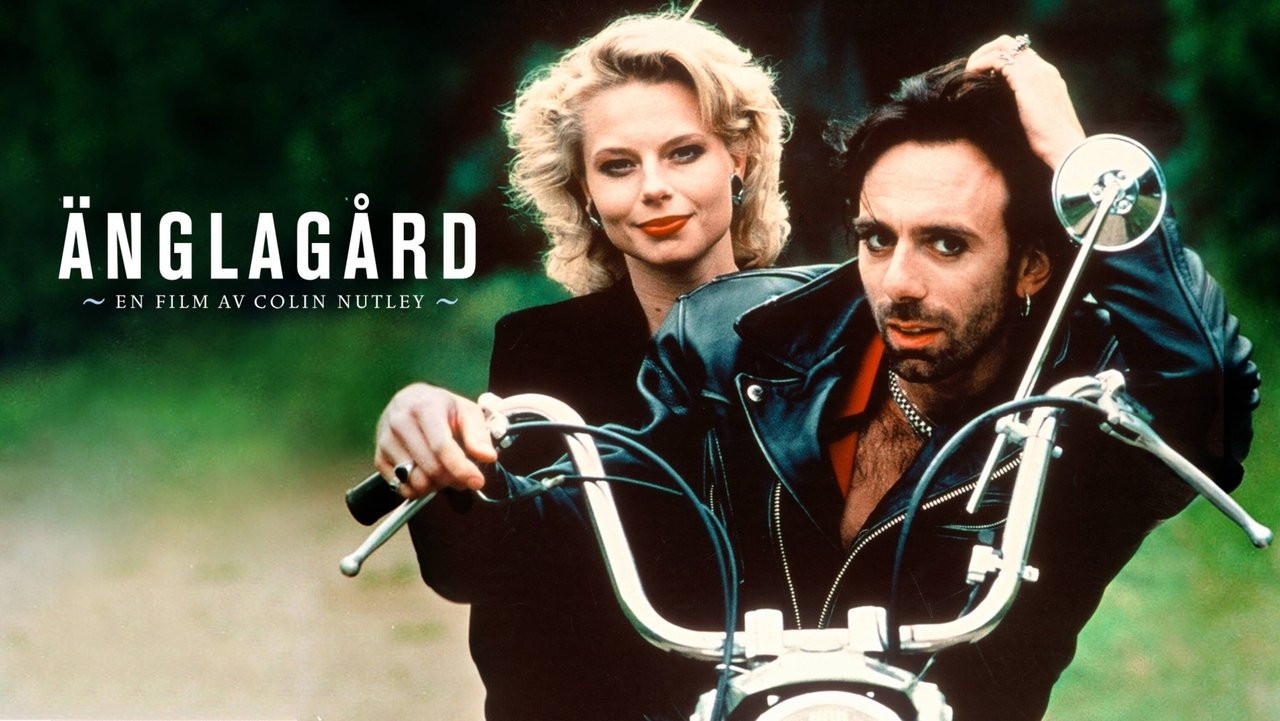
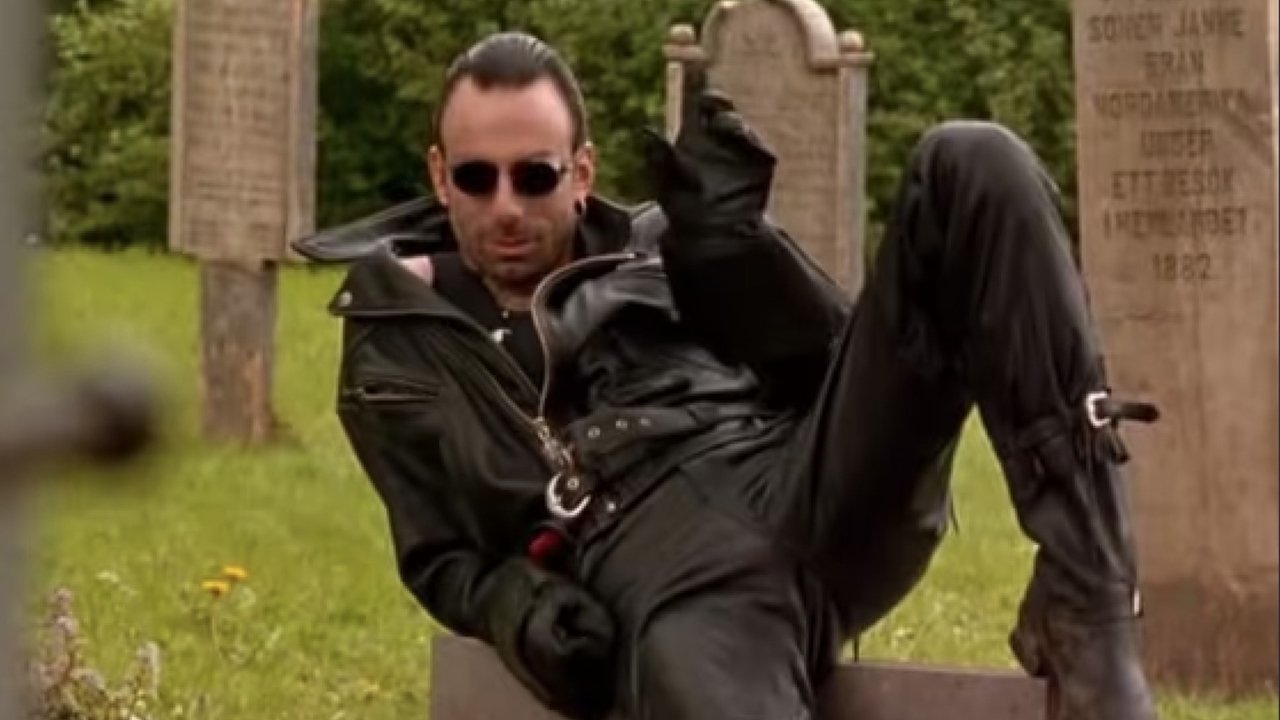
The premise feels almost like a classic setup, yet imbued with a distinctly Scandinavian sensibility. A small, tightly-knit, and deeply traditional village in rural Sweden is shaken from its quiet slumber by the arrival of two outsiders: Fanny (Helena Bergström) and her flamboyant friend Zac (Rikard Wolff). Fanny, a vibrant cabaret singer with a mysterious past, has unexpectedly inherited a large estate – the titular Änglagård (Angel Farm) – following the death of its reclusive owner, Erik. Cue the culture clash. Fanny, leather-clad and assertive, and Zac, unapologetically queer and draped in glamour, are the antithesis of everything the conservative villagers hold dear. Their arrival isn't just an intrusion; it's a technicolor bomb dropped onto a monochrome landscape of ingrained prejudice and suspicion.
What unfolds isn't a simplistic tale of good versus evil, but a more nuanced exploration of community, belonging, and the slow, often painful, process of acceptance. Colin Nutley, a British director who clearly developed a deep affection and understanding for his adopted homeland, directs with a patient, observant eye. He lets the tensions simmer, capturing the sideways glances, the whispered judgments, and the awkward silences that define the initial interactions. There's a palpable sense of place here; the vast, beautiful, yet sometimes isolating Swedish countryside becomes a character in itself, its tranquility contrasting sharply with the emotional turmoil brewing within the village.
Performances That Resonate
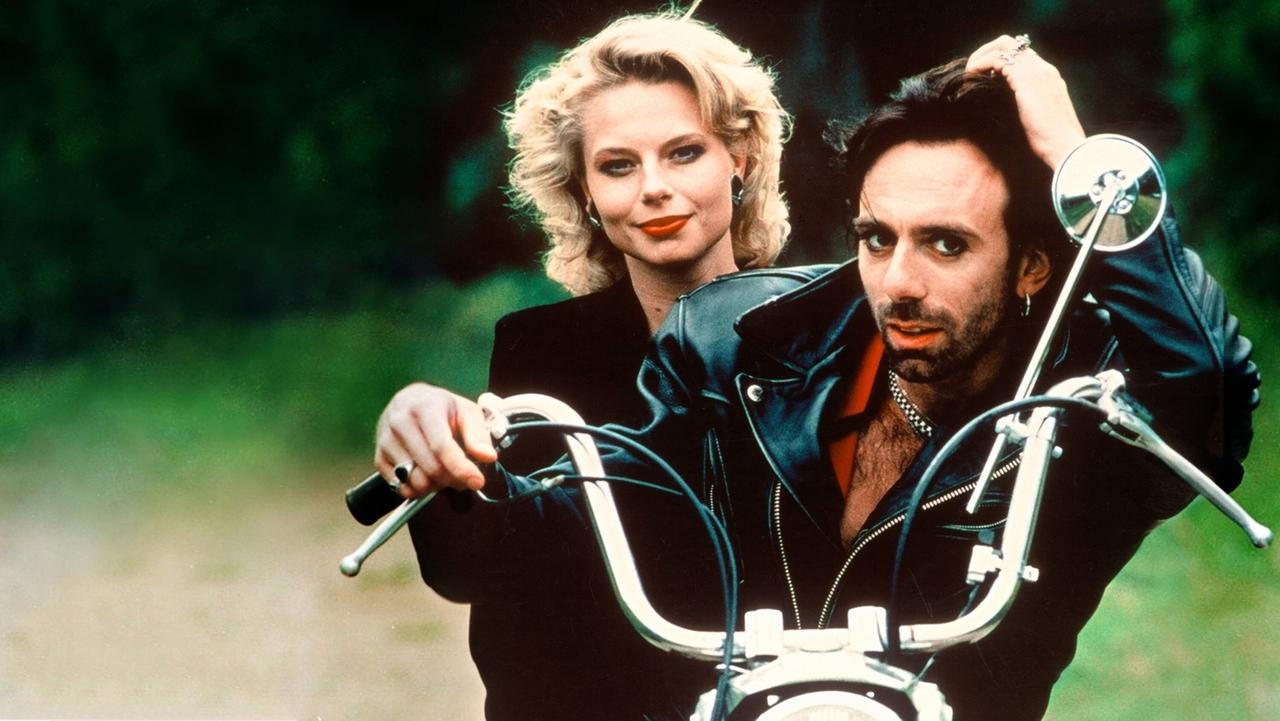
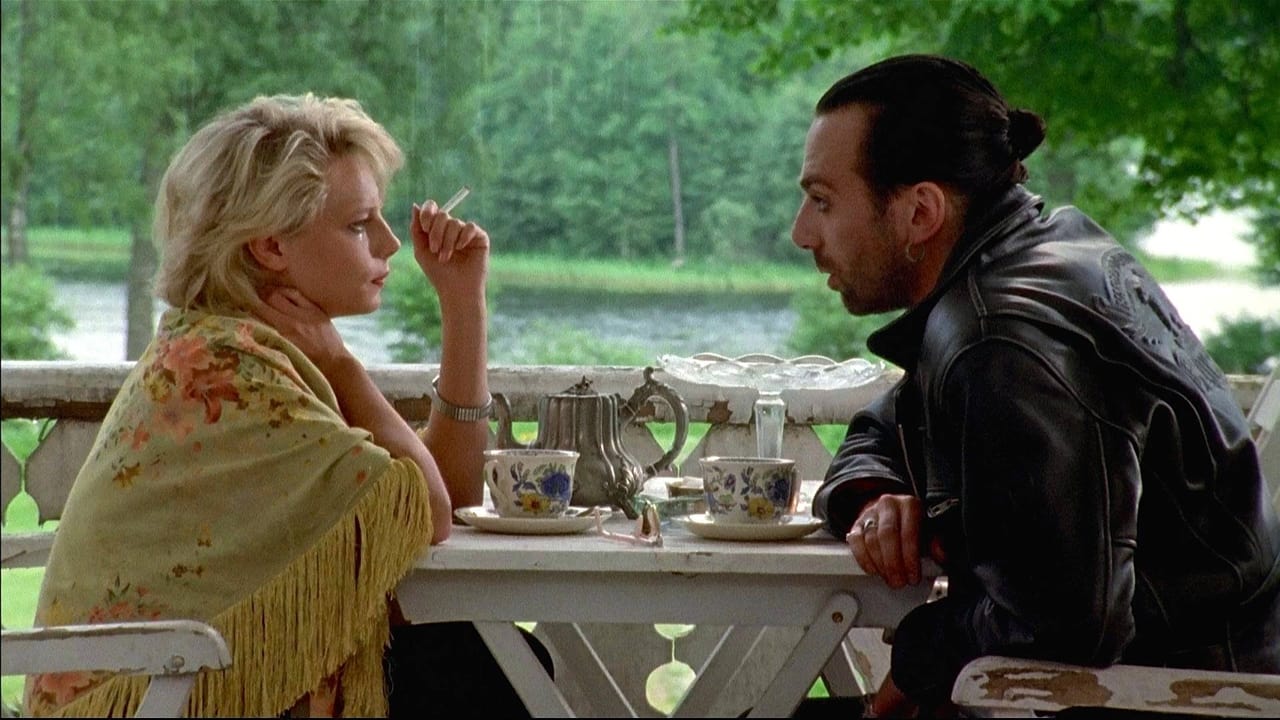
The film truly shines through its performances. Helena Bergström (who would later marry director Nutley) is luminous as Fanny. She's not just a disruptive force; there's a vulnerability beneath the biker jacket, a yearning for connection and answers about her own origins that subtly unfolds. Her chemistry with Rikard Wolff as Zac is electric. Zac could easily have been played as a caricature, but Wolff imbues him with dignity, wit, and a quiet strength that defies the villagers' narrow-mindedness. He's the catalyst for much of the film's gentle humour and its most poignant observations on tolerance.
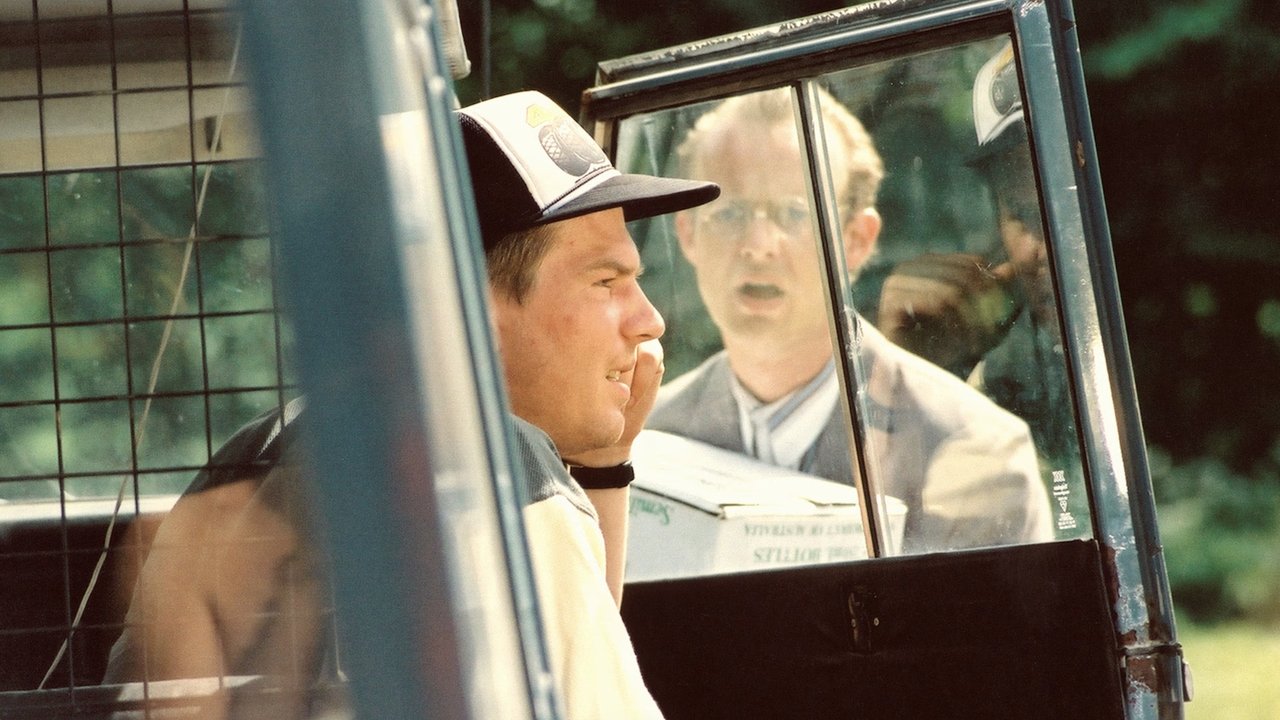
On the other side of the cultural divide stands Sven Wollter as Axel Flogfält, the village's powerful and increasingly agitated patriarch. Wollter, a titan of Swedish cinema often seen in more rugged roles (perhaps familiar to some from his brief appearance in John McTiernan's The 13th Warrior (1999)), delivers a masterful performance. Axel isn't just a villain; he's a man terrified of change, clinging desperately to a world that's slipping away, his suspicion towards Fanny driven by secrets of his own. The dynamic between these core characters – Fanny seeking roots, Zac challenging norms, and Axel resisting change – forms the heart of the film.
A Quiet Phenomenon
Here’s a bit of trivia that always puts a smile on my face: House of Angels wasn't just some arthouse curiosity in its homeland. It was a massive hit. Against expectations, this gentle character study became one of the most successful Swedish films of all time domestically. Imagine, a film relying on nuanced performances and quiet observation outselling flashier imports! It clearly struck a deep chord, perhaps reflecting anxieties and hopes within Swedish society itself about tradition, modernity, and integration. Nutley captured something authentic, something audiences recognized and responded to overwhelmingly. It even spawned two sequels, Änglagård – andra sommaren (1994) and the much later Änglagård – tredje gången gillt (2010), testament to the enduring affection for these characters.
Watching it now, decades later, the film feels like a time capsule, not just of early 90s Sweden, but of a certain kind of filmmaking – character-driven, patiently paced, and focused on human interaction over spectacle. The questions it raises about prejudice, acceptance, and the secrets hidden beneath the surface of seemingly idyllic communities feel, if anything, more relevant today. Doesn't the arrival of 'outsiders' still stir unease in closed-off communities? How much are we defined by where we come from, versus who we choose to be?
The film isn't perfect. The pacing might test those accustomed to quicker edits, and some plot threads feel a touch predictable. Yet, its charm lies in its sincerity and its refusal to offer easy answers. It invites empathy for nearly all its characters, even those whose views we find abhorrent.
Rating and Final Reflection
8/10
House of Angels earns this score for its exceptional performances, particularly from Bergström, Wolff, and Wollter, its beautifully captured sense of place, and its thoughtful, humane exploration of complex themes. It’s a film that avoids melodrama, finding power in quiet moments and subtle interactions. While perhaps not a typical 'VHS Heaven' staple of explosions or scares, its massive success in Sweden and its enduring charm make it a significant piece of early 90s European cinema, a truly heartwarming discovery for anyone willing to look beyond the usual blockbuster fare.
What lingers most after the credits roll is a feeling of warmth, a gentle reminder that understanding often blooms in the most unexpected encounters, even amidst the quiet fields and whispered judgments of a remote Swedish village. It's a film that feels like a comforting, slightly bittersweet memory rediscovered on an old, well-loved tape.