Here we go again, pulling another tape from the shelf, the slightly worn clamshell promising something perhaps quieter, more resonant than the usual action or sci-fi fare. Sometimes, amidst the explosions and alien encounters, a film like Gary David Goldberg's Dad (1989) surfaces, reminding us of the power found not in spectacle, but in the intricate, often messy, landscape of family. It doesn't arrive with a bang, but rather the hesitant turning of a key in a long-unvisited front door.
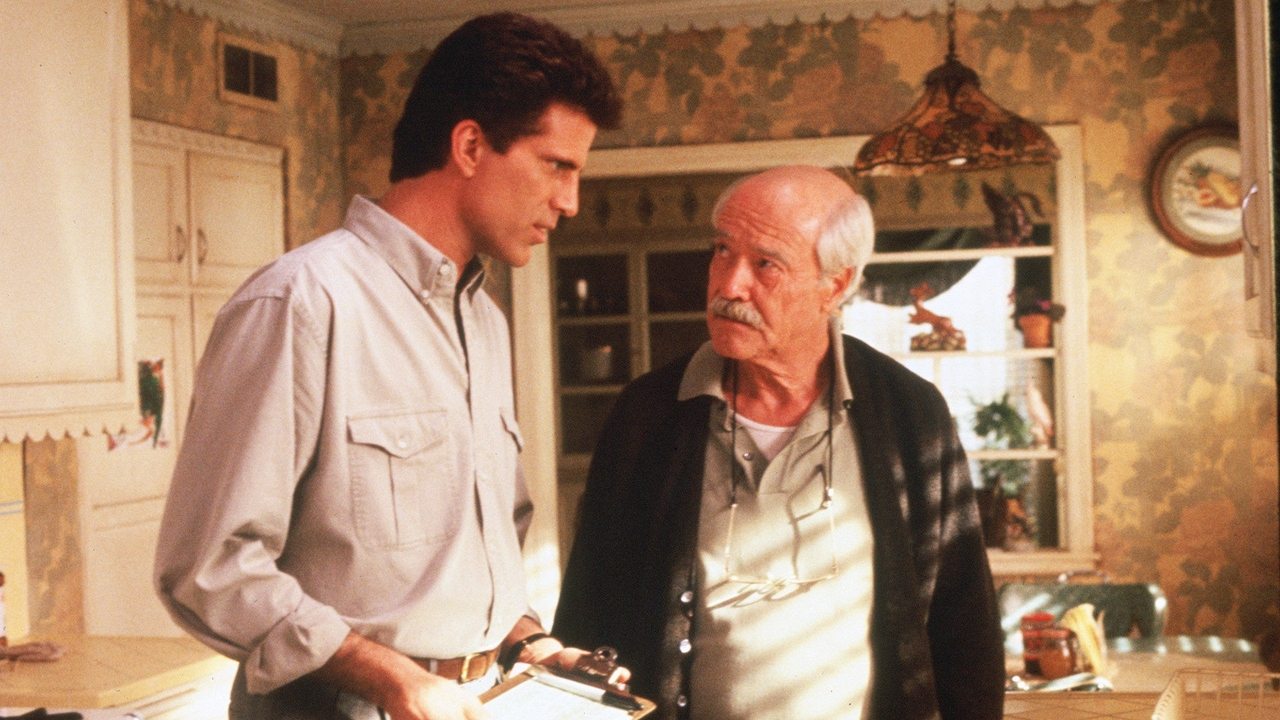
The initial premise feels familiar, almost archetypal: John Tremont (Ted Danson), a high-flying finance executive consumed by his demanding career, is pulled back to his childhood home when his mother, Bette (Olympia Dukakis), suffers a heart attack. He arrives expecting to manage a crisis, perhaps arrange long-term care, before returning to his 'real' life. But what he finds is a different kind of emergency. With Bette temporarily incapacitated, his father, Jake (Jack Lemmon), seemingly lost and enfeebled after decades of gentle domesticity under Bette's capable command, suddenly requires his care. And it's in this unexpected reversal of roles that the film finds its quiet, affecting pulse.
### The Rediscovery of Jake Tremont
At the heart of Dad lies the luminous, deeply felt performance of Jack Lemmon. We first meet Jake as a man seemingly faded, shuffling through routines, his identity almost entirely subsumed by his role as 'husband' and 'retiree'. Lemmon, an actor who could masterfully oscillate between manic comedy (Some Like It Hot, 1959) and profound pathos (Save the Tiger, 1973, for which he won his Best Actor Oscar), portrays Jake's initial state with heartbreaking subtlety. He’s not senile, just… diminished, living in the shadow of his more dominant wife. It’s a portrayal that avoids caricature, feeling achingly real for anyone who has watched a loved one recede into the background of their own life.
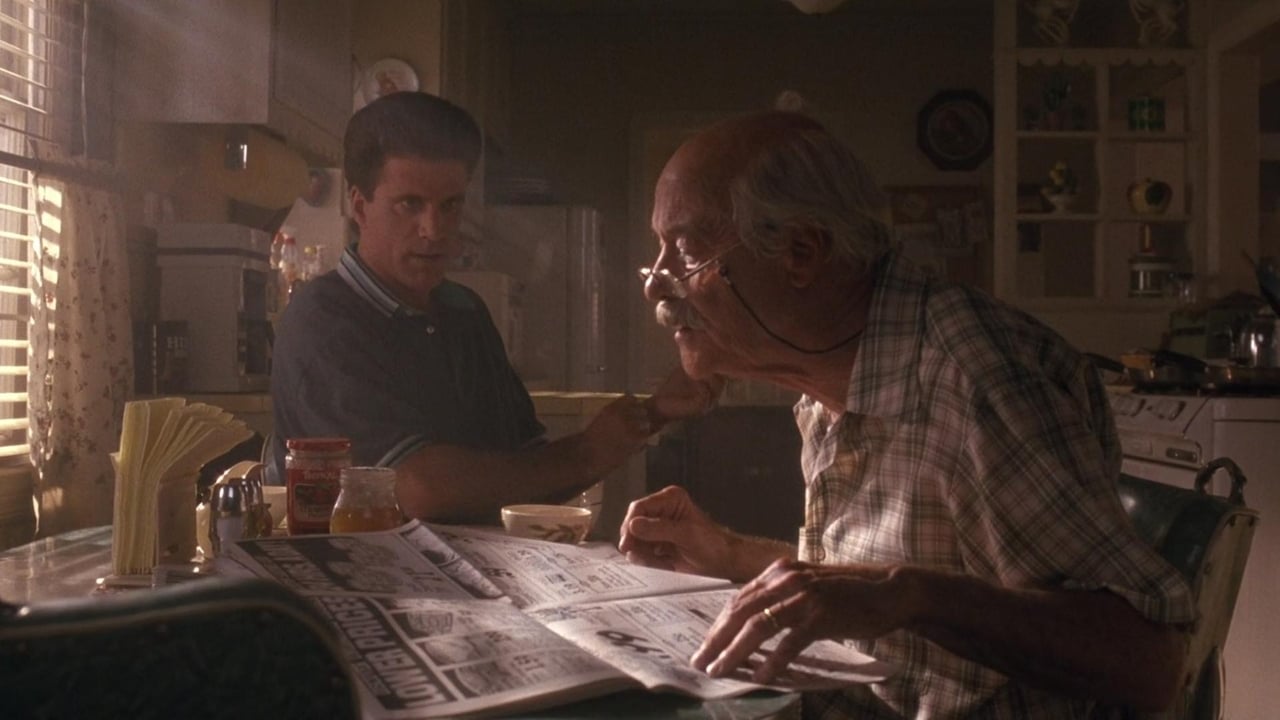
The film's central magic happens as John, forced into the caregiver role, begins to see his father not just as 'Dad', but as Jake – a man with dormant desires, forgotten skills, and a surprising resilience. Lemmon charts this transformation beautifully. There's a scene where Jake, encouraged by John, starts cooking again, tentatively at first, then with growing confidence. It's small, mundane even, yet Lemmon infuses it with the weight of a man reclaiming a piece of himself thought long lost. His eventual confrontation with his own mortality, spurred by a cancer diagnosis, becomes not just a source of fear, but a catalyst for living more fully in the time he has left. It's a performance layered with vulnerability, regret, quiet defiance, and moments of pure, unadulterated joy. Lemmon earned a Golden Globe nomination for this role, and watching it again, it feels utterly deserved.
### Bridging the Generational Divide
Ted Danson, then riding high on the massive success of Cheers, steps effectively into a more dramatic space. His John is initially awkward, impatient, treating his parents' situation like a business problem to be solved efficiently. Danson convincingly portrays the gradual thawing of his character, the slow chipping away of his corporate armor as he reconnects with his father on a human level. The chemistry between Danson and Lemmon feels authentic – the initial distance, the fumbling attempts at communication, the shared moments of frustration and, eventually, profound connection. It’s a believable portrayal of an adult child suddenly forced to re-evaluate a parental relationship they thought was long settled.
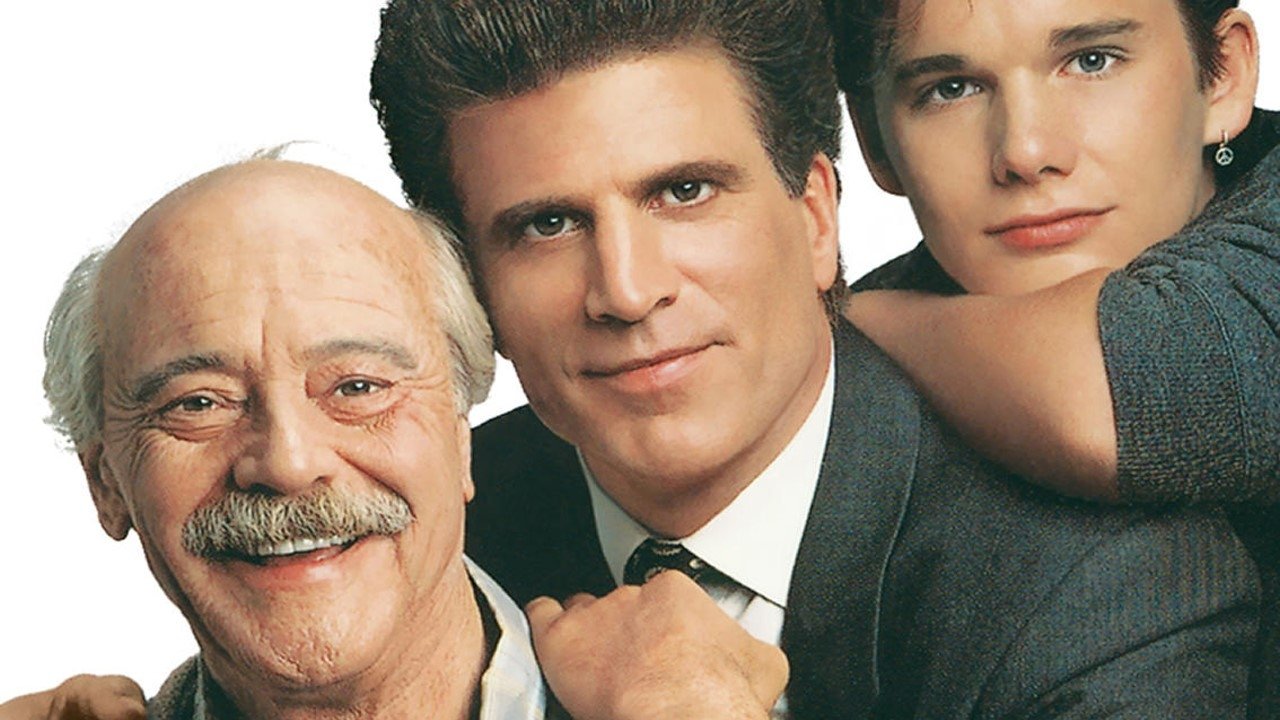
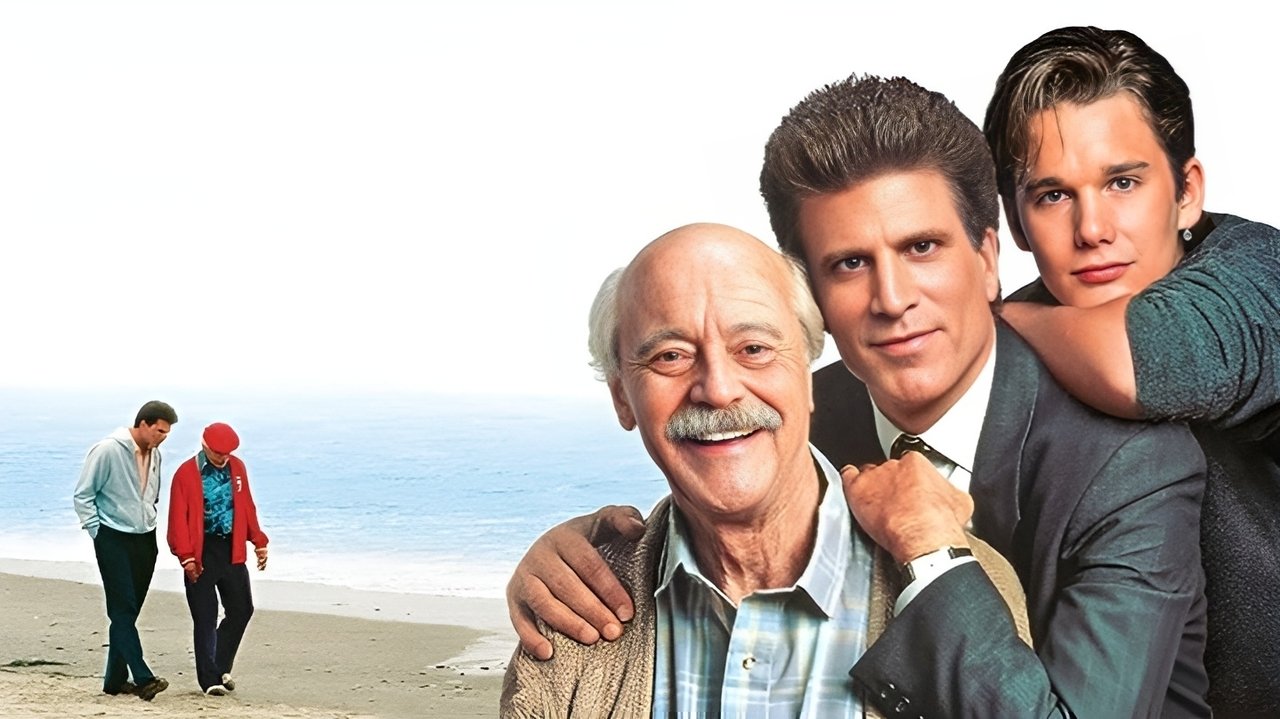
Olympia Dukakis, fresh off her Academy Award win for Moonstruck (1987), provides a crucial counterpoint. Her Bette isn't a villain, but her well-intentioned, perhaps overly efficient, management of the household has inadvertently stifled Jake. Her illness forces a necessary shift in the family dynamic, and Dukakis portrays Bette's own struggle with vulnerability and relinquishing control with grace and quiet strength. Look closely too for Ethan Hawke, embodying youthful idealism as John's son Billy, bridging the generational gap, and Kevin Spacey in an early, typically sharp turn as John's cynical brother-in-law.
### From Sitcom Roots to Heartfelt Drama
It's interesting to note that writer-director Gary David Goldberg based Dad on his own experiences caring for his father. This personal connection permeates the film, lending it an air of sincerity. Goldberg, primarily known as the creator of the beloved sitcom Family Ties, navigates the potentially tricky blend of drama and gentle humor with a mostly steady hand. He understands the rhythms of family life, the way affection and exasperation often coexist. While the film occasionally dips into sentimentality, particularly in its later stages, it generally earns its emotional moments through the strength of the performances and the relatability of the core situation.
The production itself feels grounded and unfussy. There are no flashy directorial tricks here; the focus remains squarely on the characters and their interactions within the familiar, slightly dated comfort of the family home. It feels like a film of its time – late 80s aesthetics, a certain earnestness – but the themes it explores are timeless. Made on a budget of around $20 million, it performed modestly at the box office (around $27 million gross), perhaps overshadowed by bigger, louder releases. Yet, its impact often lies in the quiet moments, the unspoken understandings, the difficult conversations finally had.
### Does It Still Connect?
Watching Dad today, perhaps decades after first seeing it on a rented VHS tape, brings a different perspective. For many in the "VHS Heaven" audience, the roles might feel reversed; we might now be closer to John's age, potentially facing similar challenges with our own aging parents. Doesn't that lend the film an even deeper resonance? The questions it raises – about duty, connection, regret, and making the most of the time we have with loved ones – feel perhaps even more pertinent now.
It's not a perfect film. The pacing can feel deliberate, and some plot points might seem predictable through a modern lens. Yet, its power lies in its commitment to emotional honesty, anchored by that truly wonderful performance from Jack Lemmon. It’s a film that encourages empathy, prompting reflection on our own family ties.
Rating: 8/10
This score feels right because Dad achieves exactly what it sets out to do: tell a heartfelt, human story about family reconnection with sincerity and exceptional performances. While it might occasionally lean towards sentiment, the core emotional truth, particularly embodied by Lemmon's masterful portrayal of Jake's journey, elevates it significantly. It avoids melodrama for the most part, offering genuine warmth and insight.
Dad might not be the first title that jumps to mind when thinking of late 80s cinema, but it remains a touching and surprisingly potent film. It’s a quiet reminder, tucked away on the shelf, that sometimes the most profound journeys are the ones that lead us back home, forcing us to truly see the people who were there all along. What lingers most, long after the tape stops, is the rediscovery of Jake – and perhaps, a quiet nudge to appreciate our own connections before it's too late.