Okay, settle in, maybe grab a comforting beverage. We're reaching back for a tape that likely saw heavy rotation in many VCRs, a film that felt less like watching characters and more like checking in on slightly more frantic versions of our own families: Ron Howard’s sprawling, messy, and deeply human 1989 masterpiece, Parenthood.
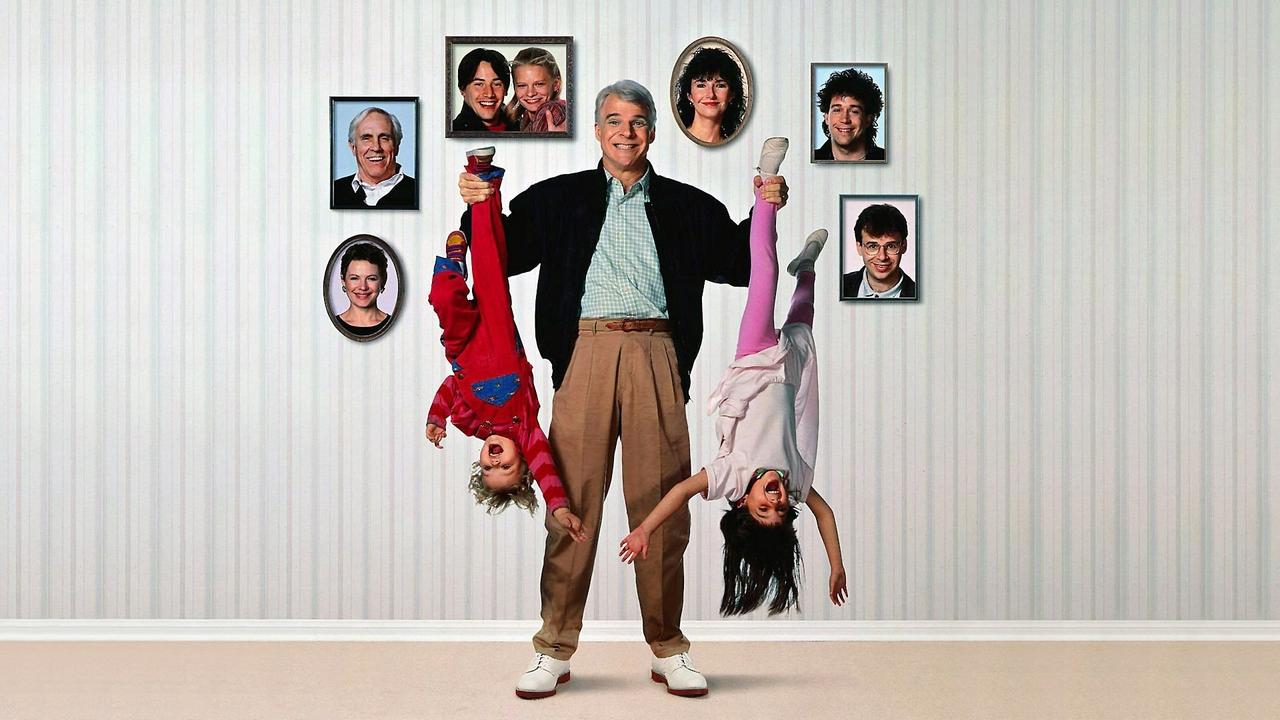
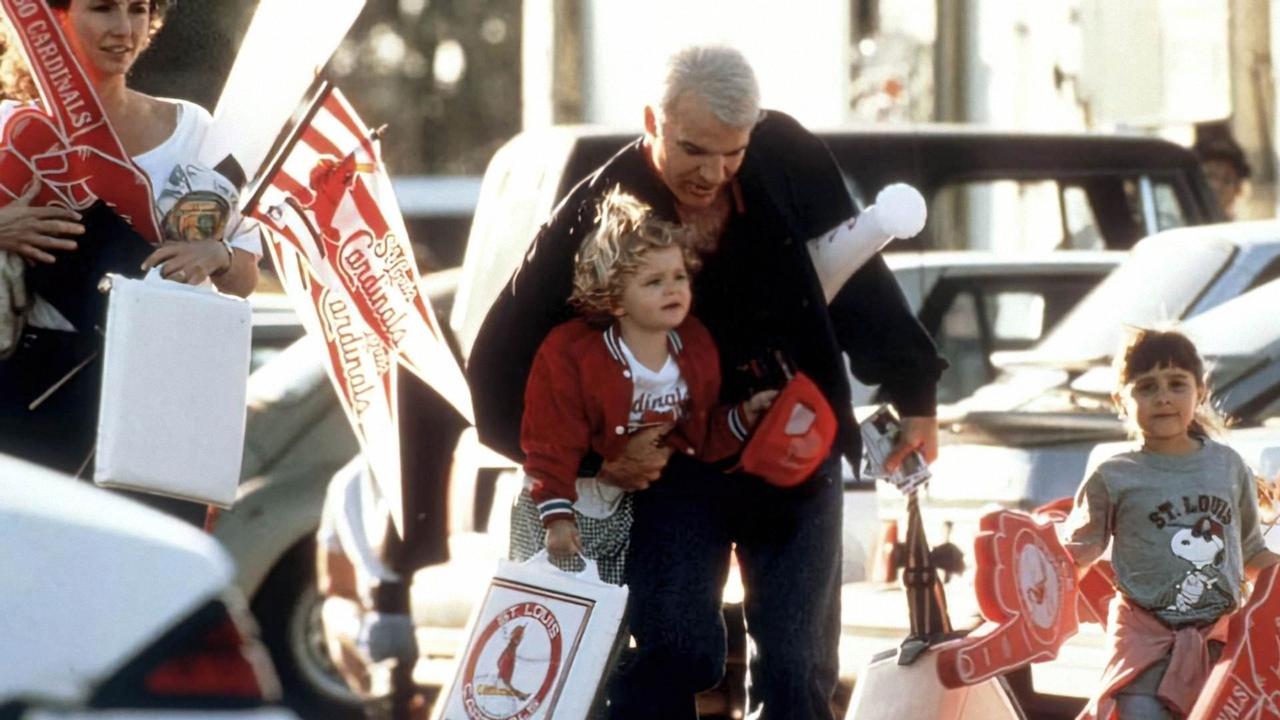
Remember the feeling of those big family gatherings? The noise, the competing conversations, the barely contained chaos simmering just beneath the surface? Parenthood bottled that feeling. It doesn't just tell one story; it juggles a multitude, centered around the Buckman family, and somehow, miraculously, gives each thread the space to breathe and resonate. Watching it again now, decades removed from its original release, what strikes me isn't just the perfectly pitched late-80s nostalgia – the clothes, the cars, the sheer texture of suburban life captured on film – but how piercingly accurate its portrayal of family anxieties remains.
The Delicate Art of Spinning Plates
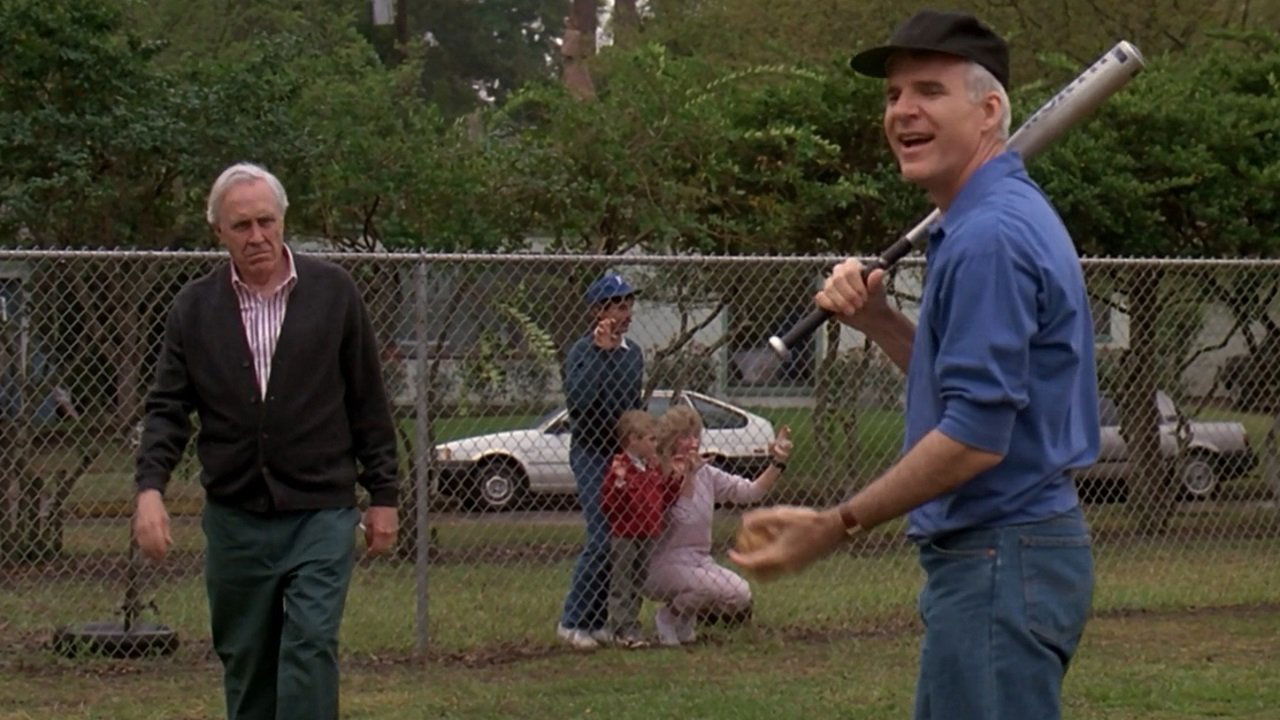
At the heart of it all is Gil Buckman, played by Steve Martin in what might be one of his most layered and affecting performances. Here, Martin moves beyond the purely manic comedy he was often known for (though there are flashes, like the unforgettable 'Cowboy Gil' sequence) to embody the everyday stress of a middle-class father terrified of repeating his own father's mistakes. His anxieties about his son Kevin's emotional struggles feel incredibly grounded and real. We see the pressure mounting – work stress, money worries, the feeling of being perpetually overwhelmed – and it's Martin's vulnerability that anchors the film's sprawling narrative. It’s a performance that reminds us why he was, and remains, such a compelling screen presence, capable of balancing profound insecurity with impeccable comic timing.
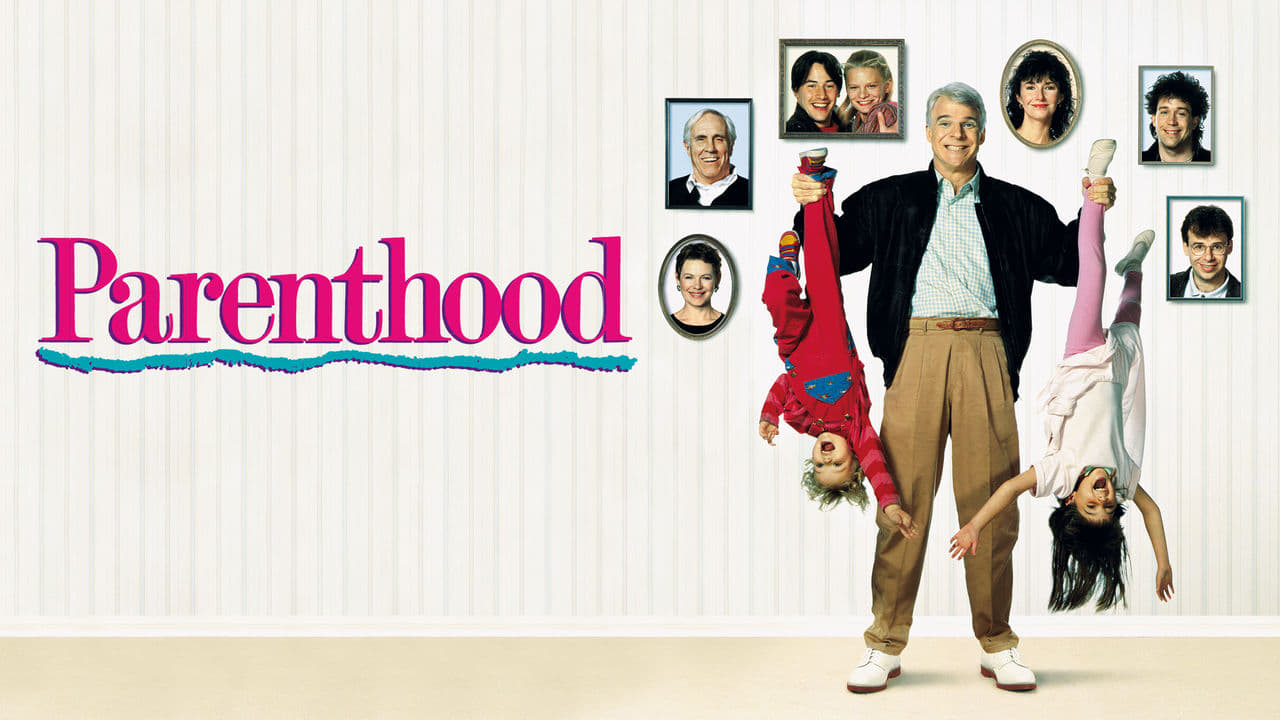
But Parenthood is a true ensemble piece, a tapestry woven with threads from across the Buckman clan. There’s Mary Steenburgen as Gil’s wife Karen, the often-unseen emotional ballast of their immediate family; Dianne Wiest delivering an Oscar-nominated turn as Helen, a divorced mother navigating the choppy waters of raising a withdrawn teenage son (a young, intense Joaquin Phoenix, then credited as Leaf) and a daughter (Martha Plimpton) rushing headlong into adulthood with her goofy, good-hearted boyfriend Tod (Keanu Reeves). Wiest captures Helen’s quiet desperation and fierce love with heartbreaking authenticity. And who could forget Rick Moranis as Nathan, the hyper-focused, slightly unsettlingly intense father attempting to engineer his young daughter's genius? Or Jason Robards as the patriarch Frank, whose regrets cast long shadows?
From Life, Onto the Screen
What makes the film feel so authentic, so lived-in? A significant part of that magic comes directly from the writers' room. Ron Howard, collaborating again with the brilliant duo Lowell Ganz and Babaloo Mandel (the minds behind Splash and later City Slickers), drew heavily from their own experiences as parents and children. They reportedly filled notebooks with anecdotes, observations, and anxieties from their own family lives. That scene where Gil finds his son’s retainer in discarded pizza dough? Pulled from real life. Nathan Huffner’s intense parenting methods? Inspired by things the writers had observed. This grounding in genuine experience prevents the film from tipping into pure sitcom territory, even amidst its comedic set pieces. It feels earned.
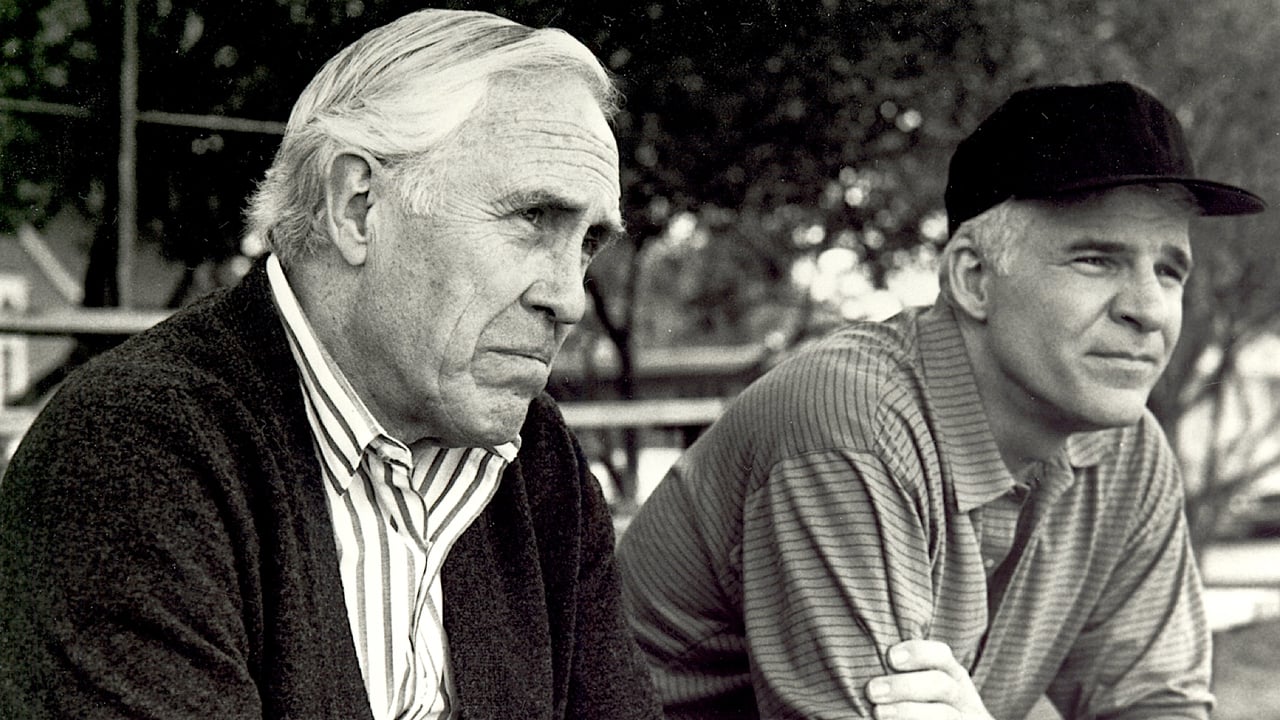
Managing such a large cast, juggling multiple storylines that occasionally intersect but often run parallel, is no easy feat. Howard, already proving himself a versatile director after hits like Splash (1984) and Cocoon (1985), orchestrates the chaos beautifully. He allows moments of quiet reflection amidst the noise, finding the emotional core within each family unit. It's a testament to his skill, and the tight script, that no storyline feels shortchanged, and the film maintains a cohesive, overarching theme about the messy, imperfect, terrifying, and ultimately rewarding journey of raising human beings (and being part of a family).
The production wasn't without its challenges, mainly logistical ones involving coordinating the large ensemble cast, especially the child actors. Yet, this complexity mirrors the film's themes. The budget, around $20 million, yielded a significant box office return (over $126 million worldwide), proving audiences were hungry for this kind of relatable, multi-generational story. It resonated then, and perhaps resonates even more now in an era often saturated with more cynical fare.
Why It Still Sticks
Remember Gil’s grandmother telling the story about the rollercoaster? How she preferred it to the merry-go-round because it was exciting, unpredictable, full of ups and downs? That monologue feels like the film's thesis statement. Parenthood doesn't offer easy answers or neat resolutions. Life, like raising kids, is bumpy, sometimes terrifying, often hilarious in retrospect, and rarely goes according to plan. The film embraces that messiness.
It captures the specific anxieties of its time – economic pressures, worries about child development, the changing dynamics of marriage and divorce – yet frames them in a way that transcends the era. We still worry about our kids, about money, about whether we're 'doing it right.' We still navigate complex relationships with our parents and siblings. The technology and fashion may have changed, but the core emotional truths remain steadfast. And seeing actors like Keanu Reeves, fresh off Bill & Ted's Excellent Adventure (released the same year!), bring such simple charm to Tod, or watching a young Joaquin Phoenix smolder with adolescent angst, adds another layer of nostalgic appreciation for those of us who grew up alongside these stars.
Rating: 9/10
This score reflects the film's masterful balancing act of comedy and drama, its exceptional ensemble cast firing on all cylinders, and its enduring, heartfelt portrayal of family life. It avoids schmaltz, embraces complexity, and delivers moments of genuine emotional insight alongside laugh-out-loud comedy. The script is sharp, the direction is assured, and the performances feel utterly authentic. It might feel sprawling, but that controlled chaos is precisely the point – it mirrors life itself.
Parenthood isn't just a time capsule of late-80s suburbia; it’s a warm, witty, and wise exploration of the ties that bind, fray, and ultimately sustain us. It’s one of those tapes you pull out not just for nostalgia, but for a reminder that nobody really has it all figured out, and maybe that’s okay. What lingers most is the profound sense of empathy it extends to every single character, flaws and all.