Here’s a dive back into a film that felt both blisteringly specific and strangely universal, straight from the shelves of VHS Heaven.
### When Fiction Feels More Real Than Reality
There's a certain kind of uncomfortable truth that only sharp, observant humor can really unlock. Carrie Fisher, already cemented in our minds as Princess Leia, possessed that key. With Postcards from the Edge (1990), adapted from her own semi-autobiographical novel, she didn't just write a screenplay; she performed a kind of public exorcism, turning personal pain, addiction, and the dizzying absurdity of Hollywood life—especially life lived in the shadow of a famous mother—into something bitingly funny and profoundly resonant. Watching it again now, decades after first sliding that tape into the VCR, what strikes me is how deftly it walks the tightrope between exposé and heartfelt character study. It never feels like mere gossip; it feels like Fisher wrestling with demons under klieg lights.
### Welcome to the Fishbowl
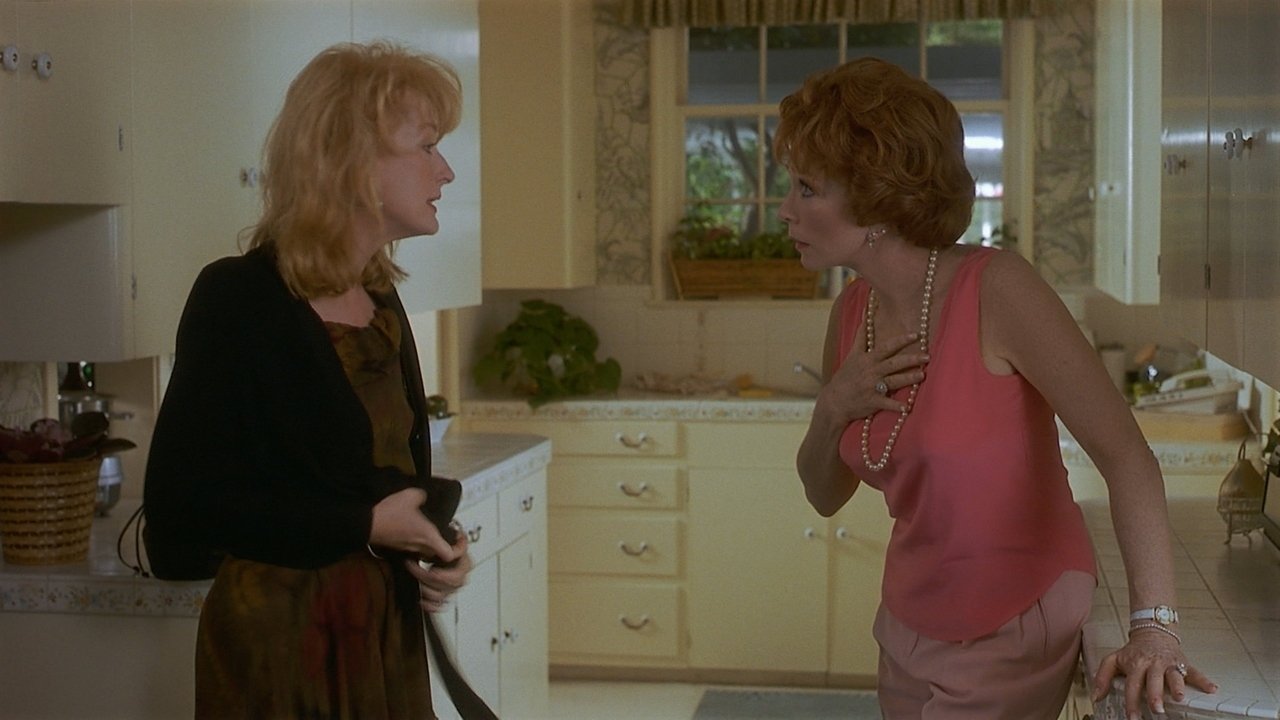
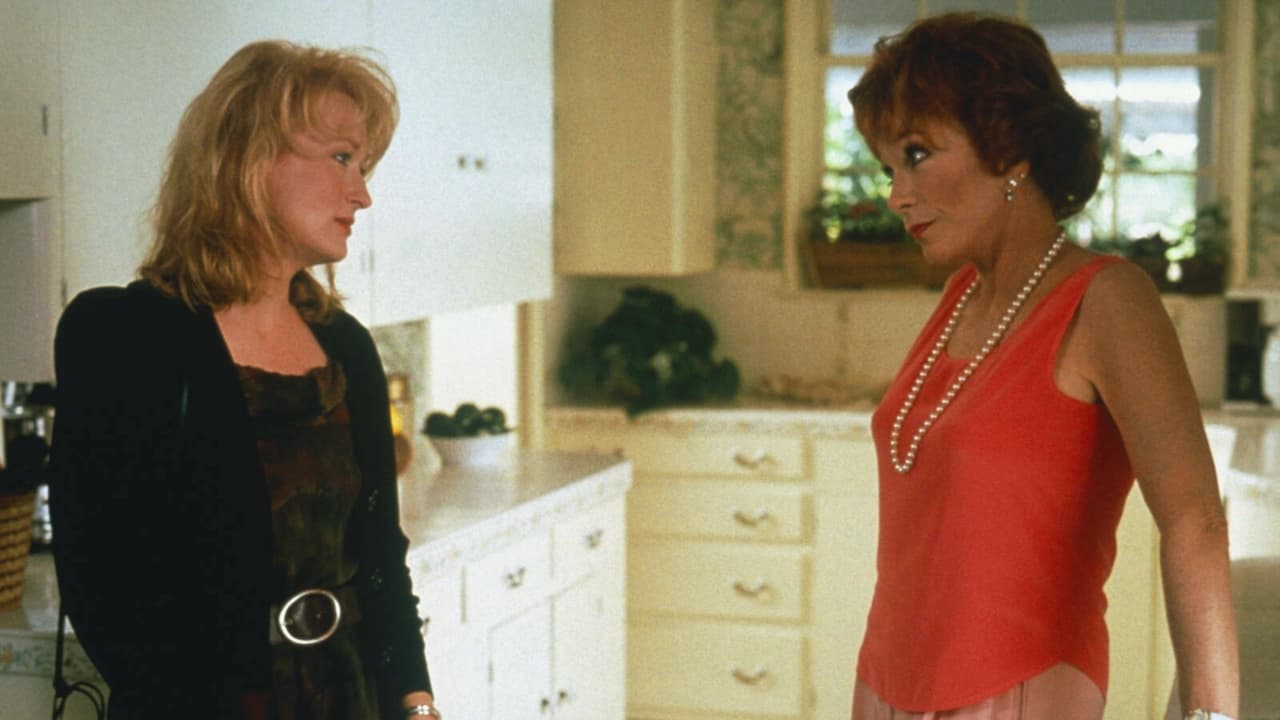
We're thrown immediately into the whirlwind life of Suzanne Vale (Meryl Streep), an actress whose career is precarious even before she accidentally overdoses. The price of getting back to work, dictated by the studio's insurance policy, is living under the watchful eye of her mother, Doris Mann (Shirley MacLaine), a grand dame of a bygone Hollywood era. Their shared house becomes less a home and more a beautifully decorated battleground, charged with resentment, competitive love, and decades of shared, complex history. It's a setup ripe for melodrama, but under the masterful direction of Mike Nichols (Working Girl, The Graduate), it becomes something far richer: a comedy of manners where the manners are terrible but the underlying emotions ring devastatingly true.
Fisher's Acid Wit, Nichols' Deft Touch
The genius here lies in the collaboration. Fisher’s script crackles with dialogue so sharp it could draw blood, yet it never loses sight of the vulnerability beneath the barbs. Lines like Doris’s breezy dismissal of Suzanne's therapy – "These shrinks, they're inventing problems! We never had problems when I was young. We had FUN!" – land with pinpoint accuracy, capturing a generational divide and a specific kind of maternal obliviousness. Nichols, ever the expert conductor of complex emotional orchestras, knows exactly when to let the humor sting and when to allow moments of quiet pain to surface. He understands the rhythms of these characters, particularly the push and pull between mother and daughter, where a shared laugh can dissolve into a shouting match in seconds. It’s a dynamic many viewers, even those far removed from Hollywood dynasties, might recognize with a wince or a nod.
### A Duel of Titans
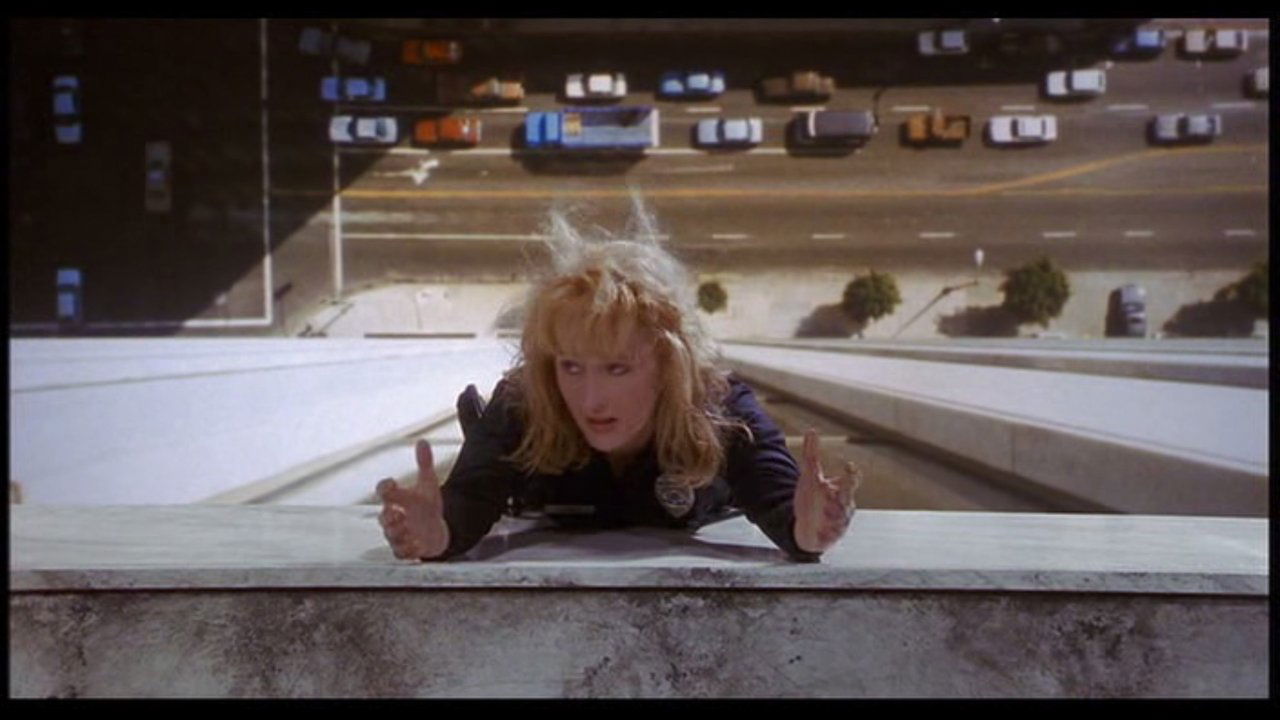
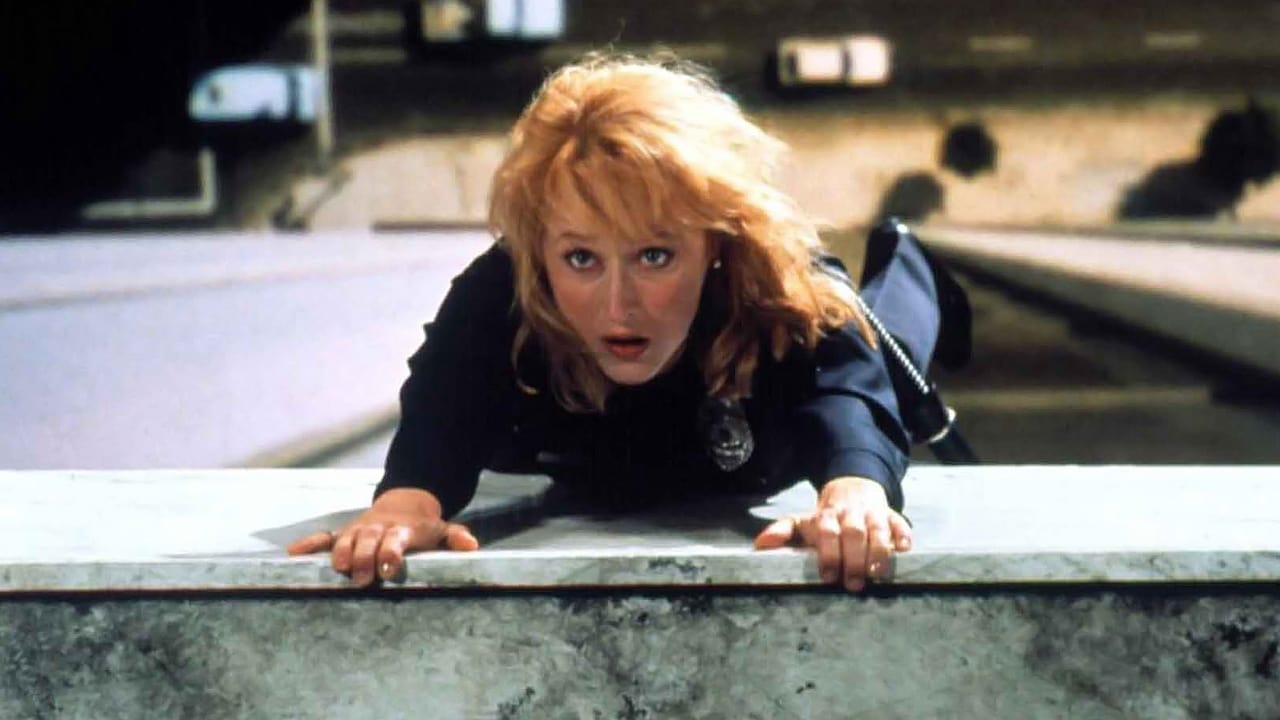
And what performances anchor this complex relationship! Meryl Streep, earning a well-deserved Oscar nomination, is simply astonishing as Suzanne. She embodies the character's chaotic energy, her intelligence warring with her insecurities, her desperate need for approval clashing with her equally desperate need for independence. It’s a performance full of jagged edges and surprising tenderness. Watching her navigate the absurdity of a low-budget movie set while grappling with sobriety and her mother's suffocating presence is both hilarious and heartbreaking.
Opposite her, Shirley MacLaine delivers a force-of-nature turn as Doris. She isn't just playing a caricature of an old-school Hollywood star; she's playing a survivor, someone who has weaponized charm and denial to navigate a lifetime in the spotlight. MacLaine resists making Doris a simple villain. There's vanity, yes, and manipulation, but also glimpses of fierce, albeit misguided, maternal love and her own buried insecurities. Their scenes together are the film's undeniable core – a mesmerizing dance of wit, wounds, and wary affection. It’s fascinating to know that, reportedly, the two actresses got along famously off-set, a testament to their skill in crafting such believable friction on-screen.
### Hollywood Holding Up a Mirror
Beyond the central relationship, Postcards offers a wonderfully cynical peek behind the Hollywood curtain. The scenes on Suzanne’s film set, her interactions with slick producers (Gene Hackman in a small but memorable role) and predatory charmers like Jack Faulkner (Dennis Quaid, playing the kind of handsome rogue who leaves wreckage in his wake – a character many speculated was loosely inspired by Fisher's ex, Paul Simon, though she never confirmed it), feel acutely observed. Fisher knew this world inside and out, and her portrayal of its casual cruelties and absurdities is spot-on. Even the film's memorable tagline – "Having a wonderful time, wish I were here." – perfectly captured that blend of surface glamour and inner turmoil.
Adding another layer is Streep's own singing. She performs several numbers, including the Shel Silverstein-penned country song "I'm Checkin' Out" over the end credits. It’s a raw, defiant, and surprisingly moving performance that snagged an Oscar nomination for Best Original Song, offering a perfect emotional punctuation mark to Suzanne's journey. It’s a reminder of Streep’s incredible versatility, tackling the singing with the same commitment she brought to the dramatic scenes.
### Lasting Impressions
Made for around $22 million, Postcards from the Edge found a receptive audience, grossing nearly $40 million domestically and earning critical acclaim, particularly for its leads and Fisher's screenplay. It felt frank in 1990, tackling addiction and recovery with a candor often missing from mainstream films of the era. Watching it today, its themes of navigating toxic family dynamics, finding sobriety, and forging an identity separate from both fame and parental expectation still resonate powerfully. It’s a film that uses the specific lens of Hollywood to explore universal human struggles. I remember renting this, perhaps initially drawn by the star power or the juicy premise, but being struck by its unexpected depth and honesty, smuggled inside such a witty package.

Rating: 8/10
This rating feels earned due to the powerhouse performances from Streep and MacLaine, Carrie Fisher's exceptionally sharp and insightful screenplay, and Mike Nichols' perfectly pitched direction. It navigates tricky tonal shifts with grace, blending caustic wit with genuine pathos. While some supporting characters feel a touch underdeveloped compared to the central duo, the film's core relationship and its candid exploration of complex themes make it a standout from the era.
Postcards from the Edge remains a potent reminder of Carrie Fisher's singular voice – her ability to stare into the abyss of her own life and find not just darkness, but absurdity, resilience, and ultimately, brilliant, unforgettable art. What lingers most, perhaps, is the uncomfortable question it poses: how much of the stories we tell about ourselves are truth, and how much are carefully constructed fictions designed for survival?