Some films arrive like a sudden, welcome shaft of sunlight breaking through clouds. They don’t crash or explode onto the screen, but rather unfold gently, warming you with a quiet radiance. Yves Robert’s My Father's Glory (1990), or La Gloire de mon père as it was originally titled, is precisely that kind of film – a sun-drenched journey back not just to the hills of Provence, but into the very heart of childhood memory itself. Watching it again now, decades after first discovering it nestled perhaps unexpectedly amongst the action and horror flicks on the video store shelf, feels like unearthing a treasured postcard from a forgotten summer.
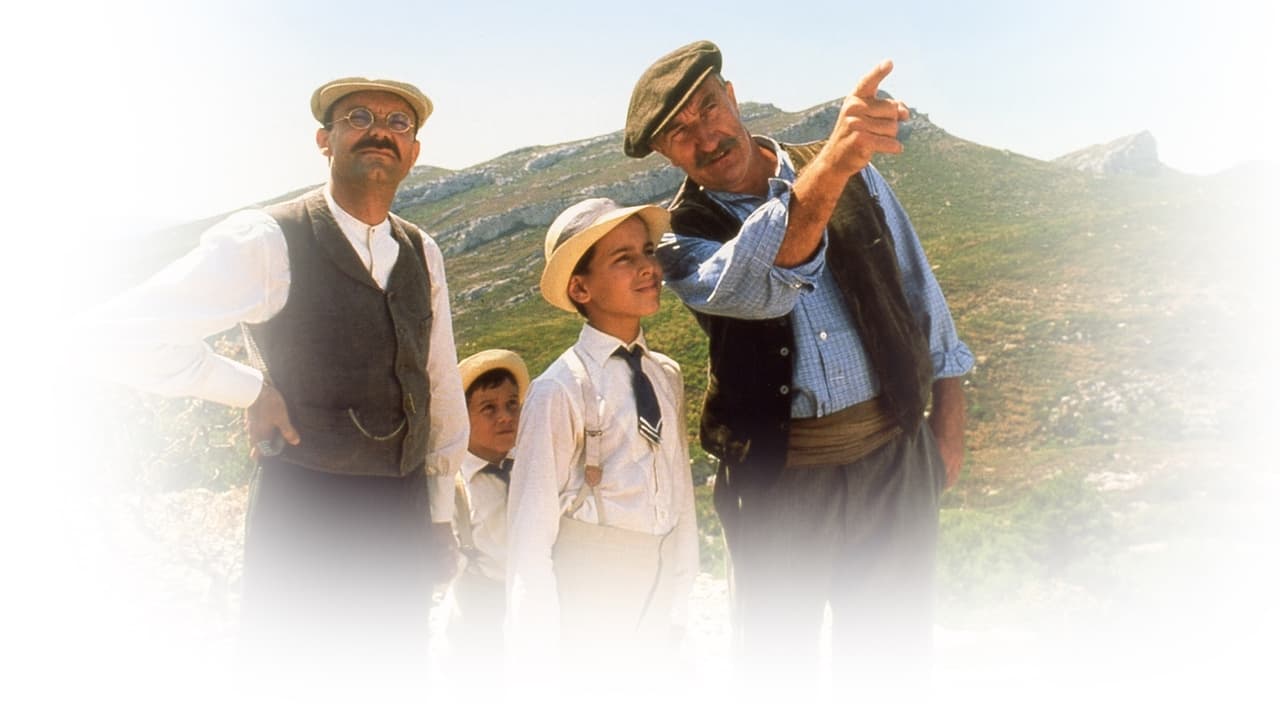
A Child's Eye View of Paradise
Based on the beloved autobiographical writings of Marcel Pagnol, the film transports us to the early years of the 20th century. We see the world through the adoring eyes of young Marcel (Julien Ciamaca), a bright city boy whose life transforms when his family begins spending their summers in the rugged, fragrant countryside of Provence. His father, Joseph (Philippe Caubère), a proudly rational schoolteacher, and his gentle mother Augustine (Nathalie Roussel) embrace this annual escape, alongside the boisterously charming Uncle Jules (Didier Pain) and Aunt Rose (Thérèse Liotard). It's a simple premise, yet it holds a universe of feeling.
Yves Robert, known perhaps more widely for comedies like The Tall Blond Man with One Black Shoe (1972), directs here with a palpable affection for his source material. There's no rush, no forced drama. Instead, he allows the rhythms of Provençal life and the lazy pace of summer holidays to dictate the film's tempo. The camera lingers on the landscape – the rocky hills crowned with hardy shrubs, the endless blue sky, the dusty paths – making Provence itself an essential character. It’s easy to see why Pagnol’s memoirs are so cherished in France; Robert translates that deep love of place directly onto the screen, aided immeasurably by Vladimir Cosma's evocative score, which perfectly captures the sense of wonder and burgeoning freedom.
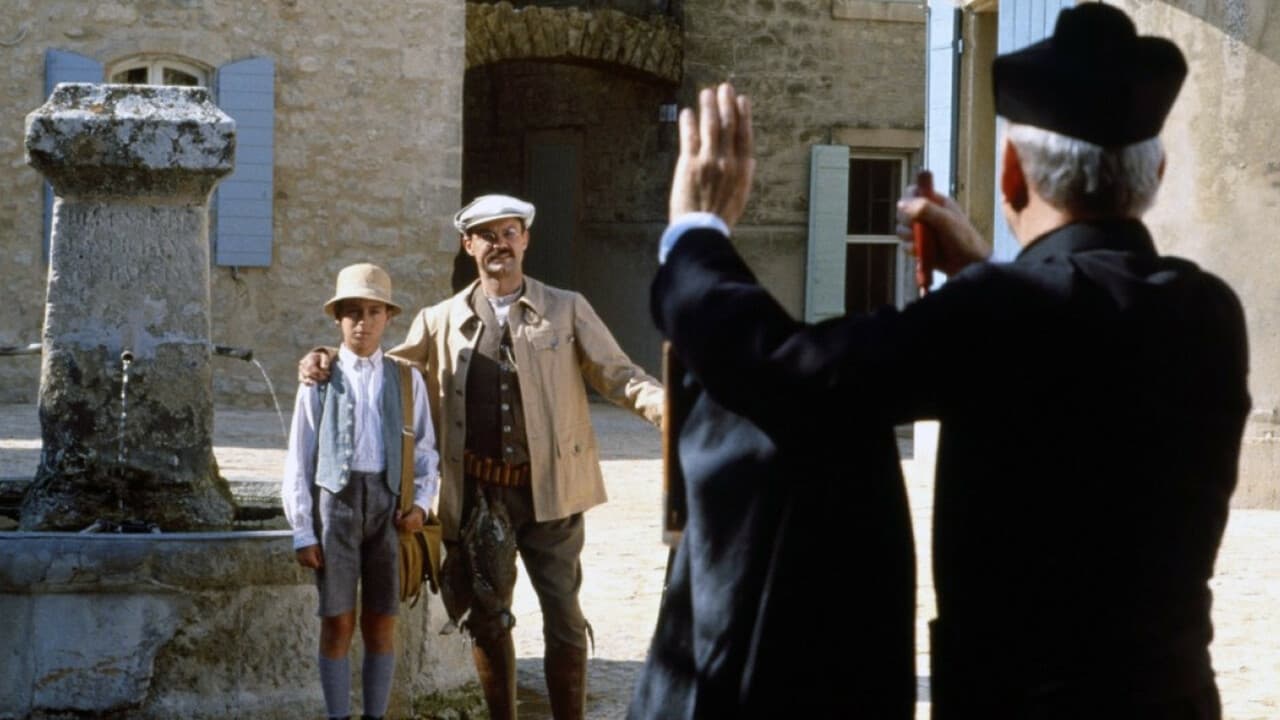
The Texture of Memory
What truly elevates My Father's Glory is its understanding of how memory works, especially childhood memory. It’s not about grand, earth-shattering events, but the accumulation of small moments: the thrill of exploring unknown territory, the taste of wild thyme, the comforting presence of family, the dawning awareness of the world beyond the classroom. The performances are key to this authenticity. Julien Ciamaca is wonderfully natural as young Marcel, conveying curiosity and devotion without sentimentality. Nathalie Roussel embodies maternal warmth, a quiet anchor in the family's adventures. And Didier Pain provides infectious energy as Uncle Jules, the experienced countryman whose tales initially intimidate the scholarly Joseph.
But the film's soul resides in the relationship between Marcel and his father. Philippe Caubère, who also serves as the film's adult narrator, portrays Joseph Pagnol not as a flawless hero, but as a fundamentally decent man grappling with his own limitations – particularly his unfamiliarity with the countryside compared to the effortlessly capable Uncle Jules. The "glory" of the title isn't about battlefield triumphs or intellectual accolades; it's about a son witnessing a moment of unexpected prowess from his father during a memorable hunt. It’s that specific, perspective-shifting event that solidifies the father figure in the child's mind, rendered here with poignant simplicity. Doesn't that resonate? Those small, almost incidental moments from our own childhoods that somehow crystallize our image of our parents?

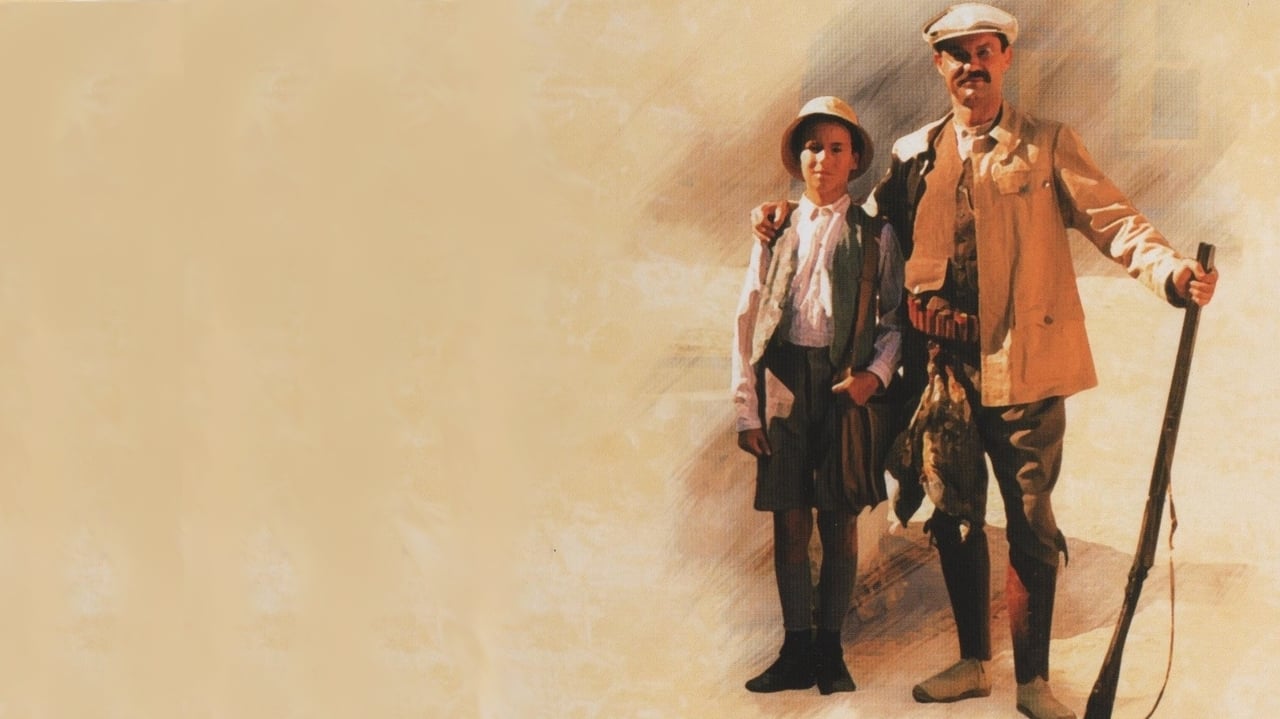
From Page to Provençal Sun
Adapting such beloved source material is always a challenge, but director Yves Robert and co-writer Jérôme Tonnerre approached Pagnol’s text with reverence. They understood the magic wasn't in plot twists, but in atmosphere and character. Filming extensively on location in the very landscapes Pagnol described was crucial. Apparently, Robert was so committed to capturing the full arc of Marcel's childhood summers that My Father's Glory was filmed back-to-back with its equally charming sequel, My Mother's Castle (Le Château de ma mère), both released in 1990. This decision allowed for continuity in the young actors' ages and maintained the immersive spell of Pagnol's world. The result was a phenomenon in France, proving that audiences were hungry for stories rich in humanity and regional character. Finding this gem on VHS felt like discovering a secret window into another culture, another time, a gentler pace of life.
A Warm Embrace on Tape
My Father's Glory might not have the explosions or synth-heavy soundtracks that defined so much of the VHS era, but its inclusion in any serious retro collection feels essential. It offers a different kind of pleasure – the deep satisfaction of a story beautifully told, characters richly drawn, and an atmosphere utterly transporting. It reminds us that nostalgia isn't solely reserved for the pop culture touchstones of our youth, but can also connect us to universal experiences: the magic of childhood discovery, the complexities of family love, and the enduring power of place. It’s a film that washes over you, leaving behind a feeling of warmth and a quiet appreciation for life’s simple, profound moments.
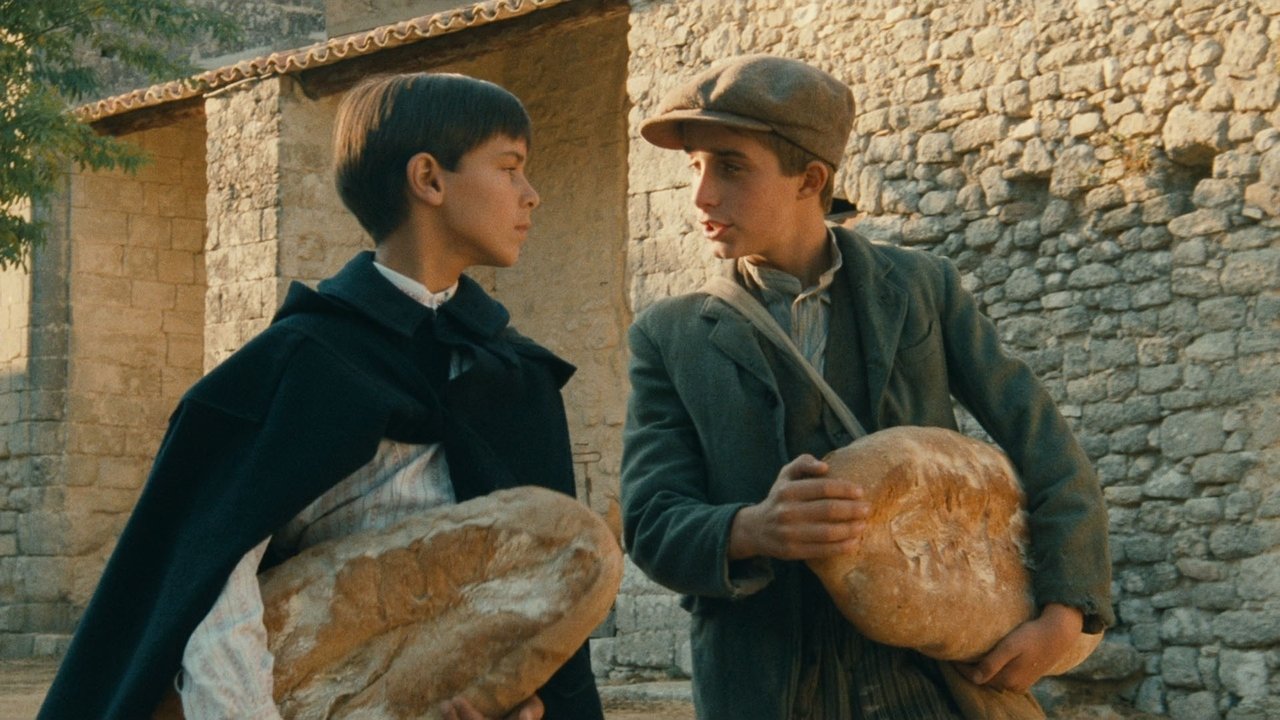
Rating: 9/10
This near-perfect score reflects the film's masterful execution of its goals. The direction is sensitive and assured, the performances are uniformly excellent (especially the core family unit), the cinematography is breathtaking, and the adaptation captures the spirit of Pagnol's work beautifully. It achieves a rare blend of gentle humor, poignant observation, and immersive atmosphere, fully justifying its place as a classic of French cinema and a truly heartwarming viewing experience.
It leaves you pondering not just Marcel's memories, but your own – those half-forgotten summer days and the figures who loomed large in your childhood world. What moments defined your father's glory?