Here’s a deep dive into a quiet gem often found nestled in the drama section of those beloved video rental stores:
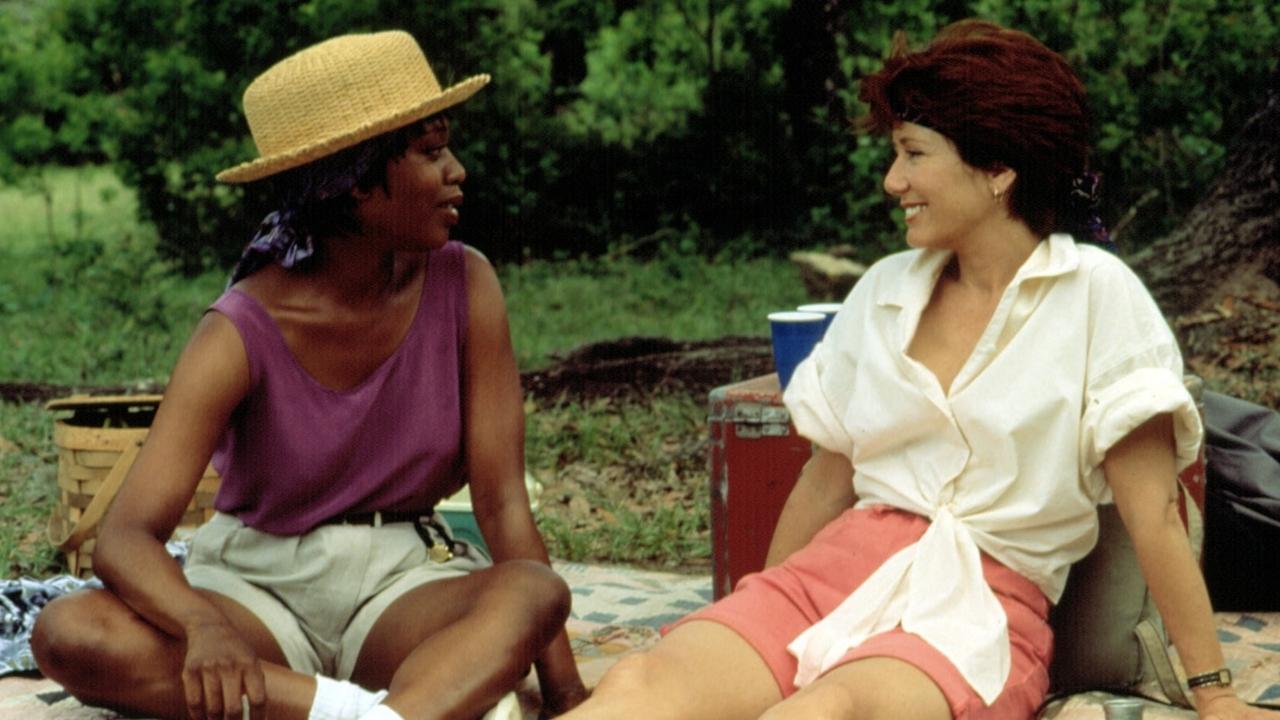
There’s a certain kind of quiet that settles over you after watching John Sayles’s Passion Fish (1992). It’s not the silence of boredom, but the resonant stillness that follows profound emotional honesty. The film doesn’t shout its themes; it lets them steep, like tea brewing in the humid Louisiana air that permeates every frame. It begins not with a bang, but with the jarring aftermath – the sharp, brittle anger of May-Alice Culhane, a soap opera actress whose vibrant life is abruptly shattered, leaving her paralyzed from the waist down and marooned back in her languid, childhood bayou home.
A Portrait of Prickly Resilience
What immediately strikes you is the unflinching portrayal of May-Alice, brought to life with searing, Oscar-nominated brilliance by Mary McDonnell. Fresh off her memorable turn in Dances with Wolves (1990), McDonnell dives deep into the character’s consuming bitterness. This isn't a sanitized Hollywood depiction of disability. May-Alice is difficult, demanding, often cruel to the succession of caregivers who attempt to navigate her volatile moods and her new, terrifying reality. She drinks heavily, wields sarcasm like a weapon, and seems determined to alienate anyone who tries to get close. It’s a raw, uncomfortable performance precisely because it feels so truthful to the rage and grief of sudden, catastrophic loss. You don't always like May-Alice, but thanks to McDonnell, you understand her pain, her fear flickering beneath the thorny exterior.
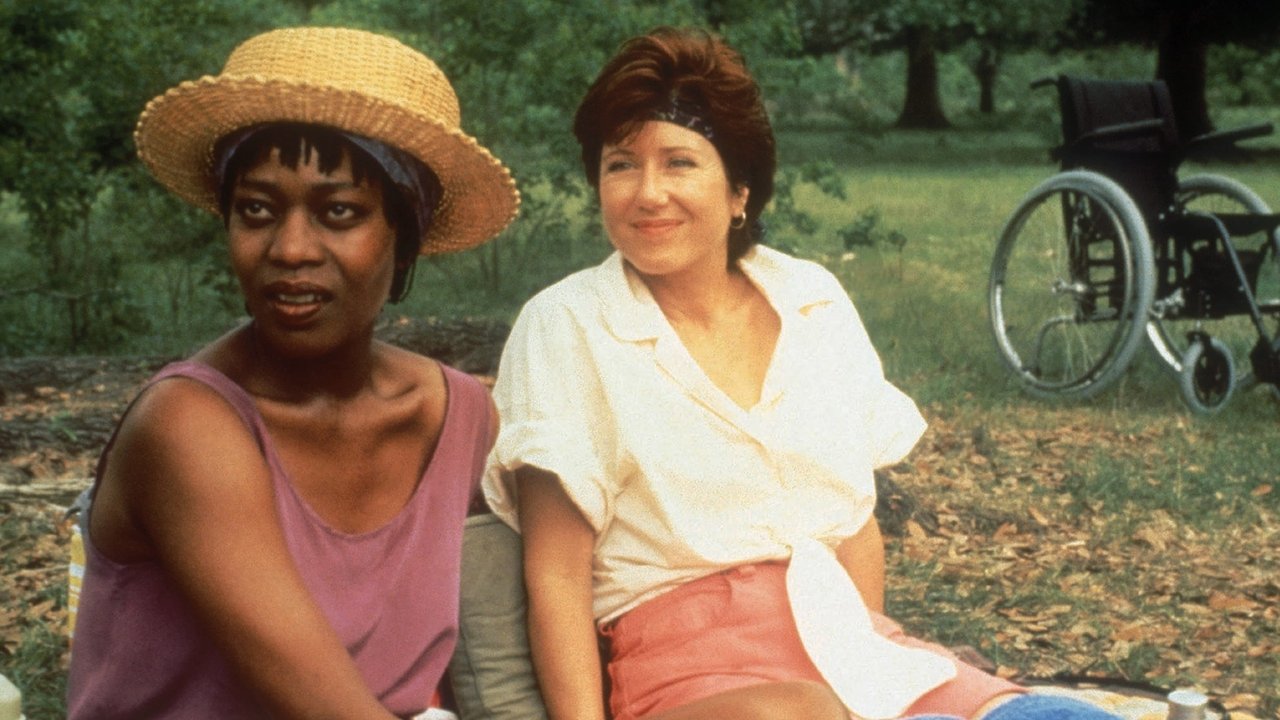
Remember finding those tapes on the shelf, the ones that didn't have explosions on the cover but promised something… substantial? Passion Fish was exactly that kind of discovery. It demanded a different kind of attention, rewarding patience with rich character development. I recall renting this one evening, perhaps looking for a change of pace from the usual action fare, and being completely drawn into its specific world.
The Arrival of Quiet Strength
The film truly finds its heart with the arrival of Chantelle, played with subtle, profound grace by Alfre Woodard (who also earned a richly deserved Oscar nomination). Chantelle is the latest in a line of nurses, but she possesses a quiet fortitude and her own carefully guarded past. Unlike her predecessors, she refuses to be easily intimidated by May-Alice's barbs. Woodard, a versatile actress we knew from films like Scrooged (1988) and later in Primal Fear (1996), imbues Chantelle with a watchful intelligence and a deep well of empathy hidden beneath a professional reserve. The dynamic between these two women forms the core of the film – a slow, tentative dance of shifting power, shared vulnerability, and the gradual forging of an unlikely, deeply affecting bond. Their scenes together are masterclasses in nuance, relying less on overt declarations and more on shared glances, subtle shifts in tone, and the weight of unspoken histories.
Sayles's Authentic Vision
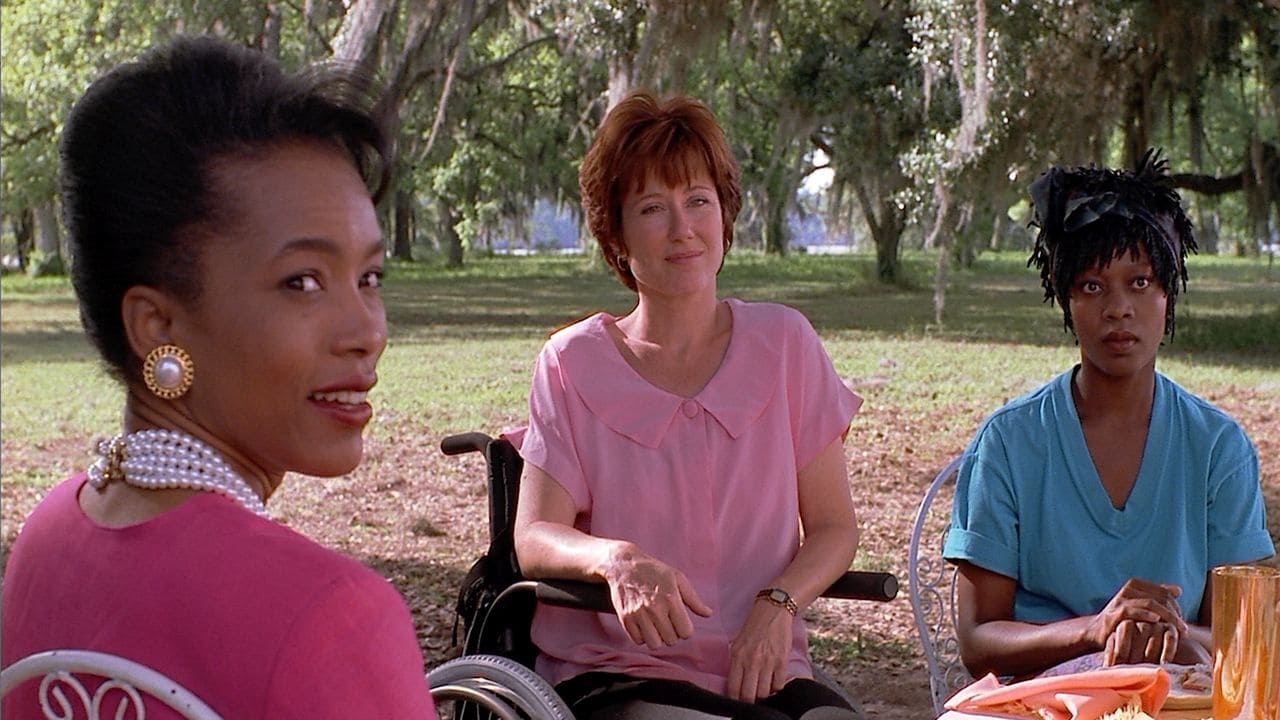
This authenticity is pure John Sayles. Known for his fiercely independent spirit and his focus on regional stories and complex characters (think Matewan (1987) or later, Lone Star (1996)), Sayles wrote, directed, and even edited Passion Fish. He famously operates outside the studio system, often financing films himself or through unconventional means, allowing him complete creative control. This film, shot on location around Lake Charles, Louisiana, feels steeped in its environment. The humidity seems to cling to the screen, the pace mirrors the slow drift of a boat through the bayou, and the dialogue crackles with regional specificity. Fun fact: Sayles often brings back actors he trusts, and David Strathairn, who appears here as Rennie, May-Alice's old flame with his own quiet complexities, is a frequent collaborator, appearing in many of Sayles’s projects. It’s this commitment to place and character that makes Passion Fish feel less like a movie and more like eavesdropping on real lives.
The production itself mirrored this grounded approach. With a relatively modest budget (around $3.5 million), the focus was entirely on performance and atmosphere. Mary McDonnell reportedly spent considerable time researching paraplegia, meeting with individuals living with paralysis to ensure her portrayal was respectful and physically convincing within the confines of the narrative. It wasn't about flashy effects; it was about capturing the emotional and physical reality of the situation.
Beyond the Bayou
While the central relationship is paramount, the film subtly explores broader themes. It touches upon confronting the past, the complexities of caregiving (both giving and receiving), finding connection in isolation, and the ways hidden traumas shape our present. It asks, how do we redefine ourselves when the life we knew is irrevocably altered? What does it take to let another person truly see our vulnerabilities? The "passion fish" of the title, a local species, serves as a quiet metaphor – creatures adapted to their environment, perhaps holding unseen depths, much like the characters themselves.
The film doesn't offer easy answers or miraculous cures. The healing depicted is gradual, messy, and incomplete, focused more on emotional acceptance than physical recovery. It’s about finding a way to live within limitations, discovering unexpected sources of strength, and the quiet power of human connection to pull us back from the brink.
Rating: 9/10
Passion Fish earns a strong 9 for its exceptional, deeply felt performances from Mary McDonnell and Alfre Woodard, John Sayles's masterful, character-driven script and direction, and its evocative sense of place. The deliberate pacing might test some viewers accustomed to faster narratives, but the emotional payoff is immense and profoundly moving. This isn't just a "disease of the week" movie; it's a nuanced, beautifully acted exploration of resilience, friendship, and the difficult, necessary work of rebuilding a life.
It remains a standout example of American independent filmmaking from the early 90s – a quiet, powerful film that lingers long after the VCR clicked off, reminding us of the extraordinary stories found in seemingly ordinary lives.