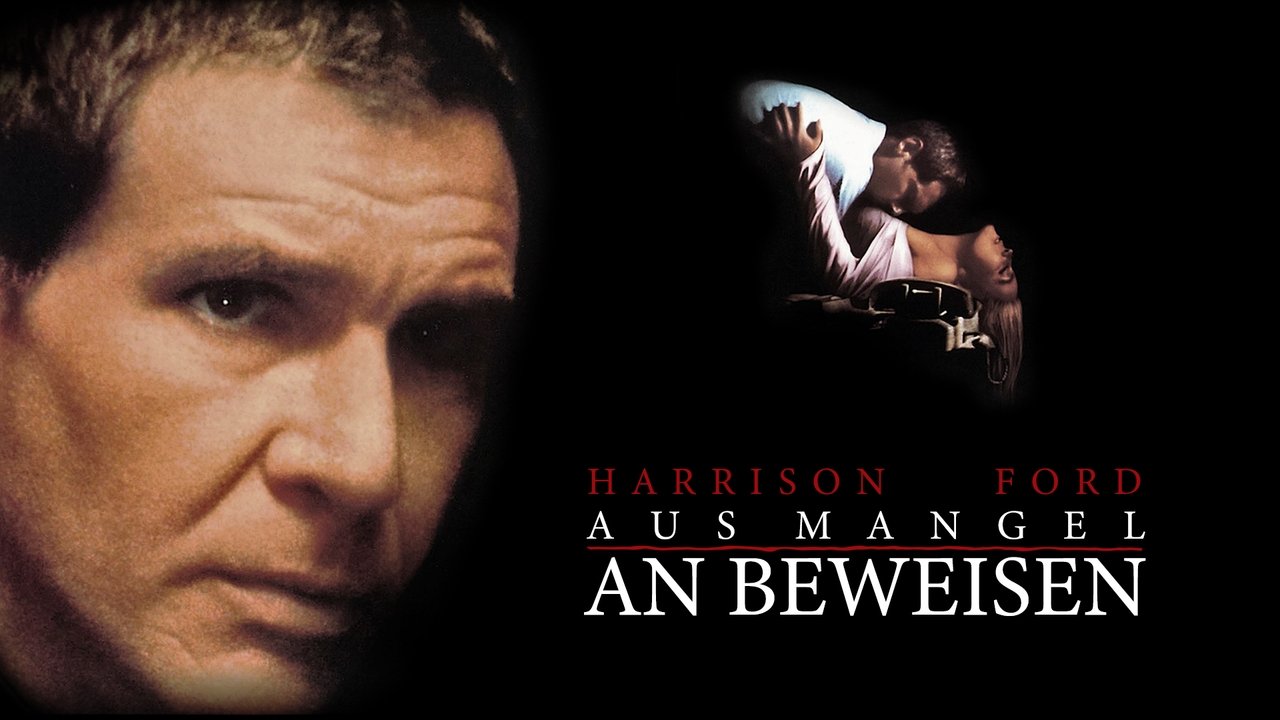
There's a certain weight to some films, isn't there? A kind of atmospheric pressure that settles in from the opening frames and rarely lets up. Watching Alan J. Pakula's Presumed Innocent (1990) again, decades after first sliding that tape into the VCR, that feeling is immediate and palpable. It’s not just the gloom of its fictional Kindle County setting, often shrouded in rain and shadow by the masterful cinematographer Gordon Willis (Pakula's frequent collaborator, lensing classics like All the President's Men and The Godfather trilogy), but the crushing weight of secrets, ambition, and the terrifying possibility that the institutions meant to uphold justice are just as susceptible to human frailty as the rest of us.
The Burden of Suspicion
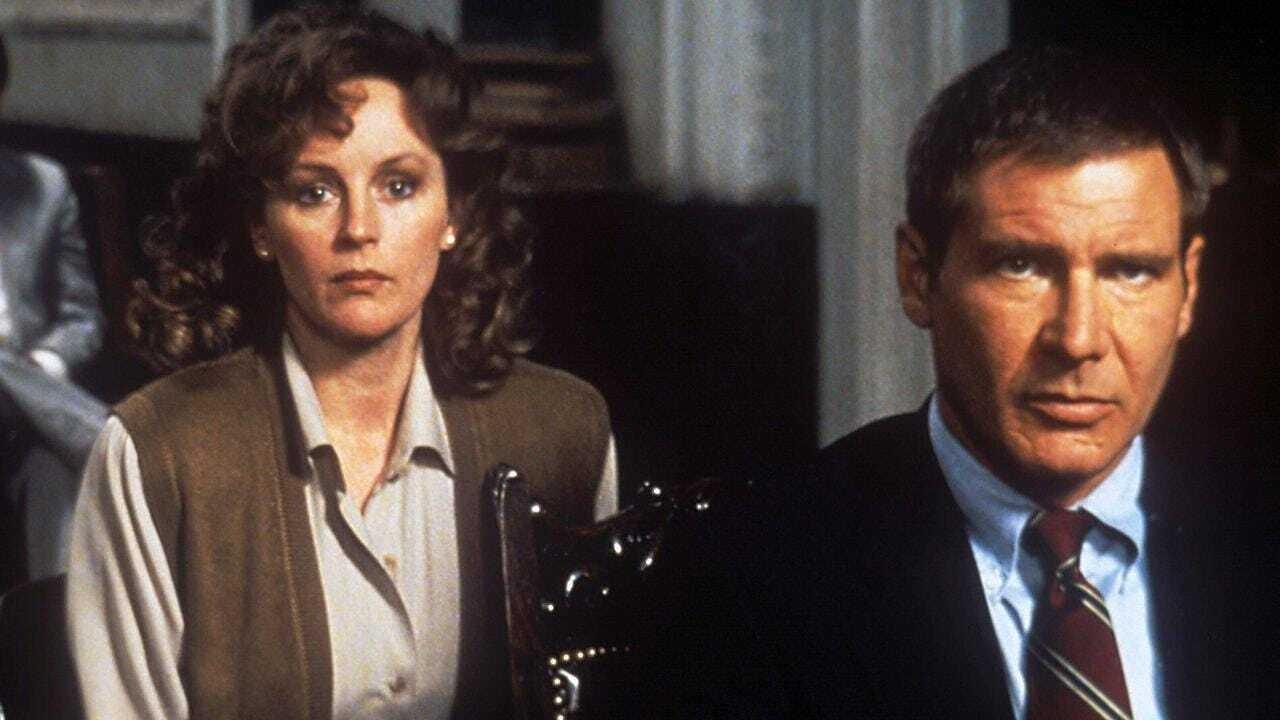
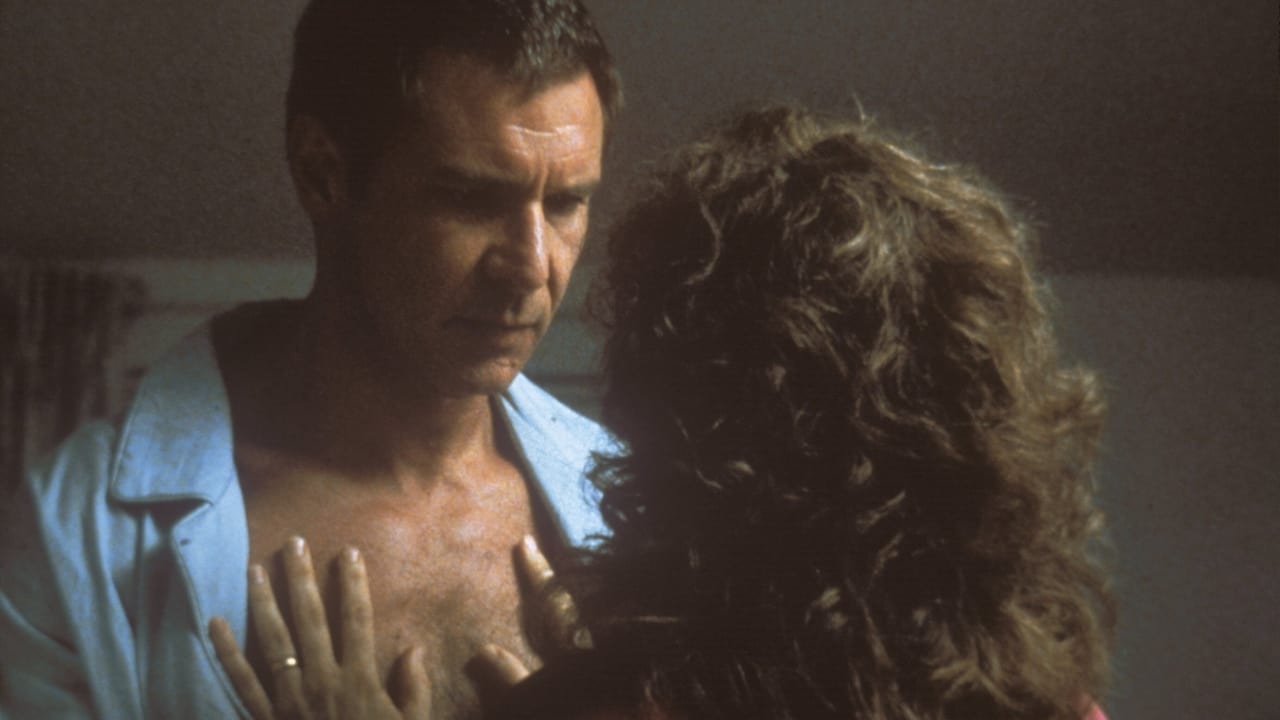
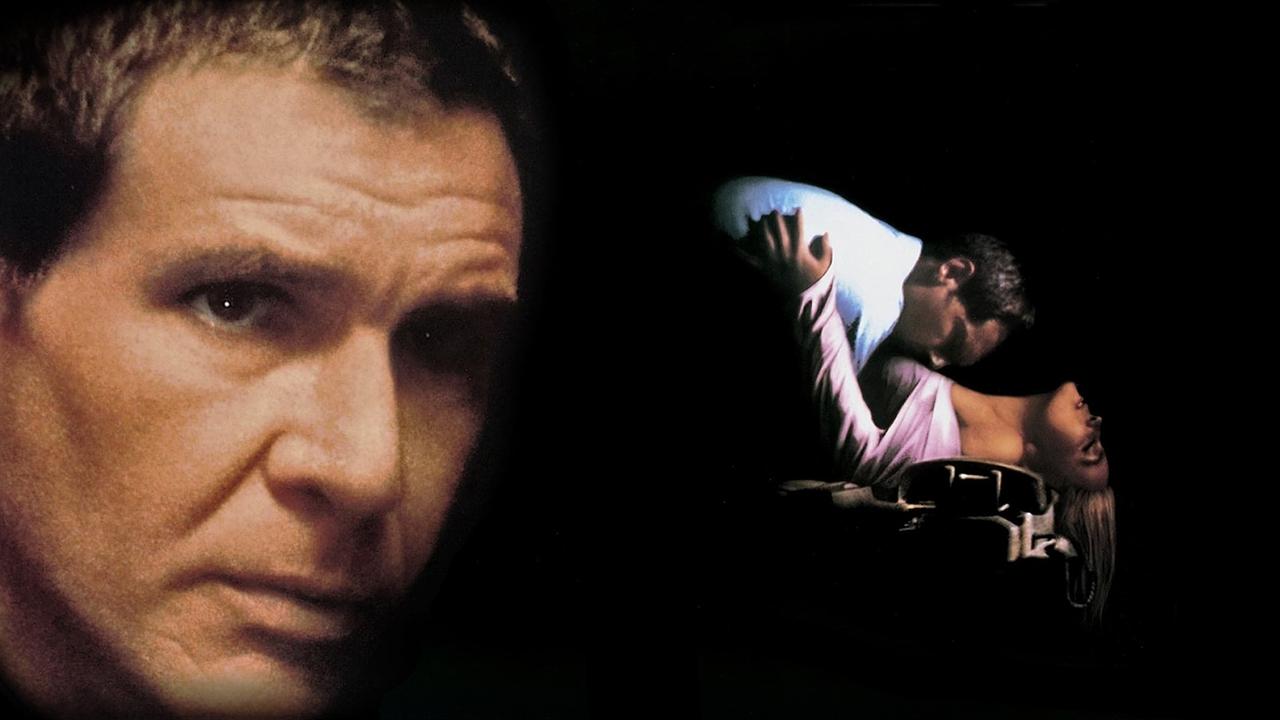
Based on Scott Turow's powerhouse bestseller, the film plunges us into the life of Rusty Sabich (Harrison Ford), a chief deputy prosecutor who finds himself assigned to the murder case of his colleague, the ambitious and alluring Carolyn Polhemus (Greta Scacchi). The complication? Rusty had a consuming, damaging affair with her, a secret that quickly unravels as evidence begins to point directly his way. Suddenly, the prosecutor becomes the prosecuted, his life, career, and family – particularly his watchful, wounded wife Barbara (Bonnie Bedelia) – thrown into a maelstrom of legal battles and public scrutiny.
This isn't the Harrison Ford of Star Wars or Indiana Jones. Gone is the easy charm and heroic certainty. In its place, Ford delivers one of his most compelling and restrained performances. He embodies Rusty's mounting desperation, his tightly controlled panic, and the profound ambiguity that hangs over him. Is he an innocent man railroaded by political enemies and circumstance, or is there a darkness lurking beneath his professional facade? Ford makes you believe both possibilities simultaneously, capturing the deer-in-headlights terror of a man whose carefully constructed life is collapsing around him. It's a performance defined by nuance – a flicker in the eyes, a tightening jaw – that feels utterly authentic to the character's predicament. Reportedly, Kevin Costner was among those considered before Ford took the role, but it's hard now to imagine anyone else navigating Rusty's precarious tightrope walk so effectively.
A Masterclass in Tension
Alan J. Pakula was no stranger to paranoia and institutional decay, having previously given us masterpieces like Klute (1971) and All the President's Men (1976). Here, he applies that same meticulous, unhurried style to the legal thriller genre. The film doesn't rely on shootouts or car chases; its tension is built through hushed conversations in sterile offices, charged glances across crowded courtrooms, and the slow, deliberate accumulation of damning evidence. Pakula understands that the real drama lies in the internal struggles of his characters and the labyrinthine nature of the legal system itself. He creates a claustrophobic world where reputations are fragile, alliances shift like sand, and the truth remains agonizingly elusive.
Adding immeasurably to this atmosphere is the score by John Williams. Known for his soaring, iconic themes, Williams here provides something far more subtle and unsettling – a low, ominous pulse that underscores the dread and moral ambiguity without ever overwhelming the drama. It’s a perfect example of a composer tailoring his immense talent precisely to the needs of the film.
A Courtroom Full of Heavyweights
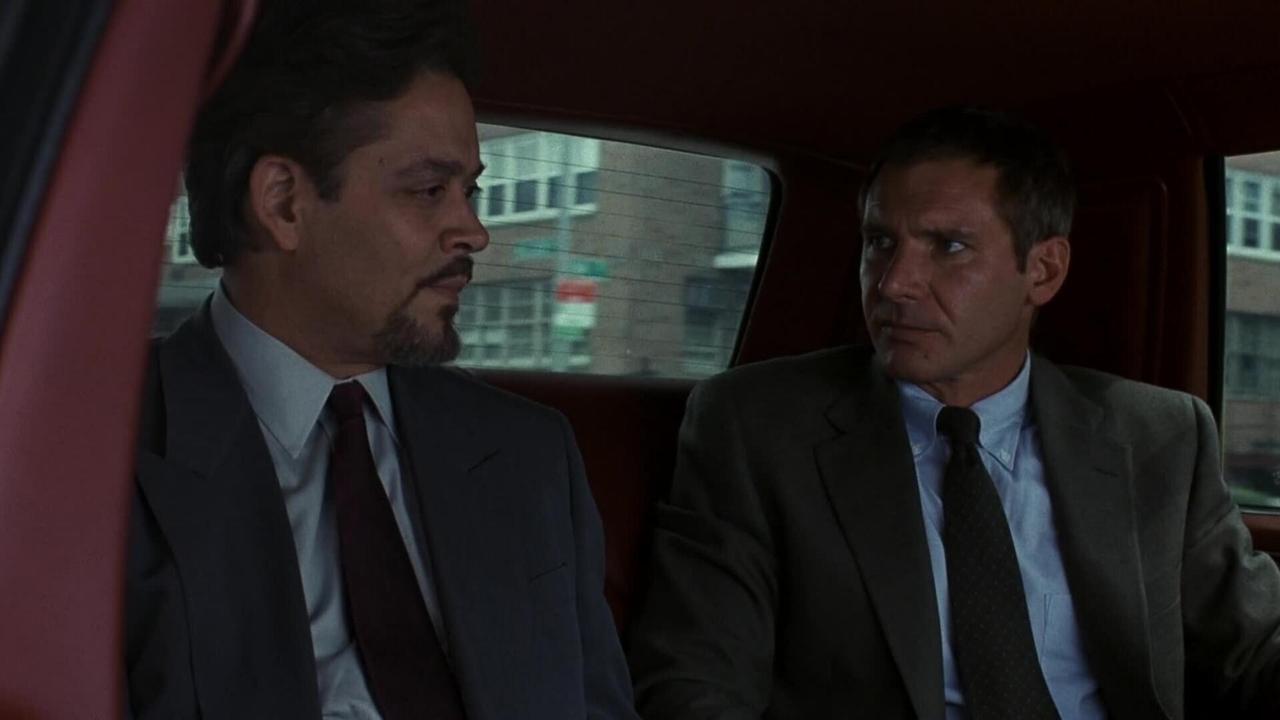
Beyond Ford's central performance, Presumed Innocent boasts an ensemble cast that elevates the material significantly. Brian Dennehy is perfectly cast as Raymond Horgan, Rusty's conflicted boss, a man torn between loyalty and political expediency. His scenes with Ford crackle with unspoken history and simmering resentment. Bonnie Bedelia, often relegated to supporting wife roles, gets substantial material here, portraying Barbara Sabich not just as a victim but as a complex figure with her own hidden depths and quiet strength.
And then there's Raul Julia as Alejandro "Sandy" Stern, Rusty's defense attorney. In a film full of stellar work, Julia delivers a performance for the ages. Urbane, intelligent, and utterly commanding, Stern glides through the courtroom with an almost theatrical grace, yet beneath the polished exterior lies a razor-sharp legal mind. Julia reportedly spent time observing real defense lawyers to prepare, and it shows in the precision and authority he brings to the role. His cross-examinations are riveting displays of controlled intellectual combat. It’s a performance that reminds us what a profound talent was lost when Julia passed away just a few years later.
Secrets and Shadows
Filmed largely in Detroit and parts of New Jersey, standing in for the fictional Kindle County, Pakula uses the locations to enhance the film's somber mood. The corridors of power feel cold and impersonal, the courtroom imposing and judgmental. This meticulous attention to detail, combined with the knotty plot, resulted in a significant critical and commercial success – pulling in over $220 million worldwide on a $20 million budget (that's over half a billion in today's dollars, proving sophisticated adult thrillers could be major hits).
The film forces us to confront uncomfortable questions. How far would we go to protect ourselves? What secrets fester beneath the surface of seemingly normal lives? Can the legal system truly discern truth when ambition, ego, and personal vendettas cloud the process?
[Potential Spoiler Hint Ahead]
Without giving away the genuinely shocking resolution (which deviates slightly from the novel's specifics but retains its core impact), the ending reinforces the film's central theme: the terrifying unknowability of the human heart, even within the supposed sanctity of marriage. It leaves you pondering the nature of guilt, innocence, and the devastating consequences of obsession long after the credits roll.
***
Presumed Innocent remains a benchmark for the intelligent adult thriller. It doesn't offer easy answers or clear-cut heroes. Instead, it presents a complex moral landscape populated by deeply flawed individuals caught in a web of their own making. The performances are uniformly excellent, Pakula's direction is assured and atmospheric, and the story grips you with its slow-burn intensity. It’s the kind of film that rewards repeat viewings, revealing new layers of meaning and character complexity each time.
Rating: 9/10 - This score reflects the film's masterful direction, powerhouse performances (especially Ford and Julia), suffocating atmosphere, and intelligent handling of complex themes. It's a top-tier legal thriller that avoids genre clichés, delivering sustained tension and genuine dramatic weight. The deliberate pacing might test some viewers accustomed to faster fare, but it's essential to the film's unnerving power.
It’s a film that stays with you, a reminder from the VHS era that thrillers could be thoughtful, character-driven, and deeply unsettling, leaving you questioning not just the verdict, but the very nature of truth itself.