It's a curious thing, revisiting certain films years later. Sometimes, the magic has faded, the edges softened by time. Other times, a film hits with even greater force, its complexities deepening with our own accumulated experience. Watching Woody Allen's 1997 film Deconstructing Harry again recently, after retrieving that well-worn VHS tape from the back of the shelf, felt firmly like the latter. This isn't the warm, neurotic embrace of Annie Hall (1977) or the charming fantasy of The Purple Rose of Cairo (1985). No, this is Allen turning the scalpel inward, performing a kind of cinematic auto-vivisection that remains startlingly raw and darkly funny.
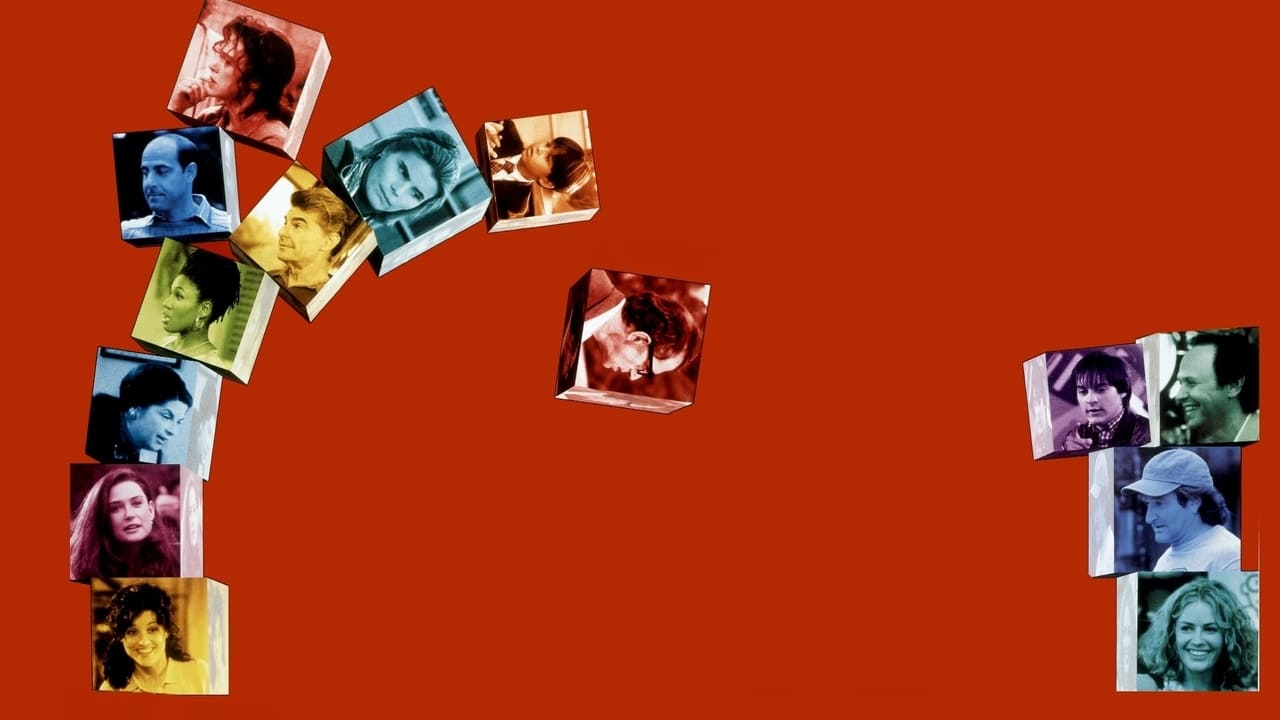
The film presents us with Harry Block (Woody Allen), a successful novelist whose personal life is a shambles directly mirrored, often exploited, in his fiction. His characters spill into his reality, past lovers and fictional creations mingling in a chaotic, often hilarious, sometimes deeply uncomfortable narrative tapestry. Preparing to receive an honorary award from his old university – an institution that once expelled him – Harry embarks on a road trip, dragging along a reluctant friend (Richard Benjamin), a kidnapped son, and a good-natured prostitute (Hazelle Goodman), all while confronting the ghosts of relationships past, vividly brought to life through flashbacks and surreal intrusions from his own stories.
A Portrait of the Artist as a Self-Confessed Monster
What immediately strikes you about Deconstructing Harry is its sheer, unvarnished honesty – or perhaps, its meticulously crafted performance of honesty. Allen plays Harry not as a lovable rogue, but as a deeply flawed, often reprehensible man: selfish, deceitful, obsessed with sex, and seemingly incapable of genuine connection untainted by his need for creative fodder. Is this confession, or is it a preemptive strike, owning the criticisms before others can level them? The film doesn't offer easy answers, forcing us instead to grapple with the uncomfortable relationship between art and the artist's life. Can great work emerge from a troubled soul? Does the brilliance of the creation excuse the behaviour of the creator? These aren't new questions, but Allen poses them here with a ferocity and self-implication that feels particularly pointed, especially given the timing of the film's release in the late 90s amidst renewed focus on his personal life.
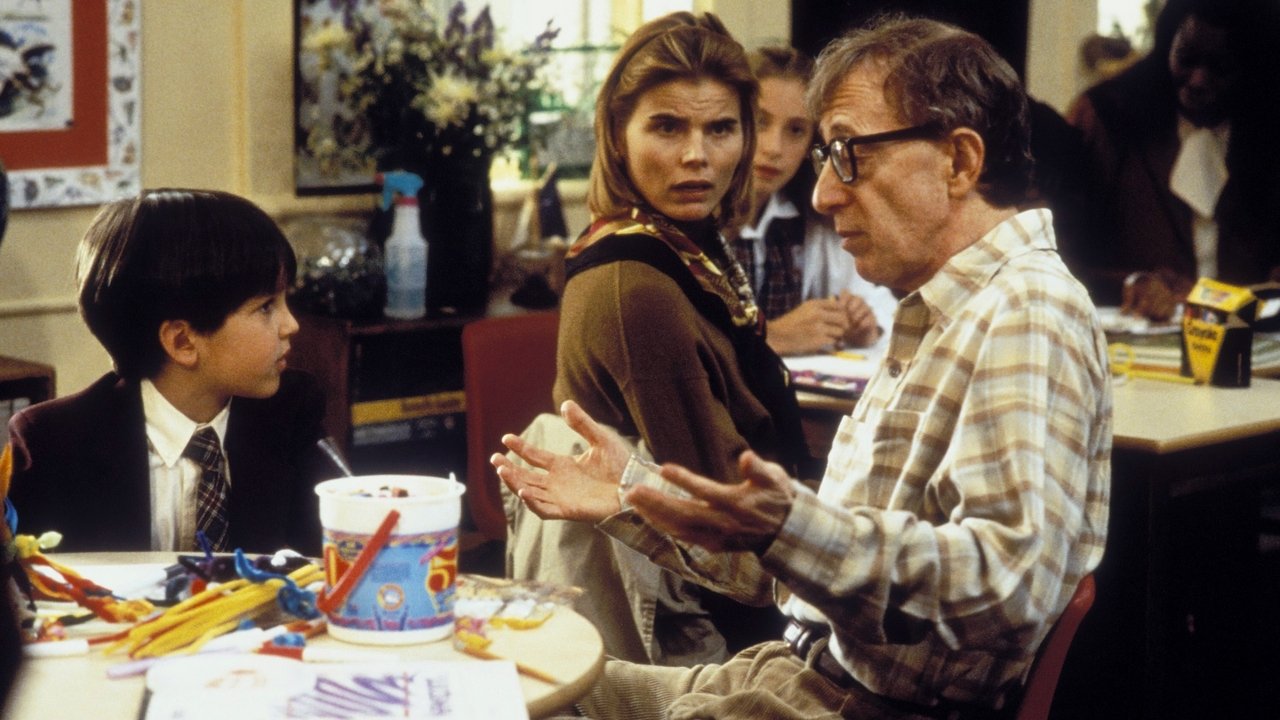
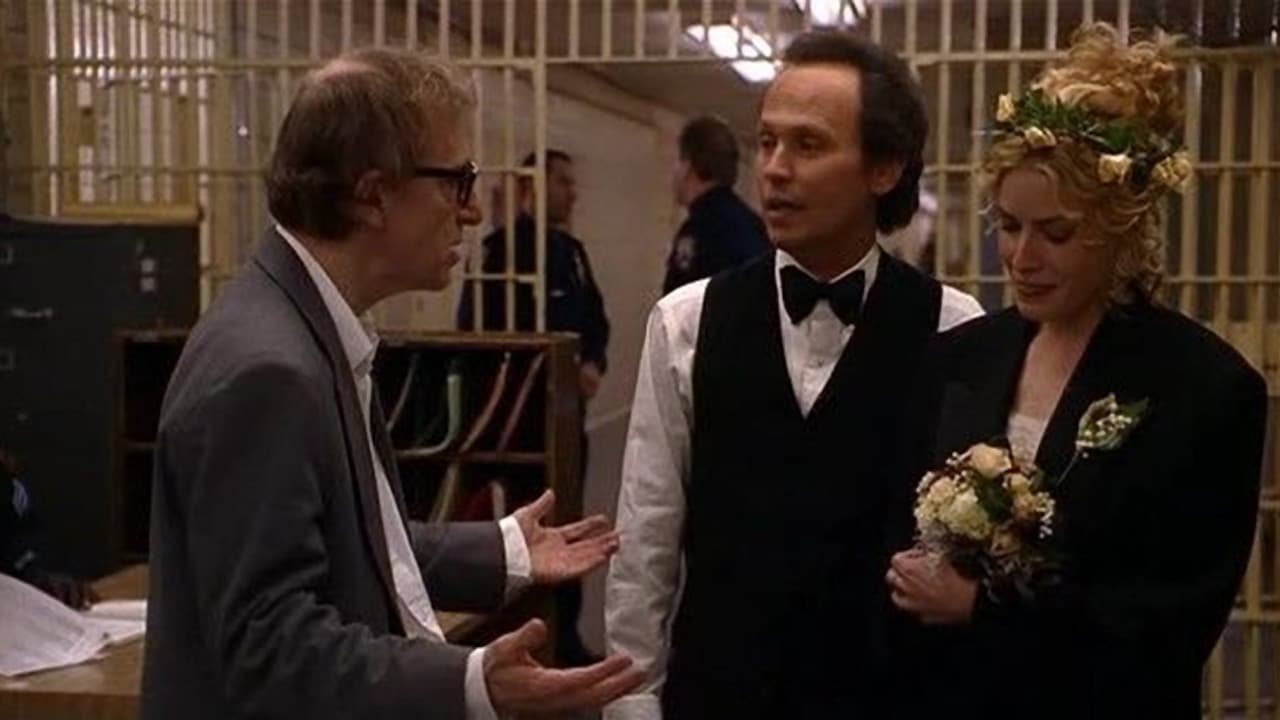
The structure itself is a marvel of controlled chaos, mirroring Harry's fractured psyche. Allen, who also wrote the screenplay, seamlessly blends past and present, reality and fiction. Characters from Harry's novels literally walk into scenes, offering advice or condemnation. One minute we're in Harry's messy apartment, the next we're inside a lurid story (Billy Crystal playing a version of Harry grappling with the Devil, played with relish by Julia Louis-Dreyfus in a fiery cameo), or descending with Harry into a visually striking representation of Hell inspired by Dante, populated by his literary and literal demons. This fragmented approach, while potentially disorienting, perfectly captures the sense of a man whose life and work have become hopelessly, perhaps deliberately, entangled. It reportedly took considerable effort in the editing room to make these shifts feel fluid rather than jarring.
A Cavalcade of Scorned Women (and Stellar Performances)
Surrounding Allen's central performance is an astonishing ensemble cast, many portraying women Harry has wronged and subsequently written about, thinly disguised. Judy Davis, nominated for an Oscar for her searing work in Allen's Husbands and Wives (1992), is volcanically brilliant as Lucy, a jilted lover whose fury practically melts the screen. Kirstie Alley delivers a memorable turn as Joan, Harry's psychiatrist ex-wife, تحليل his myriad neuroses with weary precision. Elisabeth Shue brings a poignant vulnerability to Fay, a younger woman caught in Harry's orbit, while Demi Moore appears as a fictionalized version of one of his wives, trapped in an Orthodox Jewish household. Even smaller roles crackle, like Robin Williams appearing, quite literally, out of focus – a technical glitch during filming that Allen decided to keep, feeling it perfectly captured the character's existential blur. This anecdote speaks volumes about Allen's willingness to embrace imperfection if it serves the thematic purpose. These performances aren't just cameos; they embody the emotional wreckage left in Harry's wake, giving potent voice to the consequences of his self-absorption.
Beyond the Controversy: A Film of Ideas
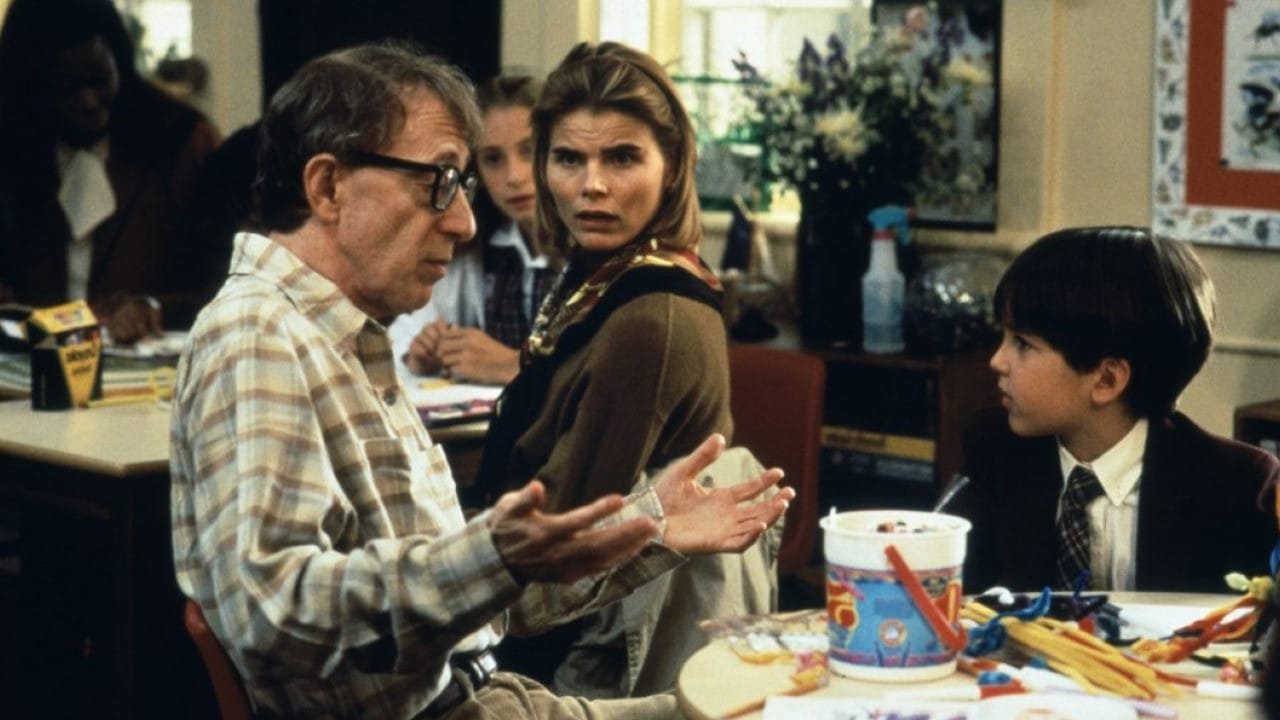
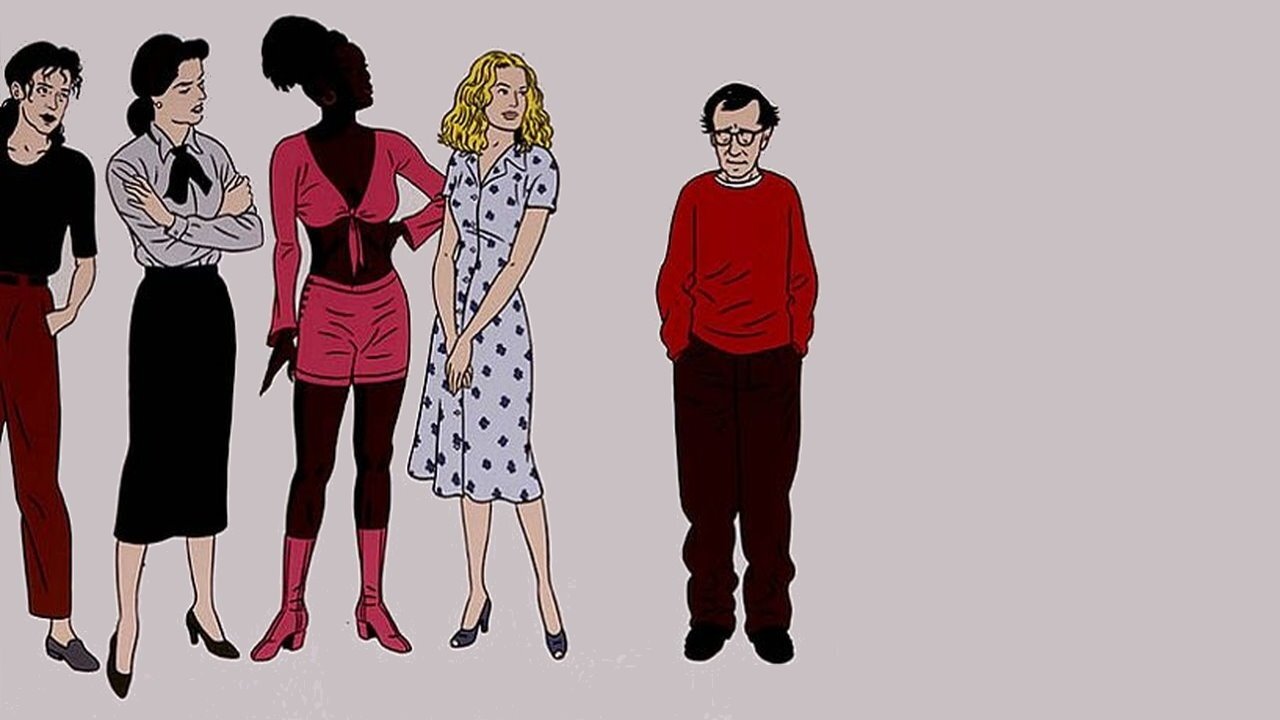
It's impossible to discuss Deconstructing Harry without acknowledging its confrontational nature. The language is coarser, the situations more explicit, and the central character far less sympathetic than in much of Allen's previous work. Some critics at the time found it excessively bitter, even self-pitying. Made for around $20 million, its US box office take was a modest $10.7 million, suggesting audiences perhaps weren't entirely ready for this level of acidity from Allen. Yet, looking back, the film feels like a necessary, almost cathartic expulsion for the filmmaker. It tackles profound themes – mortality, the ethics of storytelling, the search for meaning in a seemingly godless universe, the complexities of Jewish identity – with intellectual rigor wrapped in razor-sharp wit. The film feels heavily influenced by European cinema, particularly Fellini's 8 1/2 (1963), another portrait of a creatively blocked artist grappling with his past and fantasies.
Does the film excuse Harry's behaviour? Not really. Does it make us uncomfortable? Absolutely. And perhaps that's the point. It forces a confrontation, not just with Harry Block or Woody Allen, but with the often-messy reality that talent and moral virtue don't always align. Renting this from Blockbuster back in the day definitely sparked some intense post-movie debates among friends, didn't it?
Rating: 8/10
This score reflects the film's undeniable craft, its brilliant, often hilarious writing, the stellar ensemble cast, and its sheer audacity. It's a challenging, sometimes abrasive watch, and its meta-commentary on Allen himself can be uncomfortable territory. However, its structural inventiveness and fearless exploration of difficult themes make it one of Allen's most complex and enduring works from the 90s. It loses points perhaps for its relentless cynicism, which can verge on overwhelming, and the central performance, while brave, walks a fine line close to self-indulgence.
Deconstructing Harry isn't comfort food cinema; it's a strong shot of something bitter and complex, lingering long after the credits roll. It remains a potent reminder that sometimes the most compelling stories are the ones that dare to show the artist, warts and all.