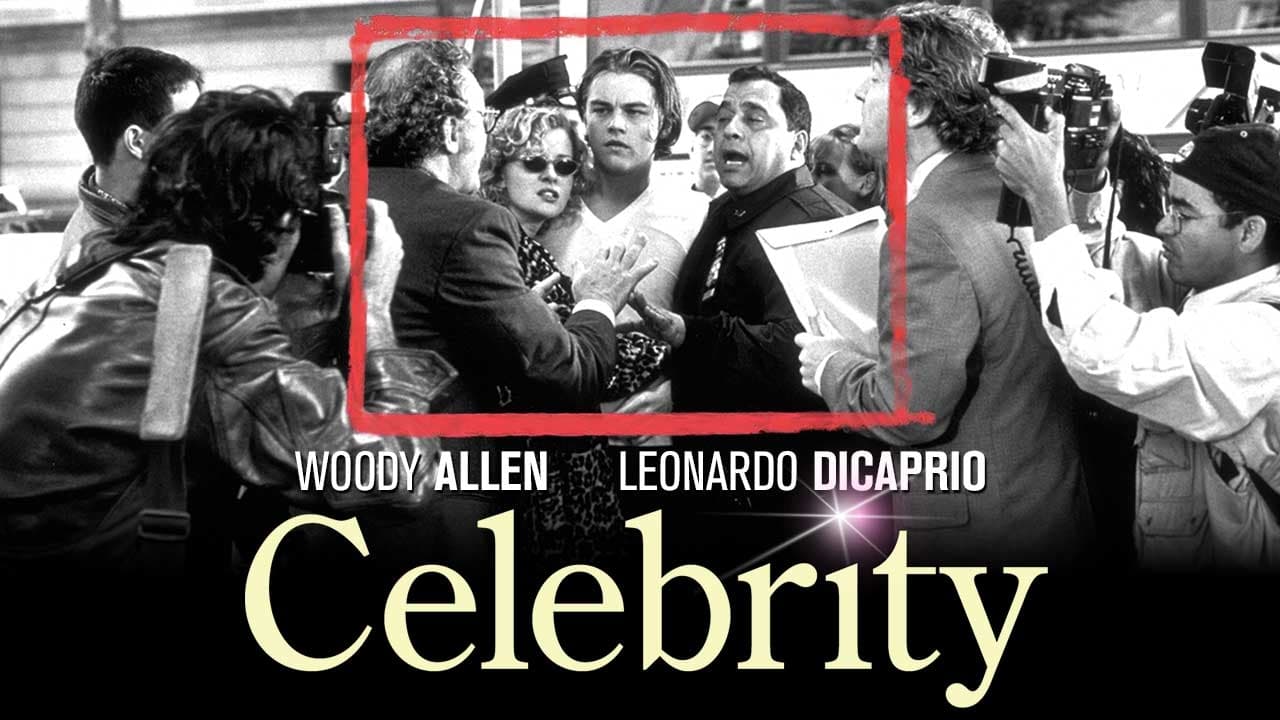
There's a certain visual statement made when a filmmaker in the vibrant, often oversaturated late 90s chooses to shoot in black and white. It immediately sets a film apart, doesn't it? Pulling Woody Allen's Celebrity (1998) off the shelf back in the day, maybe nestled between brightly coloured action flicks and teen comedies at the video store, that monochrome cover felt like a deliberate pause, a signal that this wasn't going to be business as usual. It promised something perhaps more timeless, or maybe just more self-consciously artistic. And in many ways, the film delivers on that visual promise, even if the journey it takes us on feels undeniably, sometimes uncomfortably, familiar.
Shades of Grey in a Colourful World
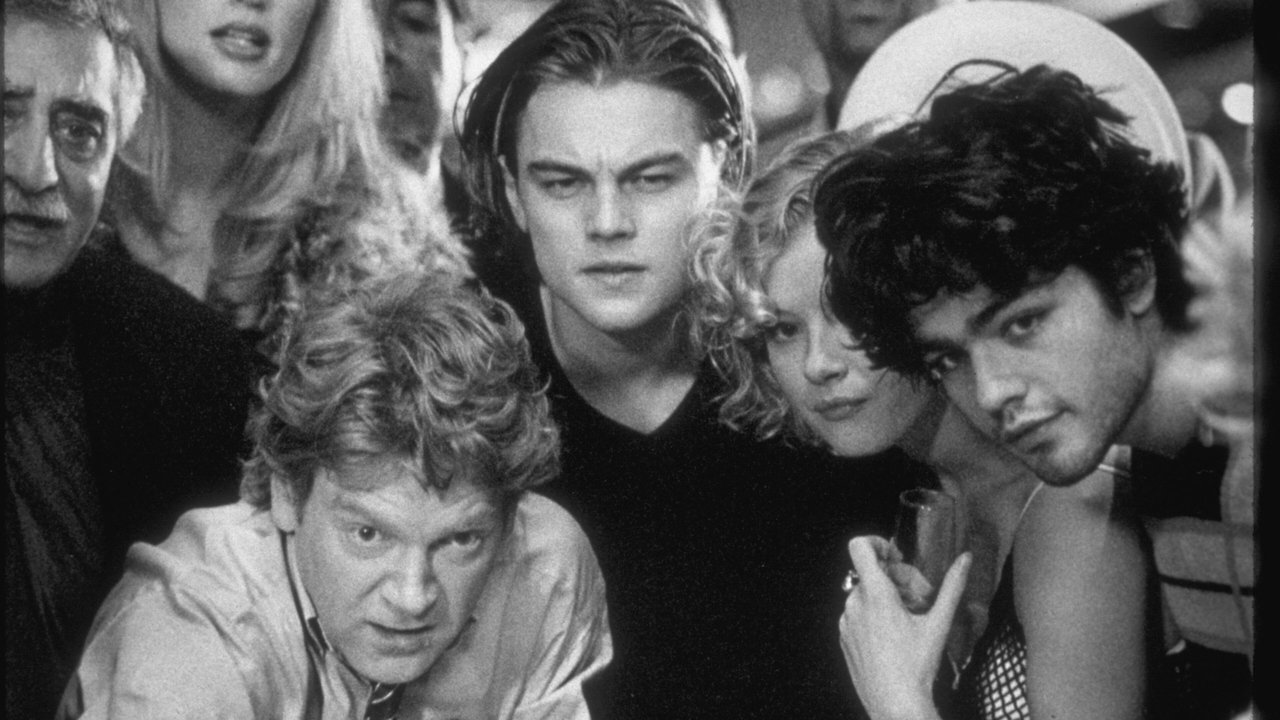
Shot by the legendary Sven Nykvist, a master cinematographer famed for his profound work with Ingmar Bergman, Celebrity looks stunning. The black and white photography lends a classic, almost melancholic beauty to the New York City backdrop Allen knows so well. It captures the rain-slicked streets, the opulent interiors of high-society parties, and the frantic energy of film sets with a kind of detached elegance. This visual style creates an interesting tension with the subject matter – the often shallow, desperate, and garish world of modern fame. It’s a world navigated, or rather stumbled through, by Lee Simon, played by Kenneth Branagh. Lee is a journalist turned aspiring novelist/screenwriter, perpetually chasing the next big break, the next affair, the next validation from the very world he seems to critique.
The Allen in the Room
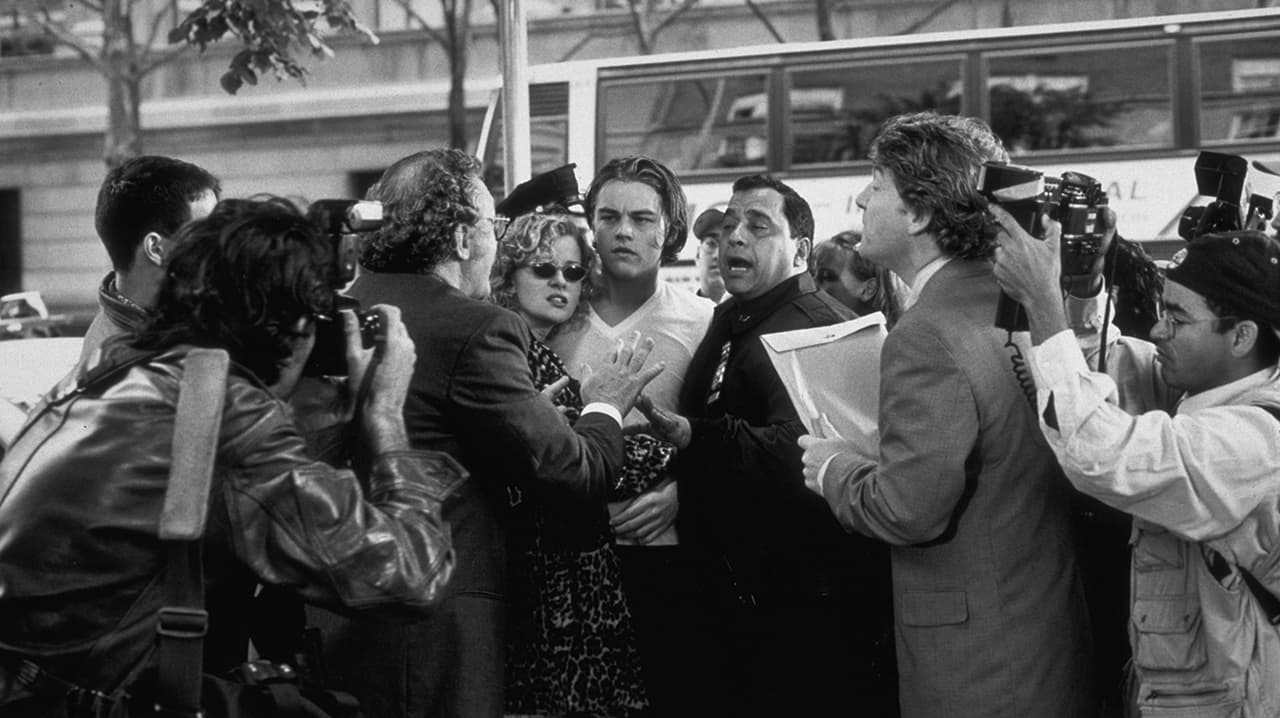
Let's address the most immediate and unavoidable aspect of the film: Kenneth Branagh isn't just playing a neurotic New York writer grappling with existential angst and romantic failure; he's doing a startlingly precise Woody Allen impression. The vocal patterns, the nervous energy, the stammering delivery – it's all there. It's a performance that dominates the film and has always been its most debated element. Was it a deliberate choice by Allen, perhaps a meta-commentary or a way to distance himself slightly? Or was it Branagh, fresh off directing and starring in his own ambitious Shakespearean adaptations like Hamlet (1996), perhaps overthinking the 'Woody Allen archetype'? Sources suggest Allen gave minimal direction on this, leaving Branagh to interpret. Regardless of intent, it's undeniably distracting. It pulls you out of the character's specific journey and forces you to constantly register the mimicry. Does it completely derail the film? For some, perhaps. For others, it becomes a fascinating, if slightly bizarre, layer to the whole experience. Retro Fun Fact: Apparently, Alec Baldwin was initially considered for the role, which certainly makes you wonder what kind of film that might have been.
A Constellation of Cameos
Like many Allen films, Celebrity employs an episodic structure, following Lee's encounters with various figures orbiting the sun of fame. His ex-wife, Robin (Judy Davis, absolutely crackling with her signature neurotic energy), embarks on her own journey, finding unexpected success and a more grounded relationship after leaving Lee's chaotic orbit. Davis is, as always, a magnetic screen presence, providing a necessary counterpoint to Lee's flailing.
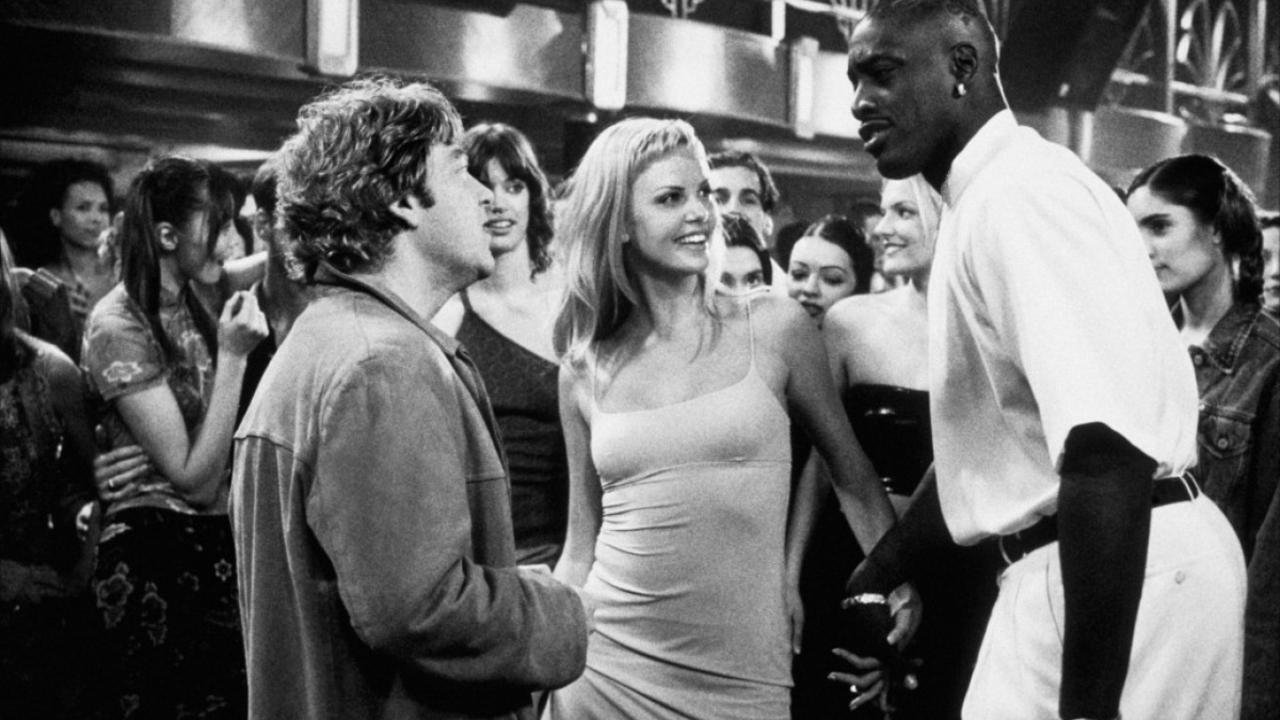
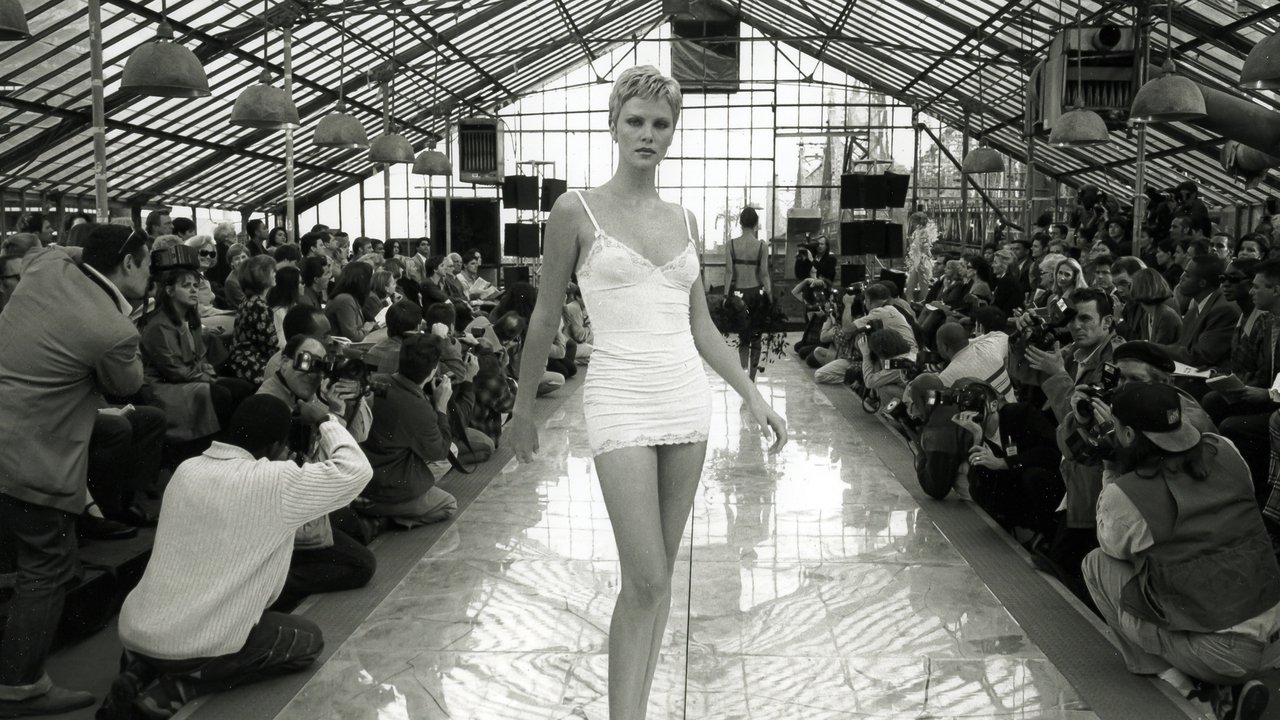
And then there are the stars. The film is perhaps most remembered now for Leonardo DiCaprio's blistering cameo as Brandon Darrow, a volatile, hotel-trashing young movie star. Filmed hot on the heels of his Titanic (1997) superstardom, DiCaprio tears into the role with a ferocious energy that feels both terrifying and darkly comic – a brief, potent glimpse of the powerhouse actor he was solidifying himself as. It’s a standout sequence. Elsewhere, we see Charlize Theron embodying aloof supermodel beauty, Winona Ryder as a guarded actress Lee tries to woo, and Melanie Griffith as a surgically enhanced star seeking script advice. These encounters often feel like vignettes, showcasing different facets of the celebrity machine – its allure, its absurdity, its soul-crushing demands. Another Retro Fun Fact: The masterful Sven Nykvist was battling declining eyesight during filming, relying heavily on his trusted assistants to achieve the film's crisp look, a testament to his enduring artistry.
Familiar Echoes, Fading Resonance?
Thematically, Celebrity treads ground Allen has explored extensively before and since: the emptiness of fame, the fickle nature of love, marital dissatisfaction, the search for authenticity in a superficial world. Comparisons to Fellini's La Dolce Vita (1960) are almost unavoidable, given the structure and subject matter. The question is, does Celebrity add much to the conversation? For dedicated Allen fans, there are moments of sharp observation and witty dialogue. Robin's storyline, in particular, offers a more satisfying arc than Lee's often repetitive quest. Yet, Lee's journey can feel like Allen is revisiting old haunts without discovering much new territory. The cynicism about fame feels potent, but perhaps less revelatory than in some of his earlier works like Stardust Memories (1980). It captures a specific late-90s moment, a kind of pre-social media weariness with the cult of personality, but does it resonate deeply beyond that?
The Verdict on the VHS Shelf
Watching Celebrity today evokes that feeling of browsing the "New Releases" wall, spotting the familiar Woody Allen name and the striking B&W cover, and taking a gamble. It wasn't one of his universally acclaimed hits; critical reception at the time was decidedly mixed, often snagging on the Branagh impression. It’s a film with undeniable craft – the cinematography is gorgeous, and the supporting cast, especially Davis and DiCaprio, deliver memorable moments. Yet, it feels somewhat minor in the grand scheme of Allen's prolific output, hampered by the central performance choice and a sense of thematic déjà vu. It’s like a meticulously crafted echo of greater works.
Rating: 6/10
The score reflects the film's technical polish, Nykvist's beautiful cinematography, and standout supporting turns, particularly from Davis and DiCaprio. However, it's held back by the distracting central performance from Branagh and a feeling that we've walked these thematic streets with Allen before, often with more compelling results.
Ultimately, Celebrity remains a fascinating artifact of late-90s filmmaking and a curious entry in Allen's canon. It asks us to look at the glittering world of fame and see the shadows, but perhaps the most lingering question it leaves is about its own reflection – why choose such a specific, imitative voice to tell this particular story?