Stepping back into 1989 with New York Stories feels a bit like opening a time capsule containing three distinct, sealed letters addressed to the city itself. It wasn't just a movie night back then; renting this tape felt like an event. You had three heavyweight directors – Martin Scorsese, Francis Ford Coppola, and Woody Allen – each offering their unique slice of the Big Apple. An anthology film is always a gamble, a cinematic potluck where some dishes inevitably hit harder than others. Does this one, viewed decades later, still feel like a worthwhile trip downtown, midtown, and… well, somewhere up in the sky?
### The Painter, The Rich Girl, The Neurotic Son
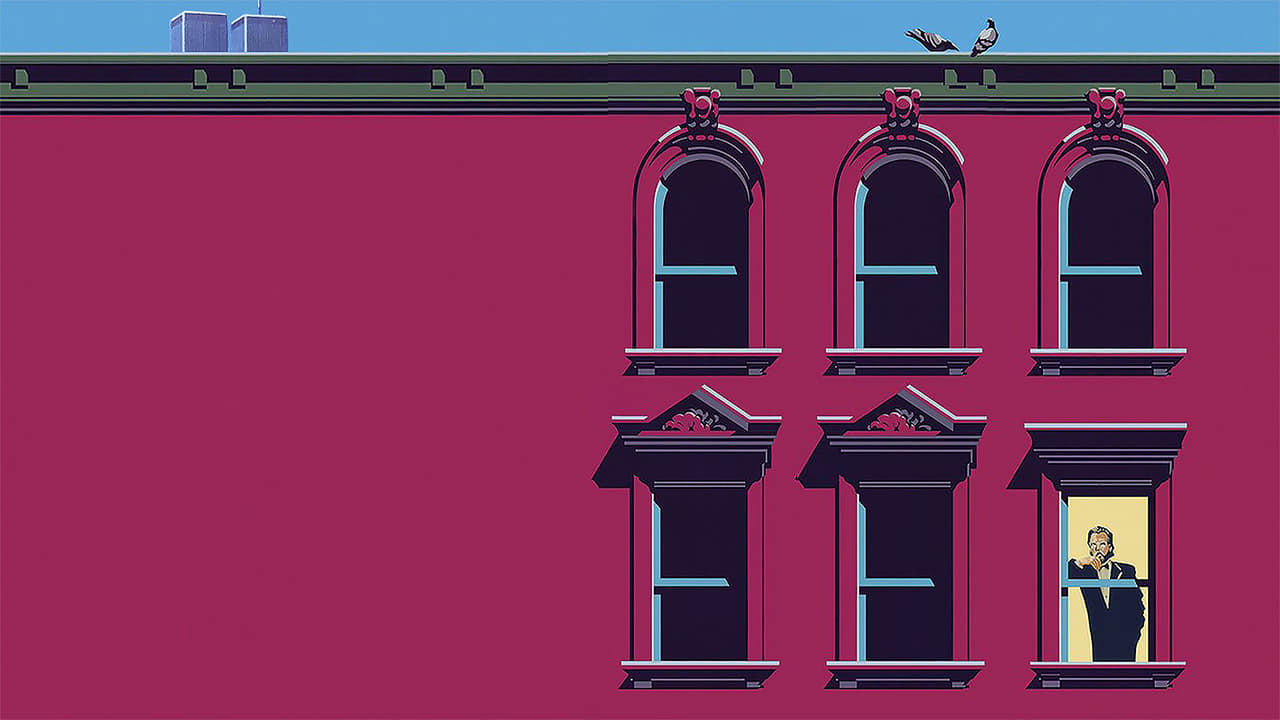
The film unfolds in three distinct acts, each penned and helmed by a different master, offering drastically different energies. We begin with Scorsese's "Life Lessons," written by the great Richard Price (who penned The Color of Money for Scorsese earlier). It plunges us into the messy, paint-splattered loft and psyche of Lionel Dobie (Nick Nolte), a celebrated abstract artist facing a looming gallery show deadline and creative paralysis. His muse and assistant, Paulette (Rosanna Arquette), wants out of their toxic, vaguely defined relationship. It’s pure Scorsese: intense, visceral, soundtracked brilliantly (that recurring motif of Procol Harum's "A Whiter Shade of Pale" is unforgettable), and anchored by a towering performance. Nolte is absolutely magnetic here – a volatile mix of artistic genius, raging insecurity, and predatory charm. You feel the turpentine fumes and the claustrophobia of his dependency on Paulette. It's a raw, often uncomfortable look at the destructive side of creativity and obsession, themes Scorsese would revisit throughout his career. Apparently, the story drew loose inspiration from Dostoyevsky's The Gambler and perhaps echoes of real-life art world dynamics, giving it that potent edge of truth.
### A Gilded Cage, Empty Perhaps?
Then, the mood shifts dramatically with Francis Ford Coppola's "Life Without Zoë." Co-written with his then-teenage daughter, Sofia Coppola, this segment is a visually lavish, almost dreamlike interlude focusing on a privileged 12-year-old girl named Zoë (Heather McComb) living in the opulent Sherry-Netherland Hotel while her globetrotting parents (played by Giancarlo Giannini and Talia Shire, Coppola's sister) are away. It's a fairytale vision of Manhattan high society, complete with elaborate costumes by Milena Canonero (who would win an Oscar shortly after for Dick Tracy) and a plot involving a missing diamond earring and precocious children solving minor mysteries. While visually sumptuous – Coppola certainly knows how to frame luxury – it feels strangely weightless compared to the preceding intensity. Critically, this segment was often singled out as the weakest link upon release, and time hasn't necessarily been kind. There's a sweetness to it, a certain whimsical charm, but it lacks the dramatic heft or comedic punch of its neighbors. It feels like a stylistic exercise, perhaps more meaningful to the Coppolas than to the average viewer settling down with their popcorn back in '89. Seeing a young Jason Schwartzman (Talia Shire's son) pop up briefly is a fun bit of trivia for eagle-eyed viewers today.
### Up In The Air, Down To Earth Neuroses
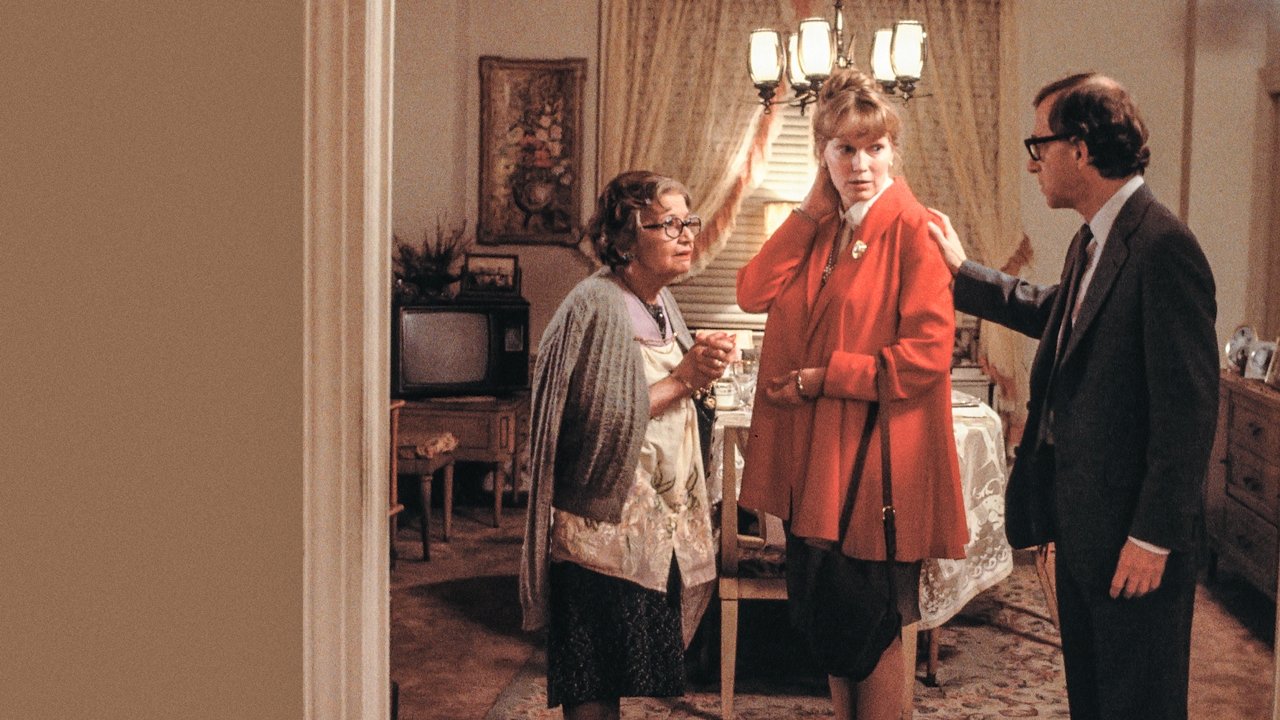
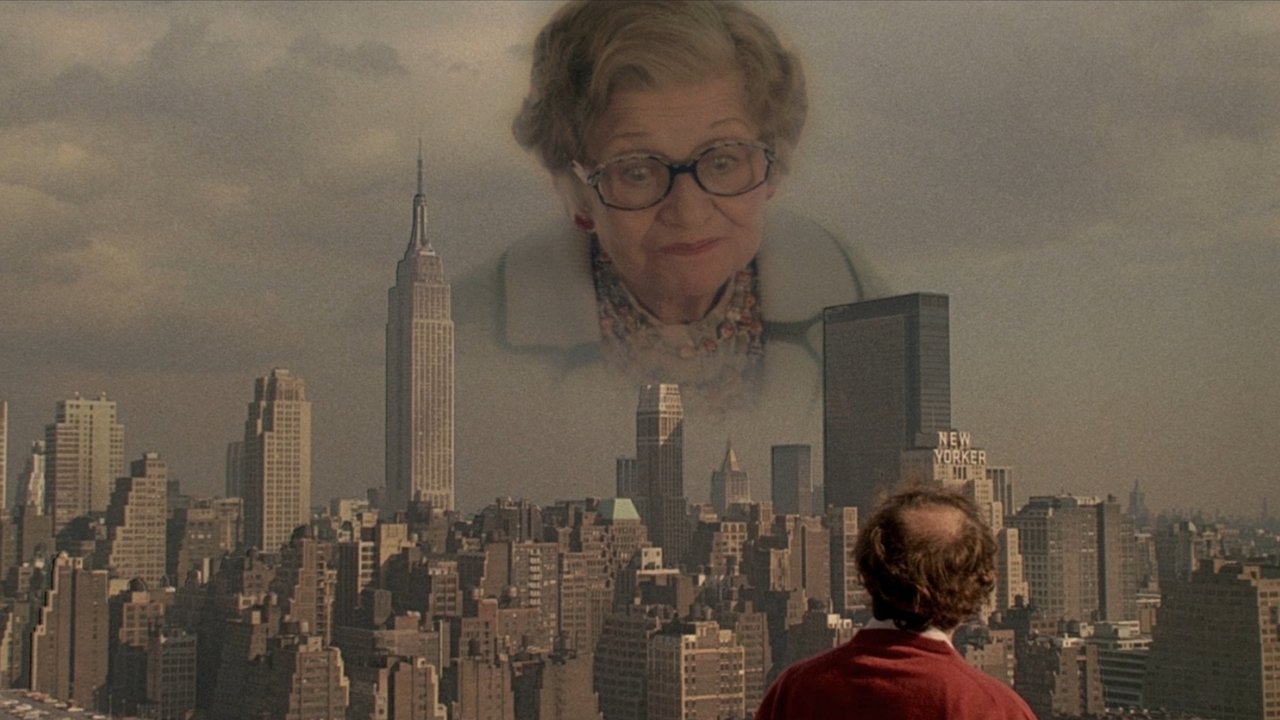
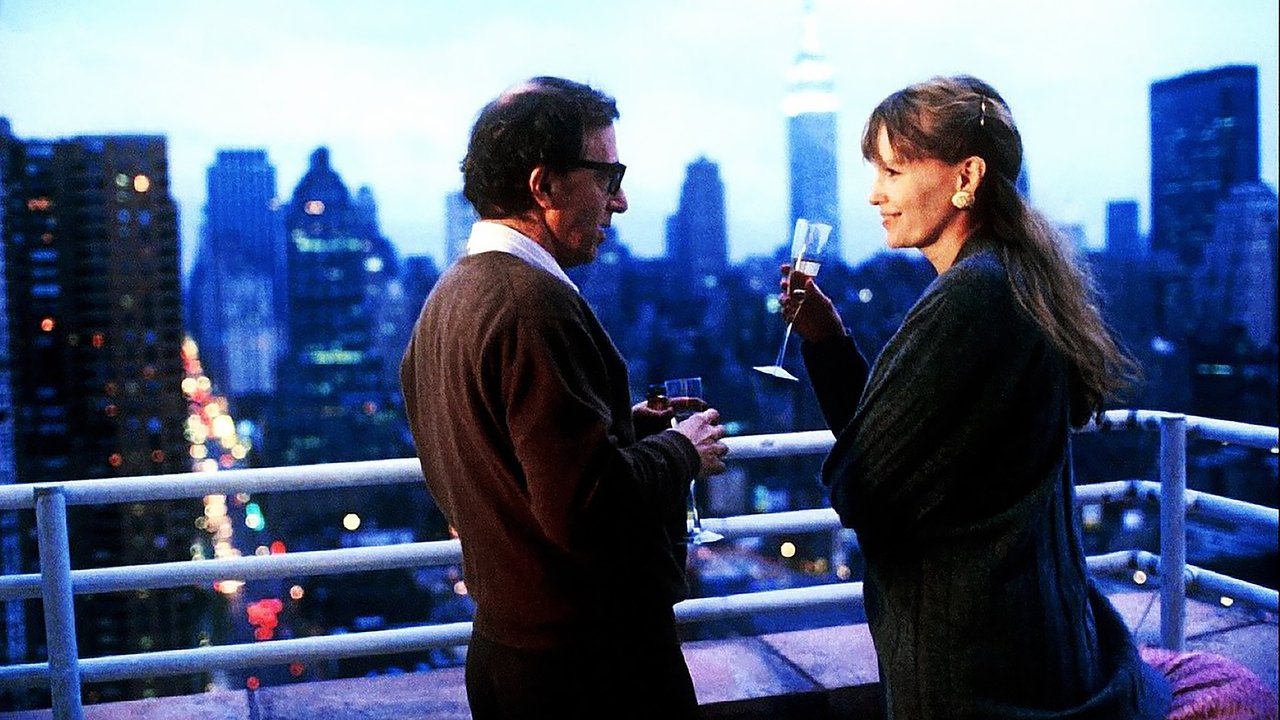
Finally, Woody Allen arrives to deliver what feels like quintessential late-80s Allen with "Oedipus Wrecks." Allen stars as Sheldon Mills, a successful lawyer wrestling with his relationship with his fiancée (Mia Farrow, still his regular collaborator then) and, more significantly, his impossibly critical, overbearing mother (played with scene-stealing perfection by Mae Questel). During a magic show, his mother vanishes, only to reappear days later as a colossal, disembodied presence looming over the Manhattan skyline, continuing her critique of Sheldon for all the city to see and hear. It's surreal, hilarious, and deeply Freudian. This segment is pure comedic gold, tapping into Allen's familiar anxieties but escalating them to an absurd, visually fantastic degree. The casting of Mae Questel, the legendary voice of Betty Boop and Olive Oyl, was an inspired choice; her unmistakable voice booming down from the heavens is comic genius. It's a perfectly paced short, landing its jokes with precision and offering a strangely touching resolution. It feels like Allen firing on all cylinders within his established comedic persona, providing a much-needed lift after the tonal dissonance of the middle segment. Reportedly, Allen simply had this short story idea and it fit neatly into the anthology concept. The technical challenge of convincingly putting Questel's giant face in the sky was met with that particular blend of late-80s practical and optical effects that now feels charmingly specific to the era.
### The Sum Of Its Parts
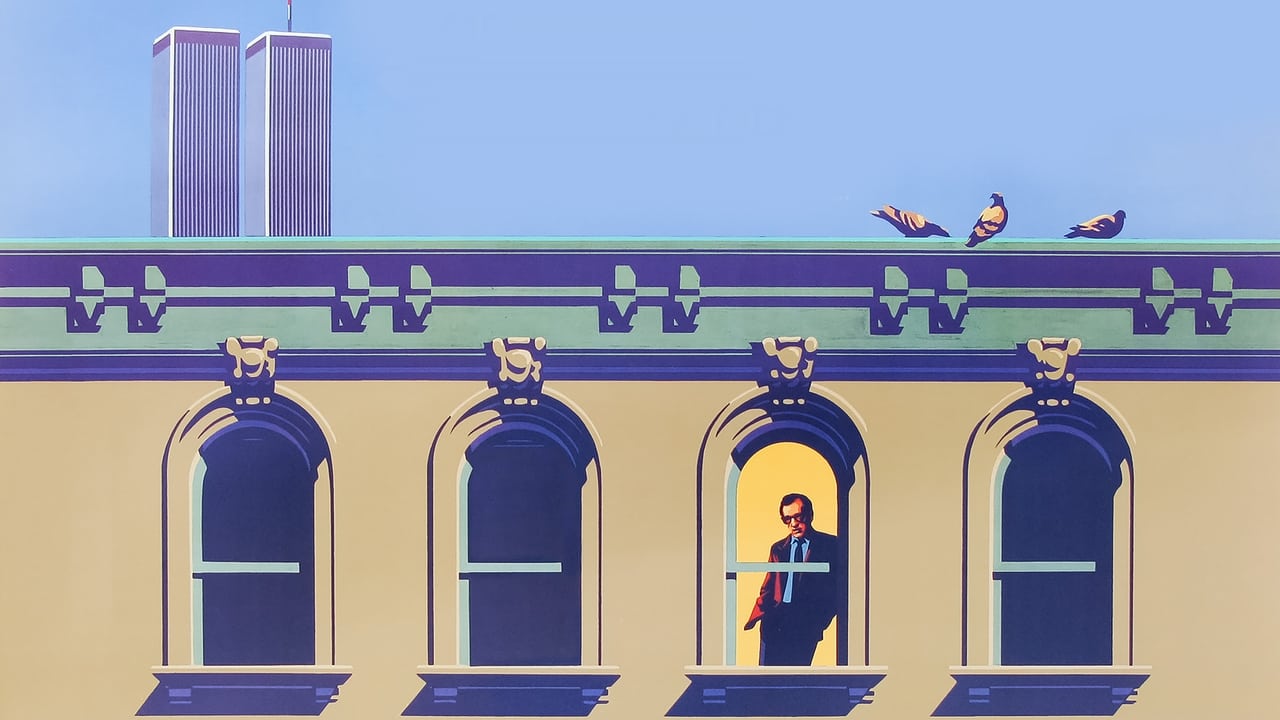
Watching New York Stories today is a fascinating experience. It’s less a cohesive film and more a gallery exhibition with three distinct wings. Scorsese delivers raw power and psychological depth. Coppola offers visual indulgence that feels somewhat hollow. Allen brings the sharp, neurotic laughter. Did it change cinema? Probably not. Did it launch major careers? The principals were already established titans. But it did capture something specific about that moment – three iconic New York filmmakers presenting their highly personal, stylized visions of the city they clearly loved, feared, and endlessly mined for inspiration.
The film reportedly cost around $15 million and grossed just under $11 million domestically, suggesting it wasn't a runaway hit, but likely found a solid life on home video where cinephiles could appreciate the pedigree involved. For VHS Heaven regulars, it's a perfect example of the kind of interesting, slightly uneven, star-studded projects that often found their audience on the rental shelves. Remember seeking out films specifically because of the director(s) involved? This was prime bait.
It makes you wonder, doesn't it? Could such a project even get made today, uniting three directors of this stature for separate shorts under one banner? It feels like a relic of a different time in studio filmmaking, a time more willing to gamble on auteur-driven curiosities.
Rating: 6/10
The score reflects the inherent unevenness. Scorsese's segment is arguably an 8 or 9, a potent shot of cinematic adrenaline. Allen's is a solid 7 or 8, a hilarious and well-crafted comedy short. Coppola's, unfortunately, drags the average down, perhaps landing closer to a 4 or 5 despite its visual appeal. As a whole, it's a 6 – a worthwhile watch for fans of the directors and the era, offering genuine highs alongside undeniable lows.
Final Thought: New York Stories remains a compelling cinematic artifact – a sometimes brilliant, sometimes baffling, ultimately fascinating triptych painted by three masters on the canvas of late-80s Manhattan. Uneven, yes, but still capable of sparking conversation and reminding us of the distinct voices that defined an era.