Alright, fellow tapeheads, gather 'round. Remember digging through those towering shelves at the video store, the smell of plastic cases and worn carpet thick in the air? Sometimes you grabbed the familiar blockbuster, sometimes you took a gamble on a cover that just screamed weird. And if you were lucky, maybe, just maybe, you stumbled upon Ken Russell's utterly bonkers 1988 concoction, The Lair of the White Worm. This wasn't your typical creature feature; it was a full-blown, psychedelic trip into English folklore, vampirism, and glorious, unashamed camp, served up with a punk rock sneer. Finding this felt like unearthing forbidden knowledge, the kind whispered about in hushed tones after midnight.
### Digging Up Something Ancient... and Nasty
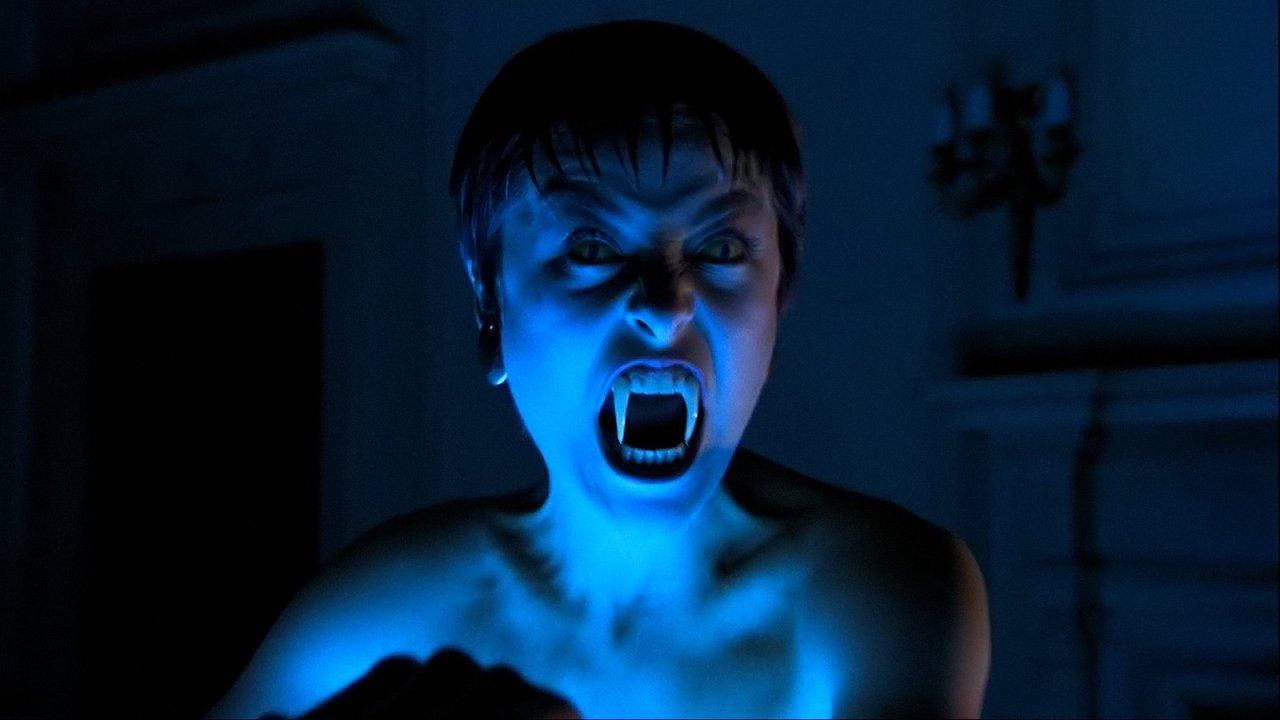
The setup sounds almost quaint: Scottish archaeology student Angus Flint (Peter Capaldi, years before his Doctor Who tenure!) unearths a strange, elongated skull on the site of an old convent, near the Derbyshire Peaks home of the D'Ampton sisters, Mary (Sammi Davis) and Eve (Catherine Oxenberg). Local legend whispers of the D'Ampton Worm, a mythical serpent slain by a distant ancestor. Meanwhile, the slinky, enigmatic Lady Sylvia Marsh (Amanda Donohoe) returns to her nearby estate, Temple House, built over a cavern said to be the worm's lair. It doesn't take long for things to get… peculiar. Turns out, Lady Sylvia isn't just eccentric; she's the immortal high priestess of a snake cult, worshipping the massive white worm hinted at by that unearthed skull. And she has plans.
This film is based, rather loosely, on an unfinished manuscript by Bram Stoker, the man who gave us Dracula. But where Stoker’s famous novel is gothic dread, Russell, ever the provocateur known for visually rich and often controversial films like The Devils (1971) and Tommy (1975), injects Stoker's fragment with hallucinogens, blasphemy, and a hefty dose of pure, unadulterated strangeness. He filmed much of it on location in Derbyshire, England, grounding the escalating weirdness in very real, atmospheric landscapes and country estates, which somehow makes the pagan chaos even more effective.
### Our Lady of Perpetual Venom
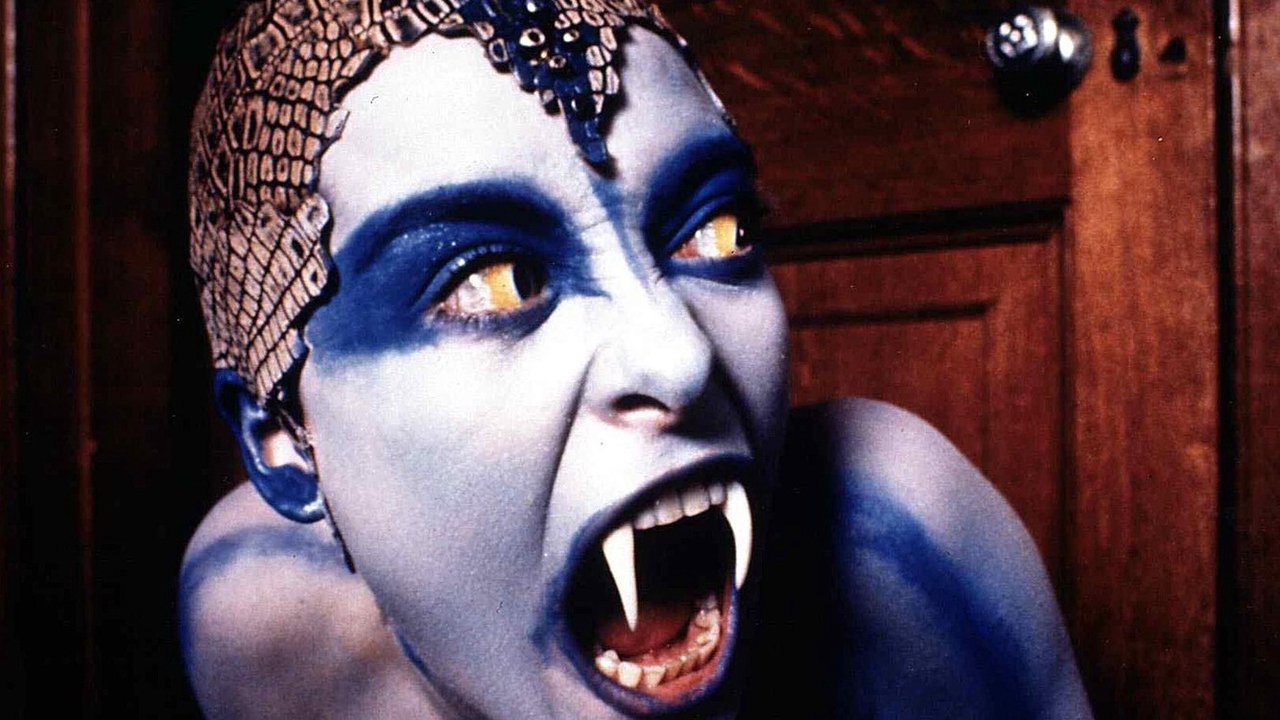
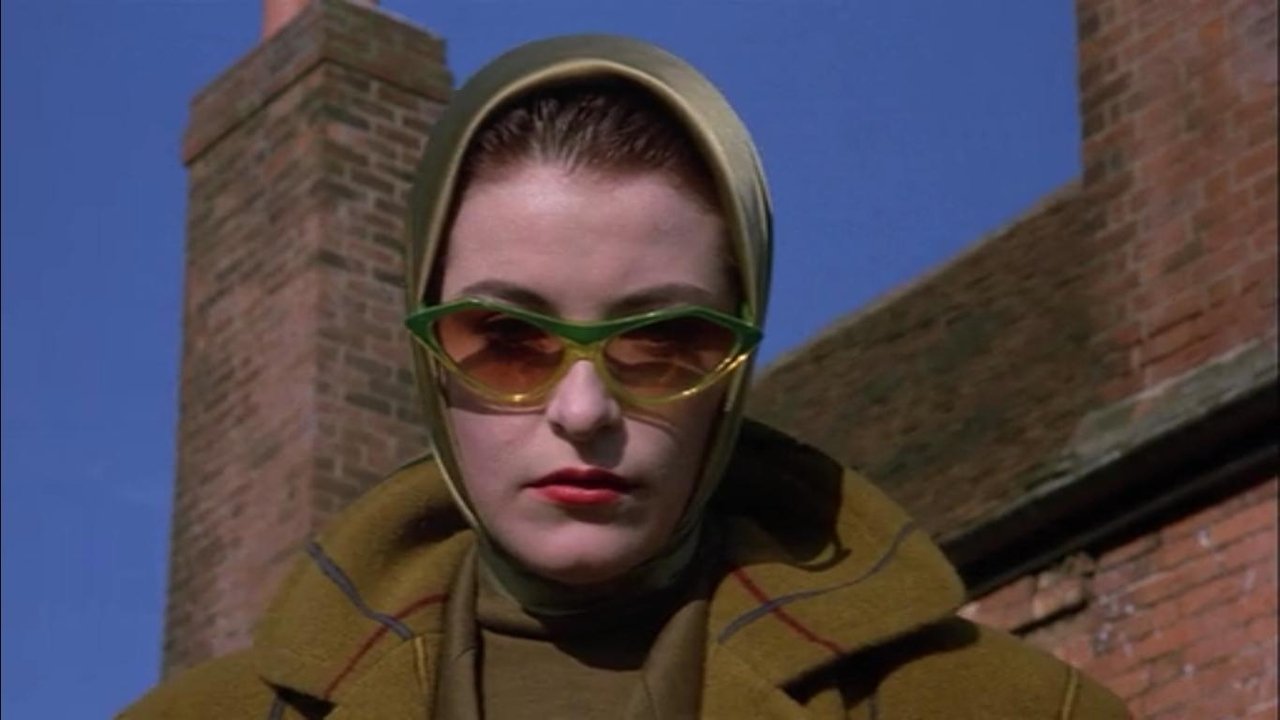
Let's be honest, the pulsing, hypnotic heart of this film is Amanda Donohoe as Lady Sylvia Marsh. From her first appearance, clad in striking blues and whites, radiating icy hauteur, she commands the screen. She’s a vampire, but not your traditional caped count. She’s serpentine, predatory, and utterly captivating in her malevolence. Remember that scene where she literally spits venom at a crucifix? It’s an image burned into the memory banks of anyone who saw this back in the day. Donohoe leans into the absurdity with gusto, delivering lines dripping with aristocratic disdain one moment and descending into primal snarls the next. It's a fearless, iconic performance that perfectly embodies the film's blend of horror and high camp.
Opposite her, a ridiculously young and floppy-haired Hugh Grant plays Lord James D'Ampton, descendant of the worm-slayer. He brings his burgeoning trademark charm, seemingly slightly bewildered by the escalating madness around him, which frankly feels entirely appropriate. Seeing him here, years before becoming the king of romantic comedies, is a retro delight in itself. It's a fun fact that Russell reportedly cast Grant partly because he lived nearby and could get to the set easily – sometimes low-budget practicality yields surprising results!
### Snakes, Sacrifices, and Psychedelic Nightmares
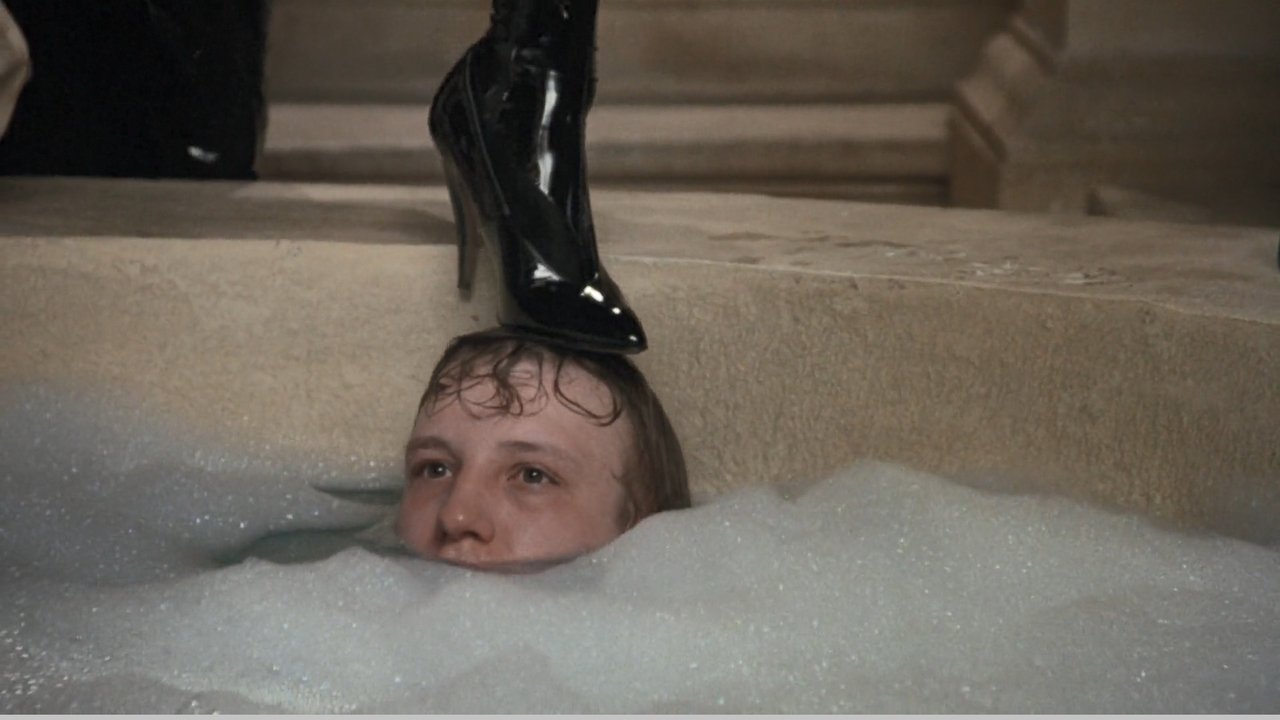
Now, let's talk effects. This is pure 80s practical magic, folks. No sleek CGI serpents here. The titular White Worm, when finally revealed, has a certain… charming puppetry quality. Does it look entirely real? Not exactly. But does it have a tangible, monstrous presence that feels right at home on a worn VHS tape viewed on a flickering CRT? Absolutely. The genius lies in Russell's delirious vision. He throws everything at the screen: surreal dream sequences bordering on music videos (often scored with traditional folk tunes given an unsettling synth twist), blasphemous visions involving Roman soldiers and crucified Christs tormented by snakes, and moments of surprisingly visceral, gooey gore.
Remember those vampire transformations? The fangs extending, the skin paling – achieved with makeup and prosthetics that felt tactile and genuinely unsettling back then. Russell uses these practical elements not just for scares, but to create a disorienting, dreamlike (or nightmarish) atmosphere. One infamous sequence involves Hugh Grant hallucinating snake-like nuns attacking him after being bitten – it’s baffling, slightly terrifying, and utterly unforgettable. These sequences might look dated now compared to polished digital effects, but they possess a raw, handmade energy that's often missing today. They feel crafted, sometimes crudely, but always with audacious imagination born perhaps from the film's modest budget.
### A Cult Relic Unearthed
The Lair of the White Worm wasn't exactly a mainstream smash upon release. Critics were likely baffled, audiences probably unsure what to make of its tonal whiplash. But like so many strange cinematic artifacts from the era, it found its audience on home video. It became a beloved cult classic, precisely because it's so unapologetically weird. It’s a film that commits to its bizarre premise with absolute conviction. Ken Russell wasn't trying to make a conventional horror film; he was creating a Ken Russell film – provocative, visually excessive, darkly funny, and utterly unique.

It perfectly captures a certain strand of late-80s British filmmaking – irreverent, punk-influenced, and unafraid to mix high art aspirations with low-brow B-movie thrills. It's steeped in ancient folklore but feels jarringly modern in its playful deconstruction of horror tropes.
Rating: 8/10 - This score reflects its standing as a pinnacle of glorious, unhinged cult cinema. It's not perfect filmmaking by conventional standards – the plot meanders, the tone is all over the place – but its sheer audacity, Amanda Donohoe's electrifying performance, and Ken Russell's singular vision make it an essential, unforgettable experience for adventurous retro fans.
Final Thought: Pop this tape in (or fire up the digital equivalent) when you're tired of predictable scares. The Lair of the White Worm is a venomous, vibrant, and delightfully vicious blast from the past that proves horror can be hilarious, horrifying, and hallucinogenic all at once – a true treasure from the wilder corners of the video store shelf.