It wasn't just another Halloween special. It arrived cloaked in the comforting familiarity of the BBC, fronted by faces usually associated with Saturday morning cheer or avuncular chat shows. There was no fanfare declaring it fiction, no wink to the camera. And that, perhaps, was the most chilling trick of all. Ghostwatch, broadcast just once on UK television on October 31st, 1992, wasn't merely a programme; for 90 terrifying minutes, it felt disturbingly, sickeningly real.
### The Illusion of Safety
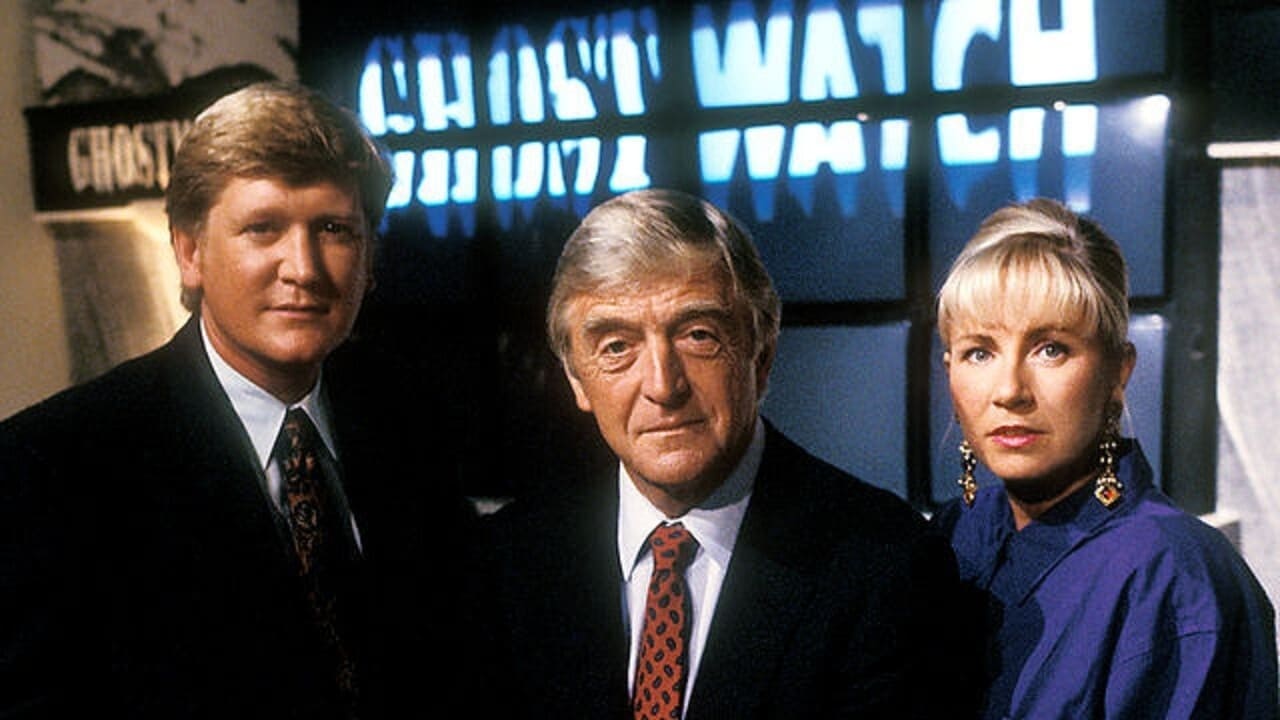
The setup was ingenious in its deceptive simplicity. Anchored in a brightly lit BBC studio by the ever-reliable Michael Parkinson, a figure synonymous with reassuring late-night conversation, the show presented itself as a live investigation into supposed paranormal activity at a council house in Northolt, Greater London. On location, intrepid reporter Sarah Greene (then primarily known for cheerful kids' TV like Blue Peter and Going Live!) and her real-life husband, presenter Mike Smith, provided updates alongside a parapsychologist, interviewing the afflicted Early family – mother Pam and daughters Suzanne and Kim. It all felt so… normal. The slightly grainy location footage, the mundane domestic setting, the earnest-yet-skeptical studio discussions – writer Stephen Volk and director Lesley Manning crafted a perfect illusion of a live paranormal investigation, the kind that was just starting to bubble up in popular culture. Volk's explicit aim was to create a modern-day equivalent of Orson Welles' War of the Worlds broadcast, a dramatic piece masquerading as fact, and few could argue he didn't succeed, perhaps too well.
### Pipes Is Calling
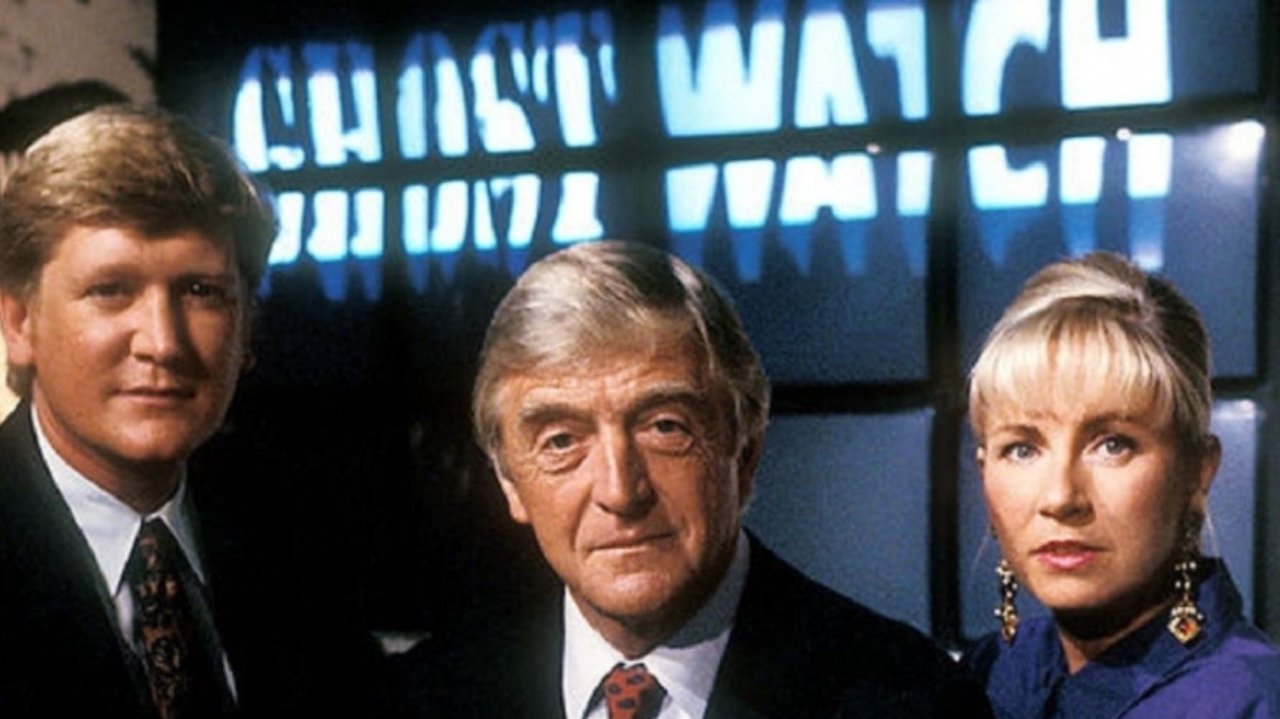
The genius of Ghostwatch lies not in jump scares, but in its masterful slow burn. The initial phenomena are ambiguous: strange noises, objects moving slightly, the children’s accounts of a spectral figure they call "Pipes." We see fleeting glimpses, half-hidden figures in the background, easily missed or dismissed as tricks of the light. Remember trying to spot him? That lurking shape by the curtains, the face in the window reflection – these weren't signposted horrors, but insidious details that gnawed at the viewer's subconscious. The production team reportedly embedded these apparitions, sometimes for only a few frames, throughout the broadcast, a technique that amplified the sense of unease long before the situation overtly spiraled. The sound design, too, is crucial – the clanking pipes of the house become a character in themselves, a constant, unsettling presence. It taps into that primal fear of the unseen, the suggestion that something malevolent occupies the familiar spaces of home.
### The Power of Belief (and Familiar Faces)
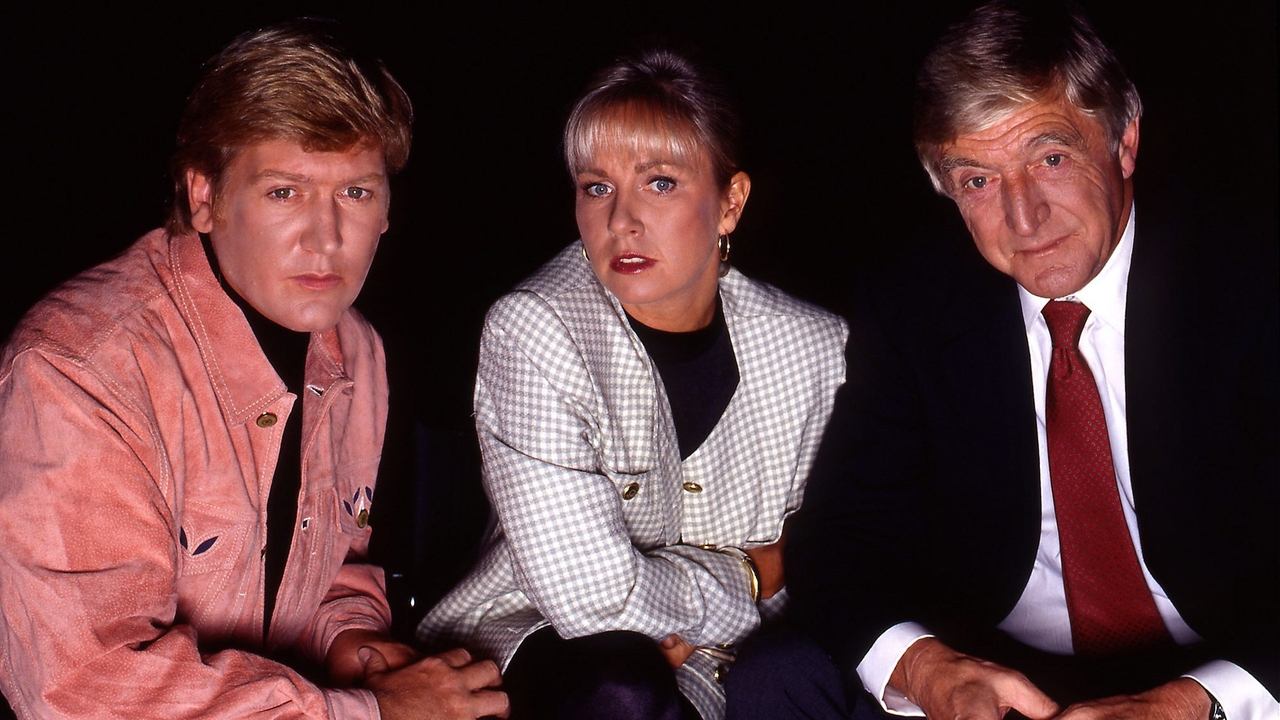
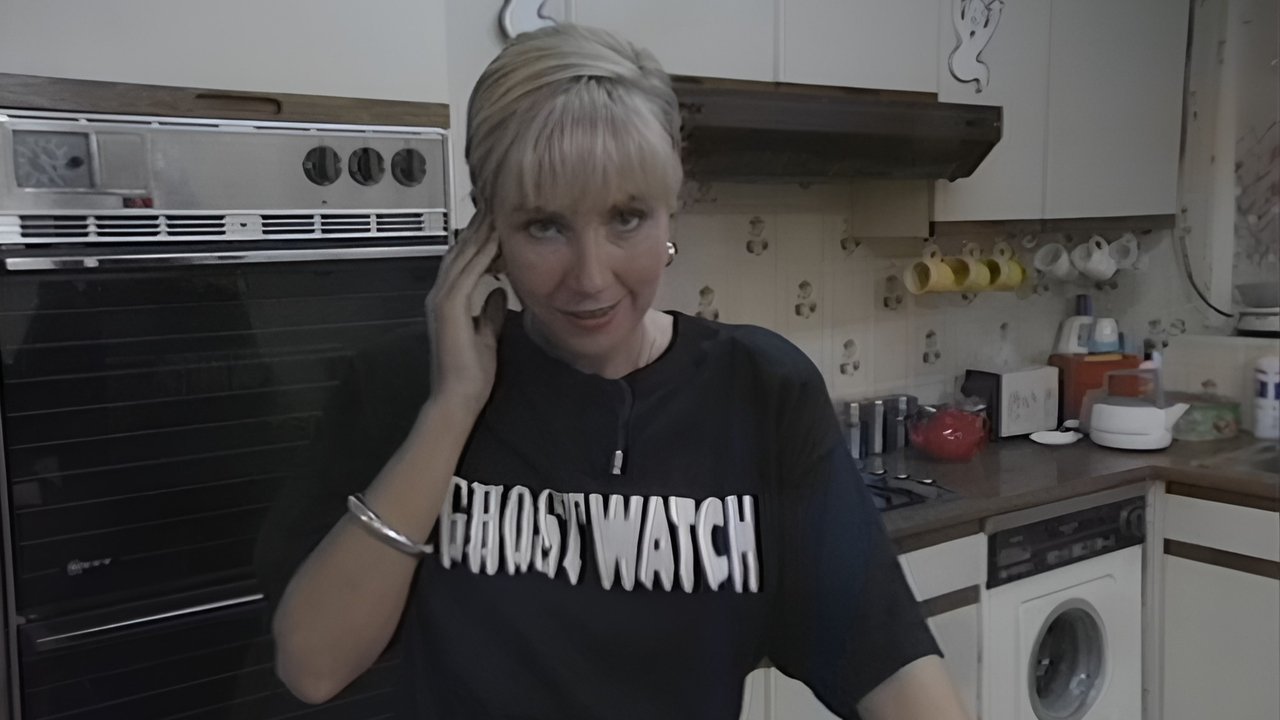
Casting real, trusted television personalities was a masterstroke. Parkinson lent the proceedings an air of journalistic credibility, his calm demeanor slowly eroding as events escalated. Sarah Greene, embodying the concerned reporter, conveyed a growing sense of genuine fear that resonated deeply. Her palpable distress during the later scenes feels disturbingly authentic; reports suggest the actress was genuinely unnerved during filming, particularly in the cramped "glory hole" under the stairs where much of the climactic action occurs. The presence of Mike Smith in the studio, fielding viewer calls (a real phone number was provided, adding another layer of 'reality'), further blurred the lines. The audience felt they were participating, witnessing something unfold live alongside presenters they felt they knew. This familiarity became a weapon, dismantling viewer skepticism far more effectively than any unknown actor could.
### When Fiction Became Trauma
The aftermath of the Ghostwatch broadcast is legendary, a testament to its terrifying effectiveness. The BBC switchboard was inundated with calls – thousands upon thousands – ranging from frightened viewers seeking reassurance to angry individuals complaining they'd been duped. More disturbingly, there were numerous reports of viewers suffering genuine psychological distress, including alleged cases of PTSD, particularly among younger viewers who believed Pipes was real. The controversy exploded in the press. Far from being celebrated as innovative drama, Ghostwatch was condemned, effectively banned by the BBC for years, consigned to the murky world of bootleg VHS tapes traded among horror aficionados. It became a dark legend, whispered about by those who saw it live and forever marked by its chilling final moments. Did that twist genuinely shock you back then? The sudden lurch from investigation into outright supernatural assault, culminating in the studio itself being compromised, felt like a profound violation.
### Legacy in the Static
Watching Ghostwatch today, even knowing it's fiction, retains a unique power. Its influence on the found footage genre, particularly films like The Blair Witch Project (1999), is undeniable. It demonstrated how effective the mockumentary format could be for horror, grounding the supernatural in a relatable, documentary-style reality. The dated technology – the chunky cameras, the CRT monitors, the very specific aesthetic of early 90s British television – only adds to its unsettling charm now, like unearthing a forbidden recording. It feels like a relic from a time when television could still command collective attention and, just maybe, collective terror.

Rating: 9/10
Ghostwatch earns its high score for its groundbreaking format, masterful build-up of dread, and unforgettable psychological impact. Its power lies not in gore or spectacle, but in its chillingly believable portrayal of the mundane invaded by the malevolent, amplified by the ingenious use of real presenters. It's a near-perfect execution of concept, even if its initial reception was fraught with controversy.
For those of us who huddled around the TV that Halloween night, or discovered a grainy copy years later, Ghostwatch remains more than just a TV movie; it's a shared memory of televised fear, a chilling reminder of how easily the familiar can curdle into the terrifying. It proved that sometimes, the most effective ghosts are the ones you're not entirely sure you saw.