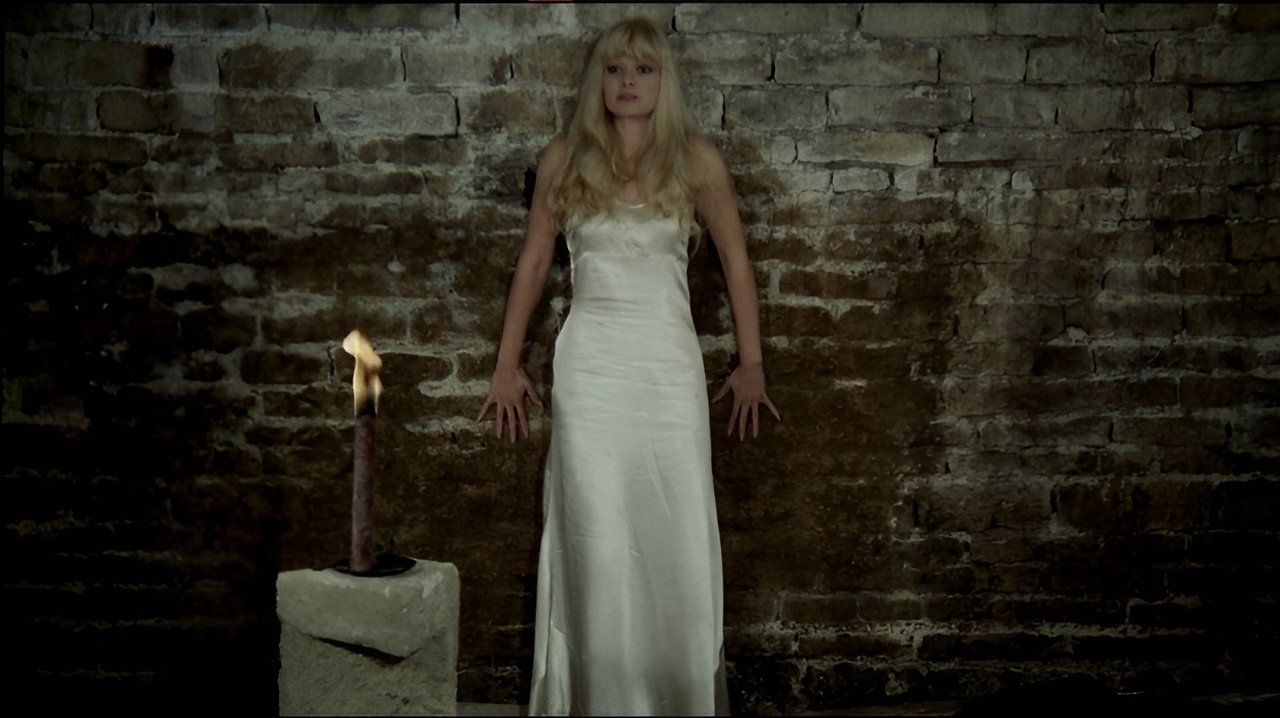
The first thing you notice isn't the decay, but the stillness. Two figures lie entombed in a forgotten family crypt, dust motes dancing in the slivers of light. Then, a tremor. Not from without, but within. Toxic waste, carelessly dumped nearby, seeps into the hallowed ground, and Catherine Valmont’s eyes snap open. It’s a resurrection devoid of divinity, steeped instead in a chilling, almost mournful inevitability. This is the unsettling overture to Jean Rollin's 1982 nightmare, The Living Dead Girl (La Morte Vivante), a film that bled onto VHS shelves promising splatter, but delivered something far more insidious: a potent cocktail of gothic tragedy and stomach-churning gore.
### A Different Shade of Rollin
Fans familiar with Jean Rollin's dreamlike, often erotic vampire tales like Fascination or Les Raisins de la Mort might find The Living Dead Girl a jarring experience. While his signature visual poetry remains – the crumbling chateaus, the mist-laden landscapes, the deliberate, almost languid pacing – there’s a harshness here, a brutal directness reportedly born from pressure to deliver a more commercially viable horror film. Yet, Rollin’s artistic sensibilities stubbornly permeate the exploitation framework. The film feels less like a zombie flick and more like a doomed romance played out in charnel house hues, underscored by Philippe d'Aram's hauntingly melancholic score. It’s this very friction between arthouse melancholy and graphic violence that gives the film its unique, disquieting power.
### A Bond Sealed in Blood
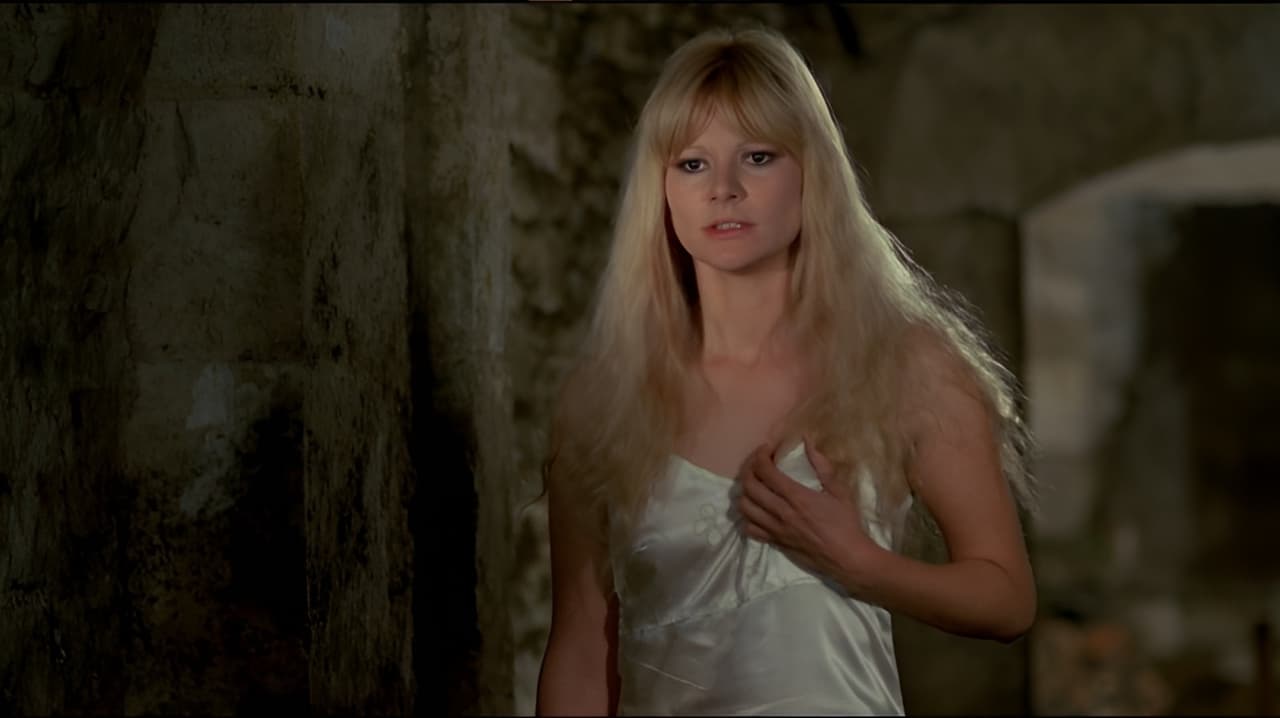
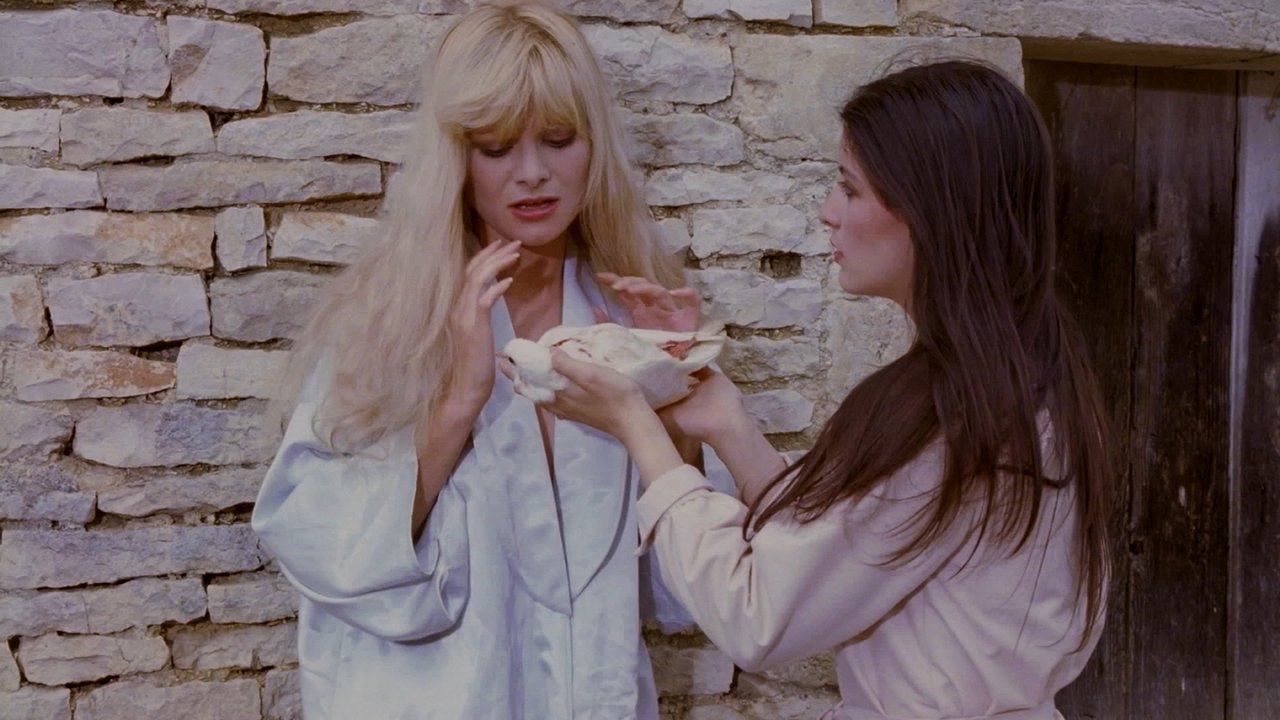
At its cold heart, The Living Dead Girl is about the unbreakable, ultimately destructive bond between two childhood friends. Catherine Valmont (Françoise Blanchard), the resurrected corpse, awakens with an insatiable thirst for blood. Her dearest friend, Hélène (Marina Pierro), discovers her monstrous secret and, driven by a desperate, possessive love forged in childhood pacts, vows to protect Catherine, even if it means facilitating her gruesome needs. There's a suffocating intimacy to their relationship, a descent into shared madness where love becomes indistinguishable from complicity. It’s a narrative that eschews simple scares for a deeper, more psychological dread, watching Hélène sacrifice her humanity piece by piece for the decaying shell of her friend. Remember those intense childhood promises? Imagine fulfilling them under these circumstances.
### The Unwilling Monster
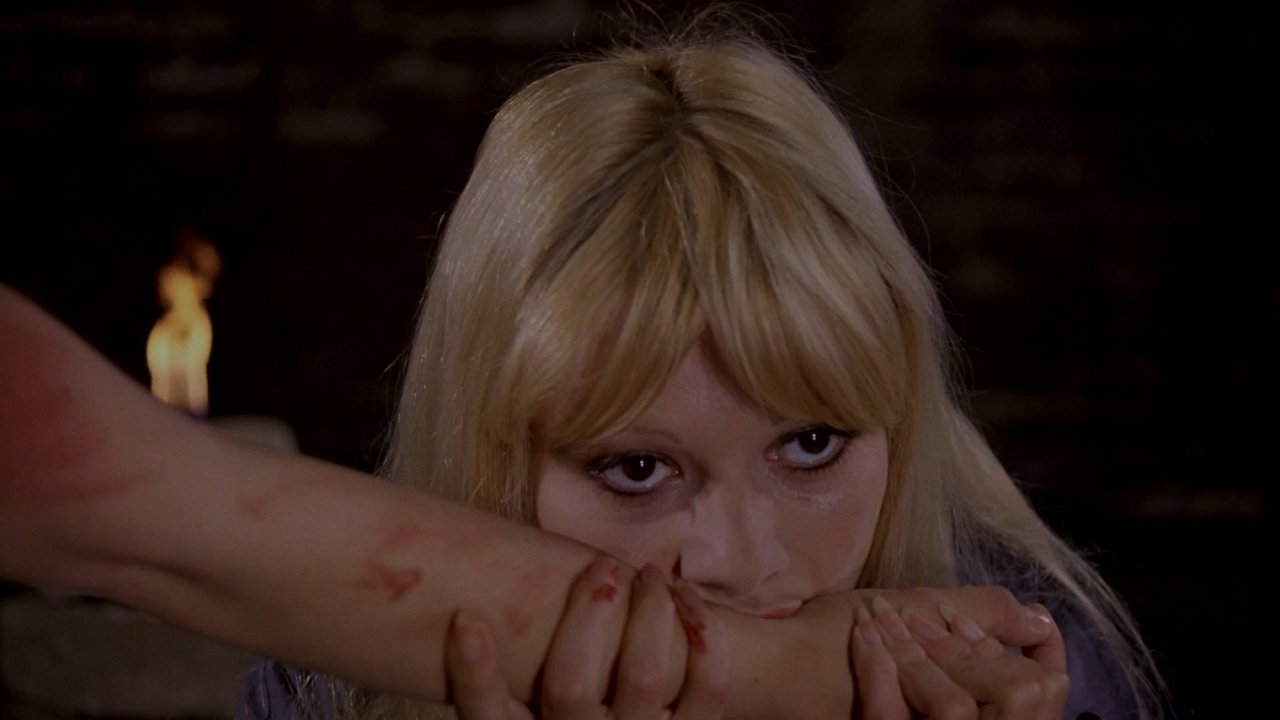
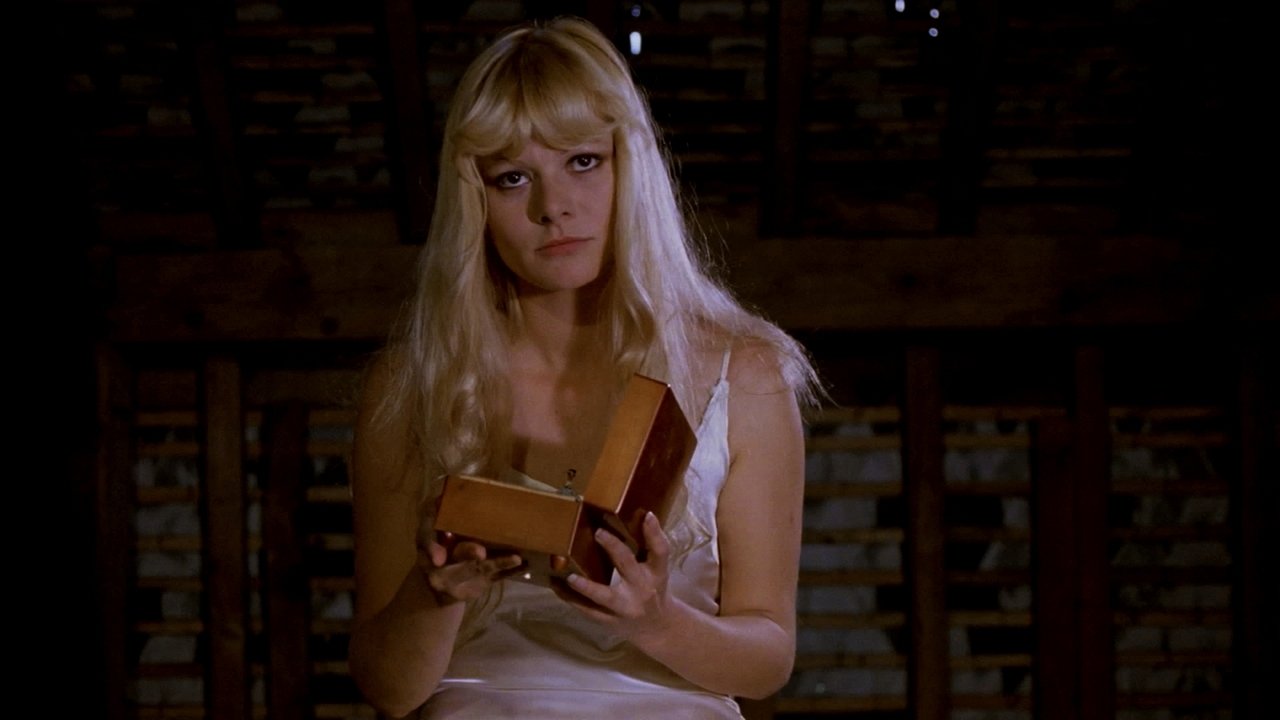
Françoise Blanchard delivers a truly unforgettable performance as Catherine. Her portrayal isn't one of mindless zombification; it's a study in confusion, agony, and flashes of horrified self-awareness. She’s a revenant trapped between death and a predatory undeath, seemingly tormented by the acts she’s compelled to commit. This sense of internal conflict feels disturbingly real, perhaps amplified by behind-the-scenes accounts suggesting Blanchard herself found the film’s graphic sequences deeply distressing to perform. One infamous scene, involving a startlingly realistic throat-ripping effect, is made all the more potent by Blanchard’s palpable distress mirroring her character’s recoil. She embodies the film's central tragedy: the beautiful innocent transformed into an unwilling instrument of horror. Marina Pierro provides the necessary counterpoint, her wide-eyed devotion slowly curdling into something deeply unnerving.
### Visceral Impact, Enduring Images
Let’s not mince words: The Living Dead Girl is graphically violent, especially for its time. The practical gore effects, masterminded by Benoît Lestang (who would go on to work on films like City of Lost Children), were groundbreaking for French cinema and remain startlingly effective. They possess a wet, visceral quality that CGI rarely captures. The infamous throat-ripping, the blood drinking, the decomposition – these moments land with blunt force, often juxtaposed sharply against Rollin’s more poetic visuals. Finding this on a grainy VHS tape, perhaps rented from a less-than-discerning store, felt like stumbling upon something genuinely transgressive. The film’s power lies in this stark contrast: the ethereal beauty of the French countryside giving way to sudden, shocking brutality. Doesn't that clash make the horror feel even more violating?
It’s said Rollin shot the gore sequences quickly, almost clinically, perhaps reflecting his own ambivalence towards the mandated violence. Yet, their inclusion cemented the film's cult status among gorehounds, even while its pacing and thematic concerns appealed to followers of European horror. Filmed around picturesque, decaying locations in rural France, the setting itself becomes a character, contributing to the pervasive sense of faded grandeur and encroaching rot.
### A Haunting Presence
The Living Dead Girl isn't a comfortable watch. It’s slow, bleak, and punctuated by moments of extreme violence that can feel both gratuitous and strangely integral to its tragic core. It remains a divisive film in Jean Rollin's already niche filmography, but its influence on the bleaker, more atmospheric side of extreme horror is undeniable. It doesn’t offer easy answers or catharsis, just a lingering sense of sorrow and decay. It asks unsettling questions about the limits of love and loyalty when confronted with the monstrous.
Rating: 7/10
Justification: The score reflects the film's undeniable atmospheric power, Françoise Blanchard's haunting central performance, and the historical significance of its practical gore effects within French horror cinema (points for atmosphere, performance, effects). However, the sometimes jarring tonal shifts between arthouse mood and exploitation violence, along with a pacing that might test the patience of some viewers, keep it from higher marks (points deducted for uneven tone/pacing). It’s a film whose specific blend of poetic decay and visceral horror creates a uniquely unsettling experience.
The Living Dead Girl remains a potent piece of 80s Euro-horror, a beautiful, brutal elegy that lingers long after the tape stops rolling. It's a reminder that sometimes, the most terrifying monsters are the ones trapped by love and longing, even beyond the grave.