Okay, pull up a comfy chair, maybe grab a slightly dusty copy from the back of the shelf in your mind. Let's talk about a film that felt different, even back in 1985. It wasn't about laser guns or talking cars; it was about grit, resilience, and the kind of adventure that felt achingly real, etched onto the screen with the hardships of the Great Depression as its backdrop. I’m talking about The Journey of Natty Gann, a film that might have slipped under the radar for some, but remains a remarkably affecting piece of storytelling.
### Riding the Rails Through Hard Times
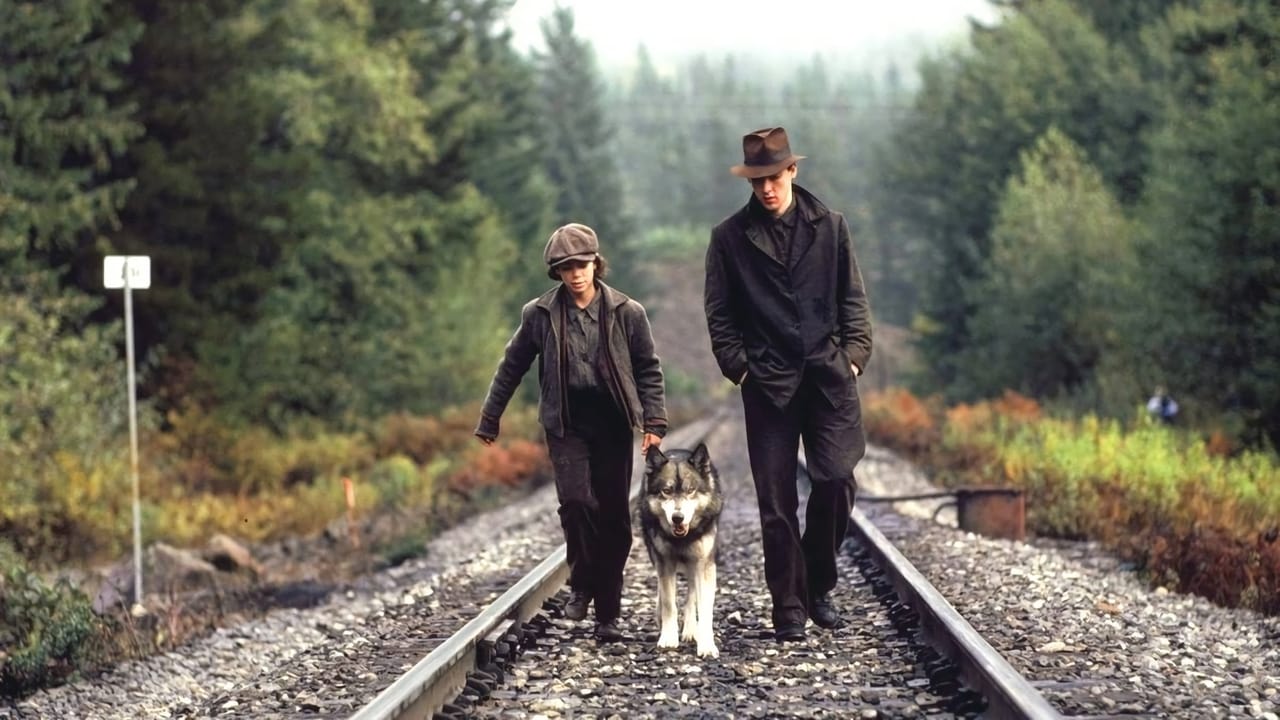
Directed by Jeremy Kagan (known for darker fare like The Chosen), The Journey of Natty Gann was something of a departure for Disney at the time. Penned by Jeanne Rosenberg (who also scripted the equally poignant The Black Stallion), it tells the story of Natty (Meredith Salenger in a stunning debut), a resourceful teenager in 1930s Chicago whose father, Sol (the ever-reliable Ray Wise), heads west to Washington state for work in the lumber camps, promising to send for her soon. When circumstances prevent him from sending a ticket, the fiercely independent Natty runs away, hopping freight trains and facing the dangers of the road, determined to reunite with him. Along the way, she forms an unlikely, almost mystical bond with a protective wolf and crosses paths with fellow traveler Harry, played by a very young, very charming John Cusack.
What always struck me about this film, even watching it on a fuzzy CRT back in the day, was its refusal to sugarcoat the era. The Depression isn't just wallpaper here; it’s a tangible force shaping the characters' lives and Natty’s perilous journey. You feel the cold, the hunger, the constant threat faced by those living on the margins. Yet, amidst the hardship, there's this incredible current of hope and human connection. Kagan masterfully balances the bleak reality with moments of warmth and breathtaking natural beauty, captured brilliantly through the lens of cinematographer Dick Bush.
### More Than Just a Girl and Her Wolf
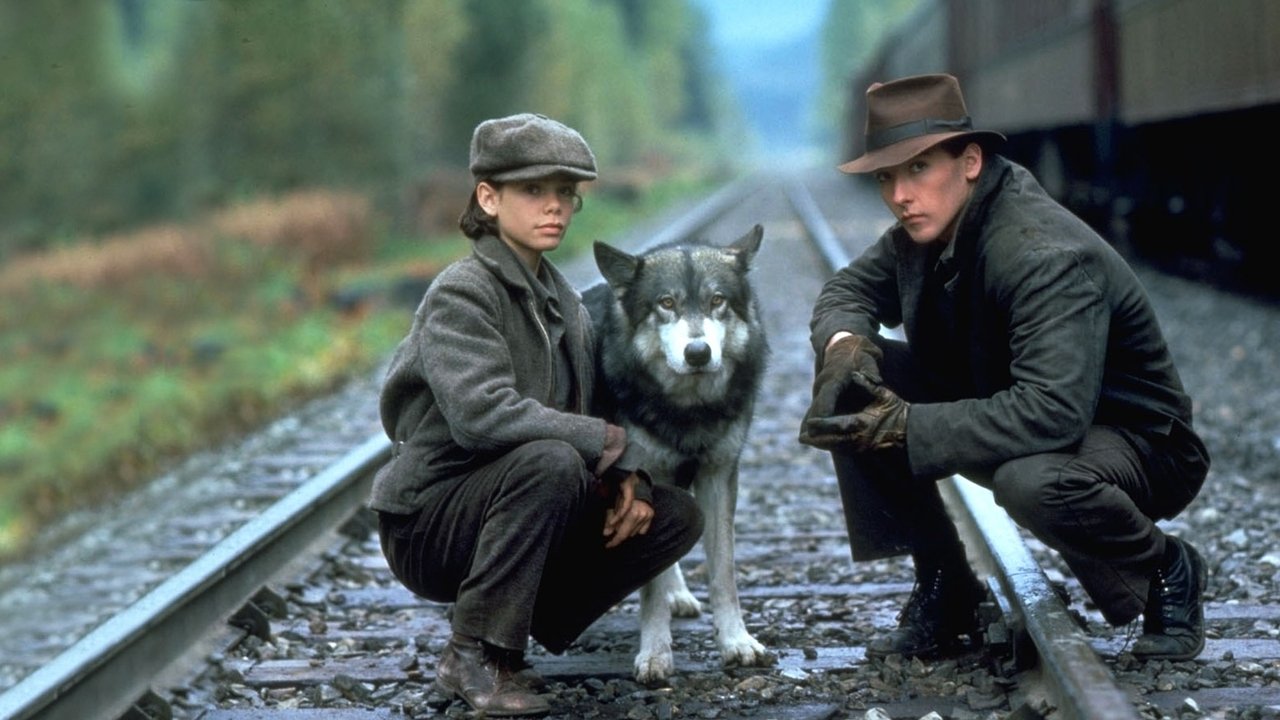
Meredith Salenger carries this film with a maturity far beyond her years. She is Natty Gann – tough, vulnerable, stubborn, and utterly believable. It’s a physically demanding role; reportedly, Salenger performed many of her own stunts, including the nerve-wracking sequences involving hopping onto and riding moving trains. This commitment shines through, making Natty’s resilience feel earned, not just scripted. That bravery feels authentic, doesn't it? It’s the kind of determination that made you, as a kid watching, feel like maybe you could face down anything too.
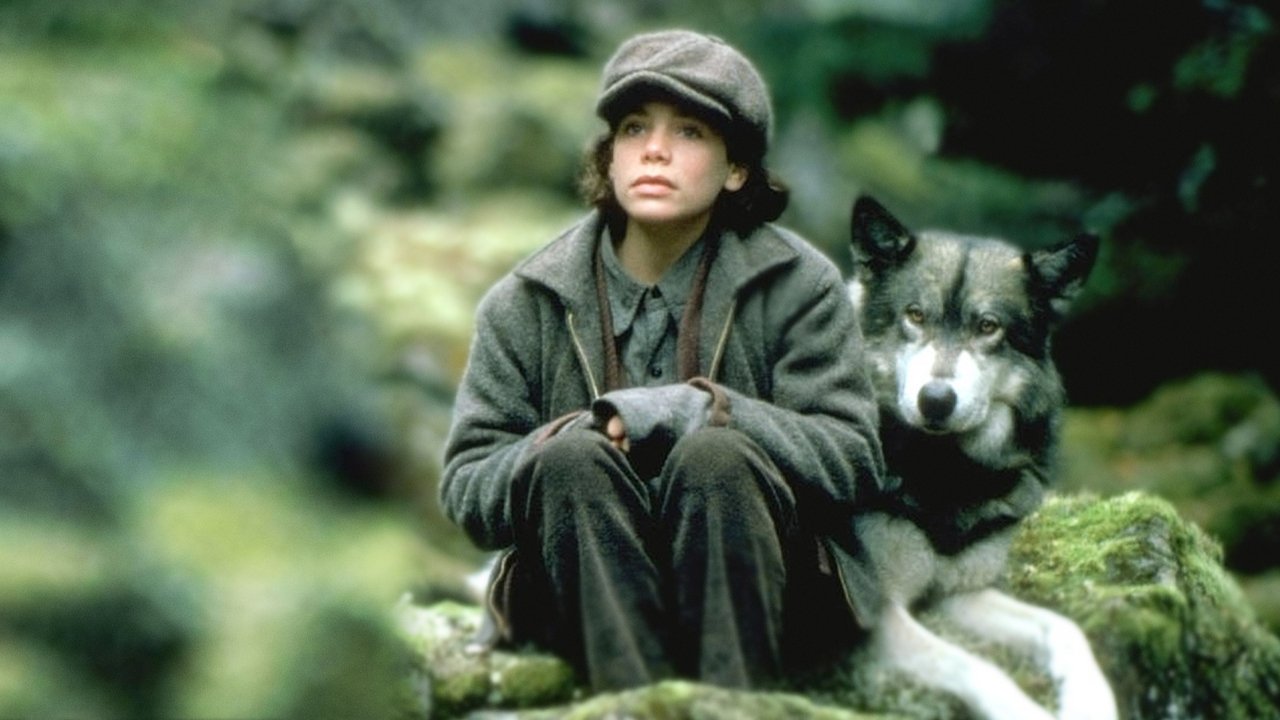
And then there's Wolf. Played by the magnificent canine actor Jed – the very same wolf who would later break hearts in 1991’s White Fang – the relationship between Natty and her four-legged guardian is the emotional core of the film. It’s a bond forged in mutual need and survival, portrayed with minimal anthropomorphism and maximum impact. Their silent understanding speaks volumes. Add to that a charismatic early turn from John Cusack as the street-smart Harry, who offers Natty friendship and a glimpse of youthful connection amidst the struggle, and you have a truly compelling trio.
### Retro Fun Facts & Lasting Impressions
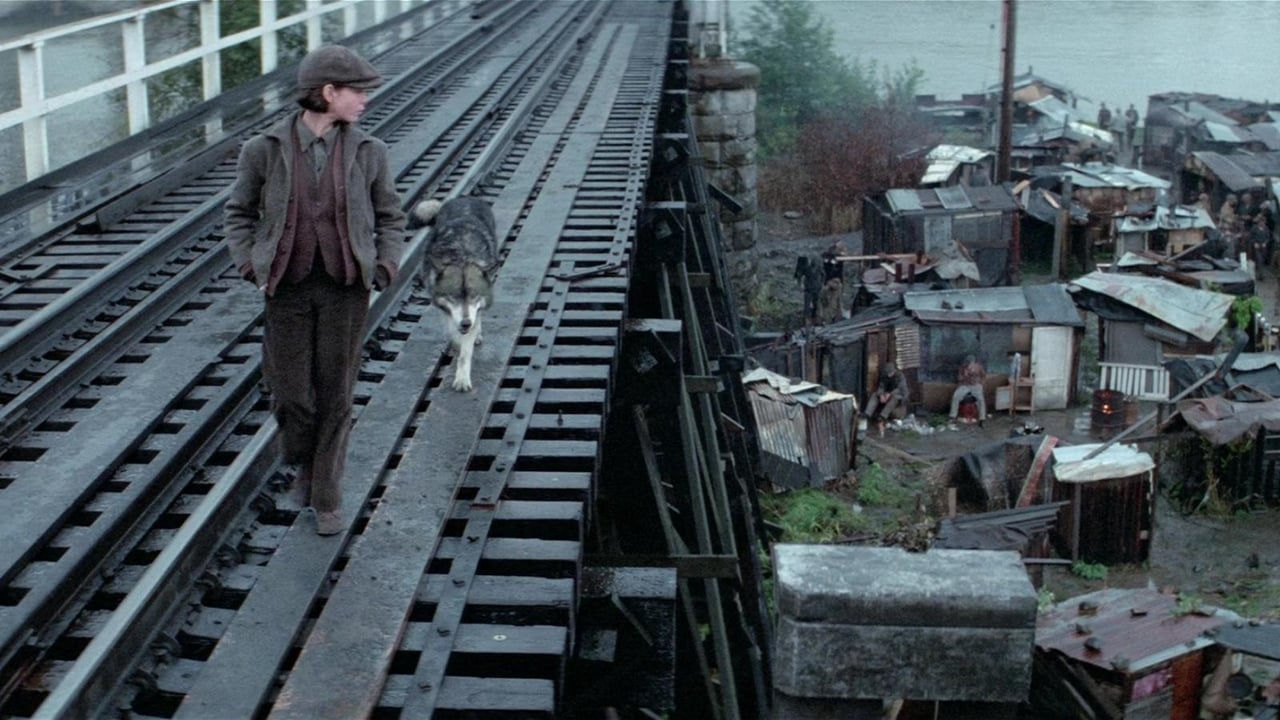
The Journey of Natty Gann wasn't a massive blockbuster; filmed on a modest $6 million budget (around $17 million today), it brought in just under $10 million at the box office. But its impact wasn't measured in dollars. It represented a shift for Disney, an attempt to tackle more mature themes within a family-friendly framework. Filmed primarily on location in the rugged, gorgeous landscapes of British Columbia, Canada, the film feels authentic. The period details, from the Hoovervilles to the logging camps, are meticulously recreated.
Another standout element is the score by the legendary James Horner. Fresh off scoring Cocoon the same year and just before his iconic work on Aliens (1986), Horner provides a sweeping, evocative soundtrack that perfectly complements the film's blend of adventure and melancholy. It swells with the beauty of the wilderness and underscores the emotional weight of Natty’s quest. It's one of those scores that instantly transports you back.
The film wasn't without its production challenges, facing tough weather conditions and the complexities of working extensively with an animal actor. But the result is a film with a tangible sense of place and purpose. It’s a story about finding family, both the one you're born into and the one you make along the way, set against a specific, challenging moment in history.
### The Verdict

The Journey of Natty Gann might not have the flashy effects or pop-culture ubiquity of some other 80s classics, but its enduring appeal lies in its heart, its authenticity, and its quiet power. It’s a beautifully shot, impeccably acted adventure grounded in historical reality, telling a timeless story of courage and connection. Salenger’s performance is truly remarkable, and the bond with Wolf is unforgettable. It might feel a touch slow by today's hyper-paced standards, but its emotional resonance remains undiminished. It’s a film that respects its audience, trusts them to engage with its themes, and rewards them with a deeply moving experience. For its stunning visuals, powerful performances, evocative score, and sheer narrative heart that dared to blend Disney adventure with stark realism:
Rating: 8/10
It’s a reminder that sometimes the greatest adventures aren't found in distant galaxies, but in the resilience of the human spirit facing the long, hard road home. A true gem from the Disney vault that deserves to be rediscovered.