It wasn't just a movie; for many of us popping that worn VHS cassette into the VCR back in '93, it felt like an event. More than just a boy-and-his-whale tale, Free Willy arrived with a surprising emotional resonance, a story that tapped into something primal about freedom and connection, all centered around a magnificent orca whose real-life story was almost as dramatic as the one on screen. This wasn't just another family film filling the shelves at Blockbuster; it was a phenomenon.
### More Than Just a Splash
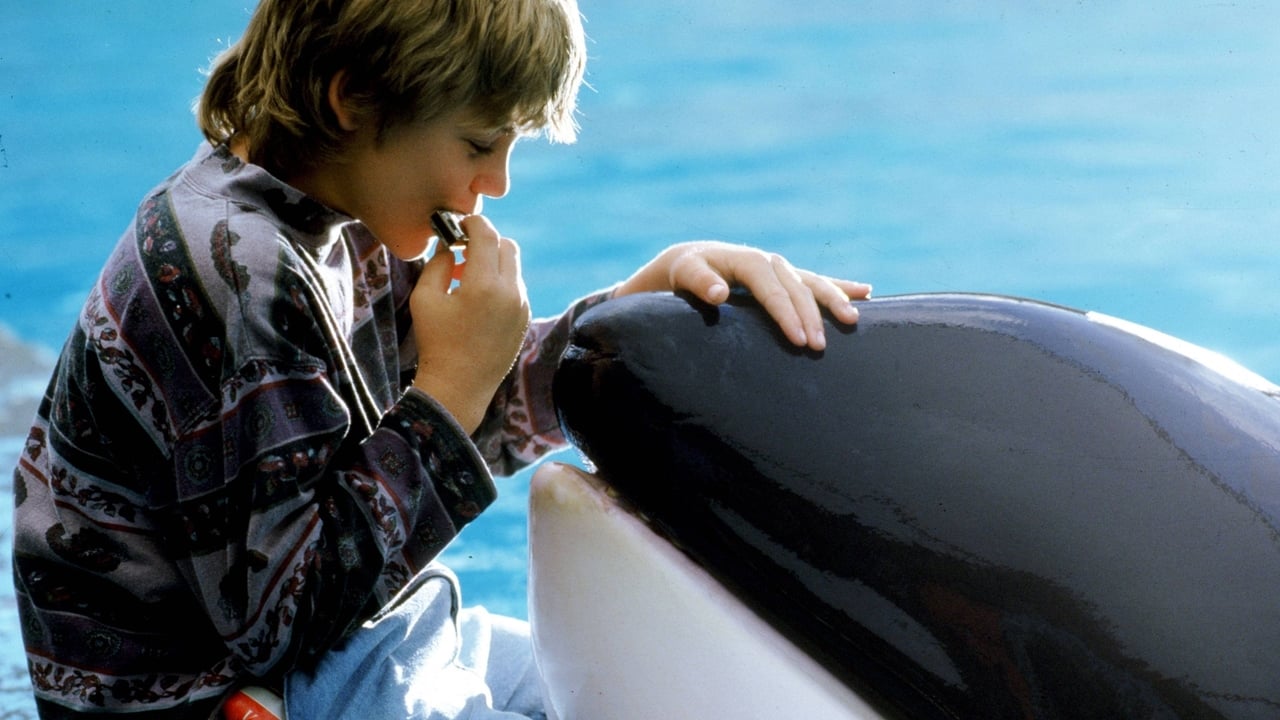
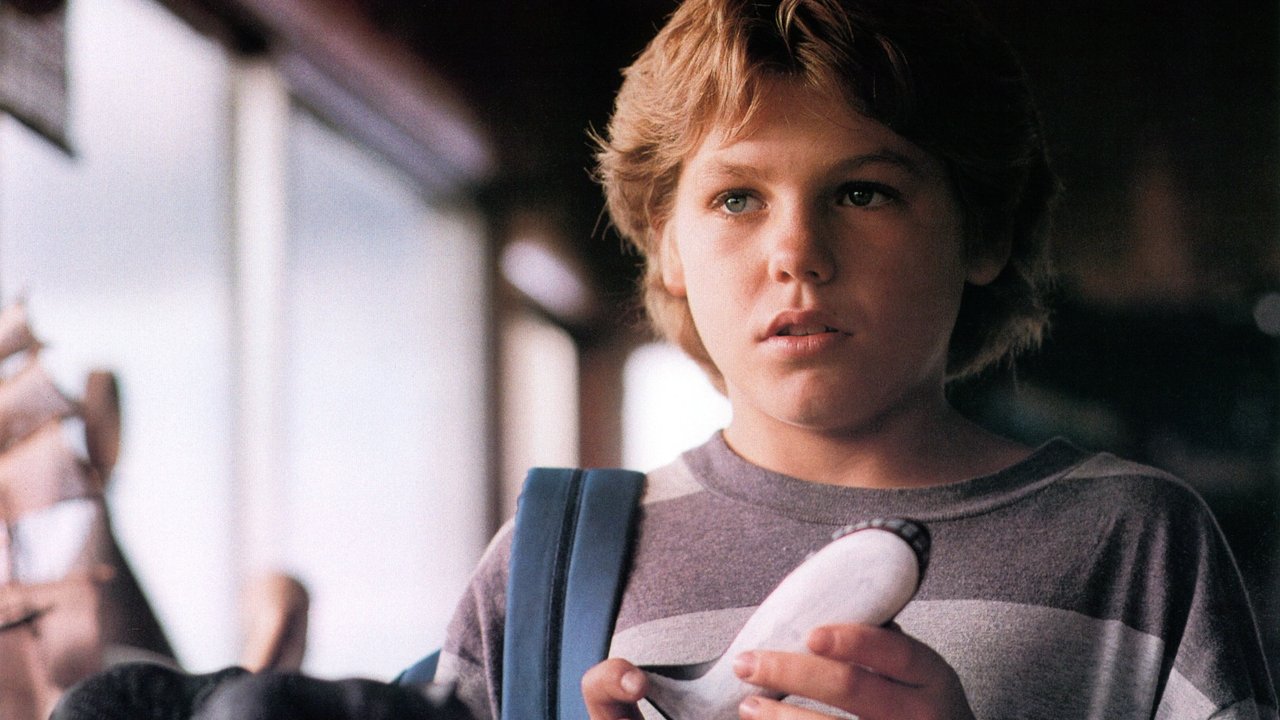
Directed by Australian filmmaker Simon Wincer, who was perhaps better known for rugged adventures like Quigley Down Under (1990) and the acclaimed mini-series Lonesome Dove (1989), Free Willy represented a gentler, though no less grand, kind of spectacle. The story, penned by Keith A. Walker and Corey Blechman, is simple yet effective: Jesse (Jason James Richter in his debut role), a troubled foster kid caught vandalizing a marine park, is assigned to clean up his mess. There, he forms an unlikely, profound bond with Willy, a captive orca suffering from the stress of confinement and separation from his family. Willy is withdrawn and uncooperative with trainers, but under Jesse’s patient friendship, he begins to thrive. Of course, the park's greedy owner (played with sneering efficiency by Michael Ironside) sees only dollar signs, leading Jesse and his newfound allies, including compassionate trainer Rae Lindley (Lori Petty) and kindly caretaker Randolph Johnson (August Schellenberg), to hatch a desperate plan to return Willy to the ocean.
What elevates Free Willy beyond standard family fare is its earnest heart. Richter, despite being a newcomer, conveyed Jesse's loneliness and gradual opening-up with believable vulnerability. His scenes with Willy – a combination of the real orca, Keiko, and sophisticated animatronics – feel genuine. You believe in their connection, in Jesse’s whispered promises and Willy’s intelligent responses. Lori Petty, fresh off A League of Their Own (1992), brought her characteristic warmth and slight edge to Rae, while Jayne Atkinson grounded the emotional core as Jesse’s patient foster mother, Annie Greenwood.
### The Keiko Factor and Movie Magic
Let's talk about the whale in the room. Much of the film's power, and indeed its subsequent legacy, is tied to Keiko, the actual Icelandic-born orca who portrayed Willy. Captured near Iceland in 1979, Keiko lived in several aquariums before landing at Reino Aventura park in Mexico City, where his health was declining in inadequate conditions. The filmmakers used Keiko for many surface-level and wider shots, but the film's more complex interactions and, crucially, the famous climactic jump, relied heavily on groundbreaking animatronics designed by Walt Conti (who later worked on Anaconda and Deep Blue Sea). These weren't just rubber props; they were intricate hydraulic and electronic marvels that seamlessly blended with footage of the real Keiko, creating a believable performance that captivated audiences. The sheer scale of Willy on screen felt immense on our old CRT TVs, a truly majestic presence.
The success of Free Willy – it grossed a staggering $153.7 million worldwide against a $20 million budget – shone a massive spotlight on Keiko's plight. Public awareness surged, fueled by the film’s powerful conservationist message and that Michael Jackson theme song ("Will You Be There") playing over the end credits. It led to the formation of the Free Willy-Keiko Foundation, a massive fundraising effort (including donations from Warner Bros. and McCaw Cellular), and Keiko's eventual move to better facilities, first at the Oregon Coast Aquarium and later, controversially, back to the waters of Iceland. While Keiko's story didn't have the perfect Hollywood ending (he struggled to adapt to the wild and died of pneumonia in 2003), the film undeniably sparked a global conversation about marine mammal captivity that continues today.
### That Unforgettable Leap
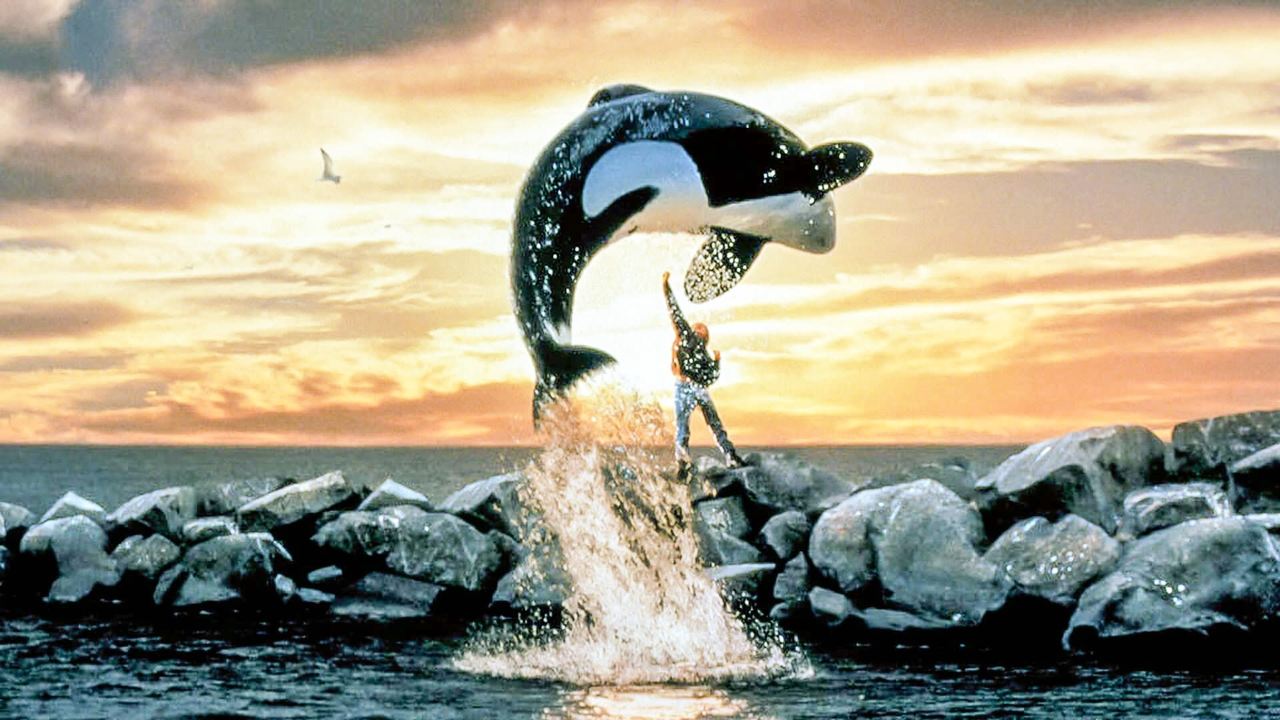
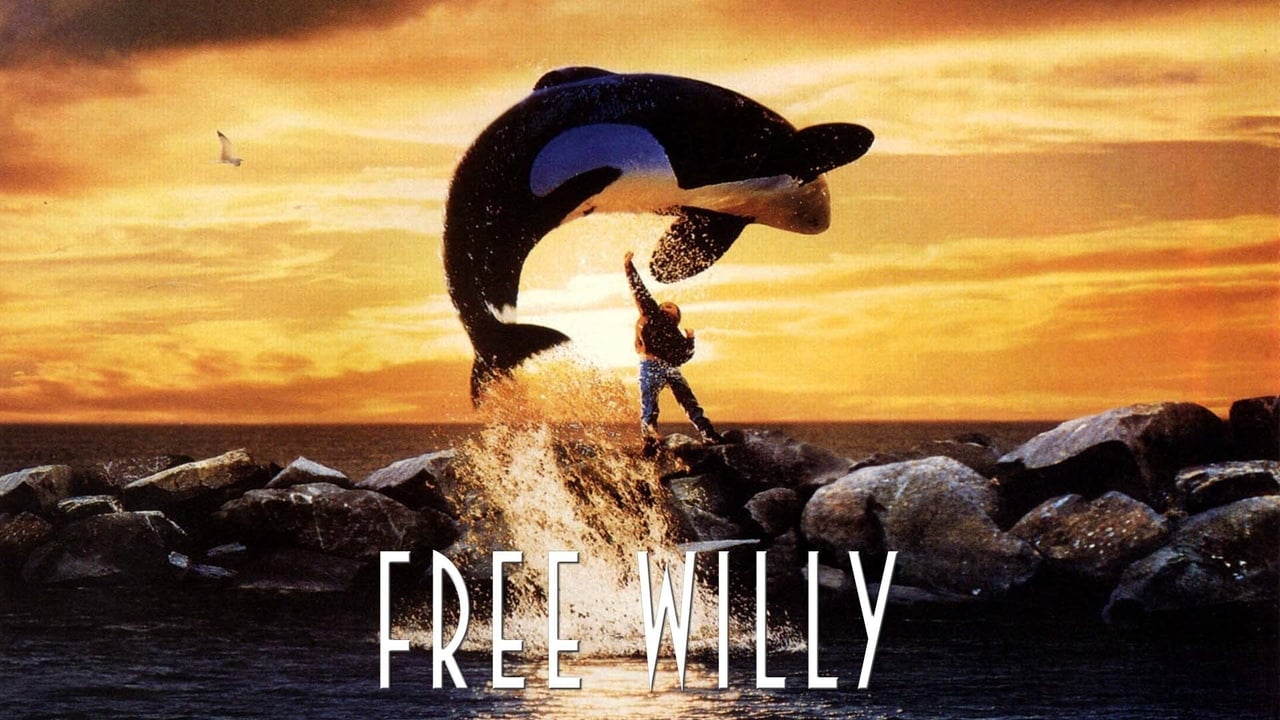
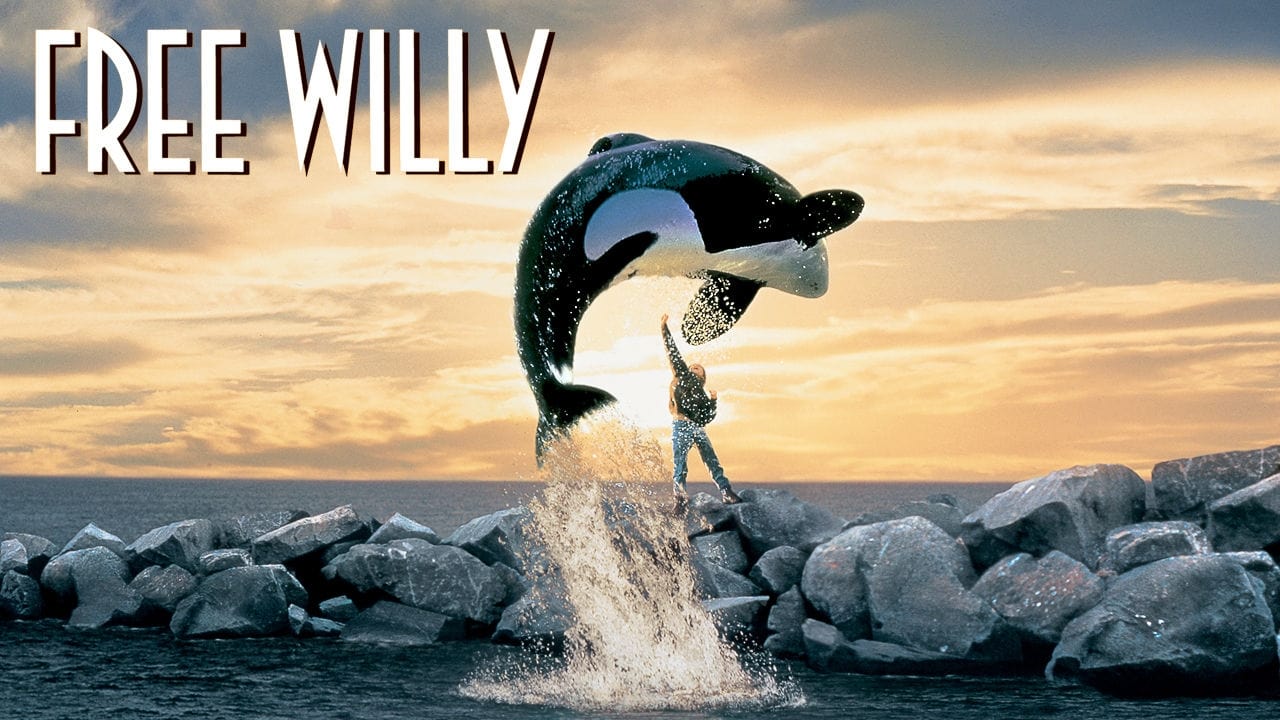
Of course, no discussion of Free Willy is complete without mentioning the jump. Jesse standing on the jetty, Willy racing towards the breakwater, the soaring arc against the sunset sky – it's pure cinematic wish-fulfillment, perfectly scored by Basil Poledouris's triumphant music. It didn't matter that we knew it was largely effects wizardry; the emotional payoff was immense. I remember the collective gasp in the cinema, the sheer exhilaration of that moment. It was the kind of movie magic that made you believe, even just for a second, that anything was possible. It's a scene etched into the memory of a generation, a visual shorthand for freedom and overcoming impossible odds. Did anyone else spend ages trying to whistle exactly like Jesse afterwards? Just me?
While some elements, like the rather one-dimensional villains and the occasionally earnest dialogue, might feel a little dated now, the core relationship and the film's genuine spirit remain affecting. It tapped into that childhood yearning for a special connection with an animal, amplified by the sheer awe-inspiring presence of an orca. It also subtly tackled themes of displacement, finding family in unexpected places, and fighting for what's right, resonating with kids and adults alike. The film spawned two sequels (Free Willy 2: The Adventure Home in 1995 and Free Willy 3: The Rescue in 1997, plus a later direct-to-video reboot), but none captured the lightning-in-a-bottle magic of the original.
Rating: 8/10
Free Willy earns its high score not just for its technical achievements or box office success, but for its enduring emotional impact. It blended spectacular wildlife footage (both real and created) with a heartfelt story about friendship and freedom, creating a genuine 90s family classic. The performances are solid, the message is powerful (and sparked real-world action), and that jump remains an iconic movie moment. It might be earnest, occasionally sentimental, but its heart is undeniably in the right place, making it a film that still resonates with the kid in all of us who once dreamed of setting something magnificent free.