There's a certain quiet dignity that settles over you when watching Caroline Thompson's 1994 adaptation of Black Beauty. It wasn't the kind of film that screamed for attention from the New Releases wall at Blockbuster, nestled perhaps between high-octane action flicks and animated giants. Yet, sliding that tape into the VCR often unlocked something unexpectedly profound: a journey seen through eyes that understood the world in ways both simpler and perhaps deeper than our own. This wasn't just another animal movie; it felt like bearing witness.
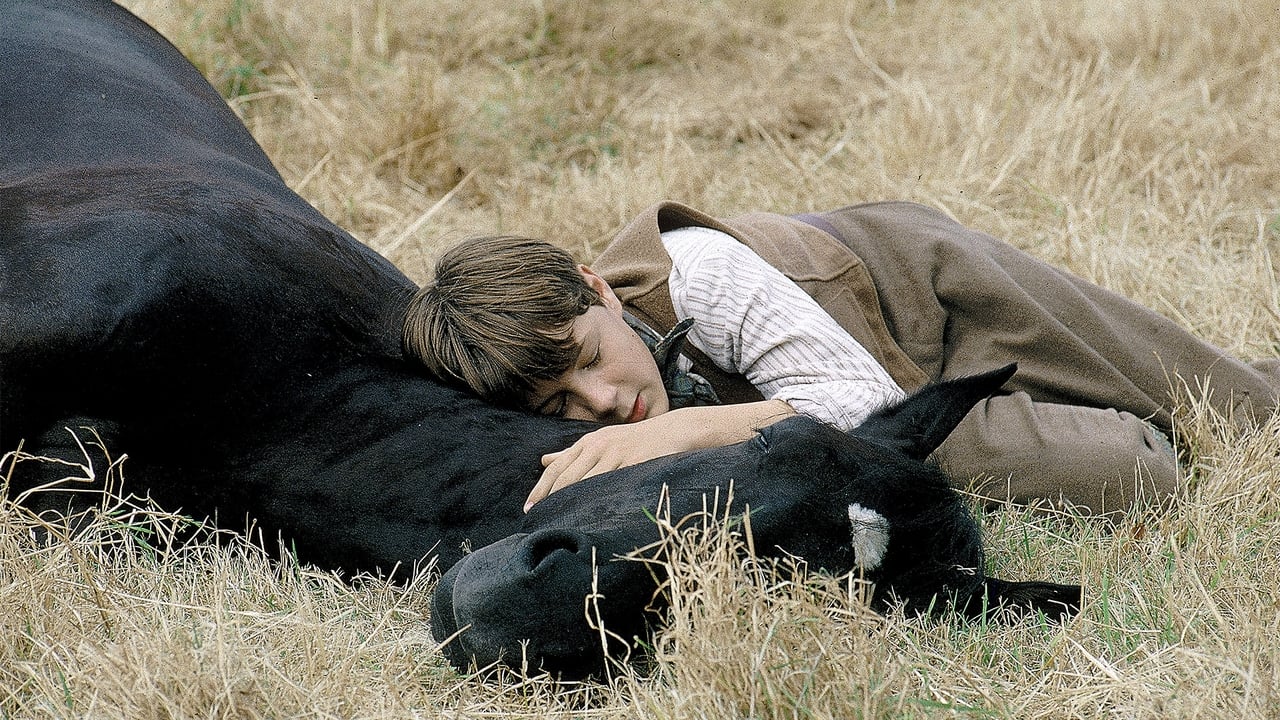
A Horse's Perspective, A Human Truth
What immediately sets this version apart, and perhaps makes it the most faithful cinematic interpretation of Anna Sewell's enduring 1877 novel, is its unwavering commitment to the source material's narrative voice. The story is Black Beauty's autobiography, narrated with gentle wisdom and understated emotion by Alan Cumming. It's a performance that avoids the pitfalls of excessive anthropomorphism; Beauty observes, feels, and remembers, but his perspective remains distinctly equine. Cumming's voice carries the weight of experience – the joy of a sunny meadow, the terror of a stable fire, the dull ache of exhaustion, the quiet comfort of a kind hand. It’s a performance that feels remarkably truthful, inviting empathy rather than demanding it.
Thompson, making her directorial debut here after penning beloved, darkly whimsical scripts like Edward Scissorhands (1990) and The Nightmare Before Christmas (1993), brings a surprising groundedness to the material. She resists the urge to sweeten Sewell's potent social commentary on animal welfare. The film doesn't shy away from depicting the casual cruelty and systemic hardships faced by horses in Victorian England – the harsh bearing reins, the demanding labor, the callous disregard of neglectful owners. It trusts the audience, even younger viewers, to understand the injustice without needing it spelled out in primary colours. I distinctly remember watching this as a kid, the tape borrowed from a neighbour, and feeling a genuine pang of sorrow for Beauty's plight – a formative lesson in compassion delivered not through lectures, but through experiencing the world alongside him.
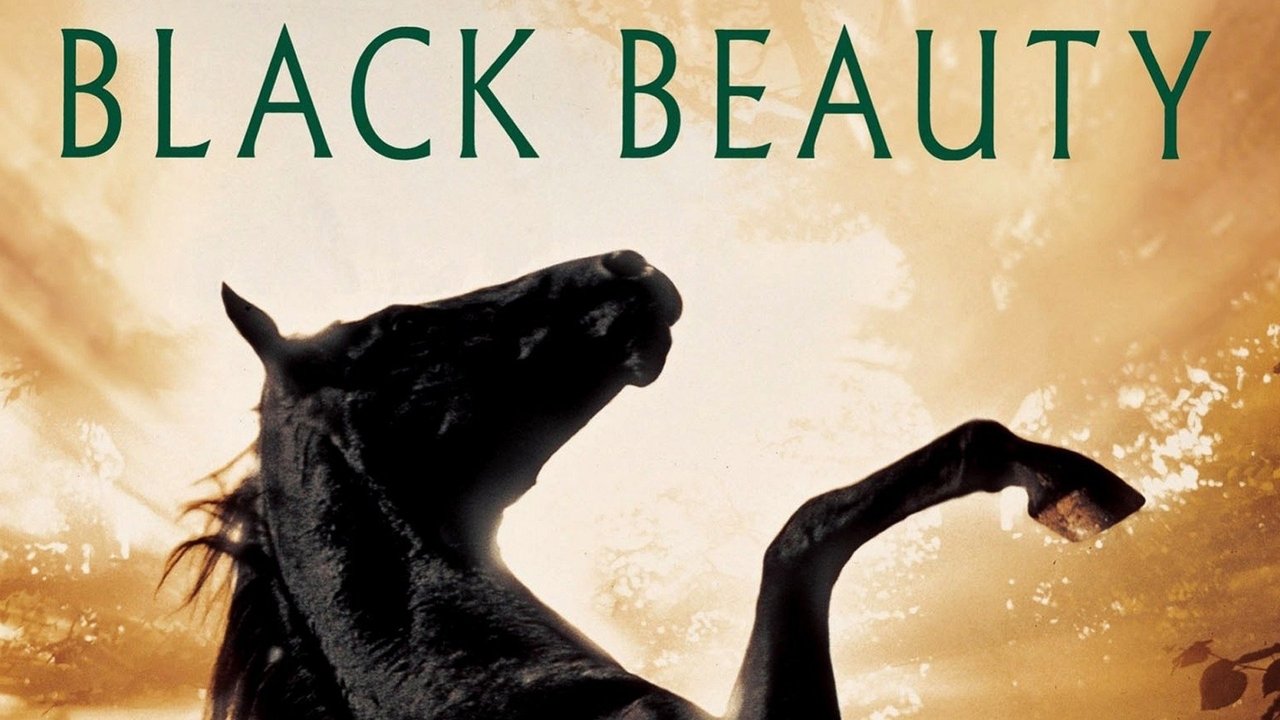
Moments That Linger
The film unfolds episodically, mirroring the novel's structure as Beauty passes through various hands – from the idyllic pastures of Farmer Grey (a wonderfully gentle Sean Bean) to the harsh realities of life as a London cab horse under the care of the kind but struggling Jerry Barker (David Thewlis, radiating warmth even amidst hardship). Each chapter brings new characters and challenges, highlighting the spectrum of human behaviour towards animals, from profound kindness to thoughtless brutality.
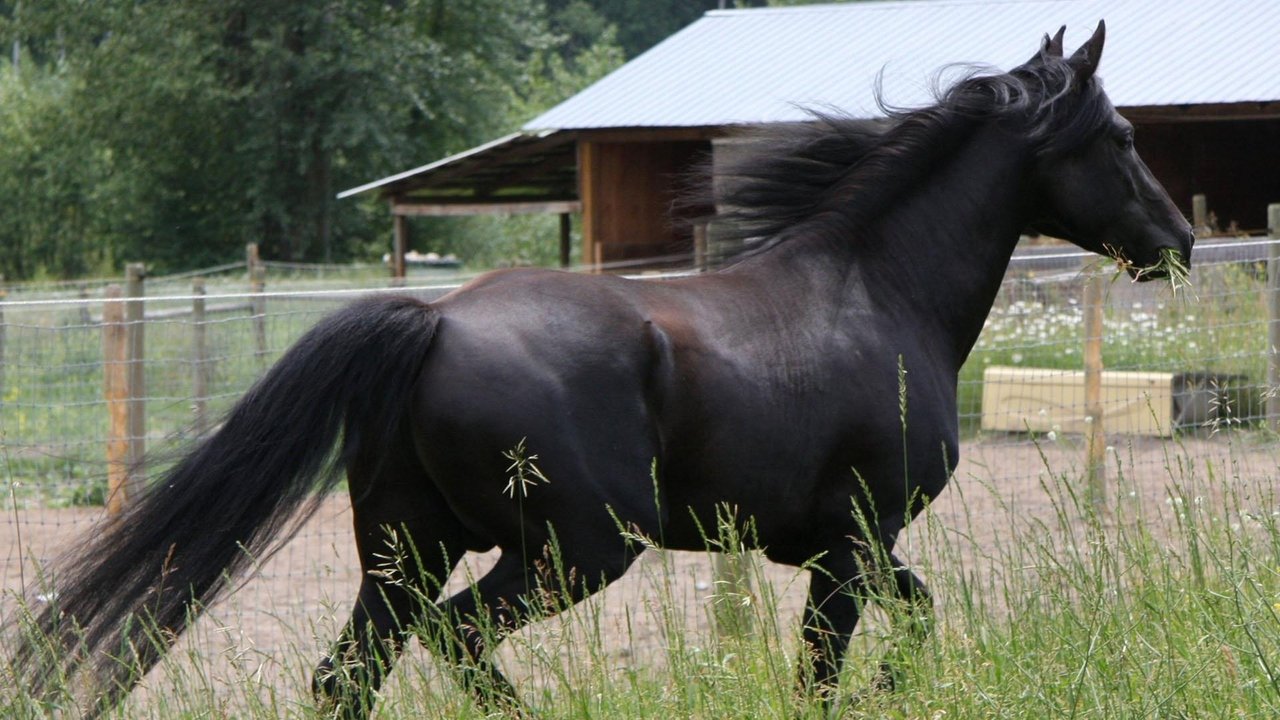
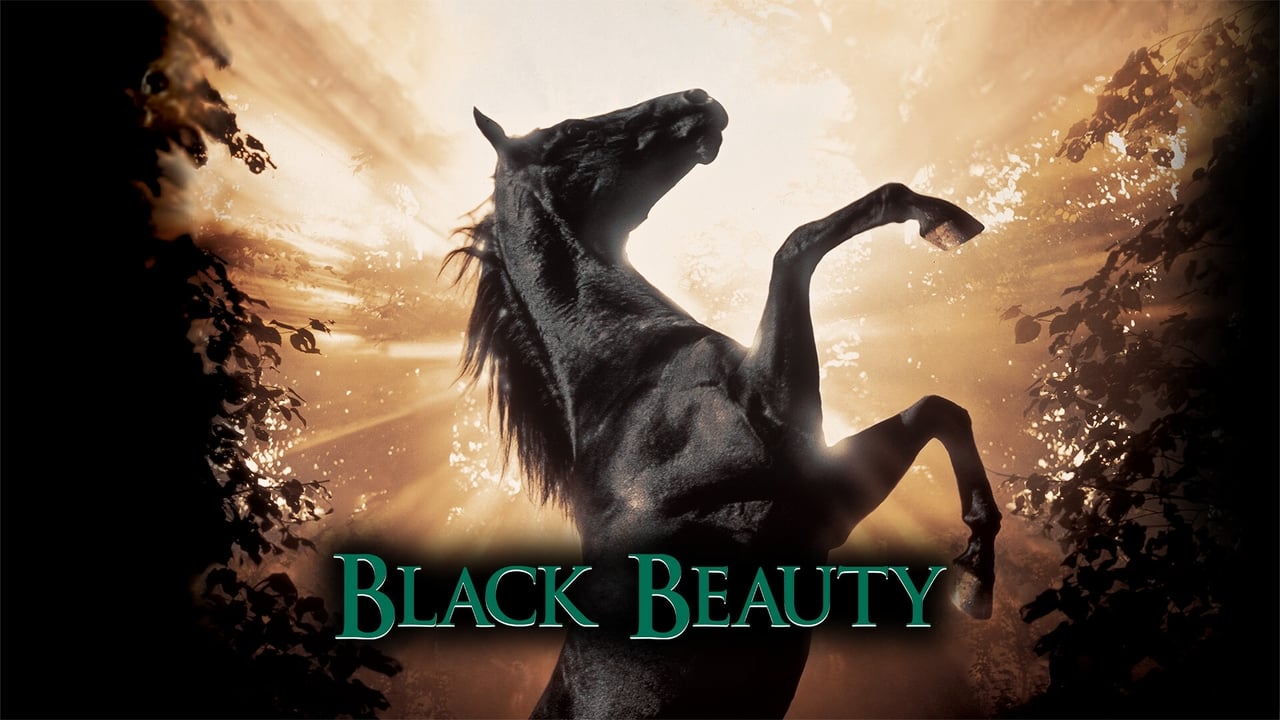
The cinematography by Alex Thomson beautifully captures both the lush English countryside and the grimy, bustling streets of London. There's a tangible sense of place, and the camera often lingers on the expressive eyes of the horses, allowing their silent communication to resonate. It's worth noting that several different handsome black horses were used to portray Beauty at various stages of his life, a common practice handled seamlessly here through careful training and editing, preserving the illusion of a single, continuous consciousness.
Beyond the Pasture: Production Notes
Adapting such a beloved, message-driven novel was no small feat. Thompson reportedly fought hard to maintain the integrity of Sewell's vision, including the narration from Beauty's perspective, a crucial element often diluted in other adaptations. While considered a modest production ($18 million budget), the film boasts impressive period detail and skillful handling of its equine stars. Sadly, it didn't achieve huge box office success upon release (recouping only about $4.6 million domestically), perhaps getting lost amidst the louder cinematic landscape of the mid-90s. However, its enduring life on VHS and subsequent home media formats allowed it to find its rightful place as a cherished family classic, quietly teaching empathy to generations. It became one of those reliable rentals, a tape whose worn cover promised a moving, thoughtful experience.
Why It Still Resonates
Does the film feel dated? Perhaps in its pacing, which is deliberately unhurried compared to modern family fare. Yet, its core message feels timeless. Watching it again now, the film doesn't just evoke nostalgia for the VHS era; it prompts reflection on our own relationship with the animals who share our world. How much has truly changed? The film’s quiet power lies in its ability to foster empathy, to make us consider the inner lives of creatures unable to speak for themselves. It avoids sentimentality, opting instead for genuine sentiment. The kindness shown by characters like Joe Green or Jerry Barker feels earned and deeply affecting, small beacons of light in a sometimes harsh world.
Rating: 8/10
This score reflects the film's heartfelt sincerity, Alan Cumming's superb voice work, its beautiful visuals, and its faithful, respectful adaptation of a literary classic. It successfully translates the novel's emotional core and enduring message to the screen without resorting to cheap sentiment. While its episodic nature and gentle pace might not grip every viewer accustomed to faster narratives, its quiet power and profound empathy make it a standout family film from the 90s.
Black Beauty remains a poignant reminder, delivered with grace and dignity, that kindness is a language understood by all creatures, great and small. It’s a film that stays with you, less for specific plot points, perhaps, and more for the quiet ache of understanding it fosters long after the credits roll and the VCR clicks off.