Far from Home: The Adventures of Yellow Dog
Here we go, popping another well-loved tape into the VCR of our memories. Remember that feeling? The satisfying clunk, the whir of the machine coming to life... sometimes, the film that followed wasn't a flashy blockbuster, but something quieter, more heartfelt, yet just as gripping. That's exactly the space Far from Home: The Adventures of Yellow Dog occupies. Released in 1995, this wasn't about aliens or explosions; it was about a bond, resilience, and the breathtaking, unforgiving beauty of the wild – a pure shot of adventure straight to the young heart.
### Lost in the Majestic Wild
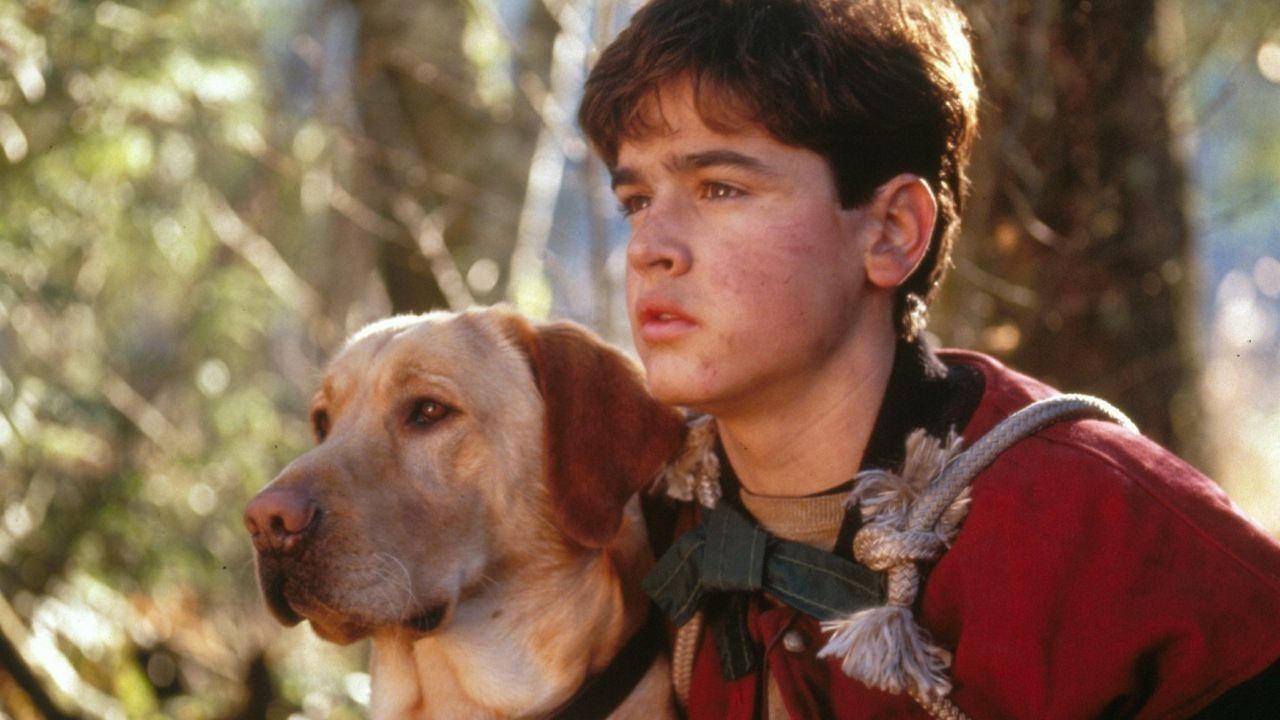
The premise is beautifully simple, tapping into that primal fear and fantasy of being lost: young Angus McCormick (Jesse Bradford, who many would later recognize from films like Bring It On and Flags of Our Fathers) is sailing with his father (Bruce Davison) and their faithful Golden Retriever, Yellow, off the coast of British Columbia. When a sudden storm capsizes their boat, Angus and Yellow are washed ashore, miles from civilization. What follows is a classic survival tale, pitting boy and dog against the vast, indifferent wilderness while Angus's frantic parents (Mimi Rogers joins Davison as the worried mother) coordinate a desperate search. It’s the kind of story that felt intensely real projected onto our CRT screens, the stakes impossibly high because that connection between Angus and Yellow felt so genuine.
### More Than Just a Boy and His Dog
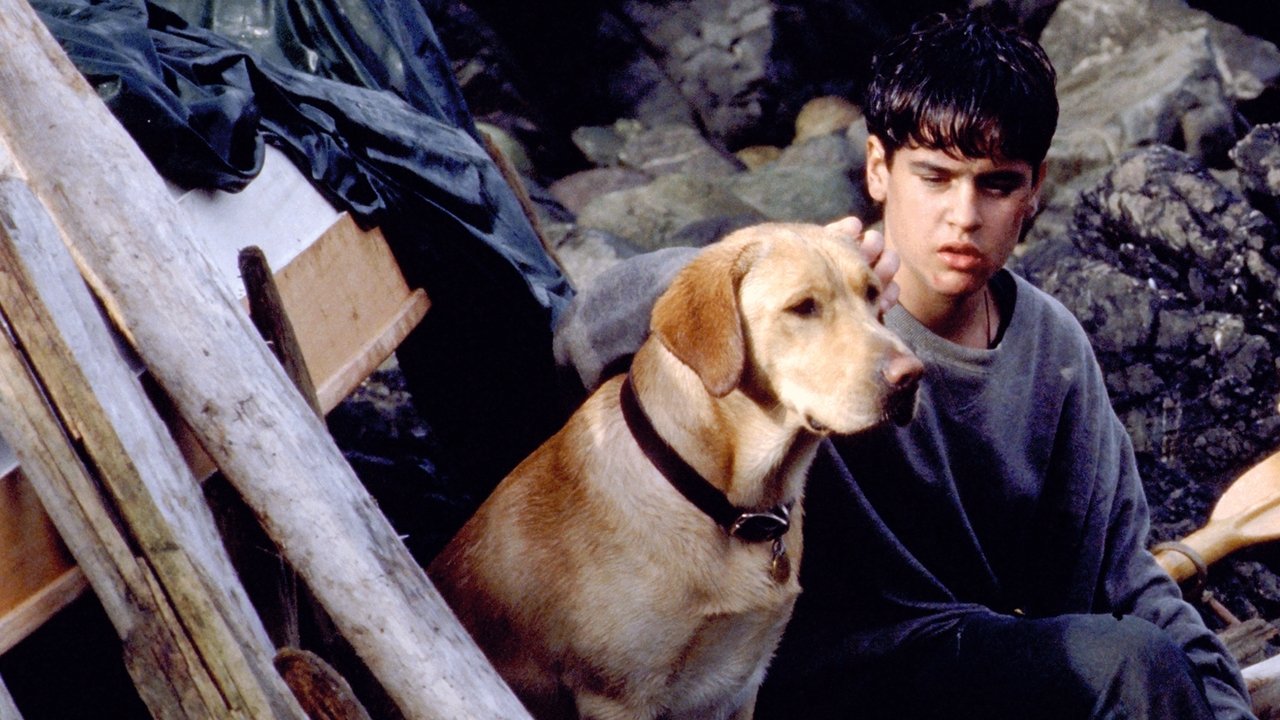
What elevates Far From Home beyond a standard kids' adventure is its grounded approach. Director Phillip Borsos, who also penned the screenplay, resisted the urge to overly anthropomorphize Yellow or sanitize the dangers. Angus faces real challenges: hunger, cold, predators, the sheer difficulty of navigation. We see him learn, adapt, and rely utterly on his canine companion, whose instincts and loyalty are portrayed realistically. Jesse Bradford gives a remarkably strong performance for a young actor, conveying fear, determination, and the deep affection for Yellow without excessive melodrama. You really believe in his struggle and his resourcefulness. I remember watching certain scenes – Angus trying to fish, or building a makeshift shelter – and feeling completely invested, maybe even taking mental notes just in case I ever got lost with my dog (thankfully, that never happened!).
The film doesn't shy away from the emotional toll on the parents, either. Mimi Rogers and Bruce Davison effectively portray the agony and helplessness of waiting, adding another layer of tension that counterbalances Angus and Yellow's immediate fight for survival. It grounds the adventure in familial love, making the reunion they all hope for feel incredibly important.
### Wilderness Wisdom and Production Notes
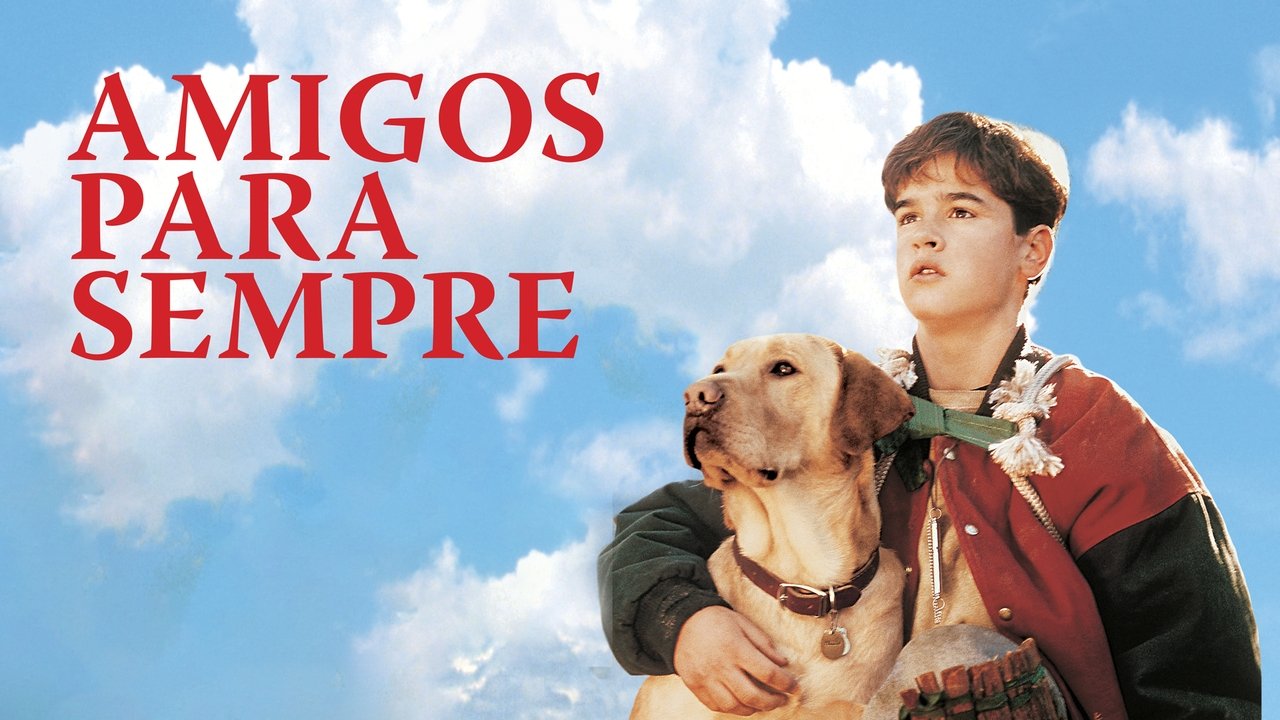
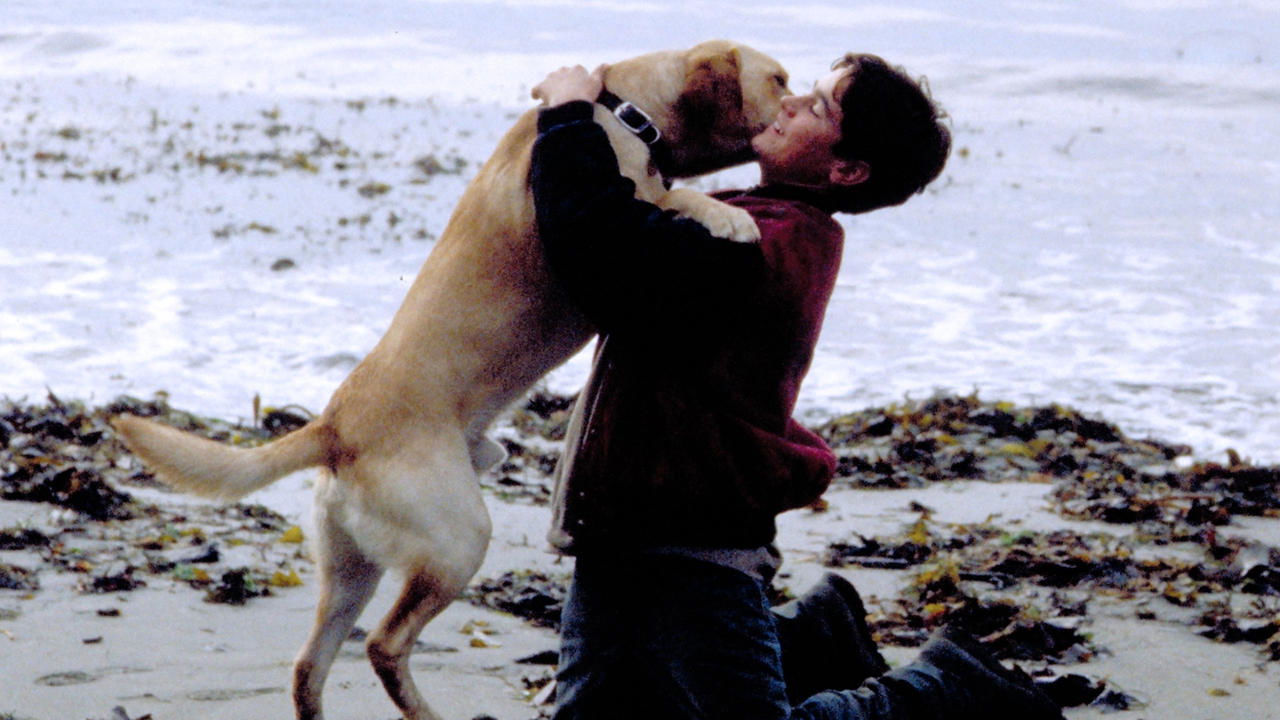
Filmed on location in the stunning, rugged landscapes of British Columbia, the wilderness itself becomes a character. The cinematography captures both its awe-inspiring beauty and its inherent dangers magnificently. You feel the isolation, the scale of the mountains and forests dwarfing the small figures of the boy and his dog. It’s a visual feast that truly benefited from being seen, even on a fuzzy VHS tape, reminding us of the power of practical locations over green screens.
Digging into the production adds a layer of poignancy. This was tragically the final film for director Phillip Borsos (known previously for The Grey Fox and One Magic Christmas), who sadly passed away from leukemia shortly after its release in February 1995. Knowing this lends the film's themes of survival and perseverance an extra, bittersweet resonance. It performed modestly at the box office, pulling in around $11.7 million domestically against a reported $15 million budget, but like so many gems from this era, it found a dedicated following on home video – becoming a staple rental for families seeking heartfelt adventure. The canine star, Dakotah, who played Yellow, was apparently a consummate professional, making that essential boy-dog chemistry believable on screen. There’s an earnestness to the filmmaking here, a lack of cynicism that feels refreshing.
### Enduring Charm in a Simple Story
Does Far From Home hold up perfectly today? Perhaps its pacing feels a little more deliberate than modern family fare, and the plot follows a fairly predictable path. But its strengths remain undeniable. The core relationship between Angus and Yellow is timelessly affecting. The survival elements feel credible and engaging, avoiding slapstick or overly convenient solutions. It respects its audience, young and old, trusting them to connect with a straightforward story told with sincerity and skill. It’s a reminder that sometimes the most powerful adventures are the ones focused on fundamental connections – family, loyalty, and the will to endure. We didn’t need quippy sidekicks or CGI magic back then; the sight of a determined kid and his loyal dog against the vast wilderness was more than enough to keep us glued to the screen.
VHS Heaven Rating: 7.5/10
Justification: While perhaps not a groundbreaking classic, Far From Home: The Adventures of Yellow Dog is a beautifully crafted, genuinely affecting family adventure film. Its strengths lie in its stunning location work, strong central performances (human and canine!), and its earnest, grounded approach to the survival genre. It earns points for its emotional resonance and respect for its audience, delivering a compelling story without resorting to excessive sentimentality or gimmickry. It might feel a touch slow by today's standards, but its heart is firmly in the right place, making it a standout piece of 90s family filmmaking.
Final Thought: A film that reminds you of the simple power of loyalty and the breathtaking scale of the natural world – a warm, rugged adventure that still tugs at the heartstrings, just like a well-loved Golden Retriever greeting you at the door.