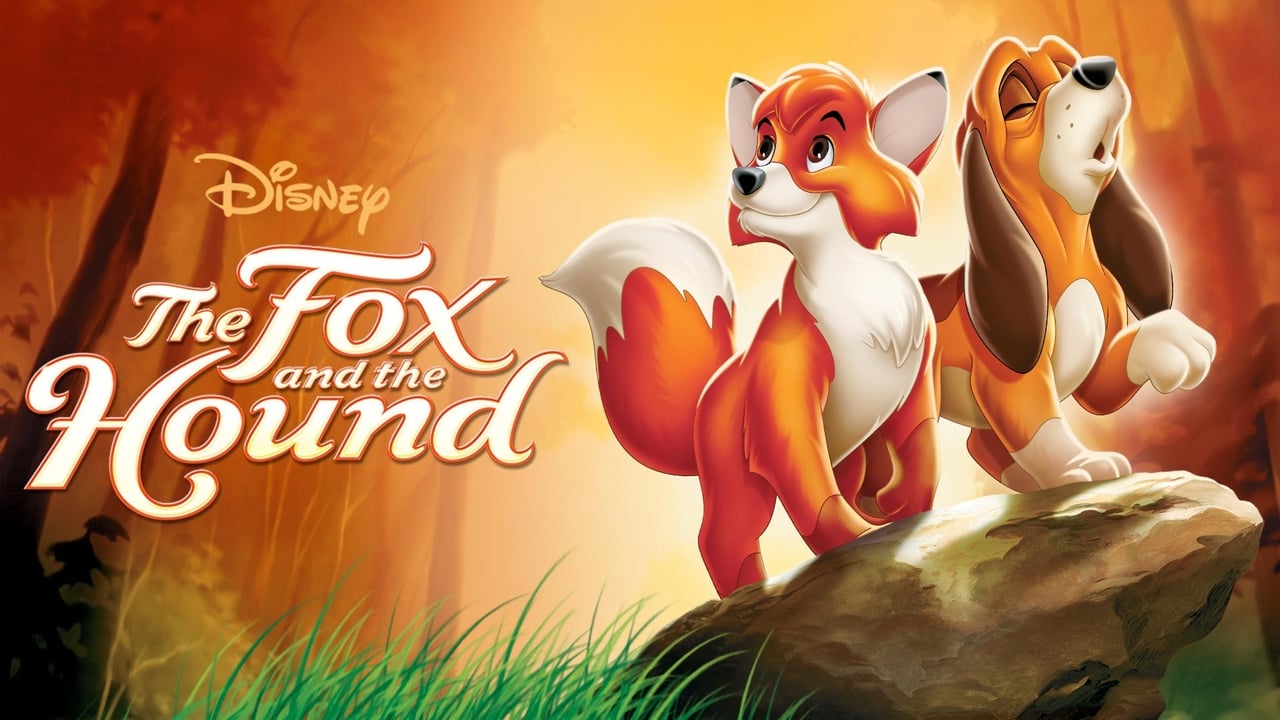
Ah, grab a comfy spot on the couch, maybe rewind that imaginary tape in your mind for a moment. Let’s talk about a film that, nestled amongst the Disney classics on the video store shelf, perhaps promised woodland fun but delivered something unexpectedly poignant, something that stuck with you long after the credits rolled. I’m talking about The Fox and the Hound (1981), a film that, for many of us growing up in the VHS era, was an early lesson in the bittersweet realities of life, wrapped in gorgeous Disney animation. It wasn't quite the rollicking adventure of Robin Hood or the fairytale magic of Cinderella; it had a weight to it, an emotional resonance that felt remarkably grown-up, even then.
### A Friendship Forged in Innocence
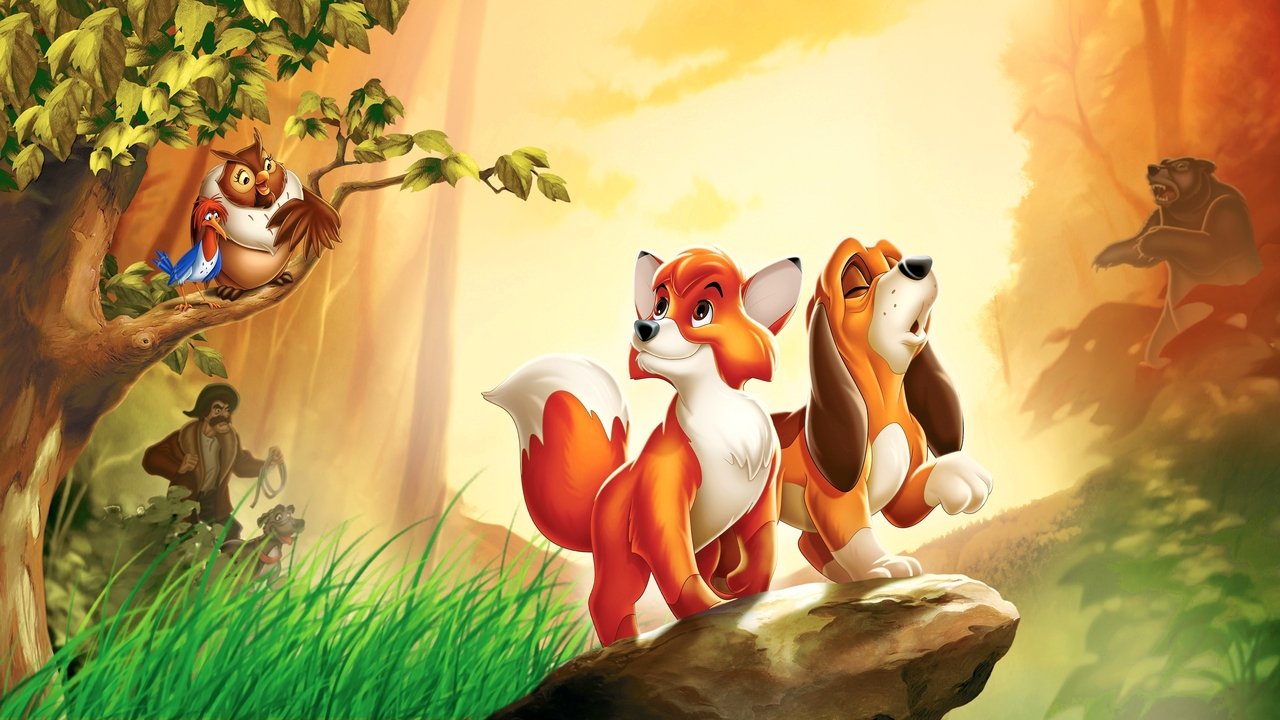
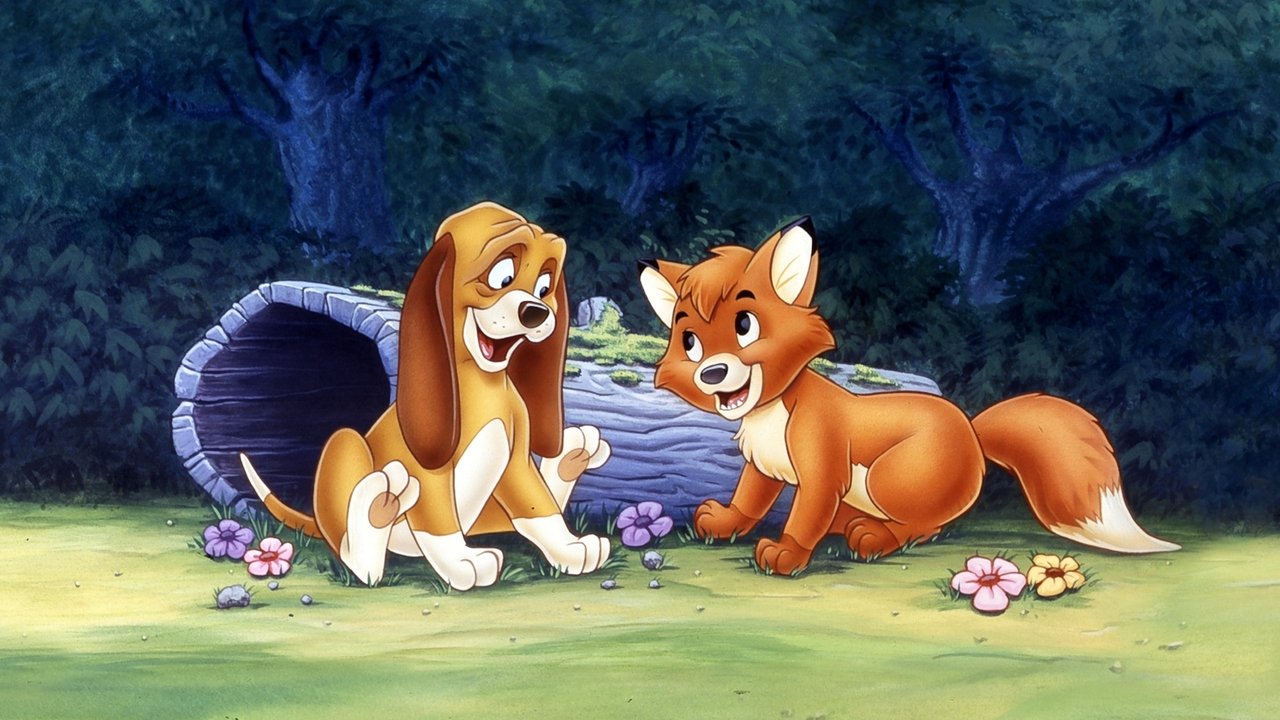
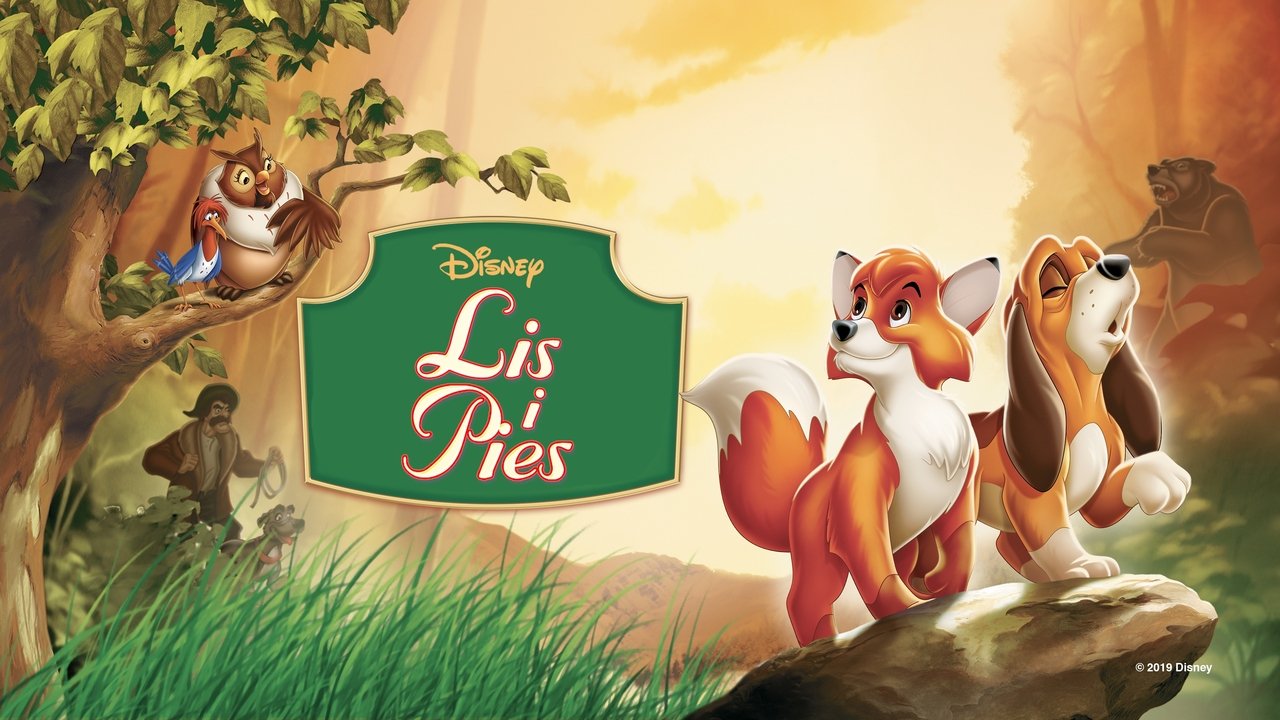
The core of the film is deceptively simple, yet profoundly effective: the story of Tod, an orphaned fox kit taken in by the kindly Widow Tweed, and Copper, a hound puppy brought home by the gruff hunter Amos Slade. Their initial meeting is pure, unadulterated childhood joy captured on film. Remember those scenes? The two tumbling and playing, blissfully unaware of the futures society—and their very natures—had mapped out for them. The animation, bridging the gap between Disney's legendary "Nine Old Men" and the next generation of artists (including early work from future titans like Glen Keane and Ron Clements), perfectly captures this youthful energy. There's a softness, a warmth to the visuals, particularly in the depiction of the forest and its inhabitants, that makes their burgeoning friendship feel utterly believable and deeply charming.
### Voices That Bring Heartbreak and Humor
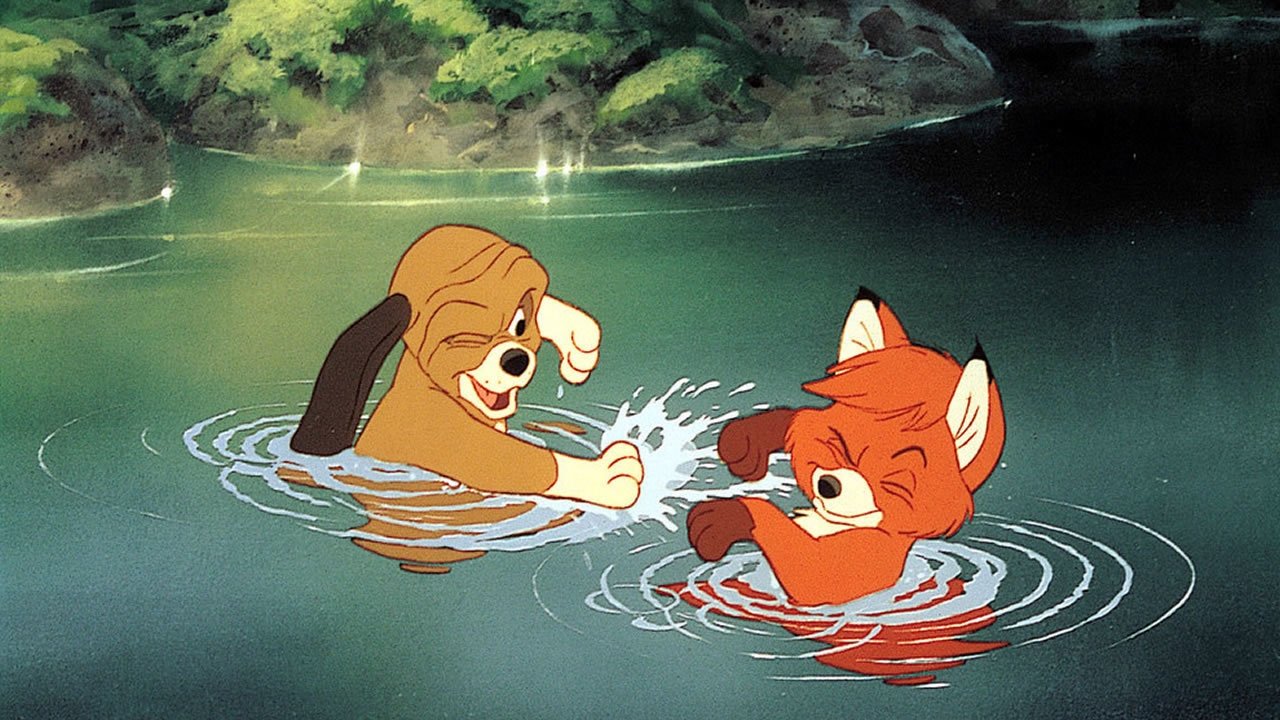
The voice casting was spot-on, lending real character depth. Hearing the legendary Mickey Rooney as the adult Tod brought a certain earnestness and vulnerability, while a young Kurt Russell, already a familiar face but solidifying his transition to adult roles (not long after his work with John Carpenter on Escape from New York released the same year), gave the adult Copper a conflicted sense of duty and loyalty. And who could forget the inimitable Pearl Bailey as Big Mama, the wise owl who acts as a sort of narrator and conscience? Her rendition of "Best of Friends" is pure comfort, tinged with the sad knowledge of what's to come. Supporting characters like Dinky the finch and Boomer the woodpecker provide necessary comic relief, their relentless pursuit of Squeaks the caterpillar offering brief, welcome respites from the central emotional drama. Even the younger voices, like Corey Feldman as young Copper and Keith Coogan as young Tod, perfectly capture that initial, innocent spark.
### When the World Intrudes
Of course, the heart of The Fox and the Hound lies in its exploration of how societal pressures and predetermined roles can irrevocably alter even the purest bonds. "Foxes and hounds are supposed to be enemies," they're told, and as Tod and Copper grow, the world conspires to make it so. This theme felt surprisingly complex for a Disney feature at the time, especially compared to the more clear-cut good-versus-evil narratives often seen. The film doesn't shy away from the sadness of their forced separation and the painful realization that their friendship cannot survive the expectations placed upon them. It was, perhaps, one of the first times many kids experienced that pang of melancholy watching an animated film, that sense that sometimes, things just don't work out the way you wish they would.
### Behind the Animation Cels: A Tale of Transition
The production itself mirrored some of the film's themes of change and transition. It took a surprisingly long time to reach the screen, entering production in 1977 but not released until 1981. This period was marked by significant upheaval at Disney Animation, including the departure of influential animator Don Bluth and several colleagues, who felt the studio was losing its way. This internal friction undoubtedly contributed to the lengthy schedule and budget, which ballooned to $12 million – a hefty sum for animation back then. However, the film ultimately proved a success, grossing over $63.5 million worldwide, demonstrating that audiences were ready for Disney stories with a bit more emotional depth. It's also fascinating to note that the film is based on a 1967 novel by Daniel P. Mannix, which is significantly darker and more tragic than the Disney adaptation – a testament to the studio's skill in finding the emotional core while making it palatable for a family audience. One standout sequence, the terrifying confrontation with the enormous bear near the film's climax, remains a masterclass in animated tension and high-stakes action, showcasing the incredible skill of the animators in conveying genuine peril. It reportedly required meticulous planning and the talents of emerging artists to bring its ferocity to life.
### A Legacy of Bittersweet Beauty
The Fox and the Hound occupies a unique space in the Disney canon. It arrived during a somewhat uncertain period for the studio, after the initial golden and silver ages but before the blockbuster renaissance kicked off by The Little Mermaid in 1989. It lacks the show-stopping musical numbers or iconic princesses of its brethren, but its emotional honesty gives it a different kind of power. It taught us about prejudice, loss, and the painful compromises of growing up. While a direct-to-video midquel, The Fox and the Hound 2, arrived in 2006 focusing on their younger years, it couldn't recapture the poignant weight of the original. The 1981 film remains a beautifully crafted, surprisingly mature story about the enduring, sometimes heartbreaking, nature of friendship.
VHS Heaven Rating: 8/10
This rating reflects the film's gorgeous animation, heartfelt voice performances, and its courageous exploration of complex emotional themes rarely tackled so directly in family animation of the era. It earns its place as a classic not just through nostalgia, but through its genuine artistic merit and emotional impact, even if its pacing occasionally reflects the transitional period of its creation. It might bring a tear to your eye, but it’s a journey worth taking again.
It’s one of those tapes you might have rented expecting simple animal antics, only to find yourself pondering friendship and fate long after the VCR clicked off. A bittersweet gem, indeed.